Showing posts with label Acidic Foods. Show all posts

Reflux Surgeon In Atlanta Suggests How To Control GERD Symptoms With Diet And Lifestyle Changes

how to control gerd symptoms lifestyle changes diet reduce reflux

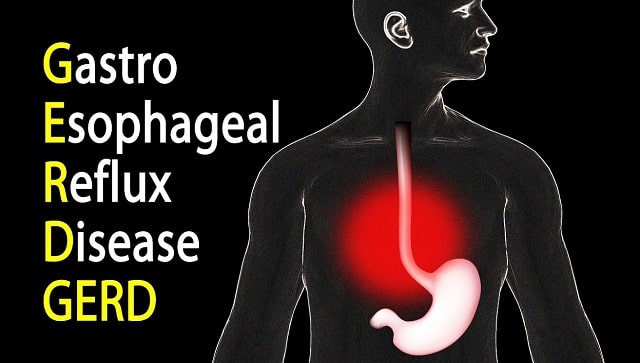
One out of 5 Americans suffers from GERD or Gastroesophageal Reflux Disease. It is a condition, where acidic contents from your stomach constantly leak up in your esophagus tube that connects the throat and stomach. When a valve at the bottom of the esophagus called the lower esophageal sphincter fails to close properly after food enters the stomach and digestion starts, the acid backwash flows towards the throat and gives your mouth a sour taste. Acid reflux occurs at some point, but when it occurs frequently, then you need to visit your doctor. 

The experienced doctors at Peachtree Surgical & Bariatrics offer reflux surgery in Atlanta to patients struggling with chronic acid reflux. Nevertheless, there is also a need to make lifestyle and diet changes so you can avoid surgery by keeping indigestion at bay. 

The main symptoms of chronic acid reflux are constant acid regurgitation and heartburn. Some people don’t feel heartburn but experience chest pain, trouble swallowing, or hoarseness when they wake in the morning. Your throat may also feel tight and choked. GERD even causes bad breath and dry cough. 

Anti-Reflux Diet 

Some studies report how simple dietary changes have helped sufferers to reduce their GERD symptoms significantly. 

● Be conscious in choosing food and beverages. Monitor the kind of food and drinks that agitate your symptoms often. Avoid the ones that trigger your symptoms. Common foods that trigger acid reflux include carbonated beverages, tea, coffee, spicy foods, fatty, and fried foods. Even tomatoes, citrus fruits, onions, garlic, chocolate, and peppermint aggravate GERD symptoms. 

● Large meals take a long time to leave the stomach and can stress the valve between the esophagus and stomach. Therefore, eat small meals frequently. 

● According to research, beer and white wine induce reflux, so avoid alcohol. 

Lifestyle Changes 

● Excess weight increases the possibility of distorting valve anatomy, which can trigger reflux. 

● Never lie down flat within 3 hours of eating. As the valve is not working properly, the stomach's acidic content flows back towards your throat. Therefore, don’t recline for 3 hours after eating. 

● According to research, resting at a little inclined position facilitates the gravity to work. Therefore, raise the head side of the bed by 7 to 8 inches, so that the nighttime reflux episodes get reduced. 

● Maintain a healthy weight to reduce stomach pressure because an increase can trigger GERD symptoms. 

● Nicotine weakens the connecting valve between the esophagus and stomach, so refrain from smoking. 

Recover Your Life From Recurring Reflux

Reflux occurrence now and then is normal, but if it disturbs your life, visit an experienced Bariatric surgeon in Atlanta. Keep these tips in mind to help get rid of GERD and reduce reflux. Reflux doesn't have to rule your life!

Here Is Everything You Ought To Know About Acid Reflux

acid reflux guide heartburn treatment indigestion tips

According to statistics, approximately 15 million people experience heartburn daily, while more than 60 million experience the effects once a month in the United States. Therefore, acid reflux is a common problem that affects a large population of people. If left untreated, the symptoms could lead to more severe consequences. Also, if you do not note improvements after treatments, it may be time to seek help from an expert surgeon in the field. Book an appointment with a Casper acid reflux specialist for advanced procedures to eliminate your problem. 

What Is The Cause Of Acid Reflux? 

The word heartburn may be confused to have some association with the heart. However, this is not the case. Acid reflux occurs when acidic stomach content flows up the food tract. Normally, the stomach contains a very strong acid known as hydrochloric acid that it is already adapted to by having a protective lining. When the acid touches the unprotected esophagus, patients begin to feel burning sensations, hence the name heartburn. 

What Are The Risk Factors Of Acid Reflux? 

You are likely to experience acid reflux if you are pregnant, overweight, or have delayed stomach emptying. Additionally, smoking, drinking specific beverages like coffee or taking certain medication like aspirin, and eating large meals at night also increases the chances of having heartburn. Pregnancy and obesity result in acid reflux because the weight exerts extra pressure on the internal organs forcing stomach contents to flow up the digestive tract. 

What Are The Symptoms Of Acid Reflux? 

If you have acid reflux disease, you are likely to experience one or more of the following: 

· Heartburn: This is the most common symptom of acid reflux in the body. Patients feel a burning discomfort that moves from the stomach to the chest. Sometimes, the sensation can travel as far as the throat. 

· Regurgitation: This is a bitter or sour taste that travels back from the stomach to the mouth and throat. 

· Other Symptoms: People living with this condition are also likely to experience bloating, bloody stools or vomit, hiccups, nausea, and unexplained weight loss. 

Diagnosing Acid Reflux 

Doctors perform a series of tests if they suspect that you could be having acid reflux disease. They may also enquire to know if you are experiencing any of the symptoms mentioned above. They use the following: 

· Barium Swallow: You are instructed to drink a barium solution that is then used in examining the tract with the help of X-ray imaging. 

· Upper Endoscopy: Doctors use a flexible tube fitted with a tiny camera to examine the esophagus and collect samples for further testing. 

· pH Monitoring: Doctors test the pH in your esophagus to determine whether stomach acid has entered the area. 

When To Seek Treatment 

You should seek treatment for acid reflux from a qualified doctor if the over-the-counter antacids do not help alleviate the discomfort. Additionally, if you experience shortness of breath, chest pains, and arm pain, it could also be a sign of complications that should be examined by a doctor. Book an appointment with Wyoming Medical Associates for expert consultation and treatment on heartburn an indigestion.

How To Treat Acid Reflux And Heartburn At Home

how to treat acid reflux at home natural heartburn prevention


home treatment acid reflux prevent heartburn

The sensation of heartburn is not only uncomfortable, but also painful. It feels like your stomach contents are coming back into your esophagus and mouth. Many people in Lima use home remedies for heartburn and acid reflux. The following are a few remedies for Lima acid reflux prevention and hearburn or indigestion prevention. 

Top 10 Home Treatments For Acid Reflux And Heartburn 

1. Baking Soda 

Baking soda is a good remedy for heartburn. It works by reducing the level of acidity in your stomach. Even though it may not taste as good as over-the-counter antacid tablets, it works just as well. If you have some baking soda in your pantry, use it for relief when you are desperate. 

2. Apple Cider Vinegar 

Apple cider works better for some people than others. Mix a tablespoon of apple cider vinegar with some water and swallow it. It may reduce the levels of acidity in your stomach. 

3. Bananas 

Bananas are not only a healthy and delicious snack, but also a good remedy for heartburn and acid reflux. The fruit has low acid concentration and it has vitamins that can stop gastrointestinal spasms. 

4. Aloe Vera Juice 

Aloe Vera juice may not taste great but it can soothe your heartburn. It reduces stomach acidity and reduces irritation. However, there is no research to explain how it works. Get your aloe vera from trusted sources to ensure that it is safe and pure. 

5. Probiotics 

Probiotics are great for acid reflux and a wide range of gastrointestinal problems, like bloating and diarrhea. Get your probiotics from reliable supplement manufacturers. 

6. Quit Smoking 

If you are a smoker, heartburn is another reason to quit. The smoking aggravates your esophagus and makes your symptoms worse. If you have just started smoking, you may notice that your acid reflux is getting worse. Quitting may be the best option to treat it. 

7. Sugarless Chewing Gum 

Consider using sugarless chewing gum to ease your acid reflux. Chew gum for about 30 minutes after dinner or lunch to reduce the acidity levels. Avoid spearmint and peppermint flavors as they make the symptoms worse for some people. 

8. Peppermint 

Peppermint may relax your stomach and reduce acidity levels. It loosens your muscles and ensures that the liquids do not flow back into your esophagus. However, it does not work for everyone. If it does not work for you, ginger may be a good alternative. Peppermint or ginger tea may ease bloating and diarrhea as well. 

9. Lifestyle Changes 

If you are overweight, consider making lifestyle changes to relieve your heartburn. Increase your physical activity and make diet changes. You may need to avoid trigger foods like chocolate, spicy foods, carbonated drinks, and alcohol. 

10. Elevate Your Head When Sleeping 

If you experience acid reflux at night, elevate your head with a pillow. Raising the head of your bed may also be an effective strategy of reducing heartburn at night. It's simply using gravity to help reduce the acid reflux and indigestion naturally! 

Settle Your Stomach

In conclusion, a few changes to your diet and lifestyle may ease the symptoms of acid reflux and heartburn. If, however, home remedies do not work for your indigestion condition, you should seek professional medical help.

How Acidic & Alkaline Foods Affect Your Body

Submitted By Helen Chin Lui of Healing Place Medfield
A recent focus in the field of natural healthcare, is the pH or acid-alkali balance of the body and the impact it has on almost every aspect of your well-being and health. Acidity is a major factor in congestion and inflammation, it weakens the immune system and aggravates most chronic conditions. Body pH is affected by what we eat and is key in preventative medicine.


What is pH?
pH is the scientific term representing level of acidity. It is a calculation based on the concentration of hydrogen (“H” or “H+”) ions present in a liquid. The pH scale runs from 1 (or lower, for extremely strong acids) to 14.
7 is neutral pH (neither acid nor alkali);
pH under 7 is acid;
pH over 7 is alkali.
Water is generally considered safe to drink so long as the pH is between 5 and 9. The human body operates within a normal, “safe” pH range. Within that range, however, there can be some change due to diet and stress factors. When pH is at the acidic end of the safe range, the body becomes more inviting to viruses and bacteria, as well as more vulnerable to mucus, congestion, and other chronic or “mysteriously” recurring health issues such as sore throat, persistent headaches, cold/flu, fatigue, gout, chronic pain and achiness or arthritis.

What Makes the Body Acidic?Most scientific models conceive the ideal pH of the human body as 7.4, slightly alkaline, although hair, skin, and saliva are all normally acidic.
Internal biochemical factors can combine to alter pH, but in most cases it is dietary factors that imbalance the pH of the human body. Every food has a specific impact on the pH of the body, due the pH of that food’s “ash.”

Acid Ash and Alkali Ash
If you’re thinking that acidic foods like coffee, oranges, vinegar and lemons make the body acidic, you’re right in part, although it’s not quite so simple. Almost every food we consume enters the body as an acidic substance. Yet many foods have the ability to increase alkalinity by absorbing or neutralizing acidity. Lemons, in particular, are remarkably able to balance the pH of the body. They enter the body as an acid, but through the digestive process, they are transformed into an alkali-ash food, so named because the process of digestion is similar to combustion. When lemon juice is “burned” or digested, the product is an “alkali ash.”
The impact of a food on the pH of the human body is due not to its original chemical composition, but its acid or alkali ash.


All root vegetablesStored Potatoes +2.0

Meat, Poultry, And FishPork -38.0
Veal -35.0
Beef -34.5
Ocean Fish -20.0
Chicken (to -22) -18.0
Eggs (to -22)
Oysters -5.0
Liver -3.0
Organ Meats -3.0


Milk And Milk ProductsHard Cheese -18.1
Cream -3.9
Homogenized Milk -1.0
Buttermilk +1.3

Bread, Biscuits (Stored Grains/Risen Dough)White Bread -10.0 White Biscuit -6.5
Whole-Meal Bread -6.5
Whole-Grain Bread -4.5
Rye Bread -2.5

NutsPistachios -16.6
Peanuts -12.8
Cashews -9.3

FatsMargarine -7.5
Corn Oil -6.5
Butter -3.9

Sweets
Artificial Sweetners -26.5
Chocolate -24.6
White Sugar -17.6
Beet Sugar -15.1
Molasses -14.6
Dr. Bronner’s Barley
Malt Sweetner -9.8
Dried Sugar Cane Juice -18.0
(Sucanat) -9.6
Barley Malt Syrup -9.3
Fructose -9.5
Milk Sugar -9.4
Turbinado Sugar -9.5
Brown Rice Syrup 8.7
Honey -7.6

Condiments
Ketchup -12.4
Mayonaise -12.5
Mustard -19.2
Soy Sauce -36.2
Vinegar -39.4
Beverages
Liquor -38.7
Wine -16.4
Beer -26.8
Coffee -25.1
Fruit Juice, Packaged, Natural -8.7
Fruit Juice Sweetened With
White Sugar -33.6
Tea (Black) -27.1

MiscellaneousCanned Foods
Processed Foods


Frugal Fit Fun For Everyone! Subscribe Today


For More Great Tips, Get My Best-Seller On Amazon:

I hope you enjoyed this article about how to live healthier on a frugal budget and maximize your performance!

Interested in more articles about frugal fitness? 

Read My Posts:

Stay Frugal & Fit My Friends!

Frugal Fitness World Wide Wellness
Free Workouts & Nutrition On A Budget
"Crushing Fitness Costs Worldwide"


Also visit the Bootstrap Businessman

New Frugal Finance Blog Posts & Articles