Showing posts with label Water Sports. Show all posts

Floating Steady: Keeping Costs Low While Getting a Boat

getting a boat on a budget frugal boating low cost

There is a reason why more than 12 million Americans have gone through the process of getting a boat. Owning a boat provides a person with a long list of benefits. 

Getting out on a boat is a great way to blow off some steam at the end of a long week. It's also a great way to take part in lots of fun activities, like fishing, waterskiing, and so much more. 

Unfortunately, getting a boat can also cost you a small fortune if you aren't careful. Between buying a boat and working to maintain it, you might end up paying a pretty penny. 

There are, however, some steps you can take to keep your costs on the lower side while getting a boat. Check out some of the things you can do to make your boat-related costs more manageable. 

Set a Budget for Yourself Prior to Purchasing a Boat 

If you're in the market for a boat right now, the first thing you should do is set a budget for yourself. The last thing that you want to do is start shopping around for a boat without knowing exactly how much you can afford to pay for one. 

If you take this approach to getting a boat, you're almost guaranteed to spend more than you might be able to afford for a boat. Coming up with a budget will prevent this from happening. 

A budget will also make the search for a boat simpler than it would be otherwise. You'll be able to cross a whole lot of boats off your list based on the price tags that are attached to them. 

Consider Buying a Used Boat Rather Than a New One 

When you begin shopping for a boat, you might be tempted to run down to your local boat dealer to see all the brand-new boats that they have in stock. And it won't be long at all before you're falling in love with all the bells and whistles that these new boats have. 

But here's an easy tip for those looking to cut costs while getting a boat: Buy a used one instead of a new one! It'll save you so much money and give you a boat that's just as good as a new one in many cases. 

Most used boats cost just a fraction of what new ones do. It's why it's important for you to shop for a used boat over a new one, especially if you're working with a tight budget. 

Buy a Used Trailer for Your Boat 

In addition to considering a used boat over a new one, you should also consider a used trailer rather than a new one. Buying a used trailer is going to save you a lot of money in the grand scheme of things. 

On average, new trailers are often going to run you at least a few thousand dollars. But you might be able to get away with paying under $1,000 for a used trailer in some instances. 

Find the Most Affordable Place to Dock Your Boat 

Unless you're going to tow your boat down to the water every time you want to use it, you're going to want to invest in a boat dock for it. You can rent a dock and pay the mooring fees associated with it so that your boat is in the water at all times. 

Don't just pick the first boat dock that you can find and choose that one to dock your boat at, though. Instead, search around for different boat docks in your area and find the one that will be available to you at the lowest costs. 

Make sure you find out what costs you'll face when putting your boat into the water and taking it out, too. These are sometimes hidden costs that people don't factor into the equation when getting a boat. 

Shop Around for the Best Marine Insurance for Your Boat 

Boat accidents are a lot rarer than car accidents. But there is always a chance that you could be involved in an accident after getting a boat that results in property damage and/or injuries. 

For this reason, you're going to need to have the right marine insurance policy for your boat. It'll cover you and your boat and protect you just in case you're ever involved in an accident. 

Just like with boat docks, you shouldn't just choose the first marine insurance policy you can find. You should look around to see what the rates for insuring your boat will be through different insurers. It could save you quite a bit of money in the end. 

You should also find out what the registration fees will be for your boat while you're doing this and stay on top of them as well. 

Maintain Your Boat Properly to Steer Clear of Expensive Repairs 

There are lots of upkeep costs that you're going to face after getting a boat. From the cost to keep your boat clean to the cost to service its engine, you need to budget for them. 

You should not, under any circumstances, fail to maintain your boat properly. If you do, you could be asking for trouble, as it'll typically lead to you having to take on costly repairs down the line. 

Getting a Boat Doesn't Have to Cost You an Arm and a Leg 

Getting a boat for the lake or ocean is obviously going to come with a long list of expenses. There isn't going to be any getting around paying at least some money to buy a boat and maintain it. 

But as long as you follow the tips listed here, you should be able to keep the costs associated with your boat to a minimum. It'll help you enjoy your boat more and keep more money in your pockets at the end of the day. 

Boating On A Budget

Want to discover more about how to make the most of owning a boat? Frugal Finance has plenty of additional articles about getting a boat on a budget. Read through some of the articles found on our blog to get your hands on all kinds of boating tips and tricks.

7 Reasons Why You Should Try Paddle Boarding For Your Health And Fitness

reasons try sup fitness stand up paddleboard health benefits paddleboarding

You might already be thinking stand up paddle boarding looks like a lot of fun and a way to escape from day to day life. And you’d be right! However, that’s not the only benefit of doing this water sport that continues to grow in popularity. There are countless ways that stand up paddle boarding is good for your health and fitness, and we are going to look at them in this article. 

Hopefully, reading this will reassure you that SUP is a more than adequate alternative to going to the gym or taking the same running route each night. Let’s check out what’s so great about stand up paddle boarding! 

SUP Is Great For Losing Weight 

It is undeniable that many people do exercise so as to lose weight. SUP is a great way to shed some unwanted extra pounds and combined with a healthy diet, you can notice results within weeks. SUP burns more calories than your average walk - about twice the amount that you would burn strolling at 2.5mph. With your body saying bye bye to 300 - 450 calories per hour during a regular paddling session, that is the equivalent of a balanced breakfast. 

If that is not enough for you, you could always use one of the alternative ways to use your SUP board. Yoga will see you burning 500 calories per session, while surf SUP can lose you somewhere between 700 and 1,000. However, you’ll have to be closer to a beach to do that! Last but not least is touring and SUP racing. While this is usually reserved for professionals, it burns over 1,000 calories an hour. Maybe that’s something to work towards! 

SUP Is Good For Your Core 

One of the most noticeable differences in your body after SUP will be your core. With constant strokes, your core and abdomen will be working to maintain your balance on the board. The result of that? You might just get a six-pack! In fact, SUP is often recommended to people who want to get abs of steel. Even if you don’t, this core workout is excellent for your balance and stability. 

SUP Works All Your Muscles 

It’s not just your core that’s working while you’re stand up paddle boarding. All of your muscles are called upon, from your shoulders to your toes. Your legs and knees will be working hard to keep you balanced and planted on the board, while your back will also be keeping you balanced and stable. Shoulders and arms will be required as propellers. You may feel a little achy after your first couple of times, but once you get used to it, you’ll feel great after a session on your SUP. 

SUP Is Great Cardio 

We’ve mentioned a lot of muscles up above, but there’s one that deserves a mention all to itself. The heart is the most important muscle in the body, and SUP helps to ward off disease and keep it healthy. SUP doesn’t just tone muscles, it’s a top cross training activity and speeds up blood circulation. Your body will thank you in the long run as good heart health means you are at a lower risk of having strokes, heart attacks or diabetes. 

SUP Is Low Impact 

One of the reasons that SUP is so good for your muscles is that it’s low impact. While you may feel a few aches and pains after your first sessions, you should start to notice that going away once you’re paddle boarding regularly. This is because it’s a low impact exercise. Despite being low impact, it’s still an incredible workout. And it’s similar to swimming as it can speed up the healing process. So, if you’re recovering for a muscle injury, SUP could be a great way to aid your recovery! 

SUP Is Versatile 

When you do the same thing over and over again it can get pretty repetitive. That’s why you can easily get disillusioned with going to the gym or running the same route every night. However, that needn’t be the case with stand up paddle boarding. Even if you only have one place nearby that you can do it, you don’t have to do the same workout each time. SUPs can also be used for yoga, fishing, and surfing. A regular change-up in how you use your paddle board should keep it fresh and fun! 

SUP Is Good For Your Mental Health 

There are undoubtedly loads of benefits for your physical health when you do stand up paddle boarding. However, there are few sports and outdoor physical activities that are better for your mental health too! Being surrounded by nature and water is one of the best ways to alleviate the stresses of daily life. With your mind relaxed, it frees up space to release serotonin and endorphins and make you just that little bit heavier. Do this regularly, and improving your mood won’t just be a temporary thing!

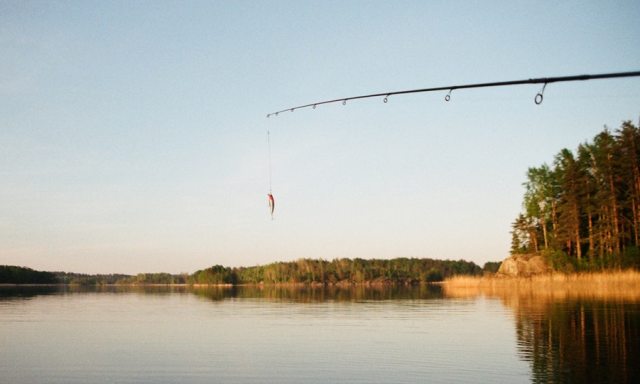
How To Fish for First-Timers - Frugal Fishing Fun

travel to lake fishing for first timers how to fish guide hunting game

There are 307 million lakes in the world.  With a number like that you're bound to be lakeside at some point of your life. 

Whether it's swimming, boating, or fishing, lake life offers a lot of options for leading an active lifestyle. Spending the days on the water offers health and wellness benefits in and of themselves, but activities on the water take those health benefits to the next level. 

Ready to try your hand at a new water sport in order to get in some quality sunshine and water time? Nothing says "lakeside" like fishing. 

Check out this beginner's guide on how to fish. It'll give you the 411 on everything you need to know before you hit the water. 


What to Buy Before You Get to the Lake

Although the up-front cost of fishing is not crazy, it does take a small investment to get started. Cross items off this checklist to make sure you have everything you need before you head out to the lake. 
  • A state fishing license 
  • A fishing rod and reel
  • Monofilament fishing line
  • Fishing weights
  • Fish hooks 
  • A plastic or cork bobber
  • Live bait or fishing lures 
  • Appropriate fishing apparel
  • An ice chest or cooler
You can purchase a fishing license online. Most everything else can be purchased at a local sporting goods store. If it's a lakeside town, there's likely a bait and tackle shop you can check out for a local's help to get going.


Plan Ahead 

That local at the tackle shop just may become your new best friend. You'll need to do a little research to pick the right spot for fishing, and who would know better than a local fisherman?

Find out if you need a boat or can fish from a dock. Then, make sure there is public access to any dock or shore from which you'd like to fish. 

Check with local authorities to understand the bag limits, or creel limits, at each lake.

A bag limit is a specific criterion that needs to be met before you can keep the fish. Some lakes have a size (length and weight) minimum. Some lakes have a maximum take number. 

Double check on the weather before you head out the door. You will be out on the water. Bad weather can be extra bad from a boat. Don't risk your first fishing experience with bad weather. 


Set Up Your Equipment

Once you reach your fishing spot, you'll need to do a little equipment prep. 

You'll need to attach a hook, weight, and bobber to your fishing line. First, attach the hook at the bottom of the line using an improved clinch knot. Then, attach at least one weight about six to twelve inches above your hook. 

Depending on the type of fish you are fishing for and how deep the lake is, you'll need to attach a bobber that will float your hook at a certain depth. Remember that the hotter it is outside, the deeper you'll need to fish to catch the same species. 

(Pro Tip: Fish like colder water better. Try to find the inlet to the lake, where the cold river or spring water rushes in. You'll likely find more fish there.) 


The Improved Clinch Knot

Use caution when tying on your fishing hook. The hook is barbed and will catch on your fingers fairly easily. 

On the end opposite from the barbed hook, there is a hook eye. Pass the fishing line through the hook eye. Take the loose end of the fishing line and make five turns around the standing end of the fishing line. 

Then, insert the loose end into the first loop made around the standing line. This will create a secondary loop. Pass the loose end back through the secondary loop. 

Tighten the knot slowly to make sure no part catches awkwardly. Try wetting the line to make the tightening go more smoothly. 

Ta-Da! An improved clinch knot!


Practice Your Cast

Casting is everything. It takes practice to perfect your cast, so don't be embarrassed by your casting technique off the bat. It will get better. 

Being able to consistently put your lure in the strike zone will increase your chance of a bite, and decrease your chance of a lost lure.

You can purchase a cheap casting plug, which is a tool that helps you practice your cast. Find a secluded area, away from other people, and just keep casting until it feels natural. 

Regardless of the type of reel you have, the technique for casting is generally the same. Unlock the line and hold it with a finger so that the line doesn't pool at your feet on the shore. 

Then, swing your rod in an arc, releasing the finger holding the line when the line reaches the top of the arc. The hook should fly out over the water from the momentum and the heft of the weight. 

As the line sinks, lock the reel back in place so that the line doesn't keep unraveling. 


Leave it Better

Leave the lake better than you found it.

This means packing out all of your trash. Fishing line can be very harmful to birds and other wildlife. Make sure you clean up your fishing area, remove all the discarded fishing lines and lures. 

Practice conservation in the form of quick release. If the fish is too small to keep, try to quickly and safely return the fish to the water. Don't waste resources for the next angler to come along. 


How To Fish: Enjoy the Lake

Now that you have the basics of how to fish, get out on the water and enjoy the lake! 

Whether you catch anything is beside the point. Breathe in the fresh air and soak up some sun while learning a new hobby and experiencing nature. 

If fishing isn't for you, there are plenty of other water sports to try out. Check out this article outlining other seasonal hobbies to help keep you outside and active year-round. 

The Best Swimming Routine to Shed Those Pounds


Swimming is a great way to stay fit and get a decent workout. Not only is swimming fun, it also burns a large number of calories. Water resistance is approximately 800 times higher than the air and so every movement provides a mini-resistance exercise for each muscle. You can burn up to 500 calories with a light swim or up to 700 and more when the exercise is more vigorous. This makes it a popular way to stay in shape for people of all ages and levels of athleticism. Professionals who take part in the events you see on William Hill Sports, such as footballers and rugby players often include days in the pool and you should too. 

The Swimming Routine: 

Your swimming routine depends on your ability, fitness, and what you’re hoping to get out of it. To start off with, it’s always a good idea to warm up by doing a few laps of freestyle using any comfortable stroke. When the muscles are warm and your body is loose, it’s now time to jump into the workout. Some experts suggest covering a certain distance by going around the pool in laps. Others suggest you mix it up and do a combination of both higher and lower intensity lengths. 

This is entirely up to you and what you want to get out of your workout. An athlete training for a triathlon needs a different workout to an elderly person who’s trying to stay fit. 

The Workout: 

This section looks at a few of the better ways of swimming where you can get the maximum benefit out of your routine. A personal favourite is the Frog Kick to work your glutes and inner thighs. When you’re in the water, put your feet together and bend your knees before extending as far as you can. This movement propels you forward and you repeat the cycle for a few lengths. The frog kick is a perfect way to help shape and tone your body. 

The Butterfly and Breaststroke use the core muscles in the upper body. This is a great way to boost your swimming speed whilst giving your muscles a workout. When you’re doing either the butterfly or breaststroke, the best way to is use your arms once for every three kicks. This should be for around one length with 15-second intervals for the more advanced swimmers. Less experienced ones may extend their intervals. 

Water running is another good workout for your core muscles. The principles are the same as running on a hard surface, but with a higher resistance. If you want to try this, submerge yourself to neck height and then run as hard and as fast as you can for one to three minutes. Repeat the cycle three times. 

The Takeaway Message: 

Swimming is a great way to have a workout. You can either swim around the pool using different strokes or attempt more unorthodox styles such as water running. Both not only burn huge amounts of calories but they also give your muscles a good workout too.

Stay Frugal & Fit My Friends!

Frugal Fitness World Wide Wellness
Free Workouts & Nutrition On A Budget

Also visit the Bootstrap Business Blog

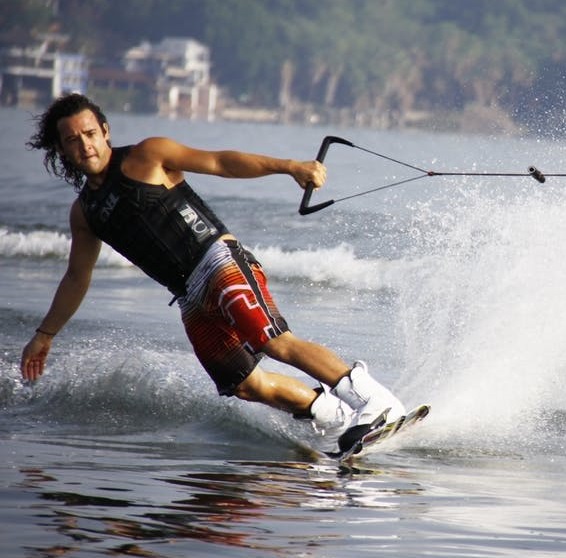
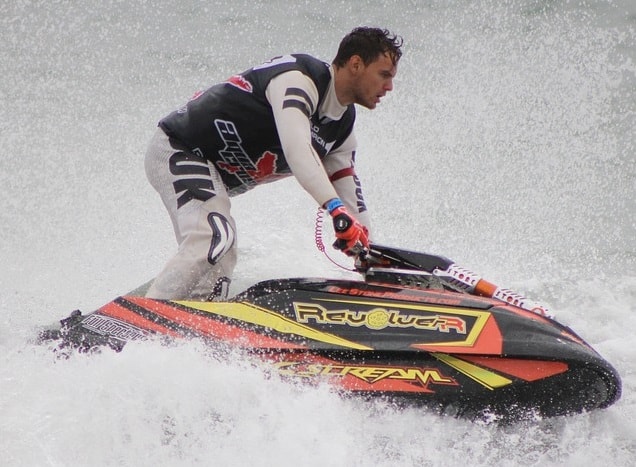
Want To Wakeboard, Water Ski, & Jet Ski? Free Coast Guard Boat License Course Guide Outline

how to get started wakeboarding water skiing and boating


Water skiing and wake-boarding are fun ways to get in some great exercise while taking in plenty of fresh air and Vitamin D. Even jet-skiing can be a bit of a workout if you're going fast enough where it requires some effort to hold on tightly during your ride. Owning a boat or jet ski certainly isn't frugal, but finding a friend or family member who owns one sure is! But if you're pitching in to rent or buy a boat, chances are you'll need (or should have) a boating license. Here is my Frugal Fitness coast guard approved boating license course personal outline / study guide that I'm using to get my license in New Hampshire and Massachusetts this summer.

Also enjoy a free travel plyometic workout to help you enjoy your watersports even more!


how to start jetskiing

PWC: Personal Water Craft / Ski Craft (Inbound Vessels)

PFD: Personal Flotation Device

Hull Identification  Number (HIN):

12 Digit # Assigned to Vessels After 1978

Ski Craft: Motorized Vessel Les than 13 Feet Long, Can Exceed 20 MPH, Capacity of 1 Operator and 1 Passenger
Port:             Left Side
Starboard:   Right Side
Bow:             Front 
Stern:           Back

Bilge:            Curved part of boat bottom
Hull:             Body of Boat

Gunwale:     Upper edge of boat's side

Fueling Up:
- Refuel away from water or on commercial fueling ramp
- Dock boat securely and passengers exit
- Check all fuel lines, connections, and fuel vents
- Turn off engines, fans, or electrical equipment
- Shut off fuel valves, extinguish flames, galley stoves, pilot lights
- Close all windows, ports, doors, and other openings to prevent fumes from entering the boat
- Remove portable fuel tanks and fill them on the dock
- Keep nozzle of the fuel-pump hose in contact with the tank opening to prevent producing a static spark
- Avoid spilling fuel into boat bilge or water
- Never fill your gas tank to the brim or tip a PWC or ski craft
- If equipped with a power ventilation system, turn it on for at least 4 minutes after fueling and before starting engine to remove gas vapors in the bilge. 
- Wipe up any spilled fuel
- Open all windows, ports, doors, and other openings
- After filling PWC, open engine compartment and sniff to check for any evidence of gas fumes before starting the engine.

Types Of Vessel Hulls:
1) Displacement
2) Planing

Hull Shapes:
1) Flat Bottom
2) Round Bottom
3) Vee Bottom

Vessel Length Classes:
1) Less Than 16 Feet
2) 16 - 26 Feet
3) 26 - 40 Feet
4) 45 - 60 Feet

Impeller:
Device used to pump and force water under pressure through a steering nozzle at the rear of the vessel. 

Stern Drive & Inboard Engines: 
Automotive Engines Adapted For Marine Use

Fuel Selector Switch on a PWC or Ski Craft: 
- Off position when engine turned off 
- On position while underway 
- Reserve position if you run out of fuel underway

Preventing Theft:
- Chain & lock motor & fuel tanks of vessel
- Title and register your vessel
- Mark or engrave all equipment with ID such as license #

Float Plan:
- Describe vessel: HIN, length, make, horsepower, engine type
- State, route departure / return time. Name, address, telephone

Departure Checklist:
- Check weather
- Make sure steering & throttle controls operate properly
- Check for fuel or oil leaks
- Check hose connections for leaks or cracks, hose clamps tight
- Drain water from engine compartment, bilge plug replaced & secure
- Check if engine battery is fully charged and fire extinguishers
- Check ignition safety switch and wrist lanyard are in good order
- Make sure you have required number of PDF's in good condition
- Leave float plan with friend or relative

Encountering Vessels w/ Limited Maneuverability:
- Motorized Vessel: Give way to anchored, disabled, restricted, large, commercial fishing, or sailboat vessels
- Sail Vessel: Give way to all above including vessels you are overtaking in speed

Stand-On Vessel: Vessel maintaining its course and speed
Give-way Vessel: Vessel taking early action to avoid collision via stopping, slowing down, or changing course.

Meeting Head On:
1) Power vs. Power: Neither is Stand-On, both keep to starboard
2) Power vs. Sail: Powerboat is giveaway vessel

Crossing:
1) Power vs. Power: Vessel on the operator's port is giveaway. Vessel on right is operator's starboard side is stand-on vessel.
2) Power vs. Sail: Powerboat is give-way vessel, sailboat: stand-on


boating license course test answers

Well there you have it, a quick frugal fitness abbreviated guide to help you get your boating license in NH or MA and enjoy the great outdoors.

Oh yeah, make sure you have some good health insurance and life insurance! Haha just kidding, for the most part...

This of course is just my outline and not the entire course by any means but I hope this free coast guard boating license course guide helps you enjoy a fun and fit summer in New England or beyond! Enjoy your water skiing, jet skiing, and wake-boarding! 

More Frugal Fitness Finds Below

How To Stay Hydrated For Health And Performance


If you have been in the Boston area this week, you have experienced an intense heatwave with several days in the 90s or hotter. The heat can be exhausting, as well as dangerous, for a lot of people. The average human body is nearly 2/3 water and it is vital to all of our chemical reactions and processes. Losing as little as 1% of your body's water can have significant negative affects on your performance and health. Throughout the year, and during this weather especially, it is crucial to try and stay hydrated. 

The best way to do this is drink liquids, mostly water, throughout the day and try to bring water with you everywhere you go. You want to be drinking enough water that your bodyweight does not go down drastically throughout the day.

If you are sweating profusely or exercising for long periods of time, a sports drink can be beneficial to maintain adequate levels of the electrolytes glucose, sodium, potassium, and chloride. Gatorade or Powerade are ok but for most people I recommend diluting them with water, most people don't need all the sugars and electrolytes a normal concentration provides. You should be drinking enough water throughout the day that you are using the restroom relatively often. 

Don't forget that caffeine and alcohol will dehydrate you so you will need to drink extra water for any alcoholic or caffeinated beverage consumed. If you want to be extra healthy, invest in a Brita water filter and purchase a BPA free plastic or aluminum water bottle. Enjoy the heat while it lasts, it sure beats shoveling snow! Bottoms up and stay cool!


Frugal Fitness Fun For Everyone! Subscribe Today


For More Great Tips, Get My Best-Seller On Amazon:

I hope you enjoyed this article about how to live healthier on a frugal budget and maximize your performance!

Interested in more articles about frugal fitness? 

Read My Posts:

Stay Frugal & Fit My Friends!

Frugal Fitness World Wide Wellness
Free Workouts & Nutrition On A Budget
"Crushing Fitness Costs Worldwide"

Also visit the Affordable Marketing

New Frugal Finance Blog Posts & Articles