

Key Takeaways
- Documentation of your involvement and commitment as a parent significantly impacts custody decisions.
- Effective communication with your co-parent and legal counsel helps present your case clearly.
- Understanding Utah's custody laws is critical for protecting your rights as a parent.
- Seeking professional guidance can help you avoid common pitfalls and strengthen your position.
Table of Contents
- Understand Utah’s Custody Laws
- Document Your Parental Involvement
- Communicate Effectively with Your Co-Parent
- Work with Experienced Family Law Attorneys
- Maintain Routines and Stability for Your Child
- Prepare for Court Hearings and Evaluations
- Avoid Common Mistakes in Custody Cases
- Seek Emotional and Professional Support
Navigating a custody case in Lehi can be emotionally overwhelming and legally complex. Safeguarding your parental rights is essential for ensuring your voice is heard and your bond with your children remains strong. Whether you are just beginning the custody process or are in the midst of a legal battle, understanding the best strategies can make a significant difference. For parents seeking to ensure the best outcome for their family, knowing your options and rights is crucial. To learn more, consulting experienced professionals is a critical first step.
Every family situation is unique, but arming yourself with knowledge and preparation can safeguard your parental interests throughout the court process. Clear communication, proper documentation, and seeking the right kind of support can all play pivotal roles in the outcome of your custody case. In Lehi, Utah, specific factors come into play that can influence how parental rights are considered and protected. From the very beginning of your case, it is important to approach every interaction and decision with care, keeping your children's best interests at the forefront.
Understand Utah’s Custody Laws
Utah's family courts prioritize the best interests of the child, which means judges evaluate many factors before making custody determinations. Becoming familiar with state statutes regarding legal and physical custody is vital. Legal custody refers to decision-making power over major aspects of a child's life, while physical custody determines where the child lives. Both joint and sole custody arrangements are possible, and understanding the difference helps you advocate for your rights more effectively. The Utah Courts website is a valuable resource for up-to-date information on custody laws and guidelines.
Document Your Parental Involvement
One of the most influential ways to strengthen your position in a custody case is by maintaining detailed records of your involvement in your child's life. This includes keeping a log of time spent together, participation in school events, attending medical appointments, and engaging in extracurricular activities. Providing evidence of your day-to-day involvement can demonstrate your dedication and stability as a parent, which courts often look for in custody decisions. When disagreements arise, having detailed notes and supporting documentation allows you to present a clear chronological account of your parenting efforts.
Communicate Effectively with Your Co-Parent
Consistent, respectful communication with your co-parent reflects positively on your ability to cooperate for the benefit of your child. Courts recognize parents who can put aside differences and focus on their child's welfare. Utilize written communication when possible, including texts and emails, to minimize misunderstandings and establish a verifiable record of your interactions. Communication that centers on the needs of the child, rather than personal grievances, demonstrates your willingness to prioritize your child's best interests.
Work with Experienced Family Law Attorneys
Navigating the complicated waters of family law in Lehi requires specialized knowledge and skills. A qualified attorney can guide you through the procedural steps and help develop a strategy tailored to your situation. They ensure your rights are protected, explain your responsibilities, and represent your interests in negotiations and court proceedings. According to Psychology Today, experienced legal support can make a significant difference in how custody matters are resolved.
Maintain Routines and Stability for Your Child
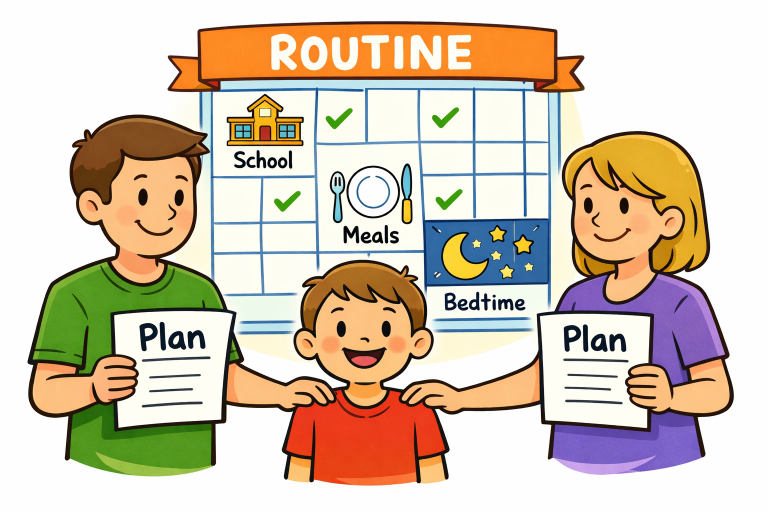
Stability is a major consideration in custody decisions. Demonstrate your ability to provide a consistent routine by keeping steady schedules for school, meals, bedtimes, and activities. Children who experience predictability during transitions tend to adapt better and feel more secure. Courts are more likely to grant favorable custody terms to parents who can show that they are able to maintain stability and continuity in the child’s life, especially during what can be a turbulent time.
Prepare for Court Hearings and Evaluations
Custody cases often involve court hearings, mediation, or evaluations by social workers or guardians ad litem. Preparation is critical. Review your documentation, anticipate questions, and be ready to explain your parenting plan and daily routines. Practice speaking calmly and clearly, focusing on your child’s needs rather than your own frustrations. Being prepared helps you present yourself as a responsible, organized, and child-focused parent.
Avoid Common Mistakes in Custody Cases
Many parents lose credibility in custody cases due to avoidable errors. Common mistakes include disparaging your co-parent on social media, missing scheduled visitations, violating court orders, or exposing your child to conflict. Any of these missteps can weaken your case and influence the court's perception of your parenting abilities. Commit to professionalism and always keep your child’s well-being in focus. Additional resources like Psychology Today offer guidance on positive parenting practices during divorce and custody disputes.
Seek Emotional and Professional Support
Custody battles are stressful and can impact your mental health and decision-making process. Rely on support systems such as friends, family, or counseling services to help you cope constructively. Professional support includes not just legal counsel, but also therapists or support groups that can provide emotional resilience during the proceedings. The healthier and more balanced you are, the better equipped you will be to provide stability for your child and represent your interests confidently in court.