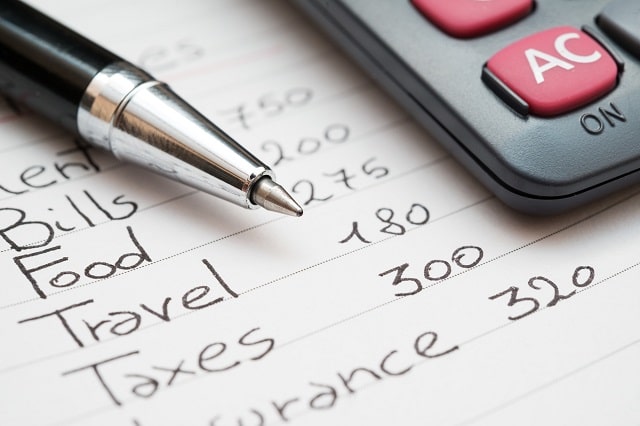
How To Create A Monthly Budget And Save Money

8 Tips To Improve Family Financial Security

A Small Business Owner’s Guide To Building A Cash Reserve

Key Takeaways
- Separate sales from available cash: Strong revenue does not guarantee enough money to cover immediate expenses and upcoming bills.
- Build a cash buffer: Set aside funds for payroll, taxes, supplier payments, repairs, and unexpected costs.
- Forecast cash flow weekly: Track expected income, expenses, due dates, and projected balances to identify shortfalls early.
- Improve collections: Send invoices promptly, request deposits when appropriate, and follow up consistently on overdue payments.
- Control spending carefully: Review recurring costs, compare supplier prices, and reduce unnecessary expenses without limiting essential business activities.
- Evaluate financing options: Consider short-term financing for defined cash gaps only when the repayment plan is realistic and affordable.
- Avoid common cash flow mistakes: Do not count unpaid invoices as available cash, overlook tax obligations, or use the entire reserve for discretionary spending.
- Create a repeatable routine: Follow a 30-day improvement plan and maintain regular cash reviews to support better financial decisions.
Strong sales do not always mean a business has sufficient funds to cover this week's payroll, supplier bills, or tax payments. A practical cash buffer helps owners manage the timing gap between money earned and money received. For short, planned gaps, options such as Bluevine's revolving credit line may be worth evaluating alongside cash reserves, provided the repayment plan fits the business's expected cash flow. The goal is not to keep every available dollar idle. It is to create enough flexibility to handle normal fluctuations without delaying essential payments, making rushed cuts, or relying on expensive financing for every surprise.
Why Cash Flow Can Feel Tight Even When Sales Are Strong
Revenue is the money a business earns from sales. Profit is what remains after expenses are accounted for. Cash on hand is the money actually available in the bank. Those figures can move on different schedules. A contractor might complete a project in March, record the revenue, and still wait until May for payment. Meanwhile, payroll, rent, inventory purchases, taxes, loan payments, utilities, and supplier invoices may come due on fixed dates. The Federal Reserve's 2026 survey of employer firms also highlights that financing needs and operating conditions remain important considerations for many small businesses. A cash plan should therefore focus on when funds will arrive, not only on what the business expects to sell.
What a Cash Buffer Does
A cash buffer is money set aside for ordinary timing gaps and unexpected but necessary costs. It can help a business keep operating during a temporary slowdown and pay vendors. At the same time, customer invoices are outstanding, essential equipment needs replacing, inventory needs to be bought before a busy season, or an urgent repair needs handling. A reserve is not a substitute for forecasting, sound pricing, or expense control. It is a layer of protection that gives the owner time to make deliberate decisions rather than reacting to a low bank balance.
How to Build a Simple Cash Flow Forecast
A rolling forecast can be created in a spreadsheet, accounting system, or simple weekly document. Start with the current bank balance, then update it at least once a week.
- Record the cash available today.
- List expected incoming payments by week or month.
- Separate confirmed customer payments from estimates or sales targets.
- List fixed costs and variable expenses.
- Mark due dates for large bills, payroll, taxes, and debt payments.
- Calculate the projected balance after each expected inflow and outflow.
- Note whether each payment is expected, invoiced, overdue, or received.
For each period, track five items in order: date, expected income, expected expenses, projected balance, and payment status. A short rolling view is often more actionable than an annual budget because it exposes a potential shortfall before the bill is due.
How Much Cash Should a Business Keep?
There is no universal reserve target. A seasonal retailer may need extra cash before purchasing holiday inventory. A professional service firm may need protection from slow-paying clients. A construction company may need funds for labor and materials before project payments arrive. A reasonable starting point is one month of essential operating costs, followed by a gradual effort to build a larger reserve as revenue stabilizes. Include core obligations such as:
- Payroll and payroll taxes
- Rent, utilities, and insurance
- Critical software and communications tools
- Debt payments
- Core supplies or inventory
Ways to Get Paid Faster
Improving collections can be one of the fastest ways to strengthen cash flow. Send invoices immediately after work is completed, establish payment terms before work starts, and request deposits for large orders or custom projects. For long engagements, milestone billing can prevent the business from carrying the full cost of work until the end. Make payment easy by offering electronic options and sending automated reminders before and after due dates. Review a customer's payment history before extending longer terms. A polite, consistent follow-up process is usually better for customer relationships than waiting until an invoice is severely overdue.
How to Control Expenses Without Slowing Growth
Cost control should focus on waste before it affects activities that bring in customers. Separate essential expenses from costs that can be delayed, review recurring subscriptions quarterly, and compare vendor pricing before renewing. Owners should also track gross margin by product, service, or customer group where possible. The SBA's guidance on managing a business emphasizes tracking financial information, including accounts receivable, accounts payable, payroll, and available cash. Regular review makes it easier to identify costs that are rising without producing enough value.
When Short-Term Financing May Help
Short-term financing may be useful when the need is temporary and the business has a realistic repayment path. Examples include buying materials for a confirmed profitable project, covering an urgent repair, purchasing inventory before a known seasonal rush, or bridging a delayed customer payment.
Questions to Ask Before Borrowing
- What specific cost will the funds cover?
- When is the related revenue expected to arrive?
- Can ordinary cash flow support repayment?
- What is the total cost, including fees and interest?
- What happens if the expected customer payment is late?
- Is this a one-time timing issue or a repeated operating shortfall?
Business credit cards, revolving credit, term loans, invoice financing, supplier terms, and owner contributions can serve different purposes. Carefully compare repayment schedules, rates, fees, collateral requirements, and personal guarantee terms. Borrowing is generally more suitable for a defined gap than for ongoing losses with no clear solution.
Common Cash Buffer Mistakes to Avoid
- Counting unpaid invoices as cash already available.
- Using the entire reserve for expansion or a discretionary purchase.
- Building a budget from sales goals rather than expected collections.
- Ignoring tax obligations until the payment deadline.
- Mixing personal and business spending.
- Failing to revise the forecast after a major sale, a lost customer, or an unexpected cost.
A 30-Day Cash Flow Improvement Checklist
Week One: Establish the Starting Point
- Check the current bank balance and list all unpaid invoices.
- Identify bills due in the next 30 days.
- Sort expenses into essential and optional categories.
Week Two: Improve Collections
- Send outstanding invoices and payment reminders.
- Contact customers with overdue balances.
- Update terms and deposit requirements for new work.
Week Three: Reduce Leakage
- Cancel unused subscriptions and duplicate services.
- Review supplier pricing and upcoming renewals.
- Check recent purchases for unnecessary spending.
Week Four: Create a Repeatable System
- Schedule a weekly cash review.
- Set a minimum cash target.
- Assign responsibility for invoice follow-up.
- Update the forecast after every major transaction.
Final Thoughts
A cash buffer gives a small business room to handle delayed payments, seasonal swings, and unexpected expenses without disrupting daily operations. Maintaining a reserve can help cover essential costs such as payroll, rent, inventory, and supplier payments when income is temporarily lower than expected. The strongest approach combines an up-to-date cash flow forecast, faster collections, disciplined spending, and carefully chosen financing options.
Business owners should also review upcoming bills, monitor outstanding invoices, and identify potential shortfalls early. A simple weekly review can make cash flow more visible and help owners understand how much money is available, what expenses are approaching, and whether adjustments are needed. With consistent monitoring and practical planning, businesses can respond to temporary cash shortages more confidently and reduce the risk of a short-term gap becoming a larger financial problem.
20 Energy Saving Tips To Save Money In 2026
Advice and Budget Building Tips to Help You Save Daily

We are searching for ways to save as much money as possible, and it can prove quite challenging to do. There's no need to continue stressing about saving money because we are going to provide you with some budget building tips that will help you save.
Not only will you find your savings growing, but you will also be happy to have money set aside for things you want to buy in the future.
Budget Building Tips
When you decide on a budget for you and your household, there are some things that you need to take into consideration. One of those things is the bills that you have got to pay monthly. As well as other necessities such as gas and groceries.
Once you've decided on this, then you can come up with a plan to set aside a specific amount of money for your savings.
Always Have an Emergency Savings
We recommend that everyone always keep an emergency fund that you don't touch ever. This fund is mainly for emergencies. Such as your car battery died, and you need to call a tow truck, or perhaps you need a medical procedure that you weren't accounting for.
The emergency stash is for things that aren't apart of your plan, such as paying the same bills every month.
Limit Your Plastic Usage
Limiting your use of credit cards is a great way to save money because your money won't pay down your credit card bills. Using credit cards and increasing your debt isn't going to help reduce the stress that you feel when it comes to saving money.
In fact, it's going to add more stress as well as add another bill that you'll need to account for in your monthly spending budget.
Cancel Unnecessary Subscriptions
Often times we sign up for subscriptions because we see them as a bargain when first signing up.
However, if it isn't a necessity, then cancel the subscription. Trust us, you're not going to miss that extra magazine on the coffee table or the spin class offered at the gym.
Create a Budget
This is one of the first things that you need to do when you're trying to save money. Each month you should have a set number for paying bills such as your mortgage, utilities, and other things. Then you should leave some money for entertainment spending.
If you are not sure how to build a significant budget, there is software out there that you need to know. The software will help make creating a budget easier.
Let's Save Money
Now that you have read through all of the tips we have to offer when it comes to budget building tips, we hope that you use them. To save money, you have to reduce the amount that you spend.
If you found this article on budget building tips engaging and informative, check out some of the other articles on our website. Visit the Frugal Finances and Couponing sections of our blog for more budget building tips to save more money daily.
10 Best Frugal Living Tips To Save Money 2026

Frugal living is more important than ever before in today's economy. Frugality will help everyday people get through this painful and volatile economic scenario.
If you are really ready to change your spending habits, check out our top 10 best frugal living tips to save money and balance your budget for 2026.
Top 10 Best Frugal Living Tips To Live Lean And Prosper
1. Take Advantage Of Coupons And Discount Codes
Before you head to the grocery store, check your Sunday paper and go online to look for coupons for food and other supplies you need. Often, your grocery store will have its own savings program that lets you clip coupons online. Otherwise, you can find online coupon websites that allow you to print offers for everyday items. Don't forget to look online for coupon codes that you can use for frugal online retailers as well.
2. Shop Around For The Best Deals On Everything
The best frugal tips and tricks focus on making sure you don't pay any more than necessary for what you need. This means you will want to browse the sales ads before you head to the store and take advantage of any special offers on everyday necessities.
3. Don't Always Buy Things New, Go For Used And Factory Refurbished Instead
Rather than heading to the store to buy an item you need, consider alternatives like buying used or even borrowing. For example, rather than buying a brand new car, consider looking for a reliable used car and help avoid taking on a car loan and to lower your insurance.
4. Get Creative To Reduce Your Living Expenses
When you need help paying bills, that indicates you should look into cutting your living expenses as much as possible. Good places to start include your transportation and utility costs. For example, you might consider giving up your car to travel cheaply by bus or train, or you could simply bike or walk more often to cut down on gas costs. Using less water and adjusting your thermostat can also go a long way toward cutting your electric and water bills.
5. Grow Your Own Food Frugally
If you want to cut down on food costs and get some enjoyment in the garden, growing your own food can be a good way to practice frugal living. You get the benefit of choosing the specific foods your family will enjoy and can avoid using some of the harmful chemicals you might worry about. You will just need to prepare to put in the effort and time to plant, care for, and harvest your crops. Depending on where you live and the season, you may need to grow food indoors in a sun room or greenhouse.
6. Earn A Side Income To Enhance Frugality
One of the other frugal living ideas to consider is to boost your earnings with a side gig. Whether you want to work from home or in your community, you have many options to make money and can get creative.
7. Get Cheaper Health Care
Whenever you need to see a doctor or fill a prescription, check your insurance plan and shop around to get the best deal. For example, sometimes you can book an online doctor's appointment for minor issues and avoid paying a hefty urgent care fee. Even if you do need to see a doctor locally, you should consider a second opinion if you get told you need an expensive procedure. You can also use top tools and services to find the cheapest prescriptions and even locate pharmacies that fill certain prescriptions for free.
8. Buy In Bulk And Save A Bundle
While you might find it less convenient to haul larger quantities home, you can potentially save a lot if you buy items like food, medicine, and other non-perishables in bulk. You will also rest assured you are making a more environmentally friendly choice.
9. Try To Do Small Repairs Yourself
Although with helping you gain handy life skills, learning to do small fixes yourself saves you money and can bring some convenience. For example, you can take a course on car repair and learn to do common maintenance tasks without paying for labor at a car shop. A true frugal living fanatic will also watch videos online to learn skills such as trimming their family's hair, doing minor home repairs, and making your own cleaning products.
10. Work Out At Home With Frugal Fitness
Gyms and personal trainers can be quite costly. You can save a lot of money each month and still get the same health and fitness results by working out at home frugally. All you need are items around the house, a little floor space, your own bodyweight, and maybe some inexpensive exercise equipment. For under $100 you can purchase a frugal exercise mat, set of dumbbells, several resistance bands, and a physio ball. Fitness YouTube channels are free as well.
Use The Best Frugal Living Tips To Save More Money Now
With the best frugal living tips in mind, go ahead and start saving money! You can use that extra cash to frugally pay down any debts or even save toward a family vacation you will always remember. Do know that you have many other ways to apply frugal living principles too. For example, you can call creditors, doctors' offices, and utility companies to ask for reduced payments or extended payment plans. Everything is negotiable when you are dialed in to the frugal living lifestyle.
Do you want even more top ideas for making money and living frugally? Then check out our many other posts about living frugally right here on the Frugal Finance Blog. Live lean and prosper while living your best life on a budget!
5 Ways To Be More Frugal On A Daily Basis

If you are new to the concept of frugality, it might feel like an impossible task. This is especially true in a tricky economy filled with increased inflation.
Here is how to have more fun and financial freedom frugally. Try the following 5 ways to be more frugal on a daily basis.
1. Try For An Everyday Budget
Paying with a credit or bank card for everything leaves you open for overspending, especially if you have a hectic lifestyle where you are always on the go, paying for the odd drink, fuel or bite to eat. Setting a budget every day is going to help you to avoid overspending.
It is a good idea to plan your everyday budget in advance. Then, at the beginning of each day, you can hit the ATM machine and draw out your exact amount so that you know how much you can spend and won’t be reaching for your card. Using only cash when possible helps you to realize exactly how much you are spending through visualization and set a limit on what you buy.
2. Save Your Change
Another reason drawing money out of the machine instead of paying on your card for everything is that it allows you to save that little bit extra. For every bit of spare change that you get, try to save daily in a designated place, whether this is a savings jar or another container at home. Change which is left in your wallet or thrown into the car cup holder will only be wasted or spent for the sake of it, and that's not frugal!
3. Compare Prices On Everything
Price comparison when shopping online frugally is going to help you save money. Don’t just opt for the first price you see, even if the item is exactly what you are looking for. Even if it is only a penny cheaper elsewhere, that is still a saving, and when you have a big purchase with a lot of items, it will all make a difference.
This is especially important during recent events, as you can easily compare prices so that you are saving money on your inflated price purchases. There are many apps and websites that allow you to easily compare product prices, most notably on Amazon.
4. Avoid Impulse Buys
Impulse buys are easily done daily by those new to frugality. You might grab a bite to eat from the drive-through or buy a coffee that you didn’t really want. Impulse buys easily add up in price, especially if you are traveling a lot throughout the day and are presented with lots of different options to spend your money, whether big or small.
Think ahead about what you need for the day. If you have packed your own lunch and essentials, then you can avoid all eye contact with coffee shops, other snacks and more. Stores and restaurants are set up scientifically to maximize your chances of buying more items than you intended, so it will require discipline and focus to avoid extra purchases.
5. Consider What You Have At Home
While of course it is okay to treat yourself now and again outside the house, when you’re trying to be more frugal, resisting temptation is crucial.
Find Frugality Forever
Being frugal forever is a habit and a lifestyle. The same goes for anything during your daily routine, which must be mastered.
New Frugal Finance Blog Posts & Articles
More Frugal Finance Finds And Fiscal Fitness Resources
- Top Tips For The Best Business Presentations
- How To Build A Business Brand Identity
- Business Branding Guide
- Tips To Build Business Branding
- Business Event Planning Guide
- Family Frugal Finance Security Guide
- How To Create A Frugal Monthly Budget
- Big Benefits Of Bitcoin
- How To Create A Marketing Plan
- Why SSL Certificates Help SEO
- How The Sports Industry Has Changed Over Time
- How To Start A New Medical Practice
- Risks Of Business Loan Financing
- Total Addressable Market vs Global Market
- How To Invest In CRE Property
- How Much It Costs To Create A Will
- How To Advertise By Mail As A Realtor
- Top Resume Review Services For Free
- Best YouTube Fitness Channels
- Top Mr Olympia Of All Time
- LLC Tax Tips