Showing posts with label Construction. Show all posts

5 Methods To Run A Construction Company

how to run a construction company methods success building business

You don't work in construction because the work is easy; you do it because you love it. Learning how to run a construction company is no easy task either. Like any fine trade, it takes practice. 

We know you didn't set out to fail, so we've compiled a list of construction company tips that will lead you on your way to success. So if you are interested in improving your business, read on to learn some tips that should help improve your productivity and profitability. 

1. Consult Staff Members 

The people working on the job-site have a wealth of knowledge when it comes to the intricacies of day-to-day operations. They often have insight on how to efficiently improve processes compared to upper management who's job duties are hands-off. 

Consulting your staff early on in the planning process will create an opportunity for them to spot possible problems before they become a big issue. Your experience staff members have a lot of know-how when it comes to getting the job done; utilize them! 

2. Maintain Equipment 

Running a construction company is not possible without properly-maintained equipment in good working condition. When your equipment fails, it will lead to delays which will slow down productivity and lead to higher expenses. Your work-fore should perform regularly scheduled maintenance on all equipment to prevent breakdowns and delays. 

Equipment that's maintained at regularly scheduled intervals as per the manufacturer will last longer and cost less to own over time. A breakdown will often lead to expensive and time-consuming parts replacement. You would be kicking yourself if that happened, especially if it could have been easily prevented by replacing a few inexpensive parts before they wore out. 

3. Learn How To Run A Construction Company Using Technology 

The construction industry is bringing up the rear when it comes to industries that have adopted the use of technology. Granted, we don't need it for every aspect of the job, but there are some great technological resources for construction companies out there. 

Managers can utilize project management software to plan workflow and stay on track with the project timeline. There is technology available to help with accounting, construction IT services, and sharing job-site pictures with the team. 

4. Improve Productivity 

Productivity is a measure of effectiveness given the expended effort. Staying productive on a construction site means executing a carefully planned work schedule. Make sure the work is done in a logical sequence that maximizes the efficiency of all employees and contractors. 

Maximizing productivity will lead to completing jobs ahead of schedule and under budget, resulting in higher profits. 

5. Market Yourself 

Make your name synonymous with quality construction. That way your company will already be on the forefront of potential customer's minds when it comes time to bid a job. 

Put up signs at current job sites, plaster your company name on your work trucks, and take out an ad in your local papers. Set out to be a positive force in your community and your name will command respect when it comes to construction. 

Get To Work Building Your Business

There are many aspects to consider when learning how to run a construction company. The bottom line is profitability, so make sure to track your numbers from each construction job. 

If you found these tips for construction companies helpful, check out some of our other posts to learn more ways to improve your business! Visit the Real Estate section to learn more about construction, property management, and building strategies.


How To Buy Commercial Real Estate Property

how to buy commercial real estate property properly first cre investment purchase

The Smart Way To Start Buying Commercial Real Estate Property 

Commercial property has become more and more popular across the world. Nowadays, it is considered one of the best investments available. According to the statistics last year, investments in immovable property were the most popular among U.S. residents with over 1/3 of Americans investing. According to the National Association of Realtors (NAR), Millennials now make up the largest percentage of first and second time home buyers. 

But what about commercial real estate (CRE)?

The commercial property industry is unfortunately full of scammers and fraudsters; that is why it is important to purchase wisely. Entrust this task to commercial real estate professionals who can help you buy your first commercial property hassle-free. 

Check The Types Of Commercial Real Estate

The class of commercial property is determined by several important factors: price, location, and state of a building you are going to buy or rent. 

The class system in the CRE immovable market works the same way as the grading system in high school. A goes for the best and C is for the worst. Here, you can find out about the classes of commercial property and their differences. 

Class A 

Class A buildings are considered to be the best in the market. They are the newest ones, built no more than 15 years ago, and are usually located in the well-developed districts of a city. Thus, this real property is the most expensive. 

Class B 

Class B property is not new, but it is considered a good investment by many. Usually, it requires some renovations, which can make it better and, as a result, more expensive. The price of the buildings is slightly lower than class A. 

Class C 

Class C constructions are the oldest in the market, typically aged 20 years and more. They are usually located in less developed parts of the city and require huge renovation investments. The price is far lower than class B’s, but it is very expensive to spruce them up. 

Find The Right Property Pros To Help 

If you need some tips on how to buy real estate, don’t be afraid to ask for assistance from top property pros. These experienced companies have specialists who work in this industry for years. They can help you acquire real estate property. Contact realty professionals if you need: 

● Buy or rent a property 
● Property handover 
● Short-term rent 
● Citizenship programs 
● Property management 

Learn Building Classifications 

You already know about building classes and their differences. However, buildings can be classified in different ways. 

One of the most important factors you need to take into account is the purpose of a building. What is it used for? Knowing the answer to this question, you can fully understand which category it belongs to. 

In architecture, there are several types of buildings based on their purpose. 

Types Of Property Building Classifications

● Commercial - used by businesses to work and sell their products and services to consumers (offices, hotels, shopping centers, arenas) 

● Residential - houses, apartments, and condos where people live 

● Industrial - places where the products are produced and stored until the company sells them (factories and storage units)

● Infrastructure - buildings that support the work of other buildings (power plants and waste transfer centers)

● Agricultural - buildings that people use for agricultural needs (farms, stables, and ranches) 

● Institutional - places where educational, governmental, civil, social, and other services are provided to the citizens. 

Secure Your Financing 

Most property broker companies guarantee that your financing is safe. No one can interfere and misuse your data or assets. The company respects your wishes and does its best to satisfy them. You can pay in your preferred currency and payment method.

Secure A Business Loan To Do The Deal 

If you want to get commercial property deals done but have financial difficulties, a property company is your best advisor. You will get help whenever you need it. These companies cooperate with all of the major banks and big financial institutions. 

Profitable Property Purchases

Property financial experts look through every case to make sure that everything is okay with your commercial property purchase. If you need to make a business or property loan, lending agents can help you secure it so that you can buy or rent the commercial property of your choice. In case you want some additional financial advice on commercial properties, read more articles right now in the Real Estate and Frugal Finances section of the Frugal Finance Blog!

Understanding The Basics Of Contractor Insurance Requirements

contractor insurance requirements

If you are working as a contractor, then you most likely already understand the significance of getting properly insured. You might have read up on this topic, and you might have figured out already just how important it is for you to get protected in certain situations. There is, however, a chance that you still don’t quite understand all of this and that you are not sure of the actual contractor insurance requirements that you will have to meet. 

In different words, you might not know what your policy should contain, and that could lead to getting poor coverage. Well, you definitely need to do some learning before you get covered, because you don’t want to wind up not meeting the necessary requirements. After all, you want to do everything in accordance with the law, which is why you are probably ready to go through the learning process and check all of this thoroughly out. 

This source can tell you a lot more about the different types of insurance you might need: https://www.forbes.com/advisor/business-insurance/contractors-insurance/ 

What Is Contractor Insurance? 

Now, before I get to talking about those requirements that you want to know about, I need to be absolutely sure that you know what contractor insurance actually is in the first place. This is why I am first going to address that topic and make this concept perfectly clear to you. As you will quickly see, there is nothing that complicated about it and I’m sure that you will get the hang of it in no time. 

Contractor insurance is, as the name says, insurance that will protect you, as a contractor, against various types of claims and unpredictable situations. It is not difficult for people to understand what this actually is, but there is one thing that some individuals might not be that sure about. In the simplest words possible, some people assume that all contractors get the same coverage. 

That, however, is not true, and this is the most significant thing to remember about contractor insurance. Basically, your specific policy probably won’t look the same as the policy of a different contractor. This is because your businesses are different, and you need to get the perfect coverage for your specific situation, instead of simply copying and pasting something that someone else has done. Copying and pasting don’t really work in the world of insurance policies. 

contractor insurance policies coverage

What Are The Requirements? 

The above should have made it clear that there are some specific requirements that you will need to take into account when getting your policy and that those will be different for different companies. Yet, we cannot fail to mention that there are some general requirements that most contractors will have to meet, and I am now going to tell you about those. So, before you decide to purchase insurance online, which is definitely a great opportunity as it makes things easier for most people, I would advise you to first check those requirements out in detail. 

General liability insurance is the first thing that you will absolutely need to have on your policy. In different words, that is the first requirement that you will need to consider. In addition to that, there is also the employers’ liability coverage, as well as the workers’ compensation. You should check the laws in your actual state to consider the amounts that are necessary for all of these categories. 

As I have already explained, there are some other things that the policy should cover, but those will depend on the type of your business and your projects. How can you, though, make sure to get the perfect coverage if you don’t know what it is that your policy should include? In other words, how can you be sure that you are meeting those project-specific requirements.

Contact Professionals To Check Project Specific Requirements 

Well, the answer to that question is pretty easy. While you might not know how to get the perfect coverage, there are professionals out there that will definitely know that. Thus, your task is to find and contact the perfect construction or contracting professionals, let them know what you need and then let them tell you what your policy has to include. Working with these experts will make everything a lot easier when building and insuring projects.

Should I Borrow Money To Refurbish My Business? Why?

should i borrow money refurbish business loan renovate company

This year may seem like a strange time for renovations to your business. After all, many businesses are happy to have just survived the pandemic and can’t hope for too much more. The idea of borrowing money to do so may not seem wise, especially if you are going to need to take a loan with a high interest rate. 

However, in many industries, the aesthetic of your business is not at all superficial. Rather, it is what draws patrons in and provides comfort. A restaurant with torn and dirty-looking booths, for example, is not going to be popular, especially in a time of hyper-awareness of hygiene. 

To help you decide whether you should be thinking about refurbishing your business, we’re going to take a look at what should be your priorities. We’re also going to discuss the concept of fit out finance, and whether it is any better than other private small business loans. 

When Should I Refurbish My Business? 

There are no set rules as to when a business needs refurbishing. In some industries, it is simply far more important than in others. While the offices of an online company may be seen only by employees (who might well be working from home in 2021), a shop is going to be seen by hundreds of paying customers every single day. 

However, there are some pointers that apply across the board. Consider the following questions: 

● Is your establishment still comfortable for your patrons? 
● Would you be enticed to come inside if you were a potential customer? 
● Are your employees comfortable and proud of their workspace? 
● Does your establishment feel clean? 

If the answer to any of the above is no, you should seriously consider refurbishing your business. Successful businesses feel like positive spaces for both clients and staff. Plus, a lack of cleanliness, even if it is only perceived, can be a deal-breaker for potential clients post-COVID. 

That settles the question of when you have no choice to refurbish. But at what point should you ideally start thinking about it? 

For many businesses, the answer will be around the time your maintenance costs begin to really build up. Things have started breaking down and piecemeal fixes are getting expensive and don’t look great. If this is happening in your establishment, it is worthwhile considering a refurbishment simply to save money you'll inevitably spend on fixes that don’t actually improve your space. 

Now, what happens if you don’t have the cash on hand for a refurbishment? Is it wise to take a loan? If so, what kind of loan should you take? 

Should I Take Out A Loan? 

For some companies, taking out a loan is a terrible idea. Companies that have no assets to serve as security and cannot get a loan from their bank will struggle to find a loan that is not exploitative. Their options may be limited to lenders who charge massive interest rates. Many of these companies are predatory lenders, who thrive on desperation rather than on the success of their clients. 

While it may feel like you have no other choice but to take one of these loans, the reality is that the loan itself might hasten the end of your business. You'll briefly have the finances you need, but before long you'll be left in a significant amount of growing debt to the lender. 

However, many companies considering refurbishment are not in this situation. If they own the building they are refurbishing, it can serve as security on the loan. The interest rate will be much lower and there will be more trustworthy lenders to choose from. 

This is where the concept of fit out finance comes in. 

What Is Fit Out Finance? 

The type of loan known as fit out finance covers the amount you need to refurbish your establishment. Many companies use fit out finance to fit out their place of business in the beginning. Few small businesses are able to afford the costs of starting a business from scratch, especially if they are already using bank loans to pay for the building itself. 

Fit out finance is not a one-size-fits-all solution. Rather, different private lenders provide various options. Businesses can choose to take out a business line of credit, for example. This is similar to a credit card, in that you have a fixed interest rate and only pay for what you spend. 

Alternatively, you can get equipment financing if your company needs expensive equipment for day-to-day purposes. Equipment financing uses the equipment itself as security, making lower interest rates available. 

What Do I Need To Know Before I Apply? 

If you have decided that your business needs fit out financing or a similar solution, you are going to need to do some basic research. Draw up a budget that includes the bare minimum you will need in order to function. Draw up a separate budget that includes what you would ideally have for your refurbishment. 

Also, consider which assets you can use for your security. If you decide that you simply cannot risk the assets you have, this is an indication that you are not certain you can afford financing. Either consider getting a smaller loan, or take an alternative route. 

The good news is that from this point, the process is fairly easy. You can do it all online through a number of private lenders. 

Before you do so, however, search for reviews of these lenders and take any accusations of predatory lending very seriously. If you get a loan from a predatory lender, the odds are stacked against you no matter what position you are in. 

Final Thoughts On Financing

Fit out financing may be exactly what you need to revitalize your business. Do the math and make sure you are in a position to succeed with a private loan for company renovations.

5 Different Sheet Metal Types

different sheet metal types

Sheet metal is modernly used in uncountable applications. If you work in an industry that builds almost anything, chances are high you've used sheet metal at one point or another.

Sheet metal can be used to create everything from fences and automobile panels to jewelry and electronics. Each of these applications requires sheets made of different metals. 

But how do you know which metal type is best for your project? Continue reading to learn the differences in sheet metal types.


What Is Sheet Metal?

Sheet metal is defined as any metal between 0.5 and 6 millimeters in thickness. Metal plates and foils are similar. The only difference between them and sheet metal is their thickness. 

Sheet metal falls in the middle in terms of strength and thickness. Sheets are considerably thinner than the metal bars often used in heavy-weight construction, so they have the potential to be manipulated. But, they're much more durable and less prone to tearing than metal foils so that they can be used in projects requiring a supportive metal. 


Cold Rolled Steel

Cold rolled steel is created using a rolling process, with rollers on both top and bottom. The process takes a metal alloy and transforms it into a thinner sheet of metal than the original. The metal is then rinsed with acid before the last roll and treated with heat after.

Cold rolled steel is more durable than it's hot-rolled counterpart. It also features a comparatively refined finish.


Hot Rolled Steel

Hot rolled steel is also created using a rolling process. The difference is that the temperatures during this process are above 1,400 Fahrenheit. Metals between 1/16 and 5/16 inches are created during the hot rolled process.


Mild Steel

Like other metals, mild steel is created using a rolling process. Mild steel is, in fact, a subset of cold-rolled steels. The difference is that the metal alloy used has less carbon than other sheet metal types. 

The lack of carbon in mild steel makes it react well to both welding and formating. For this reason, mild steel is often used in car body panels. 


Aluminum Sheet Metal

Aluminum is a naturally soft, malleable element. To create sheet metal, the aluminum is reinforced with iron, copper, silicon, or magnesium. The ending result is a more robust sheet metal design. 


Copper Sheet Metal

Copper is a conductive metal. Since copper can transfer heat and electricity, this sheet metal type is often used to create electronics. You can also find copper sheet metal used in jewelry.


Do You Have More Questions About Sheet Metal Types?

There are many types of standard sheet metal available for use in your next project. The most common types are outlined above, but sheets may be less frequently made from other metals. Each metal type is best for a specific use or industry.

Do you have more questions about sheet metal types? 

Check out our other blog posts. You'll find a wealth of information on related topics on machinery, engineering, manufacturing, product design, construction, and business equipment.

How To Select Construction Company Commercial Insurance Brokers

tips select premium commercial insurance brokers construction company

Construction companies are in a high risk industry because expensive equipment can get damaged and people can get injured on site. Therefore you will need excellent commercial insurance to keep you covered. This type of insurance provides coverage for any liabilities and business risks. 

So how do you select the right commercial coverage for your construction company? Perhaps these eight tips will assist you in finding and insurance policy for a construction business. 

1. What Type Of Coverage Does The Broker Offer? 

A quality insurance broker will offer various policies and coverage options for you to pick from. The insurance company must be able to offer you coverage plans that suit you regardless of the size of your business. 

For a construction company the insurance brokers should cover the following: 

- Damage to equipment 
- Property damage 
- Injured employees 
- Coverage on injuries with any third parties on site 
- Cyber insurance for sensitive documentation 

A premium commercial insurance broker should offer you tailored coverage plans that will assist you when your business starts to expand. 

2. Make Sure The Insurance Company Is Licensed 

All insurance brokers in Australia must be licensed. However, with certain vendors this isn’t the case and partnering with them can be extremely detrimental to your business. So, when you select the insurance company you would like to work with make sure they are accredited with the correct licensing. 

To check for their credentials, ask the company for their license holder’s name and visit ASIC Professional Registers website to see if they are on the list. This is simply an extra precaution so you are guaranteed top-notch services from an accredited service provider. 

3. Does the Insurance Broker Know the Construction Industry? 

It is important that your insurance broker is highly knowledgeable in their own industry but how well do they know the construction trade? 

When selecting an insurance broker ensure they know exactly how your industry works and the risks they need to cover you for. If the insurance broker knows how a construction business operates they will offer you exactly the type of coverage plans you require without wasting your time. 

4. Excellent Reputation 

If an insurance broker has a negative reputation, you’ll know that their services aren’t ideal. Their customer care department will be disappointing or you may lose money trying to get claims out of them. That’s why it’s crucial that the commercial insurance broker you opt for has an excellent reputation. 

Check whether the insurance company has a positive reputation by looking at online reviews from their clients. Are they mostly positive or negative? Reading reviews will give you a clear indication of whether the insurance company cares about its clients and their status. 

5. Fast And Excellent Quoting 

It’s typical that most businesses, especially construction companies, will opt for quotes from various insurance brokers to compare their rates and services. If the commercial insurance company responds quickly with an excellent quote it’s a sign they work quickly and sufficiently. 

You want an insurance company that offers fast and reliable services, especially during the claims process. 

6. Does The Insurance Brokers Offer 24/7 Claims Services 

Since construction companies manage high risk situations all the time, you must make sure that the insurance company you select offers emergency claims services. You don’t want to wait around for the claims process to be finalised two or three days after you make a request because it can slow down your company’s workflow. 

Some insurance companies offer 24/7 claims services to high-risk companies which helps when you need an immediate payout. 

7. What Makes Them Different From Other Services? 

There are many insurance brokers around Australia but what makes the one you’ve opted for different from the rest of them? The best way to find out is to meet with your insurance broker so you can ask them a series of questions. 

A quality insurance broker that’s one step ahead of their competitors will offer at least some of the following to their clients: 

- Fast reliable customer care 
- Quick claims process 
- Excellent coverage on all aspects of your business 
- An outstanding track record 
- Experts that know your industry well 
- Special options for unique industries 

Your interview will help you find out what makes the commercial insurance broker stand out so you get the special treatment you deserve. 

8. Select Your Broker 

Now that you’ve read reviews, got your quotes and met with the insurance brokers it’s time to select the best one. Make a list of all the insurance brokers you’ve researched and make a shortlist of the ones you think have the best services. 

List the pros and cons of the brokers on your shortlist and pick that one premium insurance company that will work best for you. 

Construction Coverage Conclusion

It’s most likely you put a lot of capital into your construction equipment, so you don’t want to run the risk of losing that money. The advantage of commercial insurance is that it protects your expensive assets. 

If your equipment stops working then your business will cease too. Your insurance broker will ensure that you can get your equipment up and running so your business can keep going. So, plan for your future by partnering with the best.

What Will I Need To Expect During Practical Exam For Heavy Equipment Operation

what to expect during practical exam heavy equipment operator license certification test construction machinery

Many people dream about operating heavy machinery for a living. You only need to look at all the toy cranes and bulldozers lining the aisles at your local department store to get an idea of how popular this dream is. Many people imagine themselves driving cranes, even as very small children. Comparatively few people, however, choose to pursue this dream practically. That’s because it’s not as easy as it looks. 

Operating heavy equipment requires a great deal of training, but it’s certainly an attainable dream, provided you’re willing to put the time and work in. It’s not just as simple as getting behind the controls of a crane and practicing on your own, however. You need to find a good school that will teach you everything you need to know about operating heavy equipment. 

Of course, if you’re reading this article, you probably know all of that. You may also know that most employers won’t even consider hiring you to operate their crane equipment if you aren’t certified by one of the four OSHA-recognized organization certifications. 

The four are the National Commission for the Certification of Crane Operators (NCCCO), the Crane Institute of America Certification (CIC), Operating Engineers Certification Program (OECP), and the National Center for Construction Education and Research (NCCER). 

Getting Certified 

While all employers are different, most of them won’t even give your resume a second look if you aren’t certified. After all, it’s in everyone’s interest that anyone operating a crane or other powerful piece of machinery is fully informed in every element of equipment safety. 

Getting certified requires both a written exam and a practical one. Technically, anyone can apply to take these tests and receive a certification if they pass, but practically speaking, you won’t be able to pass the without on-the-job experience. Typically, this experience is accumulated under the supervision of a skilled instructor at a good school. 

What Does The Exam Test For? 

It’s all about safety and understanding how to safely operate the crane. 

OSHA takes safety seriously. If you perform any unsafe acts before or during the test, you’ll be disqualified from continuing. There are several unsafe acts that will result in instant failure. For example, contacting your crane or the surrounding area with the test weight or failing to respond to stop signals given by your examiner. Before you take the test, you’ll want to familiarize yourself with the unsafe acts that will disqualify you from successfully completing the test. 

This starts before you ever climb inside a crane. Do you have all your personal protective equipment? Are you using it properly? 

There are actually several practical exams, each devoted to a different type of crane. For example, you may take a test using a lattice boom crane or a telescopic boom crane. In many cases, you’ll take several tests, working your way through each type of crane. That’s another benefit a good school will provide. You’ll have plenty of opportunities to work with each type of crane. 

Another test you have to pass in order to get your certification is the written test. To pass the written test, you’ll have to read and research the study materials, but at your crane operator school, all material will also be covered during the classroom portion of the course you choose. 

Movement Of Test Weights 

You’ll be required to perform several different maneuvers with your crane, each involving the movement of test weights. These tasks will be timed. Usually, you’ll have a few minutes to perform each one. You will need to move a weight into a certain area, and sometimes you’ll need to place it inside of a barrel. Dragging your weight or causing it to contact anything will cause you to fail the test. 

You’ll also need to be able to use your crane to negotiate obstacles while it’s fully laden. You’ll receive points for your performance in this portion of the test, with points being deducted when you make mistakes. 

Hand Signals 

Part of being a crane operator is utilizing hand signals, and you’ll be tested on these too. There are many signals that you’ll practice in your crane operator school, and it’s unlikely that you’ll be tested on all of them. Nevertheless, it will be important that you’re equally familiar with all the different hand signals. You can’t be sure which ones your examiner will choose to test you on. There are different hand signals for “hoist and stop,” “raise the boom and stop,” “lower the boom and stop,” and others. 

Safe Shutdown 

After you have completed all the other elements of the exam, you’ll need to safely shut the crane down. Your examiner may ask you questions regarding how to safely secure your crane at the end of a workday. Points will be awarded based on how accurately you answer these questions. 

Finding The Right School 

Passing the exam will require a good deal of relevant knowledge and on-the-job experience. That means you’ll need to look for a school that will get you out in the field regularly, practicing on jobsites with various types of cranes. West Coast Training is an example of a school that effectively combines classroom learning with on-the-job training. Critically, our small class sizes mean you’ll get plenty of personal attention from highly experienced instructors. 

Pass The Heavy Equipment Exam

While the exams are certainly challenging, attending the right school can help to ensure you take it with the confidence that only experience can bring. You'll be operating that heavy machinery and construction equipment in no time!

What To Know Working With Aerial Lifts In Windy Weather

working with aerial lifts windy weather safety injury prevention

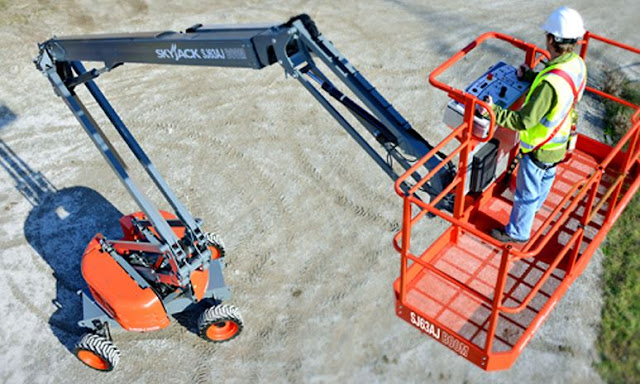
Have you reviewed OSHA wind restrictions while working on an aerial lift? 

If not, working on lift in windy weather can pose dangerous, life-threatening conditions for construction workers. Adverse climate conditions unfavorably impact aerial work platform lifting practices. 

Weather is one of the top priorities to consider during the arrangement, as well as the execution of an aerial lift. There are so many statistics of fatalities, injuries, and deaths caused by working in these windy conditions, and one of the main culprits of construction site accidents is the unpredictable event of flying dirt and debris during a high wind gust. 

OSHA considers winds exceeding 48.3 km/hr or 64.4 km/hr if the work involves material handling that can meet this criterion unless you take precautions to protect yourselves from the hazardous effects of wind. When winds are dominant, it is advisable to postpone the non-emergency work as it can cause a worker to lose control of the machine, thus be struck by hasty wind or can blow a worker from an elevated location. 

Here Is A Case: Even if the workers are wearing fall protection harness, if they are not provided with the means to secure the anchorage point in windy situations- the result is devastating! So, to prevent unnecessary tragedies and injuries, it is crucial that workers measure their own safety, as well as their co-workers around them. Here's everything you need to know while working with aerial lifts in windy weather: 

Do Not Operate The Lift Beyond The Aerial Lift Wind Restrictions 

Falls are one of the prime causes of injuries and death in the construction industry and are often caused by adverse weather. 

According to the Beaufort Scale of Wind Force, it is recommended not to use powered access platforms if the wind reaches a level 5 on the scale. Level 5 means fresh breeze, and between 18-24 miles per hour. At this level, small trees begin to sway, and wave crests start to form on water bodies. 

Read The Lift's Horizontal And Vertical Reach Limits 

Be sure to go through the manufacturer’s instructions for horizontal and vertical reach limits before you operate the lift. When the reach limit is exceeded, it can cause imbalance and instability to the machinery, especially in windy conditions. 

As a general rule, the higher the lift is elevated, the more careful workers need to be. Also, take into account the weight of the workers and added weight of tools onboard while calculating the overall load weight. Use stabilizers and outriggers to help stabilize the lift. 

Get Aerial Lift Training 

According to OSHA, to address fall protection, aerial lift wind restrictions, and other safety issues – employers need to ensure that the workers have aerial lift certification that shows your employees the importance of workplace safety. 

The operators will get training from the highly-trained aerial lift operators who know the ins and outs of what every employee needs to know. It covers all types of lifts, from telescopic boom lifts to cherry pickers to scissor lifts. You will learn how to perform machine inspections, also recognize and avoid accidents. 

Use Fall Protection Equipment 

Fall protection includes shock-absorbing lanyards and full-body harnesses. Fall protection systems are effective at protecting workers from falling to the ground. 

However, even if the lift has a proper functioning guardrail system and workers are equipped with a full-body harness, OSHA wind restrictions forbid work during winds of speed 30 miles/hour. 

In addition, ensuring the aerial lift is secure and stable is imperative, especially when there is a wind. The positioning includes the place where you position the lift, which involves overhead obstacles like structures, trees, and electrical lines. 

Keep a check on wind conditions while working on aerial lifts. Aerial lift wind restrictions will help you avoid safety hazards and injuries on the job!

5 Reasons for Hiring Professional Electricians

reasons hiring professional electricians hire frugal electrician

Homeownership comes with a lot of extra responsibility and sometimes it can be tempting to DIY when it comes to home repairs. Who doesn't like saving money? Now, when it comes to something as finicky as electricity it is better to be safe than sorry.

Queue in professional electricians - there is a reason they went to school to learn how to stay safe and keep everyone else safe. Even if you are daring enough to DIY there are reasons why hiring a pro is a better option. Keep reading for 5 reasons why hiring a professional electrician is the best route to take.


1. Experience

This is a big reason for hiring professionals to take care of your electricity. Any field that requires schooling - there's a reason for it. Hiring someone with experience will save you time, which is also your most precious commodity. 

Having a professional electrician take care of your electrical issue or concern you will tap into their experience. Some electricians have decades of experience under their belt, which you can't beat. 

Make sure yo check out the company and do your research to see how long they have been in business and if there are any negative reviews.

If you weren't aware 200 amps of electricity is enough to kill a person and guess what? This is how many amps most homes have coming into their service panels. 


2. Safety

Electricity can be very dangerous, especially if you have no idea what you are doing. As mentioned before the pros have hours of experience under their belts which means they know the best ways to stay safe and keep your home safe. After all, this is what they went to school for.

They are equipped with the knowledge to take the necessary steps to make the work area safe. They know if they have to turn off the main power, and what safety equipment to wear. 

Because they are taking care of the job correctly this means that in the future you won't have the risk of electrical shocks, or electrical fires because the job was not done correctly the first time. Future safety hazards is important to take into consideration.


3. Permits

Calling in the pros will save you some time and headaches in the permits department. Depending on your project you might not be aware that you have to pull a permit in order to legally do what you intend to do in your home. Different counties and zones have their own requirements and laws that its residents must abide by.

While you may not need permits for most DIY projects such as changing your backsplash, electricity might require a permit. Some projects might also require an inspector as well to make sure that the permit can be obtained. A local electrician will have the knowledge of what steps you need to take to make sure you are in compliance with the requirements in your area.


4. Save You Money

Believe it or not, you can save money by calling the professionals. When you tackle a DIY job typically there's a lot of trial and error involved. Trial and error with electricity can cost you thousands of dollars if you don't know what you're doing. 

A simple fix can quickly escalate into a major financial curveball. Anything can happen if you don't know what you're doing. From damaging your electrical system to frying your power, it can end up costing you more money in the long run.

Not all electricians are out of budget you can find an affordable electrician in your area with a little bit of research. Don't attempt DIY, where you end up blowing something by accident and then have to pay for the professional, plus the original fix, plus the new issue that you created.

Save yourself money by calling the pros the first time around.  


5. Troubleshooting

Have you ever tackled a project where you go through hours of troubleshooting to finally arrive at the solution with your last option? Sometimes this can happen with our vehicles or when we are trying to fix something small. You can avoid troubleshooting for hours when it comes to your electric issue by hiring a professional.

A professional electrician will come with the knowledge of what to troubleshoot first. They have an understanding already of how electrical systems work, therefore they will spend way less time troubleshooting that you will. In most cases, they will quickly find the root of the problem and solve it with fewer headaches and less stress than it would take you to figure out the issue and then attempt to fix it. 

Avoid wasting time troubleshooting something that you do not have much experience with or understand very much.


Ready to Call the Professional Electricians to Do the Job?

As you can see there are many benefits to hiring professional electricians. Now that you know the reasons above are you ready to stay safe, keep everyone else safe, and have peace of mind? Knowing that the job is done correctly will save you stress in the future.

There is no reason to get in over your head with this type of DIY project. Electricity is not like refinishing a table or experimenting with paint colors. It's an important piece of your home and you want it taken care of correctly by a professional electrician.

Did you enjoy this post? Please don't forget to bookmark our site to never miss our latest posts on home improvement, real estate, property management, construction, and more! 

Want to Build a Neighborhood? 4 Tips for Choosing the Right Location

how to build a neighborhood choose right real estate property location

Are you a property developer? Are you a real estate investor?

New home sales in the United States are on the rise. Last year, sales increased a whopping 28 percent as compared to the previous year.

As a property developer, this is exciting news. A thriving real estate market means your properties will not only find buyers but also buyers willing to meet your pricing.

However, just because the market is thriving doesn’t necessarily mean you’re in for the big bucks. You must get the basics right, such as choosing the right location, especially when you want to build a neighborhood.

In this article, our focus is on real estate property location. Continue reading to learn how to get your property location choice spot on.


1. Proximity to Great Neighborhoods

When your plan is to build an entire neighborhood from scratch, you’re looking at buying vast tracts of land and then setting up a community. You’ll build hundreds of homes, social amenities, and other facilities.

Regardless of how marvelously you develop the estate, it won’t amount to much if it isn’t located close to other great neighborhoods. Usually, in such neighborhoods, there are good schools, hospitals, and other facilities that attract residents.  

As such, when looking for the right location for your residential project, ensure the nearby neighborhoods are well-established.


2. Physical Security

Nobody wants to live in an area that has a high rate of burglaries, muggings, and other insecurity incidents. When insecurity becomes a big problem in a certain neighborhood, residents start moving out in search of safer places. As a consequence, property values drop.

Therefore, be sure to consider the general security of an area before making a decision. Although it’s hardly possible to have crime-free communities, your ideal location should have a strong reputation for safety. This is a major consideration for potential home buyers.


3. Building Regulations        

State and local authorities develop and enforce a wide range of building codes or construction regulations.

As a developer or builder, you must adhere to these regulations. When you want to build a neighborhood, you must get approvals from the relevant authorities before you can begin the physical work.

You want to put up your development in an area with friendly construction regulations; areas where there isn’t a lot of government bureaucracy. Imagine waiting for several weeks to get a building permit. Frustrating, right?

Developing a neighborhood isn’t a light project. You need to hire legal experts who will comb through building codes in various locations and help you find a location where the law is favorable.


4. Access to Target Market

You can build a neighborhood in an ideal location, but if there aren’t enough potential buyers, your project could be a loss-making one.

This is why you need to study the demographics of a location before making a decision. For instance, what’s the average household income in the area?

This is especially important if you intend to get buyers to sign up with your project during the construction phase. You want a location where when you run a home builder lead generation campaign, you’ll get plenty of quality leads.


Build a Neighborhood in the Right Location

It takes a ton of money to build a neighborhood. To make the most of your investment, it’s crucial to choose the right real estate location. With this properties guide, you now know some of the important factors to consider before making a decision. Keep reading our blog for more real estate and property management insights.

New Frugal Finance Blog Posts & Articles