Showing posts with label Eco-Friendly. Show all posts

How Millennials Influence Business Priorities

how millennials buying behavior influence business priorities generation y consumer trends

Millennials, also known as ‘Generation Y,’ have been the subject of heated debates for many years now. These people, born between 1980 and 1998, are a diverse and idealistic generation, unmatched by their predecessors and successors (even Gen Z so far). There are generalizations and criticisms of Millennial men and women with various perspectives, but they can't be ignored by businesses. Their impact is unparalleled in the modern economy and markets.

Many axioms are attached to millennials - from their tolerance level, political beliefs to their sense of entitlement and disconnection from the world. But one substantial thing which does not receive much appreciation is their power to influence the world. With the growth of generation Y and its inclusion in the workforce, numerous industries and sectors have been greatly affected. As millennials stand for a sustainable world and promote eco-friendly products, given their mindset, businesses are now reprioritizing their goals. They are constantly embracing change and innovating their products and services on the behest of this young generation of safeguarding the ecology of this world. 

These groups of young people are usually recognized by their objective of enjoying the best of their lives. They indeed keep on trying a lot of new and exciting things in the pursuit of happiness and fun. Whether they invest in big tattoos, spend their time on making their online dating profiles, or posting their every on Instagram, this generation has a taste for things they follow and enjoy. Nevertheless, today, we will shed some light on how millennials are contributing directly as well as indirectly for the betterment of the world. They are influencing major businesses to review their priorities. How are they actually doing it? Keep reading to know how Millennials are influencing businesses around the world. 

Vape Instead Of Cigarettes 

Most adults are accustomed to cigarette smoking since their adolescent years. Millennials have been a part of this group of chain smokers, but they rather prefer ecofriendly products, like vape pens and e-cigarettes. They come with a range of flavors and vapors laced with nicotine. If you have not tried this as of yet, then you might want to see for yourself. 

A vape will stimulate the idea of smoking with lesser risk to your body, lungs, and the environment, of course. Millennials should have no trouble using a vape pen to see if they can replace it with their daily cigarette as it comes with a reduced cost and less significant damage to their health. 

Trend Of Reuseable Straws 

Reusable straws are another eco-friendly alternative that millennials are passionate about. Not only are they a great way to reduce plastic waste and its accumulation, but there are thriving markets that are using this idea to come up with innovative products. 

Millennials enjoy plastic straws because of the ease of the stainless steel and the safety that comes with it. Besides this, glass straws are another popular choice that millennials are replacing with plastic ones because they are easy to clean, and they also give a unique look to your cutlery. 

Recycled Clothing Items 

Millennials avoid purchasing clothes from brands that produce a lot of waste and damage the environment. Recycled clothing is a business venture that this generation has invested in and worn for themselves. Not only do these materials prove to be sustainable in the manufacturing process, but with the limited use of chemicals and water, they are a booming industry for young millennial shoppers and their changing lifestyles. 

Electric Cars 

While there is a constant mockery surrounding the financial instability of this generation, they are prone to giving their attention to good causes. With the advent of electric cars that ensure that energy and water are conserved in the manufacturing process, millennials are going out of their way to purchase their own vehicles. These cars have recyclable fabric for their seats, reinforced plastics for the body of the automobile, and produce close to zero emissions while driving. 

Millennials also fancy these cars because they can be recycled later on once their time of use is over. Thus, adding to the efficient management of sustainability. 

Biodegradable Waste Bags 

If you are someone who has a lot of pets at home, you probably go through a lot of polythene garbage bags. These waste bags and their constant use is harmful because of their non-biodegradable nature. Millennials are fond of both pets and sustainability; therefore, they are investing in biodegradable garbage bags. While their animals create waste, they simply clean it up and cause no damage to their surroundings. 

It is also a matter of pride that the activism of these millennials pushed many governments around the world to ban the use of plastic shopping bags. The old manufactures of polythene bags are mostly revamping their firms now to produce biodegradable bags for a sustainable future. 

Buying Ethically Sourced Coffee 

It is no secret that millennials drink a lot of coffee. The same can be said for baby boomers and Generation Z. But millennials like to follow a new path in this aspect as well. They are trying out something new, instead of heading off to local Starbucks for a store-bought cup, they are seeking out cold brews and ethically sourced coffee beans. Not only do they taste better than pre-packaged coffee options, but they are sustainable and gourmet products that add to the fun of the beloved beverage. 

Bottles And Cups For Multipurpose Use

As mentioned before, millennials enjoy their token beverages. But with this luxury, comes the fear of leaving excessive plastic waste behind. This is why bottles and cups are being made for multiple uses for these young individuals. These new stylish cups and containers match the aesthetic and look of your favorite Starbucks cup but will be prepared from a safe material, like silicone. Besides this, plastic bottles are being replaced with stainless steel alternatives, for long-lasting use and for the protection of environmental resources. 

The Bottom Line On Millennials & Businesses

While the millennial generation is considered to be entitled and superficial, there is a common misunderstanding surrounding their lifestyles. As more and more young people engage with social and environmental issues, millennials will soon be at the forefront of new business growth and opportunities. With their interests and preferences reaching new markets, it can be seen why sustainable products and their use in daily life have been given such limelight to prosper and thrive. Only time will tell how Generation Z compares as they start impacting business even more.

6 Shopping Tips To Help Save Resources

shopping tips save resources buyer budget frugal hacks

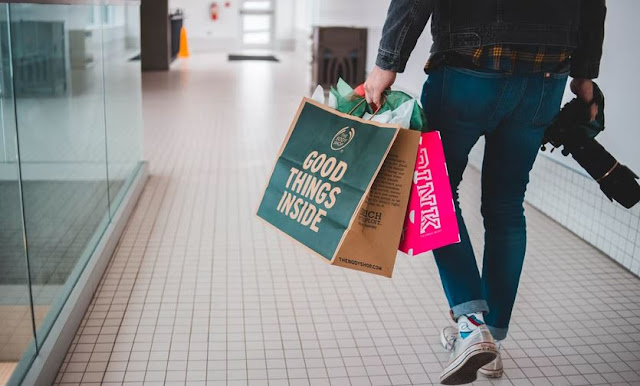
You can shop and have fun but still be sustainable. You must think about the impact of your actions on the environment when you are shopping. 

Here are 6 top tips to help save resources as you shop smarter. 

1. Don’t Buy More Than Your Needs 

Have a checklist before going to a grocery store or buying online. It’s easy to feel overwhelmed when presented with choices. However, if you have a list, you can stick to it. You will only purchase what you need. It prevents potential waste. 

It also helps you save more money, which is always helpful these days. 

2. Bring Your Recyclable Bag 

You can bring your own bag to pack the items you shopped for. It doesn’t take much to bring these bags. You can also keep as many items as possible using these bags. We already face overwhelming issues with landfills these days. With single-use plastic, it’s only getting worse. Therefore, you can help prevent pollution when you bring your bag. 

Since you are already recycling plastic, you can also consider metal recycling. You might have scrap metals that are worth recycling. Work with reliable recycling companies to ensure that these materials don’t become waste. Creating new metals from recycled materials is cheaper and requires lesser energy than making new ones. 

3. Partner With Sustainable Online Shopping Sites 

If you prefer buying items online, you should choose sustainable options. Some companies have sustainable practices. Patronizing them allows you to contribute to environmental conservation indirectly. 

You also help put pressure on companies that are yet to follow these practices. 

4. Reduce Online Deliveries 

There is nothing wrong with buying online. During the pandemic, it was even more critical to buy online to prevent the spread of the virus. However, it helps if you buy everything you need from the same store and do so once a week. Reduce the number of deliveries to help save the environment. The number of trips will decrease, but companies will still profit. 

You can also save money since you don't have to pay delivery fees frequently. 

5. Avoid Impulse Buying 

Again, it helps to have a checklist before heading to a store. Impulse buying will lead to waste. You will bring home things you don’t need. They might look good when you’re in a store, but everything is different upon opening the box at home. 

Impulse buying also hurts your financial resources. 

6. Consider Used Products Or Buy From Second-Hand Stores 

Another way to recycle is by patronizing recycled products. You can buy pre-owned items. You will still get what you need by salvaging things that could have ended up in the trash. Besides, you can also save money by purchasing these items. 

Be patient and find valuable items. You will be surprised at what you can see as you shop around. 

Shop Smarter And Sustainably

We have limited resources, and our shopping habits can affect them. These product purchasing tips aren’t too difficult to follow, and you can also save money by doing them. 

There are no downsides to these sustainable shopper practices, and they are worth doing. Every little bit helps!

7 Eco-Friendly Ideas for a Sustainable Neighborhood

eco-friendly ideas sustainable neighborhood

If you want to make a difference to the planet, one of the best places to start is your own backyard. There’s plenty we can do to make our own homes and neighborhoods more eco-friendly. 

With towns and cities facing major problems caused by pollution, littering, and climate change, there are plenty of issues that are negatively impacting the areas where we live. However, concerned citizens can make a huge difference. 

To learn more, keep reading to find seven eco-friendly ways that you can create a more sustainable neighborhood for your children, friends, and family. 

1. Start a Community Garden 

A useful and fun element in sustainable neighborhood design is community gardens. Why not start one for your town? 

A community garden can be started on any area of communal land, with volunteers taking turns to tend to the fruits or veggies that you plant. When the produce is ready to harvest, you could sell it at a local market, split among volunteers, or donate to vulnerable members of your community. 

A garden is a delicious way to enjoy fresh, local produce, without needing to depend on big chain grocery stores, which often ship in produce from thousands of miles away. This is no good for the environment, as you want to eat local food as much as you can. 

Gardening is also a fun way to teach kids about sustainability and nutrition. 

2. Encourage Sustainable Transportation 

Eco-friendly neighborhoods discourage residents from driving everywhere, as pollution is no good for the planet. Instead, encourage residents to take public transport, bike, walk, or drive electric vehicles. 

If your town can afford it, installation vehicle charging spots in town is a huge incentive for people to ditch fuel for good. You can find out more about EV charging station costs here. 

You can also lobby the town government to add more bike lanes or sidewalks, making it easier for people to get around safely. 

3. Shop Local 

An easy way to be more sustainable is to shop local and encourage others to do so. Supporting local businesses creates jobs, keeps money in the community, and helps the town thrive. 

Many local businesses are forced to close down to chain shops coming to town, which can offer lower prices. However, this isn't always helpful for the community. 

Why not organize a local business week, highlighting local businesses, restaurants, or services on social media? This can help residents discover exciting businesses that they can support. 

4. Form an Environmental Committee 

To help advocate for sustainability in your town, think about starting an environmental committee. A group of passionate citizens can come together to work with local or state government, helping to get funding for new initiatives. 

There are also plenty of free ways the committee can help encourage green choices, such as helping with e-recycling days for electronic waste or free workshops to teach kids about the environment. 

There’s power in numbers, so a committee can often achieve much more than an individual can do on their own. 

5. Create More Green Spaces 

Your neighborhood is sure to benefit from increased green spaces. Green areas, like playgrounds and parks, can have a huge impact on your town. 

They protect biodiversity, improve air quality, reduce noise pollution, and can even help mitigate extreme weather events like heatwaves and flooding. 

If there are any other run-down or abandoned parks in your town, grab some volunteers and bring them back to life! Everyone in the community can appreciate green spaces, especially those who live in apartments with limited access to gardens and fresh air. 

Encourage your residents to spend more time enjoying the outdoors by developing more green spaces, if you can. 

6. Organize a Clean-Up Day 

Eco-friendly neighborhoods can organize a neighborhood clean-up day to keep their community looking its best. Trash is no good for the environment, as it can often end up in streams, backyards, or wildlife habitats. 

Plan a Saturday morning where everyone can come together for a few hours, picking up trash from parks or local areas. Then, sort out the recycling and make sure everything is disposed of properly. 

It can be a fun and meaningful way to spend time with your neighbors and also help keep your community cleaner. Just be sure to thank your volunteers after with coffee and donuts! 

7. Set Up Public Recycling Stations 

Have you ever walked through a city and ended up throwing a recyclable item in the trash because there were no public recycling facilities available? Unfortunately, it happens often and means that lots of recyclable items don’t get recycled. 

Talk to your town government about installing public recycling bins, which will encourage people to recycle more. Just make it clear which can is for trash and which is for recycling, so people choose correctly. 

While there will be a small cost to the town to make the changes, it will make a huge difference over time when it comes to sustainability. 

Start a Sustainable Neighborhood Today 

If you want to live in a greener, healthier town, there’s plenty you can do! Use the ideas above to think about how you can create a more sustainable neighborhood. 

With the help of friends and neighbors, work together to make the changes you want to see. It may take some time, but the result is a community that’s biodiverse, clean, and sustainable. 

Get started today and be the catalyst for change that your community needs! 

Was this article on sustainable neighborhoods helpful? If so, please keep reading to find more interesting blog posts on sustainability.

9 Effective Ways To Be More Sustainable

how to be more sustainable eco-friendly actions green tips sustainability strategies recycling reuse

Did you know that to have the best chance of avoiding a global temperature increase of 2°C (which is around 35°F), the average global carbon footprint must drop below 2 tons per year? 


Currently, the average carbon footprint of a U.S. resident is 16 tons. That can make a drop to 2 tons seem wildly unrealistic, right? 

There are actually a lot of ways you can reduce your carbon footprint and live more sustainably! So, which little changes can you introduce into your life? 

We're here to fill you in on sustainability strategies! Keep reading below to learn 9 ways to be more sustainable! 

1. Buy Locally 

Buying locally is a wise option because you'll know exactly where your food and goods are coming from. Additionally, it's more sustainable because it cuts out the energy it requires to transport goods from their place of production to their retail location. 

2. Ways To Be More Sustainable Through Your Clothing: Earth-Friendly Shoes 

By choosing sustainable footwear you can help reduce your carbon footprint—both figuratively and literally! It's important that you choose brands that utilize earth-friendly practices, such as using recycled or biodegradable materials and sourcing their products responsibly. 

3. Ditch The Plastic Bags 

In 2017, the U.S. generated over 35,000 tons of plastic waste. Only 2,960 tons of that were recycled. 

One of the easiest ways to be more sustainable is by stocking up on reusable tote bags to keep on hand for shopping trips. Keep a few in your car, and you'll no longer have to use the plastic bags stores offer! 

4. Reduce Your Miles: Alternative Transportation 

A great way to carry out a more sustainable lifestyle is by cutting down your car usage. By finding alternative modes of transportation, such as the bus or bike, you're reducing car emissions. If your route requires a car, consider carpooling with coworkers or friends instead! 

5. Cut Down On Your Paper Consumption 

Did you know the equivalent of nearly 270,000 trees is flushed or dumped in landfills worldwide every day? 

About 10% of that figure is attributed to toilet paper. Switching to a recycled toilet paper is an easy way to make your paper product consumption more sustainable. You can also get recycled tissues and paper towels. 

If you want to cut out paper towels altogether, you can switch to washable rags! 

6. Be Thrifty: Shop At Secondhand Stores 

Buying clothes at thrift stores has become trendy the past few years, but you don't have to limit yourself to clothes! Thrift stores are a great place to find home decor, furniture, and houseware. You'll be cutting down on waste production and saving money simultaneously! 

7. Reusable Food Storage 

If you haven't invested in a reusable water bottle yet, you're behind the times! 

Cut the Tupperware out of your life as well by buying reusable food wraps! Reusable food wraps are often made with beeswax, and you can even make your own at home! 

8. Go Digital: Switching To Paperless Bills 

Most companies and landlords allow customers to pay their bills online these days. It's a great way to cut down on paper products and reduce the energy that goes into transporting a physical payment. Going paperless makes a positive impact on our planet.

9. Build A Compost Pile 

Creating a compost pile is a great way to get extra mileage out of food scraps. Not only are cutting down on your waste, but you're also creating hearty compost which you can use in your garden. Compost is a fantastic alternative to store-bought fertilizers, which are often ridden with harmful chemicals. 

Go Green With Smart Sustainability

As you can, there are plenty of ways to be more sustainable. Many of these changes are easy to make, and you'll hardly notice the difference in your daily routine after a while! All of the small sustainability strategies will add up to a big impact on our environmental health.

New Frugal Finance Blog Posts & Articles