Showing posts with label Credit Cards. Show all posts

Guide To Poor Credit Borrowing Solutions

poor credit borrowing solutions

Are you feeling trapped by the limitations of a poor credit score? Don't worry, because we are here to tell you that there is hope even with low credit scores! In this comprehensive guide, we will unlock a world of opportunities for those with less than perfect credit. Whether you are looking to borrow money or improve your credit score, we have got the solutions you need. 


So let's dive in and discover how to turn your financial situation around. Welcome to the ultimate guide on poor credit borrowing solutions! 

What Is Poor Credit? 

Poor credit refers to a situation where an individual has a low credit score, typically below 600. It is usually a result of late or missed payments, high credit card balances, or even bankruptcy. Essentially, it means that lenders consider you to be a higher-risk borrower due to your past financial history. 

Having poor credit can have far-reaching effects on various aspects of your life. It makes borrowing money more challenging and expensive. Traditional lenders such as banks are hesitant to extend loans to individuals with poor credit because they perceive them as unreliable borrowers. 

Additionally, poor credit may impact your ability to rent an apartment or get approved for certain utilities like phone contracts or internet services. Landlords and service providers often check credit scores before making decisions about potential tenants or customers. 

Moreover, insurance companies might charge higher premiums for those with poor credit since they believe there is a correlation between low credit scores and increased likelihood of filing claims. 

In short, poor credit can limit access to various financial opportunities and negatively affect your overall financial well-being. However, fear not our financial friends! There are borrowing solutions available specifically designed for individuals in this predicament. Let's explore what options you have when it comes to borrowing with poor credit in the next section of our guide. 

The Effects Of Poor Credit 

Poor credit can have a significant impact on various aspects of your financial life. It goes beyond just being denied loans or credit cards. The effects of poor credit are far-reaching and can influence your ability to secure housing, employment opportunities, and even insurance coverage. 

When you have poor credit, it becomes challenging to find landlords willing to rent to you. Many landlords conduct credit checks as part of their screening process, and a low credit score may lead them to believe that you are not reliable when it comes to paying rent on time. 

Employers also consider an individual's credit history during the hiring process. They may view poor credit as a reflection of irresponsibility or lack of financial stability, which could affect their decision to hire you over other candidates. 

Insurance companies often use credit scores as one factor in determining premiums for auto or home insurance. Poor credit could result in higher insurance rates or even denial of coverage altogether. 

Additionally, having poor credit limits your access to favorable interest rates and loan terms. Lenders see individuals with low credit scores as high-risk borrowers, resulting in higher interest rates and stricter repayment terms. 

The effects of poor credit extend beyond just financial difficulties; they permeate into many areas of your life like housing options, employment prospects, and insurability. 

Borrowing Solutions For Poor Credit 

When you have poor credit, traditional lending options may seem out of reach. But fear not to you frugal few! There are borrowing solutions available to help you in your time of need. 

One option is a secured loan. With this type of loan, you use collateral such as a vehicle or property to secure the funds you borrow. This gives lenders more confidence in approving your application, even with a poor credit history. Or in market you can go for a credit loan poor credit borrowing solution also. 

Another solution is a co-signer loan. If you have someone with good credit who is willing to vouch for you, they can co-sign the loan and take on responsibility if you default. This reduces the risk for lenders and increases your chances of approval. 

If securing a conventional loan proves difficult, there are also specialized lenders who focus on providing loans specifically for individuals with poor credit. These lenders understand that everyone deserves access to financial assistance when needed. 

Additionally, exploring alternative lending options like peer-to-peer lending platforms or online installment loans can be beneficial. These platforms connect borrowers directly with investors or offer flexible repayment terms that cater to your specific circumstances. 

Remember, while these borrowing solutions offer opportunities despite poor credit, it is important to approach them responsibly and make timely repayments – this will gradually improve your credit score over time! 

Don't let past financial mistakes hold you back any longer - explore these borrowing solutions today and unlock new opportunities! 

7 Tips For Improving Your Credit Score 

Having a poor credit score can be frustrating, but the good news is that it is not permanent. With some effort and dedication, you can improve your creditworthiness over time. Here are seven smart strategies to help you boost your credit score: 

1. Pay Your Bills On Time: One of the most crucial factors in determining your credit score is your payment history. Make it a priority to pay all of your bills on time every month. 

2. Reduce Outstanding Debt: High balances on your credit cards or loans can negatively impact your credit score. Aim to reduce these balances by paying more than the minimum amount due each month. 

3. Limit New Credit Applications: Applying for numerous new lines of credit within a short period may raise concerns about financial instability and lower your score. 

4. Keep Old Accounts Open: Closing old accounts might seem like a good idea, but it can actually hurt you in terms of length of credit history and available credit. 

5. Monitor And Dispute Errors: Regularly review your credit report for any mistakes or inaccuracies that could be dragging down your score, such as incorrect personal information or fraudulent activity. 

6. Diversify Types Of Debt: Having different types of loans (e.g., mortgage, car loan) shows lenders that you can handle various financial responsibilities responsibly. 

7. Improve Overall Financial Habits: Building an emergency fund, creating a budget, and practicing responsible spending habits will positively impact both current finances and future borrowing potential. 

Credit Borrowing Conclusion 

In a world where credit is an essential tool for financial growth and stability, having poor credit can feel like being locked out of opportunities. However, it is important to remember that there are borrowing solutions available even for those with poor credit. By understanding what poor credit is, the effects it can have on your life, and the steps you can take to improve your situation, you can unlock new doors and pave the way toward a brighter financial future. 

Poor credit refers to a low credit score resulting from past financial missteps such as late payments or defaults on loans. This negative history makes lenders hesitant to extend credit to individuals with poor credit scores. The effects of poor credit can be far-reaching and impact various aspects of your life. It may make it difficult or more expensive to borrow money for large purchases like homes or cars. Additionally, landlords may be reluctant to rent properties to those with poor credit, making finding suitable housing challenging. 

Fortunately, there are borrowing solutions tailored specifically for individuals with poor credit. One option is seeking out specialized lenders who offer loans designed for those with less-than-perfect credit histories. These lenders understand the challenges faced by borrowers with poor credit and are willing to work with them by offering higher interest rates or requiring collateral. 

Another option worth exploring is obtaining a secured loan using collateral such as a vehicle or property that you own outright. Secured loans provide some assurance for lenders in case of default since they have the ability to repossess the collateral if necessary. 

Additionally, improving your credit score should be a priority when dealing with poor credit borrowing solutions.

Top 5 Tips for Taking Out a Loan

money tight top tips taking out a loan get loans approval

It happens from time to time. Sometimes things happen in life, and money can get tight for various reasons. 

Luckily, you have options available to you to help get you through tough times. 

Each year millions of individuals take out personal loans to help consolidate debt or pay for other expenses, among other things they might need money for. 

Taking out a loan can be difficult if you are new to the process. Keep reading this guide to taking out loans and discover five tips to help you get your money.


1. Credit is Everything 

Before taking any steps, it is essential to know where you stand in terms of your credit score. Your credit score will determine things like your interest rate, among other important factors. 

According to Experian FICO score ranges, a credit score of:


300 - 579 

Considered very poor. Individuals with this credit ranking are in the bottom percentile of borrowers. They may have to pay additional fees, and may not be approved for loans.


580 - 669

Considered fair. Individuals with this credit ranking are still regarded as subprime borrowers.


670 - 739

Considered good. Individuals with this credit ranking are less likely to miss payments and fall behind.


740 - 799

Considered very good. Individuals in this credit score range will likely receive better rates.


800 - 850

Considered exceptional. Individuals within these credit score ranges will see optimal rates from lenders.


2. Research Your Options

After determining your credit score, its time to research your options to determine what type of loan is best for you. 

It is essential to keep in mind that every time you apply for a personal loan, it will negatively impact your credit score. With that being said, it is recommended you put in the work before applying and researching your options. This is one of the most important steps to taking out a loan, as it can save you time and money.


3. Don't Overlook the Fine Print

As with any contract, you must look over the fine print to ensure that you don't have any surprise fees.

When looking over the fine print, look for any penalties that you might incur for a number of reasons. 

You should also look for any beneficial points in the fine print like 

  • Flexible payment options 
  • Direct payment to creditors 
  • And benefits for paying early

Make sure you read through the entire fine print and ask your lender if you have any questions.


4. Repayment Options

Reviewing your repayment options is one of those most vital steps to taking out a loan. Unforeseen events happen from time to time that could set you back and could make it difficult to make payments on the loan.

That is why its recommended to look over your repayment options before signing to determine things like 

  • Can you adjust the terms 
  • What kind of penalties will incur

Also, consider looking into an installment loan for a fast and easy repayment plan.


5. Documentation

After selecting a lender that fits your needs, there are specific documentation you will need to provide, including

  • Proof of income 
  • Address verification 
  • And identification 

Keep in mind some lenders may require additional documentation, but these are essential when applying for a loan.


Considering Taking out a Loan? 

Taking out a loan can be an excellent idea for individuals looking to consolidate debt, further their education, pay off medical expenses, etc. Just make sure you are doing your due diligence when it comes to finding a lender to ensure you get the best rates.

For more informative articles regarding finance, check out the rest of our site! Visit the Loans section of the Frugal Finance Blog right now for more tips and advice on taking out a loan today.

6 Risks Of Business Loans And Financing

risks business loans financing fiscal fitness

Like most things in life, business finances are also very uncertain. It doesn’t necessarily mean that the functional operations of a company may go as per you initially planned. A perception regarding people in business is that the owners throw away cash as if they have a money- printing-facility in the office. 

Cash flow is the central aspect of a business that resorts them to take a business loan for funding purposes. While there are lenders available for financing options, there is always some risk involved. It is essential to keep these into consideration while applying for a business loan or new company funding. Here we are sharing six risks associated with a business loan and financing you need to focus before taking the step. 

The 6 Risks Of Credit For Businesses


1. Banking Risk 

Whenever a loan credit gets carried out, the banker takes the chance that the borrower will pay the amount back. In this way, the bank undertakes a risk of interest rate, which is subtle but present nonetheless. This risk represents the possibility that the bank has priced the rates incorrectly, whether it is the fault on the bank’s behalf or due to marketplace changes. If it turns out that payments are not enough to cover the deposits. The bank is on the verge of profit failure. 

2. Borrowers Risk 

As risks are relative to everyone, borrowers are likely to subject. A borrower gets a loan for a reason if presented logically. The borrower, in this sense, has a risk that is on the return of investment. If the ROI is too low as compared to the cost of loan borrowed. Then this will be a financial disaster for them. The most significant risk that a borrower faces is that if something goes wrong with the investment. They might not be able to pay back, putting more strain on the borrower’s financials. 

3. Having To Pay Additional Interests 

Taking a loan can be hard, but spending is easier. However, making payments on due time is the challenge. High-risk lenders and borrowers need to know the risks associated with business loans and financing and devise their payment plan accordingly. While there is no problem in making timely payments, however, if you miss even one payment, it will incur a penalty in the form of additional interest. An occasionally missed amount might be recoverable, but a continuous cycle will put a strain on the financials and will put your business in financial danger. 

4. Damaging Credit Score 

Your credit score tears itself if you do not pay on time. It is simple as that - to keep your credit score on the positive side and avoid such a scenario. You must be sure to make your monthly payments on time. While it looks tempting to use the loan amount to make investments early on, it is a wise decision to calm down and smartly use that borrowed amount. An impulsive expenditure will not only make your credit score look bad. However, it will also give your business a bad reputation in terms of financials. 

5. Borrowing More Than You Can Repay 

Sure, going through all the financing process and getting loan approvals is the more accessible part. The hard part comes when you have to make sure to process on time. It is possible when you know the limits of your revenues and expenses. If you borrow the amount, more than your business makes, with the idea that injecting it will do the business, prosper. Then you are at the end of a burning rope. Knowing the limits of your business finances is the key to ensure that the loan borrowed is under your control. 

6. Difficulty In Getting Finances Or Loans For Future 

An associated risk for a borrower is the difficulty in getting future loan approvals. It might be due to any of the reasons like late payments or poor credit scores. If you are an avid loan borrower, you know that your financial history is essential for future approvals. To get approvals for future loan chances, be sure to keep your financial record clear and avoid any commotion. 

Proceed With Caution On Business Loans And Financing 

It may seem tempting to take a business loan to keep your business operations in a cycle. However, there is no denying the risks associated with it in any way. Most of the time, borrowers ignore such risks thinking they will cover it. It turns out their instincts were wrong on many levels. You take a loan for several reasons, be it personal or business-related. 

You know the risk associated, in case you fail to deliver the payments on time. Take your time, research thoroughly, and then decide whether loan financing is the only option for you. Make the leap if you understand the risks associated with business loans and financing and the pros outweigh the cons.

A Brief History Of Credit Card Payments

history of credit cards diners card

Credit cards are a godsend that we often take for granted. Since their inception, we no longer have to carry a heavy wallet around full of cash or coins. Now, this small piece of plastic barely the size of a one-dollar bill can hold up to thousands if not, hundreds of thousands of dollars. 

Credit cards are so common in fact, that it is quite hard to imagine a life without them. You can buy pretty much anything you want with them. From your weekly groceries to all sorts of online transactions. 

However, you might wonder how to credit card we know of today got to be. With that being said, let’s take a look at its history, and see how it was actually created. 

The Beginnings 

Believe it or not, the whole idea of credit card-like payments dates all the way back to the ancient era. The Mesopotamians used to conduct trade with other civilizations, by using certain clay tablets, that were supposed to replace the circulation of massive amounts of copper coins between them. 

Moving all the way up to the 1800s, American merchants used the so-called credit coins, or charge plates to farmers, serving as a promise that the pay will be delivered once the crops are harvested. 

The Diners Club Card 

However, a close resemblance of the credit card we know of as of today was invented in the year 1950. It all started when a client having his dinner at New York’s Major’s Cabin Grill realized that he forgot his wallet. Out of frustration, he cooked up an idea that won’t let this happen again. A few months later he invented the first form of the credit card. A small cardboard card by the name of Diners Club Card. Just a year later, this card managed to attract up to 20.000 users. 

The First Plastic Card 

Just a few years later, in 1958 the first true credit card was introduced by The Bank of America. Although it was initially made of paper, it soon took its famous plastic form. The card had a spending limit of 300$ and was largely accepted by merchants. 

The Magnetic Stripe 

We all know of the black stripe that covers a part of the back of our cards. It was actually invented in the early 1960s, by an IMB engineer called Forrest Parry. At first, the magnetic stripe was used to hold details of CIA identity cards, but it was later adopted as a standard for payment cards in 1969. 

The Rise Of Online Payments 

Believe it or not, the online payment system was first brought to life by online movies. It all started in the late 90s when a movie business was looking to boost their profits. The idea they came up with, was to charge its clients via an online subscription. This idea soon took off, and many other similar businesses followed suit, giving birth to the online payment system we know today in 2025

The New Millennium 

The early 2000s represented an important time for credit cards. New technologies surfaced which boosted the evolution of them. For example, in 2002, Bank of America introduced a new card, smaller in size, perfect for attaching it to a keychain. 

Later, in 2003 MasterCard came up with contactless technology. Which, just like today, allowed you to hover the card over the payment terminal. 

Shortly after the introduction of smartphones, mobile wallets became a thing in 2008. Credit card payments could now be made via smartphone, and that has changed the game going forward in 2025.

Simple Ways To Reduce Financial Stress

ways to reduce financial stress

Money concerns can cause huge amounts of stress and anxiety. Too much stress can have a damaging effect on your health and wellbeing and lead to numerous medical issues, including anxiety, depression, and high blood pressure. For that reason, you must learn to manage your finances and deal with financial concerns such as debt effectively. To help, here are some simple ways to reduce financial stress: 

Have A Financial Plan 

Creating a financial plan will help you take back control of your financial situation and manage money stress in a healthy way. Your plan should clearly outline your short-term and long-term financial goals. Examples of this are to build a retirement fund, clear outstanding debt, or save for a house deposit. You then need to determine how you are going to achieve these goals. For instance, you could increase the monthly contribution that you make to your employer’s pension scheme. 

Your financial plan should also involve creating a realistic monthly budget that outlines all of your incomings and outgoings. Make an effort to stick with your budget and avoid spending more money than you have. Overall, having a financial plan will help you organize your finances and manage your money more efficiently. 

Adopt Frugal Living Habits 

The concept of frugal living has become extremely popular in recent years. According to experts, frugal living is about being aware of your spending and focusing on your financial priorities. Fortunately, there are endless ways to live frugally without sacrificing your quality of living. For instance, you can easily save money by buying clothes and accessories in thrift stores rather than purchasing new items from large clothing stores. You can significantly reduce your household costs by becoming more sustainable and being conservative with your energy use. 

You should also try to choose low-cost and budget-friendly experiences, i.e., watch a movie at home rather than paying for a movie ticket. When you do make purchases, online coupons and vouchers can help you save money and stick to your budget. For example, coupons can save you hundreds of dollars on supplies over time. Look at your current spending and try to adopt frugal living habits that will allow you to spend less and save more. This will help to improve your financial situation and alleviate any financial stress or anxiety. 

Have A Plan To Repay Debt 

Most people have to borrow money at some point in their lives. This may involve taking out a mortgage to buy your first home, applying for a student loan to fund higher education, or using a credit card to pay for an expensive product or book a vacation. Having some debt is normal, but being in large amounts of debt can harm your mental wellbeing and be a major cause of stress. With that in mind, you must have a plan in place to repay any outstanding debt as soon as possible. If you are managing multiple debt repayments, you should consider consolidating this into one convenient monthly bill. This will make it easier to manage your finances and ensure that debt payments are made on time.

Debit Cards Vs Credit Cards Pros And Cons

debit cards vs credit cards

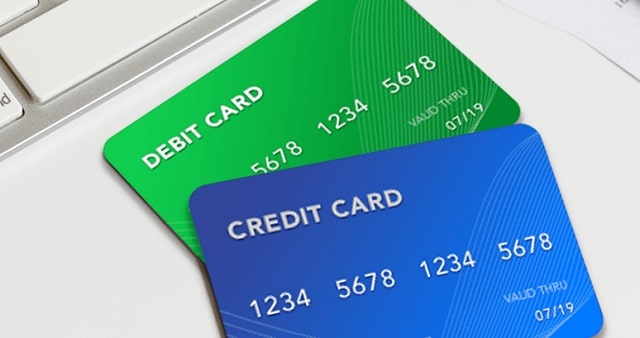
While they look the same, credit cards and debit cards trigger different mechanisms, some of which can cost you more money. While debit cards draw from your bank accounts, credit cards pull from a line of credit. As a result, credit card purchases can be more expensive under certain circumstances. 

However, that is just one consideration of debit cards vs. credit cards. Below we will discuss features of debit cards compared to credit cards, with the pros and cons of each payment method.

How Debit Cards Work 

When you make a purchase using your debit card, you are typically asked to verify your identity with a four-digit personal identification number (PIN). The card is usually linked directly to your checking account, from which the money to cover your purchases is deducted. Keep in mind that some checking or savings accounts may have balance minimums to avoid certain fees or restrictions, so paying with a debit card at times could put you at account fee risk. 

Because items are paid for right away, you will encounter no interest charges. However, some banks do charge a debit card fee of up to $2 when you use the card to make purchases. It is a good idea to read the card agreement to determine if this applies to you. 

Other fees associated with debit cards include monthly maintenance fees, out of network ATM fees, overdraft fees (if a purchase amount exceeds the balance in the account to which the card is linked) and the aforementioned transaction fees. 

How Credit Cards Work 

When you make a purchase using a credit card, you borrow against a line of credit. You can make purchases up to its maximum amount, at which point your transaction will be denied (and you will be charged a fee for trying to do so). This same transaction would likely be approved with a debit card — if the account from which you are drawing has overdraft protection. 

On the other hand, credit card transactions are interest-free, as long as the balance is paid in full each month before the grace period ends. With that said, interest rates on credit cards tend to be higher than any other form of borrowing. It is important to be in a position to pay off your purchases in full before interest is imposed upon the transactions. 

“If you are in a position where you find yourself just paying minimum payments every month, you may consider trying a debt payoff plan using the Snowball method, Savvy method or Avalanche method to help you get out of debt faster” says Dave Ramsey.

Like debit cards, a number of fees are associated with credit cards. Among these are annual cardholder fees, foreign transaction fees, cash advance fees, late payment fees, balance transfer fees and the over limit fees we mentioned above. 

These costs can mount rather quickly and are added to your outstanding balance — which is subject to finance charges. Thus, it is in fact possible to wind up owing interest on interest on a credit card bill. As a result, they can get out of hand rather quickly. 

Some people facing major credit card debt and struggling to keep up with monthly payments try to settle these debts for less through programs like Freedom Debt Relief. This process involves negotiating with creditors, trying to get them to accept a percentage of the original balance — the leverage being that there is otherwise a risk of the borrower defaulting on those debts. 

So Which Payment Option Is Best? 

When it comes to debit cards vs. credit cards, the latter can help you establish a financial history, plus they provide superior protection if the card is lost or stolen. Many credit cards also have rewards programs associated with them so you can get free flights, cash back and other incentives. Credit cards can get you extended warranties on certain consumer products and help you acquire something you need in a pinch, without compromising your financial liquidity too. 

On the other hand, you will only spend what you have with a debit card — which mitigates the risk of creating insurmountable debt. While the pluses of a credit card are undeniable, the downsides can be a crippled credit history, outrageous interest payments and never-ending debt. 

You will also encounter fewer fees with debit cards. And some locations like dispensaries will only accept debit cards (as ATM transactions) or cash, with no credit card options or a higher price being required.

Cards Conclusion

Bottom line, if you are good at paying your bills off every month, you will get a lot more benefits out of a credit card — but the risks are higher as well. Decide which paying option is right for your specific transaction or series of monthly transactions.

The Minimum Amount Due On A ICICI Credit Card

minimum amount due credit card statement pay

If you have recently applied for an ICICI bank credit card, this is a must-read. There are a lot of things you need to understand before having the power to buy anything, anytime and anywhere. Credit cards are amazing credit instruments. They give you the ability to fulfill your desires, but they come with consequences and put in a big debt trap. If you have jumped the gun or in the financial jargon, if you have overspent than your credit limit, you might be not able to pay the debt on time and put yourself in debt. 

But that doesn’t mean you have to sacrifice your financial credibility. And this article is all about the same. While there may come a time when you don’t have enough money to pay the total amount due on the card, you can still pay the Minimum Amount Due and protect your credibility from a big blow. It is an amazing system formed by the banks and can save you from paying levied charges so, let's get the learning started. Also, if you want to check ICICI credit card status, you can log in to their official website and see to the details. 

What Is The Minimum Amount Due? 

You don’t need to make a wild guess, the name itself is indicative. It is the minimum amount you have to pay before or on the due date to maintain your card amount. It is a small portion of the principal outstanding every month. 

As for many banks, the amount is calculated as 5% of the outstanding balance. And ICICI bank to follows the same rule. However, it can be higher, if you have bought something on EMI using your credit card or have spent more than your credit limit. Also, it can be due to the outstanding payable amount from previous bills. It is added to your current minimum due amount, thus requiring you to pay at least that amount of money to the bank. 

How Is It Beneficial To You? 

There are many benefits of the Minimum Amount Due, and one of the best one is: on paying MAD or Minimum Amount Due you can avoid paying the late payment fee. Yes, usually the late fee can range between Rs 100 and Rs 1000 depending on the amount and you. So, you can avoid that, however, you still have to pay the interest on the outstanding bill as it is not waived off. 

What Are The Pitfalls? 

Here are certain conditions concerning Minimum Amount Due on ICICI Credit Card to help you understand it further: 

- If you don’t pay the minimum amount due: If you don’t pay the minimum amount due, there are high chances that you will be levied with interest rates, late payment fees, and other charges. There is also a possibility of your card getting suspended due to crossed credit limit than allowed on your credit card. 

Your credit score might also receive a big blow due to you not being able to pay the minimum amount due, causing much delay in getting a loan in the future. 

- If you pay the minimum: At the end of the month that you have crossed your credit limit, the minimum amount due can give you some relaxation. As if you have paid the minimum amount due, you will not require to pay the levied charges due to late payment and others. 

But this doesn’t mean you are off the hook, if you are just paying the minimum amount due on your credit card, you are bulking up a lot of amounts that is due on your card and it will quickly multiply. 

How Is Minimum Amount Due Calculated? 

Minimum Amount Due is 5% of the balance outstanding on the statement date. If you have opted for EMI balance transfer or purchase on EMI, that amount will be added to your Minimum Amount Due. 

If you have an unpaid Minimum Amount from the previous statement it will be added to your current minimum amount due to calculating the Total Minimum Amount Due. 

For example, if the credit card statement is generated on 5th of every month, the payment has to be made by 26th of every month. The interest will be charged 3% per month where the late payment fees of Rs 500 is levied. If there is any EMI or unpaid dues from the previous statement those will be added to the current outstanding bill and hence causing the amount of the minimum amount due on your card to increase significantly. 

How Is Total Amount Due Different Than Minimum Amount Due? 

The differentiation is very easy. The total amount due is equal to the total expenditure made on the credit card in a billing cycle, while the minimum amount due is a small percentage of the total amount spent. 

You can opt to pay the total amount due on your card, you don’t have to pay an extra amount or levied charges. While paying the minimum amount due or any amount more than the minimum amount due will be less than the total amount due that would be charged interest on the balance amount. 

FAQs On ICICI Bank Credit Card Minimum Amount Due 

1. What are the ways to pay the minimum amount due on ICICI credit card? 

You can choose to pay the minimum amount due on the card by net banking, mobile banking applications, ATM fund transfers, over the counter payment, cheque payment or any other option. 

2. What is better: paying the total amount outstanding or paying only the minimum amount due? 

Always try to pay the total outstanding amount on your credit card. If not possible then only try to make the minimum amount due. It is because you will have to pay the interest levied on the balance amount and it keeps growing faster every month varying between 1.75% to 3.5% per month. 

Also, your credit score may take a hit, and you might face difficulties in getting a loan later. Consider it as a convenience, not a shortcut to avoid paying your bills to the bank.

4 Finance Options When Buying A Car

finance options buying a car financing vehicle

When it comes to buying a car, there are many different ways you can finance the deal. Depending on your financial situation, there will be different vehicle financing options that best suit you, and each method has its positives and negatives. 

Buying a new car is generally the second most expensive purchase people make after their house, so it is important to look at the right way to finance it. When you investigate your options, you may find the options you were considering will cost you more in the long run, so it is always a good idea to look at all the options and choose the one that’s going to work out best for you. 

Here are 4 finance options you should look at when you are purchasing a car. 

1. Upfront Outright Purchase 

The obvious first option is an outright purchase, where you pay for the car upfront and in full. This option means you don’t have to pay interest on a loan, and you own the car, allowing you to do with it what you want. 

On the downside, buying your car outright means investing a large amount of cash at one time, and many people don’t have this kind of money lying around. If you do, then you don’t have to worry about paying monthly installments, and all that is left to pay is the day-to-day costs of running your car and servicing it

2. Purchasing Using A Personal Loan 

If you want to own your car outright but don’t want to pay the full price upfront, then there is always the option of using a personal loan to purchase your car. You can use your own money to buy the car and top it up with the amount you want to borrow. 

You can get specialist auto finance from companies like Auto Finance Online, helping you to buy your car outright and pay back the money over a longer period of time. Sometimes you need more cash in the short-term and you will be better off paying it back down the road.

3. Hire Purchase 

Hire purchase is where you pay a deposit on your car, and then pay for the rest of the car in monthly installments over a certain amount of time. Using this option, you won’t own your car until you have paid the last installment. 

These agreements are normally brokered by the car dealership and allow you to spread the cost of purchasing your car over a longer period of time. The obvious downsides being that you pay interest on the money you owe, and you don’t own the car until the last payment. 

4. Personal Contract Hire 

If you don’t plan on purchasing your car, then personal contract hire can be a good option. In this option, you lease the car for a certain period of time, while making monthly payments

You have to be careful to stay within your mileage quota, otherwise you might have to pay penalty charges, and equally, you may have to pay for any damage done to the car, but this option means you avoid issues like depreciation. 

This option is perhaps not as common as some of the others, but well worth looking at nonetheless. Sometimes it pays off to look at unorthodox solutions when you need to finance a vehicle.

How Do Payment Portals Work?

how do payment portals work ecommerce transactions

The global use of online payments will surpass credit and debit card usage over the next four years, possibly even by the end of 2021 or early 2022 due to the Coronavirus pandemic e-commerce impact. Many more businesses shifted to digital payments and ecommerce stores when brick and mortars were locked down or went out of business.

By 2023, approximately 1.31 billion people are forecasted to use mobile payments over a six-month period. Payment portals and gateways adoption is set to double in the US by 2025. 

Accepting payments online is a major feature of many websites, but how do pay portals work? 

This article looks behind the scenes and explains the process of collecting payments online quickly and securely. 

Payment Power

Below you will learn the differences between payment portals, payment gateways, and processors. Find out about the different gateway types and how transactions remain secure. Discover which pay portals target specific industries like health care. And how are payment becoming more frictionless while maximizing safety?

Read on to learn how a payment portal can keep you and your customers safe when paying online. 

What Are Payment Portals? 

A payment portal offers a secure means for customers, clients, and patients to make online payments using their credit or debit card. 

In the growing world of e-commerce, customers add items to their cart and then check-out. The checking-out process is often handled by a payment portal. Customers submit their card details, name, and address, and the portal handles the transaction. 

In the healthcare industry, pay portals act in a similar way to a shopping cart. 

Patients visit their doctor's website or a dedicated page to pay for their procedures and prescriptions. All data gets encrypted to ensure Patient Health Information (PHI) confidentiality. The patient can then view all their past transactions on the secured screen for full payment history. 

Pay Portals and Payment Gateways 

Payment gateways and portals are often used as interchangeable terms. Yet there is a slight difference between these two terms. 

A payment gateway acts as the technology behind the security. It ensures the safe transfer of sensitive information like a credit card number or CVV. 

Gateways also process card payments through a merchant service account. They request authorization from credit and debit card companies and process those results. Once accepted, the gateway returns a successful transaction code that the website can display to the customer. 

Payment Gateways Versus Payment Processors 

Payment processors analyze and transmit transactional information. Yet they don't authorize the transfer of funds between the seller and buyer. 

A payment gateway includes both services. 

Types of Payment Portals 

Three types of payment portals exist for online sellers to accept payments: 

1. Redirect services 
2. Off-site payments 
3. On-site payments 

A redirect service takes the customer from the seller's website to the processor's website. 

PayPal is an example of a redirect service as it processes payments on PayPal.com. Users get transferred and have the option to log in or enter their card details. However, some people find this confusing and abandon their checkout as a result. 

On-site and Off-site portals keep the customer on the seller's website. Instead of being redirected to a third-party site, they enter their card details on a familiar screen. 

The difference between the two is where the processing takes place. 

Off-site payment portals process payments behind the scenes. The payment details get sent securely to a third-party who then returns the authorization status. The seller must use an SSL secure connection, which we'll discuss shortly. 

Large enterprises use on-site payments as they process payments themselves. They have full control over every detail but the system is extremely costly to maintain. 

Integrating Payment Portals 

How do online payment portals work on existing websites? 

Depending on their website platform, online sellers can add a payment portal in a few steps. For example, Shopify merchants can add payment gateways through their Shopify Payments service

They require an Employer Identification Number (EIN) and their bank details. Once added, Shopify lets customers in the US pay by: 

• Visa 
• Mastercard 
• American Express 
• JCB 
• Discover 
• Elo 
• Diners Club 

WooCommerce can integrate with 100 payment gateways by installing the right extension. 

WooCommerce Payments is a dedicated payments service designed specifically for the platform. It's free to install and merchants only pay the transaction fees. 

Wix users must upgrade their site to the Premium Plan to accept payments. 

The admin dashboard offers several options under the 'Accept Payments' tab. From here, they can choose a payment method and click 'Connect' to use them. 

All pay portals integrate with any type of website. Read the documentation and ask for assistance to set things up correctly for web payments. 

Examples of Payment Gateways 

Some common payment gateways include PayPal, Stripe, Square, WorldPay, and Authorize.net. 

Payment wallet processors that target mobile phone users include Apple Pay and Google Pay. Amazon also has its own payment gateway called Amazon Pay. 

Specific Industry Types 

Certain industry types can benefit from specific payment portals that are designed to fulfill a particular task. 

QuickPayPortal is known as a patient portal as it allows patients to pay for their medical bills and services online. It's fully HIPAA compliant and can be used to book appointments too. 

How Are Online Pay Portals Secured? 

Online merchants are responsible to keep their customers' data safe and reduce the risk of fraud during payment. The factors below help to ensure transactions remain secure. 

• SSL Secured 
• PCI Compliance 
• 3D Secure 
• Address Verification Service 

SSL security encrypts data sent and received from a website. That's essential when submitting card data for processing and collecting authorization information. 

To tell if a site is SSL Secured, check the lock icon on the address bar of the browser. If it's locked then the site is secure. You can also tap or click on the icon for more details. 

PCI DSS is a set of regulations created by the major payment card brands. It requires vendors to comply with 12 data security requirements. However, payment portals cover these issues so there's no cause to worry. 

3D Secure and Address Verification Service (AVS) add extra security measures. They require customers to add additional information like a password to complete their purchase. 

Payment Gateways and More at Frugal Finance 

Payment portals enable any type and size of business or seller to accept payments online.

Integrating pay portals is relatively straightforward. The main issue is deciding which service to use. 

Make sure to research transaction fees, initial charges, and the terms and conditions. Also, ensure the service offers full security at all stages of payment and authorization. 

Read more about payment gateways, fintech developments, and e-commerce transactions in our Tech section. 

We have articles on accepting online payments and selling online with secure ecommerce stores. Be sure to bookmark us as we add content regularly and check out other categories like business or finance for additional insights. Read more of our posts in the Frugal Finance and Tech sections and pay attention!

5 Mistakes When Applying For A Business Loan

mistakes applying for business loan

A business loan can make or break a company. The pandemic left the UK’s economy in shatters, and some industries are struggling to recover. As the world starts to recover from Covid-19, businesses are returning to their day to day operations. Recovery is the primary aim of most SMEs and some larger corporations. 

The Coronavirus pandemic most impacted the airline, restaurant and oil and gas industries. Flights were grounded, and restaurants closed for months on end in 2020 and the start of 2021. Businesses within these sectors may need a loan to help them recover from the pandemic and get back on their feet. 

There were temporary financial assistance programs for businesses from governments, but most of those have ended by now. Small businesses are back seeking more loans to keep themselves afloat or to adapt to the new economy.

Business loans tend to have looser screening standards than bank and public loans. However, even the smallest mistake on an application can result in the refusal of a business loan. If you are looking to apply for a business loan, here are a few common mistakes to avoid. 

Not Knowing How To Use The Loan 

A business loan can be a life raft for your company, but only if you use it effectively. Plan exactly how you are going to use the loan and map out every penny. You need to prove that you are responsible and equipped to receive a company loan. 

Have A Clear Business Plan 

Make a detailed business plan to give the potential lender a better grasp of your company. You could identify how much funding you need, how you will use the money and how you intend to repay the loan. 

Applying For Multiple Loans 

If you apply for multiple loans, lenders may be concerned that you cannot repay the amount you borrowed. Remember, lenders want their money back, and you need to prove that you can afford to take out a loan. Choose your potential lender wisely and avoid sending out multiple loan applications. Also think about what could happen if you are approved for multiple loans with high interest rates, especially if it is compounded with private loans and/or credit card debt. You will need to stay very organized and on top of payments to avoid missed loan payments and penalties.

Applying For The Wrong Kind Of Loan 

You need to select the best loan for your company. Do your research and apply for the loan that suits your company, sector, and financial situation. Before closing any loan, you need to make sure it outweighs any other potential option. A business loan is a big commitment to make, so take it very seriously. 

Poor Financial History 

Missed payments on previous loans can have a detrimental impact on your credit score. Look at your financial history and assess whether you need to improve your credit rating before applying for a loan. Credit scores can range from 300 to 900, and any number above 700 is considered a high credit score. A strong credit rating can make it easier to find low-interest rates on business loans. 

The Botton Line On Business Loans 

Avoid these common mistakes, and you are more likely to receive a business loan. Keep these financial tips in mind to maximize your chance of approval while minimizing interest rates and fees or the need for a loan cosigner.

What Affects Your Credit Score And How To Increase It

what affects your credit score

There may come a time in your life when you want to buy a house or a new car and the seller will ask for your credit score. Most people can tell you their latest credit score, but they can’t tell you what affects your credit score. 

Are looking to whip your credit into good shape before a major purchase? If so, you’ve come to the right place for creating incredible credit. 

This article will teach you what affects your credit score. We'll also help you make some changes to achieve a better score and therefore a better interest rate. 

Keep reading to learn more about credit scores and increasing your numbers. 

What Affects Your Credit Score? 

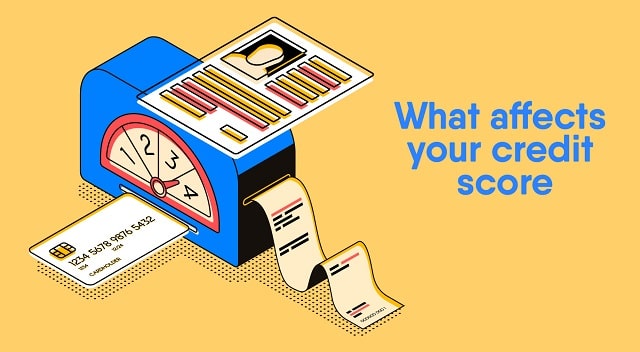
When someone asks what affects your credit score what they usually mean is what negatively affects your credit score. Don’t worry, you don’t need a master's in finance to figure out how your credit score is calculated. 

Your credit score will range from 300 to 850. The higher the number the better the score. While we don’t know the exact method used to calculate your credit score, we do know some information that is important in determining your score. 

If you are looking to improve your credit score now, pay close attention to each of these five deciding factors and look for opportunities where you can improve. 

Your Payment History 

Your payment history plays a critical role in determining your credit score. Even if you only miss one payment or you are late to pay by one day it is still reported to the credit bureau. 

Missed payments and late payments negatively impact your score. 

The later the payment and more payments that you missed decreases your score a little each time. Lenders need to know that they can trust you to repay your loans on time. This will be one of the first things lenders look at before they approve your new loan. 

Your payment history accounts for roughly 35% of your FICO score. FICO is the brand of credit scoring used by most lenders these days. 

So, make your payments on time every month to keep your score looking up. 

Amount of Debt 

Next on the list of things that affect your credit score is the amount of debt you have taken on. Your credit usage is very important to leaders because they want to make sure you can handle more debt. 

If you have a lot of credit card debt outstanding or student loans this negatively impacts your credit score. Lenders take a look at your credit utilization ratio by dividing the total amount of credit you have by how much of that credit is being used. 

This gives lenders a look to see how reliant you are on your current lines of credit. 

Credit utilization accounts for roughly 30% of your FICO score. As a general rule of thumb, you don’t want to become too dependent on credit. Try to keep your balances lower than 30% of the total amount of credit available to you. If you can keep it under 10% that’s even better. 

Following this simple tip will increase your credit score and help you get rid of debt. 

Length of Credit Line 

Next up, a lender will take a look at the length of your credit lines. This means lenders will take a look at the credit accounts you have had to see how long you have had the accounts. 

The relationship length with your accounts is important. Generally speaking the longer you’ve had the account the better. 

To improve your score hold onto cards you’ve had for long periods of time. Avoid applying for every new card that gets sent to you in the mail and try to stick with the same companies for your credit. 

We’ll talk a little later on about how a new credit inquiry affects your credit, so keep reading. 

Your Mix of Credit 

People who have high credit scores also have a good mix of the types of credit accounts they use. You may have a car loan, a student loan, a mortgage, and a credit card, or some other type of credit product. It is a good idea to spread out your credit and create a mix of different types of products. 

Your credit mix accounts for roughly 10% of your overall FICO credit score. Having a diverse portfolio of credit tells lenders how well you manage a portfolio of credit products. 

If you’re trying to improve your credit score, don’t put everything on your credit card. It may be a better idea to take out a personal loan. Even something such as getting a car loan can help diversify your portfolio of credit and raise the credit score of some borrowers. 

New Credit Inquiries 

Lastly, pay attention to how many new inquiries you make and how many credit accounts you’ve opened recently. When you apply for a new line of credit the lender will perform a background check and pull your credit score and this can negatively impact your overall score. 

New accounts with new banks are an indication that you do not have an established relationship yet with that bank. If you just opened up a new credit line be sure to make on-time payments and use the line of credit each month to build up your relationship with the lender. 

Learn how to check your credit score and check it monthly to watch your score increase over time as your relationship deepens. 

The number of new inquiries accounts for about 10% of your overall FICO score. Too many accounts or inquiries can hurt your credit score and reduce your chances of getting approved. 

You Can Increase Your Credit Score 

Increasing your credit score takes hard work and patience but you can do it if you stick with it and check your credit score regularly. Now that you know what affects your credit score you know what to avoid. 

Use these tips to help boost or repair your credit so you can get better rates on large purchases like a car or house in the future. If you enjoyed reading this article on credit score factors, be sure to check out our other articles on frugal finances and investing. 

Now that you know what affects your credit score, you can improve your financial situation by visiting the Loans and Frugal Finances section of the Frugal Finance Blog.

New Frugal Finance Blog Posts & Articles