Showing posts with label Sport Psychology. Show all posts

Why What Doesn't Kill You Makes You Stronger

crossfit snatches clean press overhead presses frugal fitness workout

Have you ever been so ill, or in that much pain and thought to yourself this is the end? Well, we have all been there. Sometimes in life you can just become that ill, or be in that much pain that there literally doesn’t seem like a way out. You are convinced that white light is heading your way. 

But this happens to the best of us, and low and behold we always make it through. It is important to learn that with health, what doesn’t kill you will literally make your stronger. If you have been through serious illness or injury, you will come out the other end mentally stronger, even if it doesn’t feel like you are physically for a while. No matter what stage of life you are at, here are a few ways to make the thing that doesn't kill you make you stronger.

Illness 

Illness is a broad term. It can be anything from a chronic illness, to the simple flu. Whatever it may be, there are ways of dealing with it all. The flu literally does make you stronger. Each time you get the flu, your body is becoming immune to that strain of it. It learns how to kill it, and how to make it never return. The only downside being there are so many different strains of the flu. But it is remarkable that once you have had one you will never have it again. The flu, especially man flu, is definitely a time when you see no end. 

But the best thing you can do is stock up on cold and flu tablets, stay in bed and drink and eat as much as you can to improve your health. Even if it’s just some soup, it will give you the vitamins and minerals you need to keep your strength. You could also try having a steaming hot soak in the bath. Sometimes sweating out the bacteria that is festering inside you can relieve some of the symptoms. Ideally a sauna would be better, but don’t head down to your local gym and spread the germs. 

Pains 

We all Google our symptoms from time to time. If you’ve got an ache in your back, it could be cancer. If you’ve got an itchy arm, it could also potentially be cancer or melanoma. Google and WebMD are great for diagnosing you as terminally ill. So forget Google's advice, and follow ours. Pains are generally pretty manageable, granted, one of the most uncomfortable of them is back pain. You can get pretty sore and stiff after a CrossFit WOD or an amazing bike workout (read our Schwinn 270 recumbent bike review). 

It can leave you feeling run down and incapable of doing much. Using thing such as a foam roller to massage and stretch it out is just what you need. If you need to know which size and what one to get, check out sites such as My Foam Rollers. That stretching movement is exactly what you need to get rid of some of the pain. 

Try not to rely on medication too much, and roll with the mat once a day. Any other joint pain can be relieved slightly with stretches and massages as well. Grab some anti-inflammatory gel and rub it into the affected area. It should help to relieve the symptoms slightly, but be sure to stretch it out as well. You can also make your own foam roller at home, if you are just starting out grab one of the best sewing machines for beginners. Get sewing and get rolling! 

Toughen up today! Face your fears head on and workout like the beast that you are!


For More Great Tips, Get My Best-Seller On Amazon:
frugal fitness ebook

I hope you enjoyed this article about how to tough it out in your workouts and get the impressive fitness results you desire.

Interested in more articles about frugal fitness wicked workouts? 

Read My Blog Posts:

- Mind Over Matter: Exercise Your Brain

- Homemade Frozen Yogurt Recipe

Stay Frugal & Fit My Friends!

Frugal Fitness World Wide Wellness
Free Workouts & Nutrition On A Budget
"Crushing Fitness Costs Worldwide"
#FrugalFitness

Also visit the Bootstrap Business Blog

Is Playing Professional Sports Risky?

match fitness

When the body says “It’s enough” and the coach asks for more - top athletes must decide whether they want to push their physiological capabilities to the limits and become disabled after the end of their careers, or not. 

Whenever we find out about the decision of a professional athlete that he/she finished his/her sports career on the threshold of the age of 30, we are very surprised because it’s considered that they did it too early, at the very peak of their abilities, while they were match fit. 

Cricket player Kevin Pietersen, who played 275 internationals for England, leaves no doubt regarding when athletes can still be sure they got what it takes to compete on a high level, and recently told Betway the following: 

“I was always asking myself a series of questions: How do I feel in training? Have I got the ability to defend the best ball that a bowler could run into a bowl at me when I walk out into the middle? Or have I not? If so, where do I need to focus my attention?”

However, everything becomes clear when it’s learned that in recent seasons athletes have spent more time on scanners and stethoscopes than with the ball. Injuries followed one another, whether it was an ankle, a knee, abdominal surgery, or some of the many other misfortunes that contributed to a certain great athlete saying goodbye to sports fields much earlier than he or she should have. 

When Too Early Is Actually On Time 

It may be too early but is still on time, because these athletes manage to avoid the fate of some of their colleagues, including those who were forced to visit hospitals and rehabilitation centers regularly, and even to “hang out” with crutches and wheelchair. 

Frequent injuries of those athletes, who don’t recognize that it’s time for the end, can prevent them from continuing to do some other job after a successful career and thus, ensure their existence. 

Playing top sports, whose requirements exceed the physiological capabilities of the organism, especially in modern times, usually represents walking on the edge of a knife. Most experts agree that the human body isn’t able to respond to the challenges, especially nowadays, when athletes are expected to be in top shape all the time and when competition seasons last longer and training becomes harder and more demanding. 

For example, the top results of athletes who built their careers during the 70s and 80s of the last century would be only within the limits of the average today. We can only assume what their current colleagues will face, athletes who have much greater efforts and expectations before them. What will their body and organism look like when one day they end their careers and reach more mature years? 

What Happens When Athletes Are Carried Away By Glory? 

Sport has long been turned into an ordinary display of strength. Everything is so commercialized and there’s so much insistence on better results that athletes have turned into a kind of modern gladiators, who spend most of their youth in gyms and sports halls. 

Sport has ceased to be recreation and entertainment but has become hard physical work, which requires a lot of knowledge and skills, mostly shed sweat. The burdens are so great that it’s illusory to expect that all this could pass without any consequences. 

Athletes themselves have also contributed to that because, carried away by the glory that has illuminated them or is yet to happen to them, consciously or not, they often cross the limits of their own possibilities. And what consequences remain is best seen by the fact that most of them become empty personalities after retirement. 

Most miss the opportunity to prepare in time for the end of an active sports career, which is an act traumatic enough itself. Until yesterday, they were celebrated and praised, sometimes they believe that they are special in everything, and then they face the truth that they were interesting and important only while they were competing. After that, many don’t even know what to do with themselves, fall into lethargy and depression, and even, in some situations, think about suicide. 

The only way to prevent that is to start thinking about it in time, to prepare and face reality two or three years earlier, that is, to find some purpose for their later existence in life outside of sports arenas. 

The fact is, however, that no one cares about retired athletes and that their fate, as a rule, takes place far from the public eye. No one has yet launched an initiative to monitor the health status of athletes after the active termination of their careers. These results would be of great importance for those who still play sports. That should be in everyone’s interest, right?

How To Find A Licensed Clinical Psychologist In NYC

licensed clinical psychologist new york psychology services nyc

Mental health issues can lead you to depression, stress, and in some worse scenarios, even suicidal thoughts. Dr. Alexander Alvarado is among many licensed clinical psychologists at Thriving Mind Psychology in SoHo and Midtown. The practitioners target a wide range of mental health issues to help patients restore the quality of their life. Let’s find out more about their practice. 

Meet The Providers 

The providers at the facility used evidence-based techniques ensuring patients receive quality healthcare. The physicians ensure that they enhance individualized care for each patient. Patients should schedule weekly sessions with their physicians. The facility understands the importance of finding the right service provider for each patient and finding one they feel comfortable talking to about their issues. Fill out the ‘Therapist Matchmaker Survey’ and wait for the patient coordinator to match you with a suitable physician. 

About Services 

The therapies offered at the center can help you deal with a wide range of mental issues. Some forms of therapy treatments include cognitive behavioral therapy, assessment, and couples therapy. You can also benefit from the services of a life coach, neurofeedback training, and group therapy. 

Some of the conditions these therapies address include anxiety, attention deficit hyperactivity disorder (ADHD), disruptive sleep patterns, depression, stress, trauma, panic disorder, phobias, fear of flying, anger management, challenges of identifying as LGBTQ, and many more. Also, if you are under a tight schedule, the physicians provide online video therapy for their patients. You can plan for a consultation to learn more about their services. 

Insurance 

The facility partners with Lyra Health, hence patients should inform them of their insurance company’s details. They check if it is part of Lyra Heath Network to access insurance services. Nonetheless, the facility is out-of-network for insurance companies not lying under Lyra Health. Check out the insurance form that patients should fill out on their online website. 

Reviews 

Thriving Mind Psychology appreciates reviews from their valued patients. Check out some of the testimonials from various clients about the facility. The center would also love to collect your feedback. 

Blog 

The physicians at the center emphasize patient education through regular updates on their blog posts. Patients can learn more about the facility’s practice from these articles. Visit their website and look at some of these articles. 

How To Contact The Center 

Patients can reach either of the facility's offices through mobile or schedule an appointment online. If you have trouble finding the directions, check on some map directions provided on the facility's webpage. In case of any questions, comments, or concerns regarding Thriving Mind Psychology, send a message to your selected provider through the website. 

Clinical Psychologist Conclusion

To sum up, Thriving Mind Psychology offers top-notch services through their multiple licensed clinical psychologists across New York. The physicians address a wide range of mental health issues and address each patient's needs individually to enhance the effectiveness of their treatments. When you reach out to the center, they will direct you to your most suitable provider; one that you will feel free to express your thoughts with. If you wish to access the facility’s services, schedule an appointment online, or get in touch with the facility’s office through mobile.

Does Color Impact Athletic Performance?

colour impact athletics performance color psychology sport athletes

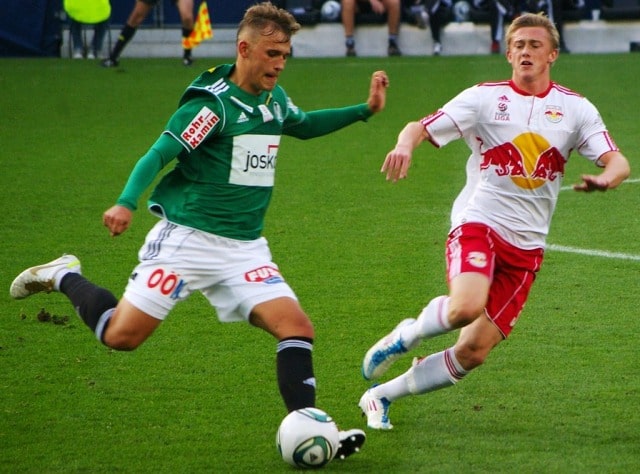
Colour psychology has been heavily researched and discussed, pondering the question of how and why certain colors evoke certain moods. Does green make people feel calm? Does yellow bring energy and make people think of the sun? Does a person wearing a red men’s dress shirt seem more confident than a person wearing an orange shirt? 

Colours Can Make A Drastic Difference

Although the messages of colors and shades can be a little diverse depending on experience and culture, it’s clear that colors have an impact on the human mood. Let’s take an extension from that — if color can affect us mentally, can it affect us physically? If our moods are heightened or dampened based on colours, it would make sense that colours could be used as a means to amplify performance in athletics. 

Red is often cited as a confident or even aggressive colour; blue for calmness. Green often denotes health, and black has connotations of death in many cultures. It has been cited by numerous sources that teams wearing a red sports kit are more successful. But is this always the case? 

The Impact of Colour In Sports

Let’s take a look at some running sports club colors. The main purpose of club colours is, at base, to identify runners on the track. For example, the Edinburgh University Hare & Hounds Running Club wear green, whereas the Glasgow University club colors are black and gold. 

In other sports, colours have been attributed to a higher success rate. Hill and Barton conducted a study regarding combat sports, and concluded that red had a higher success rate than blue due to red apparently sending a message of aggression and dominance to the opponent. But another study of Judo athletes showed blue contestants had a higher victory rate than those wearing white. According to researchers, the study was not wholly controlled — the blue-kit wearing contestants were seeded as the top 11%. Due to this, even in the loser’s pool, the athletes in blue had competed in one less match, and had had longer rest periods. Another study corrected these variables, and found uniform colour had little impact on success. 

If colour doesn’t push the athletes to more frequent success, then does the colour of an athlete’s kit affect anything at all? Minnpost dug a little deeper into the matter, and found an alternative view on the issue from psychologist Tom Stafford. He suggested that the colour of kit didn’t impact the athletes as much as they impacted the referee — and he used studies of digital colour manipulation to support this theory, in which referees were shown images with the colors worn by contestants altered. The referees awarded more points to those photoshopped in red kit than in blue. Could it be that the color of sportswear has more of an effect on the people watching than the athletes themselves then? 

It makes sense; athletics performances are watched by audiences who, at the end of the day, want to be entertained. Perhaps the choice of colour in sportswear is less to do with trying to increase the chance of winning, or putting off the opponent, but instead generating a sense of excitement and energy in the crowd watching. 

But that’s not to say colour psychology has no place in athletics. But instead of looking at what we wear when we go for a run or perform sports, perhaps we should be considering our surroundings instead. Swiss running website On suggests that the real power of colour psychology in athletics comes from the colors of a runner’s surroundings. The example posed is that running in a grey room may be uninspiring and clinical, whereas running in a colourful room might perk the athlete up more. 

They go on to apply that theory to running outdoors versus running indoors — running in a green field, under a blue sky, for instance, would likely be a more positive experience for the runner than running on a treadmill indoors. Skiing on a beautiful sunny day on a mountain in Switzerland could easily be more appealing than working out in a basement. The sight of these colours could make for a happier athlete who, in turn, may perform better. 

Colour Matters, But It Isn't Everything

Colour psychology can certainly be deployed in the world of athletics. But if a team or athlete wins where another doesn’t, it’s unlikely because he or she chose to wear a red shirt.

Running: Associate or Disassociate?


Contributed By Amanda Loudin, Author of Miss Zippy

I mentioned in Wednesday’s post about my upcoming marathon that one of the reasons I like smaller marathons is that I tend to be an associative runner. What does that mean exactly? I like to check in with myself when racing, do a little self-talking, and focus on what I am doing. When I don’t practice this method, I don’t perform as well.
Studies have shown that most runners fall either into the associative or dissociative model. Associative runners are very inward focused and much more in tune with what their bodies are doing as they move along. Some might focus on form, for instance, while others might use association with competitors to motivate them to push harder. Focus on breathing, cadence, and relaxation are all ways that runners can associate mid-run.

Do you associate or dissociate to get through runs?
Dissociative runners, on the other hand, use distraction to get them through the miles. Like to listen to music during a race? You might be more dissociative. Are bands every mile and loud, cheering crowds a bonus for you? Then you’re likely a dissociative runner.
Are all runners one or the other 100 percent of the time? Not likely. As much as I like to associate during a race, there are times when a little distraction can come in handy. And I’m sure those who like distraction become inward focused during a race at some point or another. But in general, you’ll fall into one category or the other.
Is one better than the other? Some of this depends on what you want from your runs, but from what I’ve read, it does help to be associative if you’re after your best performance. I would guess a little practice at association can go a long way toward this. We all know how important the mental game can be when it comes to this sport. Either way, every runner is unique and what works for one won’t work for the next.

Frugal Fitness Fun For Everyone! Subscribe Today


For More Great Tips, Get My Best-Seller On Amazon:

I hope you enjoyed this article about how to live healthier on a frugal budget and maximize your performance!

Interested in more articles about frugal fitness? 

Read My Posts:

10 Reasons Why You Aren't Seeing Muscle Gains

Just How Natural Is Natural Bodybuilding?

Stay Frugal & Fit My Friends!

Frugal Fitness World Wide Wellness
Free Workouts & Nutrition On A Budget
"Crushing Fitness Costs Worldwide"
#FrugalFitness

Also visit the Frugal Marketing

New Frugal Finance Blog Posts & Articles