Showing posts with label Vision. Show all posts

7 Effective Tips To Keep Your Eyes Healthy

effective tips keep eyes healthy improve vision

With so many new gadgets being released day by day, it is getting harder and harder to avoid screen time. Whether you are working on the latest project, reading emails, or catching up on the morning news, all these pursuits can be linked with eye strain. Elizabeth Macdonald OD, is one of the best Optometrist & Ophthalmologists that you should consult for optimized eye health and improved vision. 

This is why we have compiled 7 practical tips that will not only keep your eyes healthy but also improve your vision! 

1. Put Away Your Devices 

To protect your eyes from all this exposure of devices. Switching off your gadgets and taking a break from all the digital workload will help your eyes relax and reduce strain on them. Take required breaks by putting them away for a while to minimize blue light exposure. 

2. Quit Smoking 

Smoking of any kind can significantly affect your eyesight by causing dryness, blindness, and even premature aging. Smoking destroys your lungs, and it also damages the eyes! Quit smoking today to protect your eyes! Switch to patches, gums, lozenges, tinctures, or edibles today instead of smoking or vaping.

3. Adjust Your Lighting 

When working on a computer screen or reading from your phone, you should have the best lighting possible. Failing to do so can reduce the contrast of your screen or book, which can cause eye strain. Try to use dim white lighting to create even lighting across the whole screen, which is easier on the eyes. 

4. Get A Pair Of Good Quality Computer Glasses 

Computer glasses are an investment, but they will save you from future eye issues. Computer glasses are specially designed to reduce glare from the computer screen while also cutting out harmful blue light. This will keep your eyes safe and healthy while working on your computer or other electronic devices like smartphones and tablets! 

5. Wear Sunglasses When Outdoors 

Human eyes need protection from the sun, just like any other part of your skin! Bright sunlight can cause many problems for your eyes, such as damaging your retina and causing sunburn to the sensitive cornea. 

6. Regular Checkup For Your Eyes 

It's essential to ensure that your eyes are healthy and have no damage or strain associated with them. A regular checkup every six months will ensure you do not have an issue and prevent any problems from arising in the future. 

7. Eat Well 

Your diet is essential for your eyesight, and what you should eat can affect your vision in many ways. Drink lots of water, avoid junk food and limited salt intake, and ensure you get enough sleep to keep your body healthy. Healthy fats, protein, and micronutrients can also improve eye health as well.

Exceptional Eye Health Conclusion

If you want to keep your eyes healthy, there are some things you should be doing to retain their natural brightness. The eyes are the windows into your soul, you want to ensure that they look and feel their best as you age. Keep these tips in mind for excellent eyes!

5 Preventative Measures Against Presbyopia

presbyopia prevention tips eye health maintain vision

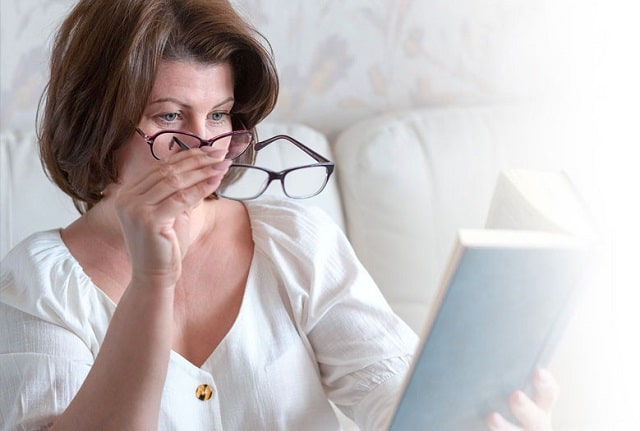
Presbyopia is a regular aspect of becoming older, but you can readily fix it. The eye cannot concentrate on nearby things due to aging. It usually begins around the age of 40 and worsens until the late 60s, when it usually becomes stable. Distance vision is mainly unaffected by this condition. Men and women alike are affected equally by presbyopia. 

To better comprehend the effects of Bronx presbyopia on other common visual problems like farsightedness, nearsightedness, and astigmatism, consider the fact that presbyopia will last for the rest of your life. Refractive errors are the medical term for these specific disorders of the eye's focus. However, there is some good news to come for your vision. 

Regular eye examinations and knowledge of your eye health are essential to keep seeing clearly and comfortably. Notably, presbyopia is a disease that we cannot prevent since it develops as we get older, but we may take steps to slow or stop its start. Take a look at these vision health tips below! 

5 Top Preventative Measures Against Presbyopia

1. Make Sure You Have Enough Light 

When using electronic gadgets, it is best to use them in a well-lit section of the room since the device's light is quite powerful in darkness and may cause eye irritation and agony. 

2. Eye Stretching And Relaxation 

It is also a good idea to take an hour off from whatever task you are working on every hour. As part of your eye yoga routine, you may do things like move your eyes up and down, stare diagonally, or focus on the distance before shutting your eyes again. 

3. Have A Yearly Eye Exam To Ensure Your Eyes Are Healthy 

According to the American Academy of Ophthalmology, monitoring for eye illnesses should begin for most individuals around the age of 40, when symptoms may start to appear. Pre-existing diseases like diabetes or high blood pressure and relatives with eye disease may need early screening. Every one to two years, those 65 and over should undergo an eye exam

4. Learn As Much As You Can About Your Ancestry 

Noses, mouths, and eye diseases may be passed down through families. You should be aware of your family history since many eye problems may be passed down through generations. Inform your ophthalmologist about any family history of eye illness. 

5. Essential Minerals And Vitamins 

You should consume vitamins A and D to maintain your eyesight strong and healthy since they both enhance your vision and minimize inflammation of the retina. On the other side, specific minerals like selenium may help postpone vision disorders such as magnesium, calcium, and zinc. 

Preventing Presbyopia

As a luxury, aging seldom comes free of cost. Suppose you have aged eyes and are concerned about seeing well up close; reading glasses, contact lenses, or even a simple surgery are a small price to pay. In that case, there are so many different sight-correction choices available today that you may once again pay attention to the minor details of all your personal favorites. In case you already have presbyopia, consult with a specialist to determine the best way forward.

Glaucoma Causes, Symptoms, And Diagnosis

glaucoma causes symptoms eye diagnosis

Glaucoma refers to a variety of eye conditions that may damage your optic nerve, which is responsible for good vision. Many people in San Antonio struggle with glaucoma, and the damage is typically caused by excessively high pressure within the eye. Glaucoma in San Antonio is one of the leading causes of blindness for older adults. 

Many forms of glaucoma attack without any warning signs. The effects crop up so gradually that one may not realize until the condition has advanced. Unfortunately, it can cause irreversible vision loss. If, however, it is detected early, vision loss may be prevented or slowed. 

What Causes Glaucoma? 

You may get glaucoma following damage to your optic nerve. As the nerve deteriorates slowly, you may start developing blind spots in your visual field. However, medical professions don’t fully understand how damage to your nerves may increase pressure within the eye. 

Increased eye pressure typically results from the buildup of fluid flowing inside your eyes. The internal fluid may drain out through tissues known as the trabecular meshwork. When there is an overproduction of the fluid or the drainage system isn’t working as it should, the fluid can’t flow out at optimal speed. 

In some instances, glaucoma may be genetic. Scientists believe that specific genes increase your risk of optic nerve damage or high eye pressure. Less common glaucoma causes include chemical and blunt eye injuries, the blockage of blood vessels in the eye, and severe eye infection. On rare occasions, getting eye surgery to correct different conditions may cause glaucoma. 

The Symptoms Of Glaucoma 

If you have open-angle glaucoma, you may not record any symptoms. If they do develop, they are likely to do so much later in the disease. For this reason, it is known as the ‘sneak thief of vision.’ The first sign of open-angle glaucoma is loss of peripheral vision. 

With close-angle glaucoma, the signs show up early and are more pronounced. The damage happens rapidly as well. Here are the most common symptoms to look out for: 

● Seeing colored halos around light 
● Severe eye pain and redness 
● Hazy-looking eyes 
● Sudden disturbances of your vision 
● Vomiting, nausea, and general stomach upsets 

Diagnosis 

If you have the symptoms of glaucoma, your doctor will perform the relevant tests. Glaucoma tests are simple, painless, and don’t take too long. When you visit an eye doctor, they will use drops to dilate your pupils before examining them. They will test your vision as well. 

They may examine your optic nerve for glaucoma symptoms. If necessary, they will take photos to identify changes on your next visit. A tonometry test is used to gauge your eye pressure. If they suspect that you may have lost peripheral vision, they will do a visual field test. 

Get Medical Help For Glaucoma 

If you have the symptoms of glaucoma, seek medical attention as soon as possible. Since glaucoma is a life-long condition, you must learn tips to live with it. Your doctor will give you tips to maintain eye health and lead an everyday life. They may even help reverse the symptoms of glaucoma.

Why You Should Consider EMDR Therapy After A Trauma

emdr therapy after trauma eye movement desensitization reprocessing

Eye Movement Desensitization and Reprocessing (EMDR) is a modern psychotherapy approach that utilizes eye movements during treatment. It is common in the treatment of post-traumatic stress disorders in people who have experienced a traumatic event such as rape, armed attack, and war. You can seek EMDR in Park Slope to relieve the severity of post-traumatic stress disorder. 

How Does EMDR Therapy Work? 

No one exactly knows how EMDR works; however, several studies reveal that human brains can no longer process information as they should after a trauma. Therefore, any triggers such as sounds, sensations, and images remain frozen in your brain in such a way that you cannot detach from a negative situation. It can impact your day-to-day activities and affect your relationships. Additionally, it can cause panic and increased negativity. 

Eye movements help your brain to process negative emotions or feelings and put things into the right perspective. They work by bridging the initial shock from present emotions. 

Although people can heal naturally after a traumatic situation, it is not always the case. When the trauma is extreme, you may feel vulnerable, and that is when your doctor applies EMDR therapy to unlock this information which is literally frozen in time. These techniques help in reactivating your brain capacity and promote the healing process. 

EMDR is effective in treating other conditions such as anxiety, eating disorders, phobias, stress, personality disorders, and grief after losing a loved one. 

What Happens During EMDR Therapy? 

During EMDR therapy, your doctor will schedule different sessions so that you can go through different treatment phases. The number of sessions differs amongst individuals and the severity of the trauma. 

David Salvage, MD, FAPM will divide the treatment into different stages, including diagnosis, planning, preparation, relaxation, and evaluation. Next, the doctor puts you through desensitization, anchoring, and body balance technique. The last stages are the conclusion and reassessment phases. 

How Long Does An EMDR Therapy Session Last? 

A typical EMDR therapy can last for several weeks to many months, depending on your recovery. The first session is a one-on-one meeting with your doctor, who sets up a personalized program. Every patient's needs are unique, but a session can last up to one hour. 

During the visit, both you and your doctor will highlight the challenges that require immediate attention. You may be asked to evoke images, memories, thoughts, and emotions related to the trauma. Your specialist will use eye stimulation to help your brain process the information. As the session progresses, you will notice a gradual change and a feeling of acceptance. 

What Are The Side Effects Of EMDR? 

At the onset, the treatment can overwhelm you as you embrace traumatic events in your life. However, as time goes by, you can relate to the past and achieve emotional stability. 

If you are interested in booking an EMDR therapy program, contact your specialists who will arrange a personalized program that will meet your needs.

What Eye Treatment Options You'll Find At A Reliable Clinic

eye treatment options vision clinic ocular health

Eye care becomes essential as you get older. You may experience problems like depleted vision, cataracts, glaucoma as you age. When your vision is affected by any such clinical condition, treatment by a specialised ophthalmologist becomes necessary. 

Ophthalmology involves the proper diagnosis and treatment of such clinical conditions, including microsurgery. 

When going for an eye treatment, though, it is important to find a reliable clinic such as peronaleyes.com.au. Also, make sure it provides the treatment you need. Following are the eye treatment options that you’ll find in a reliable clinic. 

Cataract 

Cataracts are among the widely existing eye diseases in the elderly population. The formation of a cloudy layer on the lens is called a cataract. It can be treated through laser-assisted surgery wherein the lens is replaced with a monofocal or multifocal lens to provide a better vision. 

Glaucoma 

Glaucoma is one of the severe eye conditions where the optic nerve gets damaged. It results in pressure build-up within the fluid in the eye and can lead to complete blindness in extreme cases if not treated within time. 

There are two different types of glaucoma – Open angle-glaucoma and angle-closure glaucoma. The treatment options for both depend on the severity of your conditions. Treatments can vary from eye drops to traditional surgery or laser surgery options. The major focus of the treatment is to prevent any vision losses. 

Astigmatism 

Astigmatism is generally a genetic problem. This is the condition where your vision gets out of focus. This can be treated in various ways, such as eyeglasses, corrective lenses, or even laser surgery options. LASIK is also effective in treating astigmatism. 

Conjunctivitis 

Conjunctivitis is typically classified into these categories according to the treatment options - 

● Allergic conjunctivitis can be treated with anti-inflammatory drugs in severe allergy cases. 

● Viral conjunctivitis takes 2-3 weeks to heal as it runs like a viral disease. 

● Bacterial conjunctivitis treatment takes about 3-4 days with antibiotic eye drops or ointments. 

● Chemical conjunctivitis - In some severe cases, you may need topical steroids. 

Myopia 

Myopia is also referred to as short-sightedness. In this condition, you may be able to see the closer objects with a clear vision, but your vision is blurred while seeing far off items. Corrective glasses, lenses, or refractive surgery are the treatment options for this condition. 

Hypermetropia 

Hypermetropia or far-sightedness is a condition in which you have a blurry vision while seeing near objects. But, you can see the far-off objects without any difficulty. This can also be treated through corrective glasses and lenses, and in some cases, LASIK surgery is also advisable to improve your vision long-term. 

Macular Edema 

This is the condition where there is an unwanted build-up of fluids in the retina's central region. You may experience a blurry vision and, in some cases, colors may appear faded or washed. You may need an advanced treatment based on the severity. It can be treated through eye drops, steroid treatment, laser treatment, or surgery. 

Your eyes are sensitive. If they have some vision-related problems, you should get them treated in time by professionals like https://www.personaleyes.com.au/ for better vision.

The Benefits Of Regular Eye Exams

benefits regular eye exams vision check

Many people struggle with the fear of severe vision loss even when they do not have any severe symptoms. Eye exams can put your mind at ease because they make it possible to detect eye problems before they get out of hand. According to the NHS, you should get an eye exam once every two years. Common eye problems in Jacksonville are cataracts, refractive errors, and keratoconus. The following are some of the most common benefits of getting an eye exam in Jacksonville

1. Improving Performance At Work Or School 

Regular eye exams may improve your productivity at work or in school. 80% of what students learn requires good vision and it may be difficult to perform well at work if you struggle with eye problems. Annual eye exams may be all you need to make sure that you remain comfortable and productive at work or in school. 

2. Vision Screenings Are Not Equal To Eye Exams 

Vision screenings at work, the motor vehicle department, or school are not enough to confirm that your eyes are in great condition. You need eye exams no matter how often you get vision screenings. They make it possible to identify problems that may not be apparent from your daily tasks. 

Your eye doctor can help you ensure that your vision is good and that you do not have any serious eye problems. Serious diseases like eye cancer and glaucoma may not have any serious symptoms during the early stages. 

3. Detecting Other Serious Problems 

Regular eye exams may help your eye doctor detect other serious problems like cancer, high cholesterol, diabetes, and high blood pressure. In most cases, your eyes are a reflection of your general health. After a comprehensive exam, your doctor may be able to evaluate your overall health. The condition of your eyes's blood vessels may be a predictor of hypercholesterolemia, diabetes, and hypertension. 

If you have severe health problems or you are at a high risk of diabetes due to a family history of diabetes, annual eye exams are essential. Over 30 million people with diabetes in America are at risk of getting diabetic eye diseases. The disease has no symptoms and you need an eye exam to detect it. 

4. Establishing A Health Baseline 

Regular eye exams may help your doctor develop a baseline of your eye tissues. They can detect future changes. According to eye doctors, you should get a baseline eye exam by age 40. 

5. Preventing Blindness 

Eye exams may help you prevent blindness. Over 75% of all blindness cases can be prevented if identified in time. Eye exams are important especially when conducted regularly. Ocular conditions and symptoms may be irreversible if they aren’t detected early. 

Getting regular eye exams is a good idea even if you have no symptoms of eye problems. The exams are great for more than just your eyes. They protect your general health and wellness and could make it possible to detect more severe problems. Regular exams could save your vision or even your life.

How Your Optometrist Can Help Keep Your Eyes In Great Shape

how optometrist helps eye health great vision

There are so many awe-inspiring things to see in this world, and you don't want to miss a single minute. That's why you want your good vision to last a lifetime. To keep enjoying all the beauty in the world, you need an optometrist to identify any issues that may arise. There are many ways general optometry can keep your eyes in good shape in Frankfort, IL. Below are some of the services offered by your Frankfort optometrist

Eye Exams 

Routine eye exams are one of the best ways to support good eye health. A comprehensive eye exam includes not only a test for nearsightedness and farsightedness, but it also includes a set of focused examinations. These are designed to help your optometrist check for early signs of eye disease. 

● Retinal Exam: Retinal imaging is used to get a closer look at the retina. It can show your optometrist over 80% of the entire retina in just one image. 

● Peripheral Vision Test: This is very important since it could detect damage to the optic nerve due to glaucoma. For this test, you will focus on something while covering one eye. Then, you will describe whatever you see at the side, without shifting your focus. After the first eye is checked, you will do the same with the other one. 

● Slit-lamp Exam: This test allows your optometrist to look at the details of your inner and outer eye. With a high-powered microscope, they can look for problems throughout the eye, including the cornea, lens, and optic nerve. 

● Tonometry: This is a test designed to determine your inner eye pressure. It is crucial to your overall eye health since it can read an elevated pressure that is a sign of glaucoma. 

Diabetics must take extra measures to safeguard their eye health. Therefore, diabetic eye exams are specialized to check for problems diabetics most often suffer. There are certain parts of the eye that can become damaged by the disease, such as blood vessels in the inner eye, the retina, and the optic nerve. Some diseases, like diabetic retinopathy, cause no discernible symptoms in the beginning. If you have diabetes, it is a good idea to schedule an exam immediately. 

Dry Eye Treatment 

Dry eye is more than just a momentary lack of moisture. It is a condition that has a variety of symptoms, including red, itchy, burning, tired, sore, or watery eyes. Some people feel like something is in their eye, like sand. Many people suffer needlessly from this condition without knowing it in the beginning. As it progresses, however, the symptoms could become much worst, and could adversely affect your vision. 

There are many causes for dry eye. Age is a big factor, as is the medication you take. Diabetes and rheumatoid arthritis, dry or windy climate, and excessive screen time can also be the source of your problem. From hormonal changes to prolonged wearing of contacts, dry eye can be caused by many things. 

Astigmatism 

This is a very common condition in which the cornea is in the shape of a long oval. This creates a refractive error that interferes with your vision, making it seem blurry no matter how far away the visual target is. It generally happens along with nearsightedness or farsightedness. 

While blurry vision is the main symptom of astigmatism, there are others, including eye strain, chronic headaches, irritated eyes, and poor night vision. 

With proper attention, your optometrist can help you keep your eyes in the best health possible, so you can see clearly for years to come, with or without eye surgery

It all starts with a simple check up. By attending regular eye exams, your optometrist will be able to diagnose any existing conditions and treat them before they become worse. Take care that you find the right optometrist, as proper services need not break the bank. Check out their website, an optometrist in Calgary shows that an exam can be had for the reasonable price of $100.

What Are The Benefits Of Contact Lenses?

what are the benefits of contact lenses

When it comes to vision correction, patients usually have many options. However, glasses and contact lenses are the most common vision correction techniques preferred by most optometrists, including Dr. Sean M Stevens. Still, most people are on the fence about glasses versus contact lenses. Of course, each of these choices has its specific pros and cons, however, contact lenses are more effective and convenient when compared to glasses, and this explains why most people who try them never think of going back to glasses. Below is a rundown of some of the benefits that are associated with contact lenses. 

Easy To Wear 

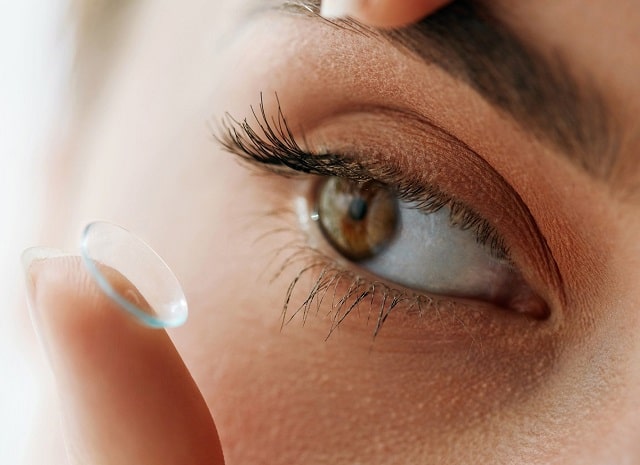
One of the most significant benefits of contact lenses is that they are easy to wear. You can have them on your eyes within a few seconds. You just have to put your lens on the end of your finger and then place it on your eye. Repeat this process with the other eye and you are good to go. Although wearing glasses is also easy, glasses do not feel as comfortable. They usually feel heavy on top of your ears and the bridge of the nose. Therefore, you will always feel different when wearing glasses. On the other hand, contact lenses are so comfortable that you may even forget that you are wearing them. 

No Glare

If you have been wearing glasses for some time, you have probably been blinded by the glare that occurs as sun rays bounce off the glasses. On the other hand, contact lenses do not create such a glare since they sit directly on the eyes. Therefore, they are an excellent option for those engaged in outdoor activities. 

Full Access To The Field Of Vision 

The ability of the glasses to help patients to see clearly cannot be denied. However, the truth is that glasses only help with the direct frontal view. In other words, your peripheral vision may be blocked by the frames. On the other hand, contact lenses are known to provide patients with full access to their complete field of vision. The importance of peripheral vision cannot be overemphasized. For instance, when you are driving, being able to view what is coming from the right and left can go a long way in helping you to avoid accidents. 

Convenience 

Another significant benefit of contact lenses has to do with the convenience that they offer. You can wear them in any situation and to any activity. Whether you are working in your office, relaxing in your backyard, playing football, or hiking a mountain, you can count on contact lenses you give unobstructed vision. 

Leverage The Benefits Of Contact Lenses

Overall, it is apparent that there are several options that patients have when it comes to vision correction. However, contact lenses have the edge over most of the other options for a number of reasons previously outlined. Therefore, if you are looking for a more convenient vision correction option allowing you to do away with glasses, contact lenses are an excellent choice to consider for eye health and performance. Feel free to contact a reliable optometrist at Revision Optix for more information about contact lenses.

New Frugal Finance Blog Posts & Articles