Showing posts with label Credit Score. Show all posts

Guide To Poor Credit Borrowing Solutions

poor credit borrowing solutions

Are you feeling trapped by the limitations of a poor credit score? Don't worry, because we are here to tell you that there is hope even with low credit scores! In this comprehensive guide, we will unlock a world of opportunities for those with less than perfect credit. Whether you are looking to borrow money or improve your credit score, we have got the solutions you need. 


So let's dive in and discover how to turn your financial situation around. Welcome to the ultimate guide on poor credit borrowing solutions! 

What Is Poor Credit? 

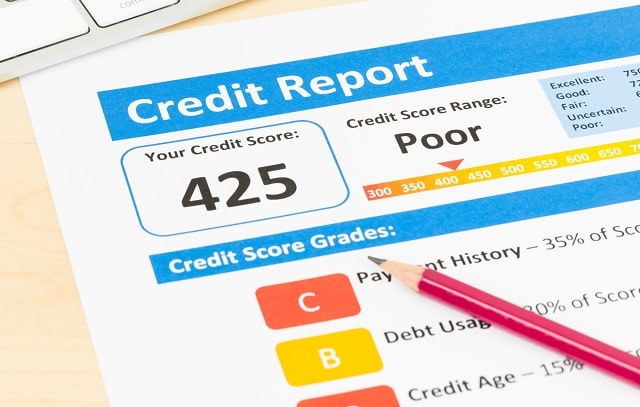
Poor credit refers to a situation where an individual has a low credit score, typically below 600. It is usually a result of late or missed payments, high credit card balances, or even bankruptcy. Essentially, it means that lenders consider you to be a higher-risk borrower due to your past financial history. 

Having poor credit can have far-reaching effects on various aspects of your life. It makes borrowing money more challenging and expensive. Traditional lenders such as banks are hesitant to extend loans to individuals with poor credit because they perceive them as unreliable borrowers. 

Additionally, poor credit may impact your ability to rent an apartment or get approved for certain utilities like phone contracts or internet services. Landlords and service providers often check credit scores before making decisions about potential tenants or customers. 

Moreover, insurance companies might charge higher premiums for those with poor credit since they believe there is a correlation between low credit scores and increased likelihood of filing claims. 

In short, poor credit can limit access to various financial opportunities and negatively affect your overall financial well-being. However, fear not our financial friends! There are borrowing solutions available specifically designed for individuals in this predicament. Let's explore what options you have when it comes to borrowing with poor credit in the next section of our guide. 

The Effects Of Poor Credit 

Poor credit can have a significant impact on various aspects of your financial life. It goes beyond just being denied loans or credit cards. The effects of poor credit are far-reaching and can influence your ability to secure housing, employment opportunities, and even insurance coverage. 

When you have poor credit, it becomes challenging to find landlords willing to rent to you. Many landlords conduct credit checks as part of their screening process, and a low credit score may lead them to believe that you are not reliable when it comes to paying rent on time. 

Employers also consider an individual's credit history during the hiring process. They may view poor credit as a reflection of irresponsibility or lack of financial stability, which could affect their decision to hire you over other candidates. 

Insurance companies often use credit scores as one factor in determining premiums for auto or home insurance. Poor credit could result in higher insurance rates or even denial of coverage altogether. 

Additionally, having poor credit limits your access to favorable interest rates and loan terms. Lenders see individuals with low credit scores as high-risk borrowers, resulting in higher interest rates and stricter repayment terms. 

The effects of poor credit extend beyond just financial difficulties; they permeate into many areas of your life like housing options, employment prospects, and insurability. 

Borrowing Solutions For Poor Credit 

When you have poor credit, traditional lending options may seem out of reach. But fear not to you frugal few! There are borrowing solutions available to help you in your time of need. 

One option is a secured loan. With this type of loan, you use collateral such as a vehicle or property to secure the funds you borrow. This gives lenders more confidence in approving your application, even with a poor credit history. Or in market you can go for a credit loan poor credit borrowing solution also. 

Another solution is a co-signer loan. If you have someone with good credit who is willing to vouch for you, they can co-sign the loan and take on responsibility if you default. This reduces the risk for lenders and increases your chances of approval. 

If securing a conventional loan proves difficult, there are also specialized lenders who focus on providing loans specifically for individuals with poor credit. These lenders understand that everyone deserves access to financial assistance when needed. 

Additionally, exploring alternative lending options like peer-to-peer lending platforms or online installment loans can be beneficial. These platforms connect borrowers directly with investors or offer flexible repayment terms that cater to your specific circumstances. 

Remember, while these borrowing solutions offer opportunities despite poor credit, it is important to approach them responsibly and make timely repayments – this will gradually improve your credit score over time! 

Don't let past financial mistakes hold you back any longer - explore these borrowing solutions today and unlock new opportunities! 

7 Tips For Improving Your Credit Score 

Having a poor credit score can be frustrating, but the good news is that it is not permanent. With some effort and dedication, you can improve your creditworthiness over time. Here are seven smart strategies to help you boost your credit score: 

1. Pay Your Bills On Time: One of the most crucial factors in determining your credit score is your payment history. Make it a priority to pay all of your bills on time every month. 

2. Reduce Outstanding Debt: High balances on your credit cards or loans can negatively impact your credit score. Aim to reduce these balances by paying more than the minimum amount due each month. 

3. Limit New Credit Applications: Applying for numerous new lines of credit within a short period may raise concerns about financial instability and lower your score. 

4. Keep Old Accounts Open: Closing old accounts might seem like a good idea, but it can actually hurt you in terms of length of credit history and available credit. 

5. Monitor And Dispute Errors: Regularly review your credit report for any mistakes or inaccuracies that could be dragging down your score, such as incorrect personal information or fraudulent activity. 

6. Diversify Types Of Debt: Having different types of loans (e.g., mortgage, car loan) shows lenders that you can handle various financial responsibilities responsibly. 

7. Improve Overall Financial Habits: Building an emergency fund, creating a budget, and practicing responsible spending habits will positively impact both current finances and future borrowing potential. 

Credit Borrowing Conclusion 

In a world where credit is an essential tool for financial growth and stability, having poor credit can feel like being locked out of opportunities. However, it is important to remember that there are borrowing solutions available even for those with poor credit. By understanding what poor credit is, the effects it can have on your life, and the steps you can take to improve your situation, you can unlock new doors and pave the way toward a brighter financial future. 

Poor credit refers to a low credit score resulting from past financial missteps such as late payments or defaults on loans. This negative history makes lenders hesitant to extend credit to individuals with poor credit scores. The effects of poor credit can be far-reaching and impact various aspects of your life. It may make it difficult or more expensive to borrow money for large purchases like homes or cars. Additionally, landlords may be reluctant to rent properties to those with poor credit, making finding suitable housing challenging. 

Fortunately, there are borrowing solutions tailored specifically for individuals with poor credit. One option is seeking out specialized lenders who offer loans designed for those with less-than-perfect credit histories. These lenders understand the challenges faced by borrowers with poor credit and are willing to work with them by offering higher interest rates or requiring collateral. 

Another option worth exploring is obtaining a secured loan using collateral such as a vehicle or property that you own outright. Secured loans provide some assurance for lenders in case of default since they have the ability to repossess the collateral if necessary. 

Additionally, improving your credit score should be a priority when dealing with poor credit borrowing solutions.

Top 5 Tips for Taking Out a Loan

money tight top tips taking out a loan get loans approval

It happens from time to time. Sometimes things happen in life, and money can get tight for various reasons. 

Luckily, you have options available to you to help get you through tough times. 

Each year millions of individuals take out personal loans to help consolidate debt or pay for other expenses, among other things they might need money for. 

Taking out a loan can be difficult if you are new to the process. Keep reading this guide to taking out loans and discover five tips to help you get your money.


1. Credit is Everything 

Before taking any steps, it is essential to know where you stand in terms of your credit score. Your credit score will determine things like your interest rate, among other important factors. 

According to Experian FICO score ranges, a credit score of:


300 - 579 

Considered very poor. Individuals with this credit ranking are in the bottom percentile of borrowers. They may have to pay additional fees, and may not be approved for loans.


580 - 669

Considered fair. Individuals with this credit ranking are still regarded as subprime borrowers.


670 - 739

Considered good. Individuals with this credit ranking are less likely to miss payments and fall behind.


740 - 799

Considered very good. Individuals in this credit score range will likely receive better rates.


800 - 850

Considered exceptional. Individuals within these credit score ranges will see optimal rates from lenders.


2. Research Your Options

After determining your credit score, its time to research your options to determine what type of loan is best for you. 

It is essential to keep in mind that every time you apply for a personal loan, it will negatively impact your credit score. With that being said, it is recommended you put in the work before applying and researching your options. This is one of the most important steps to taking out a loan, as it can save you time and money.


3. Don't Overlook the Fine Print

As with any contract, you must look over the fine print to ensure that you don't have any surprise fees.

When looking over the fine print, look for any penalties that you might incur for a number of reasons. 

You should also look for any beneficial points in the fine print like 

  • Flexible payment options 
  • Direct payment to creditors 
  • And benefits for paying early

Make sure you read through the entire fine print and ask your lender if you have any questions.


4. Repayment Options

Reviewing your repayment options is one of those most vital steps to taking out a loan. Unforeseen events happen from time to time that could set you back and could make it difficult to make payments on the loan.

That is why its recommended to look over your repayment options before signing to determine things like 

  • Can you adjust the terms 
  • What kind of penalties will incur

Also, consider looking into an installment loan for a fast and easy repayment plan.


5. Documentation

After selecting a lender that fits your needs, there are specific documentation you will need to provide, including

  • Proof of income 
  • Address verification 
  • And identification 

Keep in mind some lenders may require additional documentation, but these are essential when applying for a loan.


Considering Taking out a Loan? 

Taking out a loan can be an excellent idea for individuals looking to consolidate debt, further their education, pay off medical expenses, etc. Just make sure you are doing your due diligence when it comes to finding a lender to ensure you get the best rates.

For more informative articles regarding finance, check out the rest of our site! Visit the Loans section of the Frugal Finance Blog right now for more tips and advice on taking out a loan today.

Reasons To Not Refinance A Mortgage Loan

refinansiering mortgage loan refinanced

Buying a property in the real estate market is not as easy as some people think it is. People that have ended up buying or that have even attempted to do this have a better understanding of what we mean. 

One of the things that make refinansiering complicated is the cost. You should know that the prices of properties in the real estate market keep increasing. As a result, actions must be taken promptly. 

Failure to do this might result in the value of a property going up. This means that you would have to pay more than you have initially planned. This is even what makes the market a lucrative one for certain players in the real estate market. 

They buy the property at a certain amount and wait for a while. Then they eventually sell the property at a higher price. All this points to the fact that buyers need to take action as quickly as possible. 

Other than this, you should know that the real estate market can be very competitive. So, while you are busy contemplating buying a property, another prospective buyer can beat you to the game with a cash offer or above asking price payment. 

This is why you should be aware of signs that suggest you are in a competitive market. Other than this, there are some tips to help you emerge the winner in such a market. If you are interested in knowing these tips, you can visit: https://www.cnet.com/ 

One of the tips has to do with making the most of a mortgage loan. This would help you get the property and begin to improve your home equity. 

This sounds so easy but some things can happen along the line. One of such things is finding it difficult to pay up your mortgage loan. 

It is not a good thing to experience because of the possible outcome. Just so you know, you can have your home equity on the line and even have the said property up for foreclosure. This is because your home’s equity is your major collateral for this sort of loan a lot of times. 

So, the question is what can you do about it? Well, refinancing your mortgage loan is one of the viable options. Many in this kind of situation have taken this route and have recorded success with their home equity. This is without a mortgage loan hanging around their neck. 

And for the record, you do not have to face the possibility of your home equity being taken away or foreclosure to consider refinancing. But in the same vein, there are situations when refinancing may not be a good idea for home loans. There are many pros and cons to a home loan refinance for homeowners to consider carefully.

To set the record straight, this article will discuss some of the instances in which refinancing a mortgage loan may not be ideal. So, ensure that you keep reading so that you can tell whether refinancing your mortgage loan is the ideal thing to do. 

refinance mortgage loan

What Is A Mortgage Loan? 

This is a loan taken to refinance the construction or purchase of a property. It is usually to be paid in installments and the collateral is usually the property in question. 

Other than the first loan, there is such a thing as a second loan and subsequent ones. However, the requirements for obtaining these subsequent loans are different and could be more stringent. So, you are advised to know the requirements before obtaining these loans in the first place. 

Sometimes, not having an accurate idea of how mortgage loans work is why some people end up in terrible financial situations and need to refinance their debt. 

Situations When You Are Not Advised To Refinance A Mortgage Loan 

The views shared here are subjective to a certain extent. So, the peculiarity of your financial situation might warrant that you take decisions contrary to the tips shared here. 

But for the most part, the tips shared here are helpful for refinansiering houses or other properties. Having established this, here are some situations when you are not advised to refinance a mortgage loan: 

Bad Credit Score 

The idea behind refinancing is to make sure the terms and conditions of your prior mortgage loan are re- visited in your favor. This is either with the same lender that offered the loan to you or another one. 

Well, several factors determine how favorable the new terms will be. This is even if you would qualify for refinancing. One of the factors that are considered by financial institutions willing to do this is your credit score. 

Someone with a good credit score is at an advantage. This is because the person is considered creditworthy and this would work in the person’s favor. Such a person is likely to be offered favorable terms for the new loan that is a product of refinancing. 

The same cannot be said of someone that has a low or bad credit score. This is as refinansiering av gjeld (debt refinancing) can be very difficult for such a person. 

First, there could even be the problem of successfully refinancing in the first place. If this is not a problem, getting favorable terms can prove difficult. 

If you are unable to get favorable terms, there might be no point in refinancing. This is because it defeats the purpose. 

refinancing mortgage loan

Payments That Are Too High 

You should think it through before you refinance your mortgage loan. This is about understanding the cost, especially in financial terms. This is not just about the amount you would save in interest rates and other things. It is also about convenience. 

One of the things you should pay attention to is how easy payment would be for you. This is why you are advised to stay away from plans that make you pay very large amounts. 

One of the reasons for this is because of the penalties that could be attached to not paying as at when due. So, it is better to spread the payment than to face the penalty for not paying when you are supposed to. 

The Attached Fees 

You should not only think about the interest rate when you consider refinancing. This is the mistake that some people make and that puts them further in the financial mess. So, you should avoid it at all costs. To this end, you need to take into account all the costs that are attached to refinancing your mortgage loan. Some of the things that could determine the fees include the lender and the credit score of the borrower. Also, the amount needed for refinancing could be a determinant. 

Wrap Up On Refinancing

Some benefits come with refinancing a mortgage loan. Debt consolidation, better interest rate, and easier payment are just a few of them. For more on this subject, you can click here

But despite the several advantages, there are situations in which refinancing your mortgage loan is not ideal. We have listed and explained some of these situations. You are therefore advised to refinance your mortgage loan only when it is the right thing to do.

5 Mistakes When Applying For A Business Loan

mistakes applying for business loan

A business loan can make or break a company. The pandemic left the UK’s economy in shatters, and some industries are struggling to recover. As the world starts to recover from Covid-19, businesses are returning to their day to day operations. Recovery is the primary aim of most SMEs and some larger corporations. 

The Coronavirus pandemic most impacted the airline, restaurant and oil and gas industries. Flights were grounded, and restaurants closed for months on end in 2020 and the start of 2021. Businesses within these sectors may need a loan to help them recover from the pandemic and get back on their feet. 

There were temporary financial assistance programs for businesses from governments, but most of those have ended by now. Small businesses are back seeking more loans to keep themselves afloat or to adapt to the new economy.

Business loans tend to have looser screening standards than bank and public loans. However, even the smallest mistake on an application can result in the refusal of a business loan. If you are looking to apply for a business loan, here are a few common mistakes to avoid. 

Not Knowing How To Use The Loan 

A business loan can be a life raft for your company, but only if you use it effectively. Plan exactly how you are going to use the loan and map out every penny. You need to prove that you are responsible and equipped to receive a company loan. 

Have A Clear Business Plan 

Make a detailed business plan to give the potential lender a better grasp of your company. You could identify how much funding you need, how you will use the money and how you intend to repay the loan. 

Applying For Multiple Loans 

If you apply for multiple loans, lenders may be concerned that you cannot repay the amount you borrowed. Remember, lenders want their money back, and you need to prove that you can afford to take out a loan. Choose your potential lender wisely and avoid sending out multiple loan applications. Also think about what could happen if you are approved for multiple loans with high interest rates, especially if it is compounded with private loans and/or credit card debt. You will need to stay very organized and on top of payments to avoid missed loan payments and penalties.

Applying For The Wrong Kind Of Loan 

You need to select the best loan for your company. Do your research and apply for the loan that suits your company, sector, and financial situation. Before closing any loan, you need to make sure it outweighs any other potential option. A business loan is a big commitment to make, so take it very seriously. 

Poor Financial History 

Missed payments on previous loans can have a detrimental impact on your credit score. Look at your financial history and assess whether you need to improve your credit rating before applying for a loan. Credit scores can range from 300 to 900, and any number above 700 is considered a high credit score. A strong credit rating can make it easier to find low-interest rates on business loans. 

The Botton Line On Business Loans 

Avoid these common mistakes, and you are more likely to receive a business loan. Keep these financial tips in mind to maximize your chance of approval while minimizing interest rates and fees or the need for a loan cosigner.

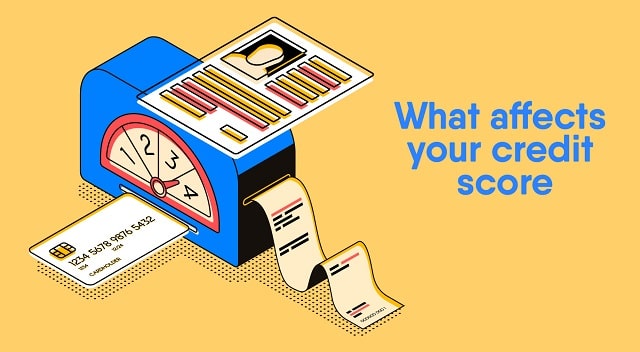
What Affects Your Credit Score And How To Increase It

what affects your credit score

There may come a time in your life when you want to buy a house or a new car and the seller will ask for your credit score. Most people can tell you their latest credit score, but they can’t tell you what affects your credit score. 

Are looking to whip your credit into good shape before a major purchase? If so, you’ve come to the right place for creating incredible credit. 

This article will teach you what affects your credit score. We'll also help you make some changes to achieve a better score and therefore a better interest rate. 

Keep reading to learn more about credit scores and increasing your numbers. 

What Affects Your Credit Score? 

When someone asks what affects your credit score what they usually mean is what negatively affects your credit score. Don’t worry, you don’t need a master's in finance to figure out how your credit score is calculated. 

Your credit score will range from 300 to 850. The higher the number the better the score. While we don’t know the exact method used to calculate your credit score, we do know some information that is important in determining your score. 

If you are looking to improve your credit score now, pay close attention to each of these five deciding factors and look for opportunities where you can improve. 

Your Payment History 

Your payment history plays a critical role in determining your credit score. Even if you only miss one payment or you are late to pay by one day it is still reported to the credit bureau. 

Missed payments and late payments negatively impact your score. 

The later the payment and more payments that you missed decreases your score a little each time. Lenders need to know that they can trust you to repay your loans on time. This will be one of the first things lenders look at before they approve your new loan. 

Your payment history accounts for roughly 35% of your FICO score. FICO is the brand of credit scoring used by most lenders these days. 

So, make your payments on time every month to keep your score looking up. 

Amount of Debt 

Next on the list of things that affect your credit score is the amount of debt you have taken on. Your credit usage is very important to leaders because they want to make sure you can handle more debt. 

If you have a lot of credit card debt outstanding or student loans this negatively impacts your credit score. Lenders take a look at your credit utilization ratio by dividing the total amount of credit you have by how much of that credit is being used. 

This gives lenders a look to see how reliant you are on your current lines of credit. 

Credit utilization accounts for roughly 30% of your FICO score. As a general rule of thumb, you don’t want to become too dependent on credit. Try to keep your balances lower than 30% of the total amount of credit available to you. If you can keep it under 10% that’s even better. 

Following this simple tip will increase your credit score and help you get rid of debt. 

Length of Credit Line 

Next up, a lender will take a look at the length of your credit lines. This means lenders will take a look at the credit accounts you have had to see how long you have had the accounts. 

The relationship length with your accounts is important. Generally speaking the longer you’ve had the account the better. 

To improve your score hold onto cards you’ve had for long periods of time. Avoid applying for every new card that gets sent to you in the mail and try to stick with the same companies for your credit. 

We’ll talk a little later on about how a new credit inquiry affects your credit, so keep reading. 

Your Mix of Credit 

People who have high credit scores also have a good mix of the types of credit accounts they use. You may have a car loan, a student loan, a mortgage, and a credit card, or some other type of credit product. It is a good idea to spread out your credit and create a mix of different types of products. 

Your credit mix accounts for roughly 10% of your overall FICO credit score. Having a diverse portfolio of credit tells lenders how well you manage a portfolio of credit products. 

If you’re trying to improve your credit score, don’t put everything on your credit card. It may be a better idea to take out a personal loan. Even something such as getting a car loan can help diversify your portfolio of credit and raise the credit score of some borrowers. 

New Credit Inquiries 

Lastly, pay attention to how many new inquiries you make and how many credit accounts you’ve opened recently. When you apply for a new line of credit the lender will perform a background check and pull your credit score and this can negatively impact your overall score. 

New accounts with new banks are an indication that you do not have an established relationship yet with that bank. If you just opened up a new credit line be sure to make on-time payments and use the line of credit each month to build up your relationship with the lender. 

Learn how to check your credit score and check it monthly to watch your score increase over time as your relationship deepens. 

The number of new inquiries accounts for about 10% of your overall FICO score. Too many accounts or inquiries can hurt your credit score and reduce your chances of getting approved. 

You Can Increase Your Credit Score 

Increasing your credit score takes hard work and patience but you can do it if you stick with it and check your credit score regularly. Now that you know what affects your credit score you know what to avoid. 

Use these tips to help boost or repair your credit so you can get better rates on large purchases like a car or house in the future. If you enjoyed reading this article on credit score factors, be sure to check out our other articles on frugal finances and investing. 

Now that you know what affects your credit score, you can improve your financial situation by visiting the Loans and Frugal Finances section of the Frugal Finance Blog.

Steps To Boost Your Credit Score Fast

steps improve your credit score

Credit score is the numerical representation of how good your credit status is with banks, credit card companies, and other lenders. Surprisingly, these numbers can tell a lot about you, at least in terms of credit and finances. 

If you pay your bills on time and pay off your loans from the past, chances are you have a score that’s enticing to lenders. The higher the number, the better you look in front of them. It means that you are more likely to qualify for loans, credit cards and more favorable terms than to those who have lower scores. 

Basically, credit score is a golden ticket to your next loan. It practically informs the lenders whether you will pass or not. So just like a real ticket, be sure to take care of it. 

We asked the loan experts from Frugal Finances for some advice on how to quickly improve our credit scores. And here’s what they have to say about boosting your credit score fast: 

Study Your Credit Reports 

Knowing and acknowledging the problem is a problem half-solved. That resonates perfectly when we talk about credit reports. Before you can improve your credit scores, you must understand and acknowledge the issues you encountered first. 

There are several factors that will make your credit report look ugly. Late payments and high credit card balances are the main culprit of lower credit scores. If your report card shows such red flags, you might want to settle them right away. 

Pay Your Balances On Time 

Lenders review your “report card” and the first thing they look for are your paying habits. Were you able to settle your most recent bills? Did you have any late payments or non- payment at all? These are initially the questions in mind when you’re being assessed. 

That’s because your payment performance from your most recent bills is a good reflection of how well you will do for the future payments of your next loan. Paying later than the agreed time will negatively affect your image as a borrower. That’s why it’s only reasonable to pay on time if you want to ace your credit score. 

There are techniques which you can use to improve your paying habits. Your bank accounts most likely have mobile app versions that feature automatic transfers. Make good use of that. This way, you won’t have to constantly think of your payment schedules and let the mobile application pay for you. 

You can also set alarms in your calendars to remind you of your next payment! Just make sure that you’re not only focused on your credit cards, auto loans and student loans. It’s also reassuring for your lenders if they know that you also pay your rent, utilities, and phone bills on time. 

Open New Credit Accounts Only If Needed 

If you think that having multiple credit cards will ultimately increase your credit score, forget it. It will only harm your standing instead of improving them. Having a credit card you don’t necessarily need only tempts you to splurge on things you don’t even need. 

When you have these cards, you tend to overspend more than you could pay. And trust us, you don’t want this to happen if you want a higher credit score

Now that we’ve stopped you (hopefully) from opening a new account, don’t even think you can apply for new credits, anyway. If you actually plan on applying for a new credit unnecessarily, here’s our take: don’t. 

The act of applying for a new credit creates a hard inquiry on your “report card”. And too much of this negatively impacts your credit score, too. What’s worse is that these hard inquiries remain on your credit report for two years. 

So as much as possible, open a new credit account and apply for a new credit only when really necessary. 

Target The 30% Credit Utilization Ratio 

There’s no better way to improve your credit score but to pay your dues monthly on time. However, if you find it hard to practice this ultimate rule, maybe you can resort to a more feasible strategy for you. Like the 30% Rule. 

The idea is that you only borrow 30% of the amount of credit that you’re allowed to borrow (credit card limits). Keeping your credit card debt to a maximum of 30% makes you look good in front of your lender and might help you get that new loan you badly need. 

It’s always good to think that a three-figure number can make or break your loan goals, and potentially your financial well-being. If you keep in mind that these numbers are as important as your account numbers, you are likely to be more wary of your actions regarding your finances. 

Maintaining a good credit score will open a lot of opportunities and it always starts with regularly checking your credit reports. From there, you can start applying the techniques that we outlined for you to rebuild your credit and easily achieve a good credit score.

How to Increase Your Credit Score Overnight - Millennial Money Management

how to increase your credit score overnight millennial money

The average millennial's credit score is 668. This means a lot of late 1980s and early 1990s babies have great credit at this point in life. But it also means a solid half fall below the "good" threshold of 670. 

Having good credit is essential for getting credit cards, personal loans, vehicle loans, and home ownership loans. Even if you can get approved for a loan, if you have lousy credit, your rates could be through the roof, increasing your cost by unreasonable amounts. 

If you have bad credit, read on to learn how to increase your credit score. A better credit score will vastly improve your ability to do things in life like getting a new cell phone or buying a house. 

Check Your Score 

You learn how to build your credit by checking it. When you measure something, you can improve it. This is why you should track down your Experian, Equifax, and TransUnion credit reports. 

Free websites like Credit Karma can give you an overview of a couple of your scores, but they may not be perfectly accurate. Check with your bank or existing credit card company to see if they can provide you a copy. 

If not, go directly to the report providers Experian, Equifax, and TransUnion to get information. 

You can go to myfico.com to get your Fair Isaac Corporation (FICO) score. This number is used to help decide whether or not you can get loans. It is helpful to track this along with your credit report scores as an overall view of your creditworthiness. 

Don't Spend Money You Don't Have 

The essential rule for using the credit you have wisely — and therefore increasing your creditworthiness — is to only use credit cards for money that you already have. 

Credit cards are not free money. You must have money in your bank account or coming next week in your paycheck that is equal to or more than the amount you are about to put on your credit card. 

If you pay your card statement completely off every month, you will not only save money on interest, but you will also improve your credit score. 

Paying off money you owe is the very essence of good credit. Build your credit and increase your scores by responsibly using your cards. This is one way how to increase your credit score quickly. 

Pay small parts of your balance more frequently. If you get paid twice a month, use some of each paycheck to lower your balance rather than waiting until the end of the month to pay the whole thing. This helps if you are trying to get approved for a loan or card mid-month, as it lowers what you owe. 

Paying Other Statements 

This goes for student loans and vehicle loans as well. Each missed payment is reported to your credit, dropping your score. If you don't think you'll make a payment this month, call the company as early as possible to work out a deal. 

Fewer Accounts, Longer History 

Don't open too many credit card accounts. Leave time between opening accounts. Each time you open an account, an inquiry is made against your credit reports. Too many of these lower your scores. 

In reality, you probably only need one or two credit cards. Get the best one you can while starting out. After building your credit with that over a few years, get a better one with rewards like cashback. 

Do not close the earlier account. Just leave it be if you don't plan to use it anymore. Closing an account shortens your credit history. 

The longer your credit history, the better your score. Companies like to see that you have been responsibly using your credit for a long time. When you close an account, it takes away part of your history. 

If you must close accounts, do not do it all at once. Your credit history will virtually disappear, tanking your score. Instead, pay off your cards and then simply stop using all but what you need. 

Use a Small Percentage of Your Credit 

Every time you are eligible for a limit increase, take it. Even if you don't need $15,000 on your credit card. 

This is beneficial because if you increase your limit but not your spending, your credit-to-usage ratio increases. The bigger the gap between how much you spend and how much you could spend, the higher your credit score will be. 

If you need to figure out how to build credit fast, this is one of the few times where it might be helpful to apply for a new card while trying to improve your score. A new card will increase your credit to spending ratio, and improve your score. 

The caveat is to not increase your spending. Also, do not open more than one new account at a time. Having too many new accounts also affects your score. 

Benefits of Improving Your Credit Score 

If you build up your credit, you will notice dramatic changes in what you can do in your life. You will find it easier to get a cell phone and plan. You will be offered better terms on vehicle loans. 

You might even be able to lower your insurance rates with a re-score. Learn more from this article. 

One of the best things a higher credit score can do for you is to change your housing options. A lower score may keep you in an expensive apartment in an undesirable location. A better score may help you find a higher quality apartment or even get approved for a home loan. 

Now You Know How to Increase Your Credit Score

Now that you know how to increase your credit score, get started as soon as possible. One of the best ways how to build credit today is to stop anything that might harm your credit score further, like leaving bills unpaid or collecting interest. 

Pay off as many bills as quickly as you can. Develop a budget that keeps you from overspending on credit cards, but don't close your credit card account. These financial tactics will help to boost your credit score quick.

A better credit score is possible. Learn more about healthy finances from My Frugal Fitness's articles to better boost your credit score and demolish debt.

How To Pay Off Debt Efficiently

how to pay off debt efficiently

Living off of credit has become a necessary evil. It can be the only way out of unfortunate events, such as a sudden job loss or serious illness. This can have a knock-on effect and lead to living from paycheck to paycheck, battling to make ends meet. 

It may not seem like it at the time, but there are easy steps to becoming debt-free. It all starts with examining your finances. It’s not all doom and gloom! If you can see where you’re spending money and where you may be able to save, you can trim your debt down in no time. 

High Interest First 

You may look at your finances and consider paying the debt with the highest balance off first. Instead, look at which of your debt has the highest interest. If you prioritise paying off the debt with the highest interest first, then you can redirect more funds towards your other debt. 

By paying off your accounts that accrue interest, you’ll save money in the long run. The longer you let this debt continue, the more interest builds up, so it’s wise to get this out of the way first. 

Consolidation Loans 

One option to consider is applying for a debt consolidation loan, which means you can pay off your accounts while borrowing money at a lower interest rate. You’ll also have fewer payments to make at the end of the month, as you’ll end up with only one payment at the end of the month - the loan. 

With your debts paid off, you can look at paying extra on your monthly repayments, which will help you save money on the interest in the long run. You may not see your credit score improve within the first few months after paying your debt off. But by the fourth month, when all information has been updated and passed on to credit bureaus, you’ll see that your score has improved. 

Prioritise Spending 

You may be shocked at how much you spend on things like buying lunch every day. It takes some discipline, but when you start looking at what you need versus what you want, you'll see how much you could be saving. 

It won’t be a lifelong sacrifice, and there are money saving applications that can help you put a budget together and keep your spending activities on track. 

Go Big 

When paying monthly installments, pay extra towards the account with the highest interest rate. Once that’s paid off, do the same with the next loan. 

If you want to eat an elephant, you have to do it one bite at a time! It’s the same approach with your debt. Tackle it one debt at a time, paying off the highest interest and working down to the accounts with the lowest interest. 

Keep Track 

Keep track of what you actually spend on a monthly basis (this includes things like the chocolate bar you bought yourself as a treat). Also keep track of what you’ve paid towards your monthly installments. This will identify two important things: 

• Your spending behaviour. 
• What you’re spending on. 

You may also find areas where you can cut back on spending. All extra cash that you free up must go towards paying off your debts

Conclusion 

It’s always a good idea to pay your debt off as quickly as possible. We understand that sometimes this may seem like an impossible task. 

But debt doesn’t have to feel like a jail sentence! Reach out and check your options here. Friendly Finance is here to help you find the best financial solution.

6 Smart Ways To Finance Quality Dental Care Even If You Have Bad Credit

smart ways finance dental care bad credit pay dentist no money

Many people don’t like visiting a dentist, but the visit can be made even more unpleasant thanks to the potentially huge financial cost. While a normal filling would only set you back a few hundred bucks, you might potentially incur a four-digit cost due to major dental surgery. 

Money shouldn't be an obstacle to having the best smile and oral wellbeing you can. In this guide, you will find smart ways to finance dental procedures. 

1. Third-Party Financing 

Many dentists do provide third-party patient financing options. They are a kind of short-term lending program for clinical care. Those facilities are provided at the discretion of the company. 

Typically, at the time of operation, a sort of down-payment is expected and they will usually review your credit score to make sure you are eligible. However, the rate you get through in-house lending from your dentist may be considerably higher than the rates you will be able to get elsewhere. If you need a cost-friendly dentist, be sure to contact this dentist in west seattle wa for urgent dental care and treatments.

2. Medical Credit Cards 

Medical credit cards work much the same as any credit card. The downside is that only companies who accept these kinds of cards will use them to pay for medical expenses. Like payment plans, these cards usually offer deferred interest for a number of months, meaning you can pay off the balance without interest charges immediately. 

3. Personal Dental Loans 

Personal dental loans are usually financial loans intended to pay for dental care. A personal loan is an unsecured loan that can be used for just about anything and due to the versatility, more individuals are using personal loans to pay for medical costs out of pocket. 

You can use personal dental loans to fund procedures such as dental implants. Using a personal loan to fund dental care (dental loan) could be a safer choice than using a credit card. The lower the interest rate, the lower the monthly contribution you make. And with personal loans, interest rates tend to be smaller than that of credit cards. 

4. In-House Financing 

It would be much more affordable to pay a bill on a weekly or monthly basis than to pay it in a lump sum. It is for this purpose that dental clinics will provide adjustable payment options for non- insurance procedures. 

Some dental offices can provide different rates based on the situation, so ask your dental office if they are offering in-house funding for expensive procedures. 

Such kinds of mortgage loans also come with little or no interest rates and if your dentist provides this program, it will save you a lot of money. 

5. Dental Insurance 

Dental insurance is one of the most popular dental funding solutions that can assist with the cost of dental care by providing you with a way to make regular annual contributions for your costs (or at least a portion thereof). Most plans also have annual caps, so don't expect the insurance to cover all of the expenses anytime you visit the dentist, particularly if you have bad oral health and frequently need dental work. 

6. Dental School Clinics 

Dental school clinics can be a perfect option for dental care at a reduced cost. To get certified, dental students need the training but not everyone is willing to become their first patient. The dental care is not entirely free but much more affordable than a standard dental clinic. Many would bill you depending on your salary. 

How To Pay For Quality Dental Work With Bad Credit 

Although bad credit takes a more imaginative approach when seeking a dental loan, you do have several options. 

Whether you are taking out a loan or borrowing from your home equity, they are ways to finance the dental care you need. Both of the aforementioned solutions are also applicable to patients with bad credit. However, you can expect higher interest rates to compensate. 

Conclusion 

Your financial and dental wellbeing will be enhanced by taking the time to consider your choices and commitments. Being positive about the wellbeing of your mouth would keep you smiling confidently for years to come. That's because routine dental checks by trained dental practitioners will improve your overall health and wellness by finding issues before they arise. 

Do your homework, read the fine print, ask lots of questions and be sure to seek out professional financial or credit advice.

Do I Qualify For Debt Consolidation Loans With Bad Credit?

do i qualify for debt consolidation loans bad credit

Are you thinking of taking out a consolidation loan? Smart move! 

Debt consolidation is an effective way to repay your debts and find financial freedom. When you have multiple loans charging high interest rates, it makes financial sense to consolidate them into one loan. 

Sounds exciting, right? 

The only problem is not everyone qualifies for a consolidation loan. Especially if you have bad credit, it’s natural to worry about getting approved for a consolidation loan. 

So, is it possible to qualify for debt consolidation loans with bad credit? 

Keep reading to find out. 

How Debt Consolidation Loans Work 

Before digging into your bad credit situation, it’s important to have a good understanding of how credit consolidation works. 

Let’s say you have the following loans: 

• Auto loan – $9,000 at 9% per annum 
• Credit card -- $5,000 at 11% per annum 
• Personal loan -- $2,000 at 6% annum 

To consolidate these loans, you’ll have to take out a $16,000 loan. You’ll then use the money to pay off these loans. Since the weighted average for these loans is 8.6%, you will get a lower rate. 

The interest rate charged on your debt consolidation loan will depend on a range of factors, including your current credit and income level. 

The Requirements For Getting A Debt Consolidation Loan 

The requirements for getting a debt consolidation loan vary from lender to lender. 

Typically, though, you’ll need to have good credit (anything above 630) and provide proof that you have the ability to repay the loan. In most cases, lenders want your paystubs if you’re in formal employment, or if you’re in self-employment, your business’ bank statements. 

Some lenders might look at the age of some of your existing loans. 

Can You Get Debt Consolidation Loans With Bad Credit? 

Clearly, lenders want to do business with consolidation loan borrowers who have good credit. However, this doesn’t mean your chances of getting approved for this loan are gone. It just gets harder, but not impossible. 

The consequence of getting approved for a consolidation loan with bad credit is you’ll not get the cheapest interest rate. It’s important to check and ensure that you’re getting a rate that’s lower than the weighted rate of all the loans you want to consolidate; otherwise, the consolidation loan won’t make any financial sense. 

How To Improve Your Chances Of Getting A Consolidation Loan With Bad Credit 

There are steps you can take to enhance your chances of getting approved for a consolidation loan. 

One, focus on proving your ability to repay the loan. If you’ve got a job, you can offer to back up the loan with a valuable asset, such as a house. In some instances, it might be better to go for a secured debt consolidation loan instead of an unsecured one. 

Two, try to improve your credit before making the application. Sometimes a simple thing, such as correcting a clerical error on a credit report or paying off a late bill is all your credit needs to improve. 

Third, it’s advisable to use the services of a debt consolidation specialist, like Debthunch. Wondering who is Debthunch? Check out their page. 

You Can Get A Consolidation Loan With Bad Credit 

Debt consolidation is an ideal debt management strategy. If you have bad credit, though, things can be a bit complicated. With this guide though, you now know how to get debt consolidation loans with bad credit. 

Keep tabs on our blog for more money tips and insights. Visit the Loan section of our blog right now.

New Frugal Finance Blog Posts & Articles