Showing posts with label Preventative Medicine. Show all posts

9 Tips To Choose An Interventional Radiologist

tips choosing interventional radiologist medical specialists radiology

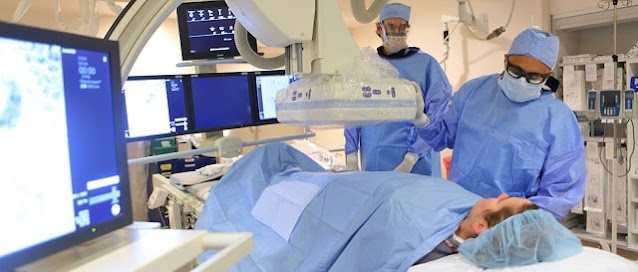
Interventional radiologists are skilled doctors that have been trained to diagnose and treat various diseases without the need for major open surgery. Great interventional radiologists must meet the following qualifications for optimal patient care. 

1. Board Certification 

Board certification is proof that your interventional radiologist has gone through extra training after completing their initial program. They have passed extra tests and can perform interventional radiology procedures safely. 

2. Attention To Quality 

Always prioritize quality when looking for an interventional radiologist. They don’t necessarily need to have performed hundreds of procedures. Consider asking the following questions to determine their likelihood to deliver high-quality services. 

● How many people have improved after this procedure? 
● After how long can I see the results? 
● How do you handle unexpected complications? 
● What is the expected recovery time? 

3. Experience 

The best interventional radiologists should be experienced. Most procedures require technical skills and specialists with little or no experience may be unable to deliver good results. A small mistake may have severe consequences. 

4. Reputation 

Find an interventional radiologist with a solid track record. You can determine their reputation by taking a look at their online reviews. If they have a lot of negative reviews, you may need to find other options. Alternatively, you may get recommendations from your networks. 

5. Honesty 

The right interventional radiologist should be honest and realistic. They should let you know when you are not a good candidate for a procedure. Your radiologist should be willing to have an honest conversation with you. They should let you know the benefits of specific procedures and potential side effects. 

6. Comfort 

When trying to find an interventional radiologist, go for one who makes you feel comfortable from the beginning of your appointment to the end. They should be willing to address your questions and concerns. Pay attention to the general feel of the office and how other members of staff treat you. 

7. Location 

You will probably be visiting your interventional specialist a lot, so it is important to ensure that they are close to your home or job. You should not have to travel hours to reach them. A convenient location makes it easy to show up for all your appointments. 

8. Your Unique needs 

Every patient has unique needs and it is important to find an interventional radiologist that meets yours. If, for example, you need treatment for uterine fibroids, consider finding a specialist who has a special interest in it. 

9. Trust Your Instinct 

The process of finding your interventional radiologist is personal and you should not work with anyone who does not feel right. Consider the following questions before making a decision: 

● Did you feel at ease the first time you spoke? 
● Did they answer all your questions? 
● Did they give you enough time to ask questions? 
● Did you understand their answers? 

Pick The Right Interventional Radiologist

Choosing an interventional radiologist does not need to be a difficult process. Important things to consider include certification, experience, and instinct. If anything feels wrong, you may need to explore other alternatives.

What Are Allergies? Symptoms, Diagnosis, And Treatment

what are allergies symptoms diagnosis allergic reaction treatment

Allergies are a prevalent disease that affects over 50 million people in the United States. If they are not treated, allergies can make it difficult to exercise, work, or spend time outside. Dr. Nass and his colleagues at the office of Richard L. Nass, M.D., F.A.C.S. focus on the diagnosis and treatment of allergies in East Hampton, New York, and Midtown East, Manhattan. Schedule an initial consultation with East Hampton allergies specialist, Dr. Nass, today through mobile or request online. 

What Exactly Are Allergies? 

Allergies develop whenever your immune system responds abnormally to a harmless object such as pollen, pet hair, or dirt. When your immune system recognizes a thing as potentially hazardous, it creates antibodies, which are proteins that combat invaders such as fungus, viruses, or bacteria. 

An allergic reaction is triggered by an upsurge in antibodies, which causes inflammation in numerous body systems such as your digestive tract and sinuses. This inflammation affects everybody differently. Allergies might be a mere irritation for some people, but they can lead to major difficulties for others. 

What Are Some Of The Signs And Symptoms Of Allergies? 

Allergies can cause the following symptoms: 

·         Wheezing 
·         Sneezing 
·         Hives 
·         Itchy eyes 
·         A runny or stuffy nose 
·         Stomach ache 
·         Facial swelling 

If you suffer from anaphylaxis (a life-threatening allergic response), you may have serious breathing difficulties, loss of consciousness, or lightheadedness. 

When Should You Make An Appointment With An Otolaryngologist To Discuss Your Allergies? 

Mild and moderate allergies frequently respond to conservative, at-home treatments such as avoiding certain allergens and using over-the-counter medications. If your symptoms continue, intensify, or affect your everyday life, schedule a meeting with Dr. Nass immediately. 

What Methods Are Used To Identify Allergies? 

Dr. Nass performs a physical exam and questions regarding your allergy symptoms, such as when they began, how serious they are, and whether particular activities, such as being outside, aggravate them. 

Dr. Nass then orders a series of tests, including: 

-  Prick Test On The Skin 

Dr. Nass uses a skin prick test to subject you to trace levels of proteins identified in allergies. If your skin swells or becomes red, it signifies you are allergic to that drug. 

-  Specific IgE Blood Test 

A particular IgE test looks for antibodies to immunoglobulin E (IgE), which are the proteins that trigger allergic responses. The more your IgE levels, the more probable you are to have allergy symptoms. 

What Is The Treatment For Allergies? 

Allergy treatment is determined by your unique triggers, the intensity of your symptoms, and the impact they have on your everyday life. Dr. Nass and his staff typically advocate for conservative means of care, such as: 

·         Avoiding allergens 
·         Immunotherapy 
·         Prescription allergy medications 
·         Over-the-counter allergy medicine 

If you have a serious allergy to a specific drug, Dr. Nass may also recommend emergency epinephrine. In the case of anaphylaxis, epinephrine is a life-saving drug. 

An allergic response, particularly anaphylaxis, can be fatal if not recognized and treated quickly enough. Arrange a meeting with Richard L. Nass, M.D. by contacting the nearest office or booking online to find out more about allergy therapy.

Importance Of Lifestyle Preventative Medicine

importance lifestyle preventative medicine preventing disease

Traditional medications might not always work on your condition, and you would need an evidence-based therapeutic approach to healing. Not all doctors would propose an approach to health, and you should find experts in lifestyle preventative medicine in Katy, TX, who can guide you through the treatment. These preventive approaches prevent, treat, and reverse chronic lifestyle-related conditions. Read on to learn more about the lifestyle preventative medications which might work for your condition. 

What Are The Preventive Services? 

Lifestyle medicines are therapeutic measures that prevent infections and can work complementary to regular medications. Unhealthy lifestyle choices might account for more than 80% of infections. Services available under preventative medications treat conditions such as blood pressure, diabetes, and high cholesterol levels. The treatments might also work for cancer screening and sexually transmitted infections. 

Who Is A Lifestyle Medicine Doctor? 

Lifestyle medicine physicians are trained experts who deal with medical issues such as nutrition, sleep management, substance abuse, physical exercise, and building healthy relationships. They can educate and empower you on healthy lifestyle choices and behaviors that can help you take control of your life. 

Benefits Of Lifestyle Medicine 

Lifestyle medications might work well for chronic diseases such as type 2 diabetes as it guides you on effective diets which reduce the symptoms of the diseases. The physician might develop physical exercises that help burn the fat reducing the cholesterol level leading to effective insulin control. 

It may also work well on autoimmune diseases, as doctors can develop treatment therapies that improve the body's response to specific triggers. The triggers might worsen the autoimmune diseases, and effective control of the body's reaction reduces the autoimmune condition. Moreover, your doctor can reduce the prevalence of heart disease as they help formulate diets with the right amounts of sodium and potassium as they are key factors for heart health. Additionally, the doctors would recommend food that reduces cholesterol plaque on the blood vessels as they impact your heart health. They would also develop cardio exercises which promote better heart health. 

Other conditions such as irritable bowel movement, obesity, and ulcerative colitis might be associated with lifestyle choices. You may need to communicate well with your doctor on these diseases; symptoms and help formulate life choices that prevent the diseases. 

What To Expect From Lifestyle Medicine 

A lifestyle doctor would review your current health status and formulate lifestyle choices you need to make to improve your condition. Chronic health and health concerns might improve with lifestyle medicine. You should choose nutrition supplements and healthy diets that promote better health, engage in exercises, and mental health routines that improve your health. 

Final Thoughts On Lifestyle Preventative Medicine

Lifestyle medications are effective when dealing with different conditions that are associated with lifestyle choices. Your lifestyle medicine doctor might evaluate your current health and formulate the choices you should make to improve your health. First, you would consider your diet as it dramatically impacts your health, leading to irritable bowel movements, heart disease, and other diseases such as diabetes. Secondly, you would engage in physical therapy, which helps improve your joints, increase blood flow, and improve your health outcome without spending too much money. Good luck finding the appropriate preventive lifestyle medicine suitable for your medical condition.

Preventing 5 Common Workout-Related Injuries

preventing common workout related injuries


If you are on your way to becoming physically fit and healthy, it means that you also understand what a fitness journey entails. Cutting excessive calories from your diet and sweating it out for hours at the gym are some sacrifices that you need to do to achieve your fitness goal. It sounds like a lot of work but the end result is definitely worth every sore muscle. 

While doing workouts, however, safety should not be taken for granted. You need to listen to your body as well. Research shows that among the injuries that happened in fitness facilities, 36.2% were due to overexertion or strenuous and unnatural movement, 16.3% of cases were due to dropped weights, and 12% were caused by tripping or falling during group exercises and twisting or landing awkwardly while performing an exercise routine. 

Your body has a great biomechanical design that can tell you when you are doing something wrong, or when you are pushing your body too far. Too much of anything is never good and the same thing applies to working out. Getting injured while in the middle of your fitness journey is the last thing that you want to happen. If you’re not careful, it can take you all the way back to square one. 

5 Common Workout-Related Injuries 

Injuries related to fitness and workout can be attributed to several factors. Here are the common injuries that can set you back days or months from your fitness goals, depending on their severity. 

1. Shoulder Injury 

Your shoulders have ball-and-socket joints that allow you to perform a flexible range of motion but they are also rather unstable. Your shoulders have four sets of rotator cuff muscles that facilitate movement. When you use your shoulder muscles and tendons repetitively, they can get injured and become inflamed, known as tendinitis. If you push through your exercise despite the pain in your rotator cuff muscles, the tendons connecting them to your shoulder joints might tear. 

2. Ankle Sprain 

Sudden movement can make you lose balance and end up twisting your ankles and their ligaments. This condition is known as an ankle sprain. The signs and symptoms of ankle sprain include pain that worsens when moving, swelling and bruising, tenderness, and a limited range of motion. It has been shown that in order to recover faster from an ankle sprain, rigid immobilization of the affected foot must be observed. Doctors can apply a post-mold cast to immobilize the area below and above your injured ankle. To facilitate your mobility, you might also need to use the best crutches for exercise injuries to help you move around. 

3. ACL or PCL Injuries

The anterior cruciate ligament (ACL) and the posterior cruciate ligament (PCL) are located in your knees. The ACL prevents your tibia from sliding forward while your PCL prevents it from sliding backward in reference to your femoral bone. Your ACL and PCL are important to stabilize your knees and support your weight and movement. Injuries to the ACL and PCL usually happen when playing sports or doing exercises that require an agile change in direction. These injuries are quite painful and, in severe cases, require surgery. 

4. Patellar Tendinitis 

Also known as patellar tendinopathy, patellar tendinitis is a common example of overuse injury that affects runners. Your patella or kneecap is a floating bone in your knee that is surrounded by tendons. Excessive use of your knees through running or jumping can damage your patellar tendons, resulting in inflammation. The signs and symptoms of patellar tendinitis include a gradual-onset pain over the knee cap that worsens when you put weight on your knees, a limited range-of-motion in the affected knee, and an obvious swelling in the area around the kneecap. 

5. Lower Back Pain

Experiencing pain in your lower back during or after exercise can be attributed to weak lower back muscles from prolonged sitting at home or at work. Improper use of body mechanics when lifting weights can also lead to lower back pain. 

How to Prevent Workout-Related Injuries 

Just like being physically fit, you have a major (if not total) control in preventing these 5 common injuries through the following tips:

- Do your warm-up exercises before working out. 
- Increase the level and intensity of your workout gradually. 
- Use the correct technique and body mechanics when lifting weights. 
- Keep your cells healthy by drinking adequate fluids and electrolytes. 
- Listen to your body’s needs. 
- Do not overexert yourself. 
- Eat foods that are rich in protein to aid cell repair. 
- Allow your body to rest and heal itself. 
- Cool down after your workout. 

If you're dealing with chronic or debilitating pain that prevents you from the necessary physical activity then I'd recommend OTC pain relief products. These high quality gels and patches will allow you to do the strengthening and stretching exercises needed to prevent or rehabilitate injuries that can happen during workouts. 

Conclusion

Remember that no matter how fit you think you are, you are not immune to injuries. Even the best athletes and fitness professionals suffer from injuries at least once in the course of their career. Prevention is still the best countermeasure.


For More Great Tips, Get My Best-Seller On Amazon:
frugal fitness tip

I hope you enjoyed this article about how to prevent common workout-related injuries and improve performance.

Interested in more articles about frugal fitness? 

Read My Posts:

- Peanut Butter Crunch Healthy Snack

- Top 15 Power Foods

Stay Frugal & Fit My Friends!

Frugal Fitness Found
World Wide Wellness
Free Workouts & Food On A Budget
"Crushing Fitness Costs Worldwide"
#FrugalFitness

Also visit the Bootstrap Business Budget

Starve Cancer By Eating! Anti-Angiogenesis Foods That Fight!


Contributed By Amanda Santucci, Author of The Skinny Spice
Did you know you can essentially starve cancer cells? True story.
Watch this amazing talk from TED (below). If you don’t have time, I’ll give you the cliff note version. Our body can regulate capillary growth by growing capillaries to heal injures or pruning them back when they are not needed. Abnormal angiogenesis is at the root of many diseases, such as cancer, Alzheimer’s,  arthritis, obesity, stroke, and coronary heart disease. This study found that certain foods can essentially help prevent abnormal angiogenesis, such as berries, cocoa, cucumbers, red wine, turmeric, garlic, and tomatoes, etc. This is called Antiangiogenic Therapy.
William Li: Can We Eat to Starve Cancer?
Another interesting part of the study is that abnormal capillary growth also aides obesity, because fat is dependent on it. When overweight mice were given Antiangiogenic Therapy, they lost weight. More interestingly, they only lost enough weight to bring their body weight down to that of a normal healthy mouse.
I created a fruit salad that is delicious and uses many antiangiogenic foods. I am continuing to put special effort into creating recipes that consist of many antiangiogenic foods.
Berry Beneficial Salad:
1 carton strawberries (cut into small pieces I cut them in quarters then I cut each quarter in half)
1 carton blueberries
1 carton blackberries (cut in half- horizontally)
1 carton raspberries
2 tsp agave
2 tsp. lemon juice
½ tsp cinnamon
What to do:
1. Place blackberries, blueberries, and strawberries  in a large bowl.
2. Put raspberries in a separate smaller bowl and crush with a fork until nearly liquid-like. Add agave, lemon juice, and cinnamon. Mix together. The picture to the left is what everything looks like before you mix the two mixtures together. Step 3


3. Coat berry mixture with raspberry mixture. Add coconut shavings if you like to pretend you’re like me and like to pretend you live in Hawaii.
**Eat by itself, over pancakes, on top of greek yogurt or oatmeal, etc.!**
Berry Goodness

Frugal Fitness Fun For Everyone! Subscribe Today


For More Great Tips, Get My Best-Seller On Amazon:

I hope you enjoyed this article about how to live healthier on a frugal budget and maximize your performance!

Interested in more articles about frugal fitness? 

Read My Posts:

- 10 Reasons Why You Aren't Seeing Muscle Gains

- Just How Natural Is Natural Bodybuilding?

Stay Frugal & Fit My Friends!

Frugal Fitness World Wide Wellness
Free Workouts & Nutrition On A Budget
"Crushing Fitness Costs Worldwide"
#FrugalFitness

Also visit the Frugal Marketing

Potentially Reduce Thyroid Cancer Risk: Thyroid Guard During Dental X-Rays & Mammograms!

reduce thyroid cancer risk use thyroid guard during x-rays
Example of a proper thyroid guard applied to patient prior to X-ray

Very important tip! Not all doctors, dentists, and medical professionals are properly educated on the risks of unnecessary X-rays or protecting all areas being x-rayed, or they might be lazy. So please read this and insist on "full coverage", just ask because it won't cost you any extra. This is important for anyone to realize, women AND men. Don't over-expose yourself during x-ray procedures unless you love radiation and uncontrolled cell growth. Sometimes Dr. Oz exaggerates risks from certain products or services etc but in this case I think he makes a very valid point!

*On Wednesday, Dr. Oz had a show on the fastest growing cancer in women, thyroid cancer. It was a very interesting program and he mentioned that the increase could possibly be related to the use of dental x-rays & mammograms.* 

*He demonstrated that on the apron the dentist puts on you for your dental x-rays there is a little flap that can be lifted up and wrapped around your neck. Many dentists don't bother to use it. Also, there is something called a "thyroid guard" for use during mammograms.* 

*By coincidence, I had my yearly mammogram yesterday. I felt a little silly, but I asked about the guard & sure enough, the technician had one in a drawer. I asked why it wasn't routinely used. 

Answer: "I don't know. You have to ask for it." *Well, if I hadn't seen the show, how would I have known to ask?* We need to pass this on to our daughters, nieces, mothers and all our female friends & husbands tell your wives!! I just did,now you send it on to your list.
This advice could help to reduce your risk of certain cancers!


Frugal Fitness Fun For Everyone! Subscribe Today


For More Great Tips, Get My Best-Seller On Amazon:

I hope you enjoyed this article about how to live healthier on a frugal budget and maximize your performance!

Interested in more articles about frugal fitness? 

Read My Blog Posts:

Stay Frugal & Fit My Friends!

Frugal Fitness World Wide Wellness
Free Workouts & Nutrition On A Budget
"Crushing Fitness Costs Worldwide"


Also visit the Bootstrapped Entrepreneur

New Frugal Finance Blog Posts & Articles