Showing posts with label Disease. Show all posts

7 Most Common Pests In Cedar Park Texas

most common pests cedar park tx pest control

Pests are potential problems everywhere these days. They often take over warm areas such as the southern states in the US and multiply. Cedar Park in Texas is a beautiful area but unfortunately also a fertile and welcoming environment for pests. As such, there are a wide variety of pest problems that you may experience in your home. Termites, roaches, and fleas are some of the most common pests in Cedar Park and the Houston Texas area. 

It is important to get treated for these pests as soon as possible to avoid them from spreading throughout your home or business. And it is advisable to call an exterminator who is experienced in dealing with pest control Cedar Park. 

Don't take the risk and try and handle it yourself or you could make problems worse. Let the pest control pros handle the following most common pests around.

7 Most Common Potential Pests

1. Termites

The most common pest in Cedar Park TX is termites. These pests do a tremendous amount of damage, often leaving huge holes in your home and costing you lots of money to repair. Some of the common telltale signs of termites are the presence of mud tubes that travel between the colonies within your home. Termites and other pests could spell disaster for your home and health. Termites are terrible news indeed.

We will now look further into other common pests in Cedar Park Texas besides termites that you should try and prevent. 

2. Ants 

Ants are social insects that live in large colonies. They can be found almost anywhere but particularly like warm, humid areas of your home. They feed on sugar so many are attracted to the kitchen and bathroom. Ants can enter your home through cracks and crevices, particularly around doors and windows. Their nests have five castes: egg-laying queen, multiply, soldiers, workers, and immature ants. Fire ants can be common in Texas and cause pain and inflammation with their bites. Bust out the ant traps and ant killer spray to avoid these pests!

3. Bed Bugs 

Bed bugs are small, nocturnal insects that feed on the blood of humans and animals. They lay their eggs in cracks and crevices in your home. Because there is no direct way to kill them, you will have to treat these pests with pest control in Cedar Park. 

4. Cockroaches 

Cockroaches are common household pests that can be found anywhere that food and water are stored. They multiply rapidly and can be very difficult to get rid of. A cockroach's favorite hiding spots are in closets and cracks around windows, doors, and electrical outlets. 

5. Fleas 

Fleas are very common pests that all ages of people suffer from. Beds, couches, floors, and carpets can be infested with these pests, and their bites can cause health problems for infants, children, pets, and the elderly. Fleas are parasitic insects that have several life stages: eggs, larvae, and nymphs. 

6. Ticks

Ticks are usually hiding on plants and in the woods, waiting to latch on to new hosts to suck their blood. Ticks can be a simple gross nuisance or be especially dangerous if they give you Lyme disease. Always check for ticks all over your body after hiking or doing yardwork.

7. Mosquitoes 

Mosquitoes are common pests that are attracted to dark areas, stagnant water, and light. You will need effective pest control to get rid of them in addition to draining standing water. In some areas, mosquitoes have created severe problems, especially during the summer months in TX. They can carry many dangerous and deadly diseases as well.

Pest Prevention 

As you can see, there are many unpleasant pests that you could deal with if you aren't careful. And this isn't even taking into account the snakes and mice you might deal with in the Houston Texas area! Take simple precautions, keep your home clean, and call professional pest control services if needed. You will need expert help being on pest patrol!

Reflux Surgeon In Atlanta Suggests How To Control GERD Symptoms With Diet And Lifestyle Changes

how to control gerd symptoms lifestyle changes diet reduce reflux

One out of 5 Americans suffers from GERD or Gastroesophageal Reflux Disease. It is a condition, where acidic contents from your stomach constantly leak up in your esophagus tube that connects the throat and stomach. When a valve at the bottom of the esophagus called the lower esophageal sphincter fails to close properly after food enters the stomach and digestion starts, the acid backwash flows towards the throat and gives your mouth a sour taste. Acid reflux occurs at some point, but when it occurs frequently, then you need to visit your doctor. 

The experienced doctors at Peachtree Surgical & Bariatrics offer reflux surgery in Atlanta to patients struggling with chronic acid reflux. Nevertheless, there is also a need to make lifestyle and diet changes so you can avoid surgery by keeping indigestion at bay. 

The main symptoms of chronic acid reflux are constant acid regurgitation and heartburn. Some people don’t feel heartburn but experience chest pain, trouble swallowing, or hoarseness when they wake in the morning. Your throat may also feel tight and choked. GERD even causes bad breath and dry cough. 

Anti-Reflux Diet 

Some studies report how simple dietary changes have helped sufferers to reduce their GERD symptoms significantly. 

● Be conscious in choosing food and beverages. Monitor the kind of food and drinks that agitate your symptoms often. Avoid the ones that trigger your symptoms. Common foods that trigger acid reflux include carbonated beverages, tea, coffee, spicy foods, fatty, and fried foods. Even tomatoes, citrus fruits, onions, garlic, chocolate, and peppermint aggravate GERD symptoms. 

● Large meals take a long time to leave the stomach and can stress the valve between the esophagus and stomach. Therefore, eat small meals frequently. 

● According to research, beer and white wine induce reflux, so avoid alcohol. 

Lifestyle Changes 

● Excess weight increases the possibility of distorting valve anatomy, which can trigger reflux. 

● Never lie down flat within 3 hours of eating. As the valve is not working properly, the stomach's acidic content flows back towards your throat. Therefore, don’t recline for 3 hours after eating. 

● According to research, resting at a little inclined position facilitates the gravity to work. Therefore, raise the head side of the bed by 7 to 8 inches, so that the nighttime reflux episodes get reduced. 

● Maintain a healthy weight to reduce stomach pressure because an increase can trigger GERD symptoms. 

● Nicotine weakens the connecting valve between the esophagus and stomach, so refrain from smoking. 

Recover Your Life From Recurring Reflux

Reflux occurrence now and then is normal, but if it disturbs your life, visit an experienced Bariatric surgeon in Atlanta. Keep these tips in mind to help get rid of GERD and reduce reflux. Reflux doesn't have to rule your life!

Resolve Lyme Disease Infection And Associated Symptoms Through Customized Care In Arkansas

lyme disease symptoms treatment infection custom care

Lyme disease is diagnosed in over 30,000 people each year, with symptoms including joint pain, headaches, fever, and body aches. Contact the medical professionals at Arkansas Regenerative Medical Centers in Fayetteville, Arkansas, if you observe the telltale bull's eye rash, which suggests Lyme disease. The specialists offer an extensive diagnosis for Lyme disease and have tailored therapies to help you get rid of the infection and alleviate the symptoms. For comprehensive care for lyme disease in Fayetteville, AR set up a consultation with the practice by calling the office or requesting online today. 

What Is Lyme Disease? 

Lyme disease is a life-threatening bacterial infection caused by the Borrelia burgdorferi bacteria transmitted by black-legged ticks. You are more likely to come into contact with a tick carrying the bacteria if you spend much time outside in wooded areas or tall grass. 

When a tick bites you or you have to pick a tick, you will notice a little red bump that looks like a mosquito bite. If you have Lyme disease, though, the red bump spreads and sometimes has a pale, flesh-toned base, resulting in a rash that resembles a bull's eye. The rash of Lyme disease is not normally itchy, but it can be warm. 

Some signs and symptoms of Lyme disease in its early stages include: 

•   Swollen lymph nodes 
•   Headaches 
•   Fatigue 
•   Fever 
•   Neck stiffness 
•   Body aches 

Lyme disease symptoms worsen over time if they remain unattended, and it can seriously interrupt your life. You may, for instance, experience extreme joint pain and inflammation. Joint pain is most common in the knees, but it can occur in any joint of the body. You may also have neurological issues, including Bell's palsy, meningitis, and limb impairment or weakness. 

How To Diagnose Lyme Disease 

Dr. Harshfield and the experts at Arkansas Regenerative Medical Centers use an extensive evaluation, physical exam, and several tests to rule out other potential causes of the symptoms before diagnosing Lyme disease. 

They check for the bull's eye rash and ask you questions concerning your symptoms, like if a tick has bitten you. Dr. Harshfield also uses the Western Blot and enzyme-linked immunosorbent assay tests to look for released enzymes once you have an infection. 

How To Treat Lyme Disease? 

Antibiotics have conventionally been used to treat Lyme disease. A drug could be part of your care plan. But also, Dr. Harshfield and the experts at Arkansas Regenerative Medical Centers offer other care options to revive your general health and help the body battle the bacteria. 

They can recommend nutritional supplements, such as IV nutrition therapy, to guarantee that your body has what it requires to heal. They also advise making dietary improvements to preserve the digestive system's flora. 

Antibiotics can be harsh on your gut, upsetting the fragile equilibrium in your intestines. Including probiotics in your diet can help you maintain a healthy digestive system and avoid unpleasant side effects. 

Let Go Of Lyme Disease

The Arkansas Regenerative Medical Centers accepts many major health care plans and welcomes new patients. If you are worried about Lyme disease, call the office or set up an appointment online today.

Clinical Health Care Programs For Amyotrophic Lateral Sclerosis In Pasadena

clinical health programs amyotrophic lateral sclerosis treatment als symptoms

Amyotrophic lateral sclerosis (ALS), also known as motor neuron disease or Lou Gehrig's disease highly affects the elderly, mainly in men. About 15 new cases are reported daily, mostly Caucasian Americans. This condition affects the brain networks motor neuron in charge of voluntary muscle movement in the mouth, throat, chest, arms, and legs. 

If you are affected by a nerve or brain condition, seek advanced health care services from leading specialists in the field. In Pasadena ALS health care services are at Hospice and Palliative Care of California. To learn more about ALS, contact Sabri Malek, MD, and the caregiving team via a call to the office in Pasadena or book an appointment through the online tool today. 

Amyotrophic Lateral Sclerosis (ALS) 

ALS is a degenerative condition that is progressive and causes the destruction of nerve cells that manage voluntary muscle movements. "Motor neuron" cells connect the brain to the muscle they control, like the mouth, leg, throat, and chest through the spinal cord. In ALS patients, the motor neurons die, causing the muscles to waste away due to prolonged muscle inactivity. However, the mental faculties or sensory functions like sensory neurons remain healthy and unaffected. 

ALS Categories 

ALS can be classified into two categories: 

· Lower Motor Neuron Disease - Affects the nerves that emanate from the brainstem or spinal cord. 

· Upper Motor Neuron Disease - Affects the brain nerves. 

In the above instance, ALS's fatality is damage to motor neurons that die at the end. At the moment, no known treatment or cure can either stop motor neurons from damaging or from their death. 

A complex interaction theory centers the cause of ALS to be between environmental and genetic factors. Nevertheless, the risk factors that have been established include the following. 

Environmental factors such as: 

1. Exposure To Environmental Toxins – It is suggested that exposure to lead could be associated with ALS. 

2. Service In The Military – While in turn, the military servants are likely to be exposed to traumatic injuries, intense exertion, viral infections, chemicals, or metals, making veterans prone to develop ALS. 

3. Smoking – This is the most likely environmental cause for ALS, significantly affecting women, especially after menopause. 

Genetic factors include: 

1. Gender – Slightly a higher number of men than women develop ALS below 65, but the age difference dissipates after age 70. 

2. Heredity – 5 to 10 percent of ALS patients have inherited the disease, and their children have a 50 to 50 chance of getting the disease. In this case, it is referred to as familial ALS. 

3. Genetics – Studies on the human genome posit that some people with non-inherited ALS and people with ALS have genetic variation similarities. People are susceptible to ALS due to these genetic variations. 

ALS Symptoms 

Each individual living with ALS encounters different death proportions of the lower and upper motor neurons, causing variation in symptoms from one person to the next. In the early stages, you might overlook the signs because they are minor. However, there are common symptoms like cramping or twitching in hand muscles, muscle weakness in the hands, slow speech, arms, and legs impairment. 

ALS Treatment 

Treatment for ALS includes physical therapy, speech therapy, prescription medication, respiratory and nutrition support. 

In later stages, one succumbs to difficulty in swallowing and breathing. Therefore, it is essential to call or book an appointment through the online tool today.

Rapid COVID Testing In Ham Lake, Minnesota

rapid covid-19 testing ham lake minnesota coronavirus tests

The COVID pandemic has toppled businesses across the world. The world is struggling hard to curb the current and future economic consequences of this COVID pandemic. COVID-19 is a disease caused by a newly revealed and highly contagious strain of coronavirus. The disease causes a range of symptoms that can be life-threatening to specific groups of people. GatherWell Rapid COVID Testing is a Ham Lake testing center that offers quick and effective COVID testing. If you have symptoms of COVID-19 or were in close contact with someone who tested positive, the highly skilled team can offer the answers you require, quickly. Call or book an appointment online for same-day services and on-site group testing. 

What Is Covid-19? 

Coronavirus is a group of viruses that cause many diseases, including the common cold. COVID-19 is a respiratory disease caused by a newly discovered coronavirus referred to as severe acute respiratory syndrome coronavirus 2.  This virus continues to infect millions of people all over the world. Although the COVID-19 symptoms vary, the disease may cause life-threatening symptoms in some people, especially the elderly, with a history of chronic disease and a compromised immune system. 

What Is Meant By COVID Testing? 

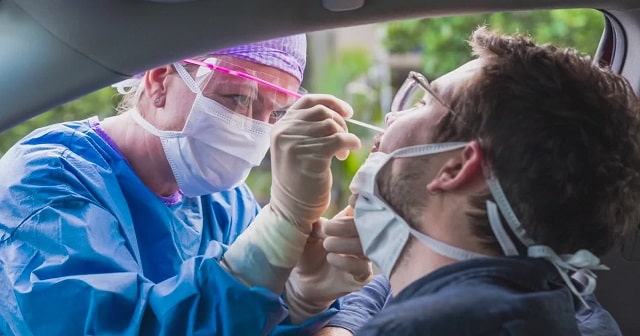
This involves determining if you have COVID-19 or not. The physicians at GatherWell Rapid COVID Testing carry out COVID testing using the most innovative diagnostic tools and technological advancement available. The innovative lab provides personal drive-up COVID-19 testing and on-site event and group testing via their mobile lab service. 

Are You The Right Candidate For COVID Testing? 

At GatherWell Rapid COVID Testing, they follow the procedures offered by the Centers for Disease Control and Prevention (CDC) to determine if you require COVID testing. According to the CDC guidelines, you are required to get tested for COVID if you have COVID-19 symptoms or have come into close contact with a person who tested positive for the disease. Some of the common symptoms that might signal a need for testing include cough, fatigue, fever, loss of taste or smell, shortness of breath, chills, muscle aches, sore throat, and runny nose. If you have these symptoms or have been exposed to COVID-19, the professional team at GatherWell Rapid COVID Testing will talk to you about testing. 

What Should You Expect During COVID Testing? 

When you go to GatherWell Rapid COVID Testing, the physician starts by performing a nasal swab for COVID testing. They use innovative diagnostic tools that rapidly detect the virus from the sample collected from your nasal cavity. The provider inserts a shallow swab into your nostrils for specimen collection. The laboratory technician will give you an identification number for accuracy and show you the designated waiting area. The laboratory carries out the Coronavirus test while you relax comfortably in your car. The staff requests that you show up at your scheduled appointment and follow the signs to go in line for the Coronavirus test.  The results get delivered to your car in less than 15 minutes. On average, the entire COVID testing process might take about 45 minutes from start to finish, and testing is reimbursable by many health insurance companies. 

Get Tested Today Rapidly In Ham Lake MN

To sum up, with the potential effects of COVID-19, you cannot afford not to go for testing if you have symptoms or have come across an already infected person not vaccinated yet. To schedule your COVID testing for you or a group in and around Ham Lake, call or book an appointment online with GatherWell Rapid COVID Testing today. 

We wish you all the best with your Coronavirus vaccines against the different Covid strains and mutations!

Tips To Help You Avoid Getting Bronchitis

tips avoid getting bronchitis

Acute bronchitis arises from the same viruses that lead to colds and the flu. Typically, the infection begins in an individual’s nose, the throat, the sinuses, and spreads to reach the bronchial tubes. In the bronchial tubes, it causes inflammation as the body tries to ward off the infection. It may not be possible to stop the cold or flu from turning into bronchitis. It’s common to have colds or the flu if you have an infection occurring in the upper nasal respiratory epithelial tissue. Often, there is nothing you can do to stop or prevent that infection from getting to the lower airways where it results in bronchitis. The reason being, the airways are pretty close to each other. If you find that you have a cold or flu and you begin coughing or have a sore throat and excess phlegm and mucus, you may want to see a Fort Worth internist to get an appropriate diagnosis and treatment. 

So, how do you avoid having bronchitis? 

Wash Hands Frequently 

While it’s not always possible that you can prevent acute bronchitis, especially if the condition follows a viral infection such as a cold, you may take steps to help reduce the risk. Washing hands frequently and avoiding touching the face can reduce exposure to bacteria and viruses. Germs that cause the flu, colds, and other respiratory infection tend to be highly contagious. You can reduce the risk of getting bronchitis by avoiding becoming sick in the first place. Wash your hands as frequently as you can. When coughing and sneezing, make sure you do it into your inner elbow. 

Avoid Cigarette Smoke 

You may want to avoid cigarette smoking – it’s never good for your health, not just having bronchitis. Stop smoking and ensure that you don’t expose yourself to secondhand smoke. Smoking compromises your body’s immune system, making it difficult for the body to fight disease-causing microorganisms. This puts you at risk of getting bronchitis. 

Don’t Stand Near People With An Illness 

The germs that cause colds and flu can be spread from one person to another by coughing, sneezing, touching the nose and mouth, or even the eyes. If you pick the germs from a surface or an item, and you touch your nose, eyes, and mouth, you are likely to transfer them to your body. Stay some distance from people who come down with an illness. Also, stay a distance from people who appear to be visibly fighting cold and flu symptoms. Use social distancing and face masks to help prevent the spread of diseases that can cause or worsen bronchitis. 

Beat Bronchitis

These are some of the ways you can prevent getting bronchitis or colds and the flu. When you develop signs of bronchitis like coughing, lots of mucus as well as aches and chills, see a specialist in treating respiratory infections. Remember that there are many conditions that present with symptoms similar to those of bronchitis, so you need to get the right diagnosis. If you work with varnish, paint, and other materials having strong fumes, you may consider wearing a mask. Also, if you will be exposed to a large crowd or dust, wear a mask.

Strategies To Help Prevent Cancer

strategies help prevent cancer reduce carcinogens health

Cancer is a medical condition that occurs when one is exposed to toxins in the environment. Even though some of these factors cannot be modified, others can be changed to ensure you remain cancer-free. Over 1.8 million Americans are diagnosed with cancer annually, and more than half of them die. However, a recent study has proved that over 50% of these cases can be prevented. It would be best if these cases were diagnosed early to help in curing. Early diagnosis also helps reduce hospital wages that would be incurred in the later stages. Below we look at strategies that will help you prevent conditions such as the Flemington myelodysplastic syndrome. 

Tips To Help Prevent Cancer Infection 

Put in mind that altering simple lifestyle habits goes a long way in ensuring you stay safe from cancer attacks. Below we discuss some cancer prevention tips: 

1. Avoid Using Tobacco 

You are advised against using any form of tobacco because it increases your rates of contracting the disease. Several cancers are linked with smoking, such as; lung, kidney, and pancreas. Oral and cavity cancer is also caused by chewing tobacco. You are still exposed to cancer as a passive smoker, and it would help if you stayed away from smokers. Shunning tobacco is vital in preventing cancer, and you might want to inquire from your doctors for tips that will enable you to quit if you are having difficulties. 

You should also cover all your bases and avoid vaping, or nicotine products that could lead to smoking or vaping.

2. Stay Fit Always With Frugal Fitness

Kidney, breast, and prostate cancer are prevented by ensuring you retain a healthy weight. Having a healthy weight is not enough; carrying out physical activities also helps prevent colon cancer. A study has shown that grown-ups that indulge in physical activities have health gains. The study has further stated that one needs to get at least 200 minutes of workouts weekly to ensure they are safe. We have all the workouts you need on any budget here at Frugal Fitness.

3. Ensure Your Diets Are Balanced 

Making healthy decisions at the grocery store does not ensure you will be cancer-free, but they help you reduce the risk significantly. You are encouraged to consume many fruits; ensure you are not obese by intaking meals that are light and drink only in moderation as this leads to cancers of the liver and colon. It would also be great to avoid processed meats, which trigger cancer cells in the body. 

4. Shield Yourself From The Sun-Rays 

Among the most common types of cancer, skin cancer tops the list. This type of cancer is preventable. You should shun the midday sun, especially from 11 a.m; to 5 p.m., this is when the sun shines most. It would also be great if you secluded yourself in shady areas whenever you are outdoors. Choose dark-colored clothes because they reflect ultra-violet rays better than pastels. 

5. Have Quality Sleep 

There has been no study directly linking lack of sleep to cancer, but it does cause excess weight, leading to cancer. So sleeping more and avoiding sleep disruptors like caffeine and sugar (both potential carcinogens in different forms themselves) could indirectly lower your risk of getting cancer.

Cancer Prevention Conclusion 

Cancer is a very deadly disease associated with millions of deaths annually; it is only treatable when diagnosed at an early stage and is fatal in the other stages. The tips above will help you reduce your cancer risk significantly.

What Are The Symptoms Of Syphilis?

symptoms of syphilis std sexually transmitted disease

Syphilis is a sexually transmitted infection that is transmitted from one person to another through sexual contact. In Fort Worth, TX, this disease mostly affects people with multiple sexual partners and those who do not practice safe sex. The first symptom of syphilis is a sore which you may fail to notice because it does not cause pain at the area where it is located. 

Syphilis is a common cause of genital lesions in Fort Worth that are open and may develop secondary infections. Syphilis has a latent phase in which it causes no symptoms and this phase can last for many years. It is important to get early treatment for syphilis so that major complications, like the disease spreading to the brain, can be avoided. 

What Causes Syphilis? 

The bacteria that causes syphilis is called treponema pallidum. The infection spreads through sexual intercourse when the skin or mucous membranes of an infected person come into contact with the membranes of another person who has cuts or abrasions. The infection spreads during the primary and secondary stages when it is most infectious. 

Rare ways through which syphilis can spread include kissing a person who has an open ulcer. Pregnant women who have syphilis can transmit it to their unborn children. Other risk factors for syphilis include having sex without protection and having multiple sexual partners. People living with HIV and men who have sex with men are also at risk of syphilis. 

What Are the Symptoms of Syphilis? 

Different stages of syphilis are primary, secondary, latent, and tertiary phases. The symptoms of syphilis depend on the stage you are at, but different stages may overlap causing a mixture of symptoms. The primary stage presents with a small rash that occurs at the area where the transmission occured. 

This sore develops within four weeks after infection and may heal in three to six months. When the rash resolves, you can develop another rash that is localized in one area but which eventually spreads to the whole body; this is the secondary phase of syphilis. 

Other symptoms of the second phase include muscle pain, loss of hair, genital warts, fever, and sore throat that can last for a few weeks and sometimes recur many times in a year. The latent phase develops if you do not get treatment at the secondary phase. The latent phase does not have symptoms and lasts for many years. 

The last phase of syphilis is the tertiary phase which is the stage of complications. Only about 10% of people get to this stage. The infection can spread to other organs like the heart and brain, causing damage. Children born with congenital syphilis have symptoms like deafness, heart conditions, and a nose whose bridge is depressed. 

Syphilis is a sexually transmitted disease that is transmitted from one person to another through sexual intercourse. The disease can also spread through kissing and from an infected mother to her unborn child. The four stages of syphilis are the primary, secondary, latent, and tertiary phases. You can prevent this STD infection by practicing safe sex and going for regular screening.

Cockroaches: 5 Weird Facts

cockroaches weird facts pest removal

Many of us are knowledgeable of the safety threats involved with roaches, such as allergies and asthma caused by their allergens, and the bacteria that have been proven to multiply. What might not be too well recognized is the fact that cockroaches are fascinating and persistent pests that show some very unusual actions and survival techniques. 

No one expects to see a cockroach strolling beneath the refrigerator as the light switch is on. Such creatures are not really revered. You are about to read five fascinating facts about cockroaches. Enjoy! 

1. Cockroaches Survive Even After Being Beheaded 

Chop their head off, and you will see after weeks later, it stays alive wiggling its legs.  Ironically, their head isn't all that relevant to fully function. Cockroaches have accessible circular systems, thus as long as the wound clots normally, they are not susceptible to bleeding. 

Indeed, this is one of the crazy wtf facts about cockroaches. They breathe through the spirals on the sides of the body. Sooner or later, the headless cockroach either dehydrates or succumbs to mold. 

2. Cockroaches Prefer Being Touched 

Cockroaches are thigmotropic, indicating they want to have something firm contacting their body. They check for holes and gaps, fitting into spaces that give them the ease of a close fit. The tiny German roach could fit into a gap as thin as a penny, while the bigger American roach would fit into an area not more than a quarter thick. 

Even a pregnant roach can handle a crevice that is as slim as two coins. Roaches, too, are social creatures, choosing to live in multigenerational nests that can vary from a couple of bugs to a dozen. Study shows, roaches that do not share the company with others might become sick or unable to copulate. 

3. They Can Be Trained 

Mizunami and Watanabe, two Japanese scientists, discovered that cockroaches could be trained as pets. A scent of coffee or peppermint was introduced only before the cockroaches were offered a sweet treat. Sooner or later, the cockroaches will drool anytime their antennae sensed one of those fragrances in the breeze. 

4. Cockroaches Can Hold Their Breath For A Long Time 

Amazing right? Though it can seem unlikely, research has shown that roaches may hold their breath for 40 minutes and can live submerged for 30 minutes. The tendency of a cockroach to stop breathing for a prolonged time is assumed to be the product of water depletion control. 

Unlike humans, roaches do not use their mouths for breathing but instead use tiny loops called spiracles in their bodies. They are often used to move water vapor off of their bodies if they choose to save water, they can hold the tubes sealed. 

5. Most Cockroaches Are Not Pests 

When we think of roaches, most of us imagine it seeing in a dark, stinky city residence lashing down with cockroaches. Very few roach species occupy human habitations. We know about 4,000 types of cockroaches on the earth, most of them inhabiting trees, tunnels, caverns, or brush. Only about 30 species want to stay where humans reside. 

Keep Clean To Avoid Cockroaches 

These findings show that cockroaches are some of the most flexible animals on earth, rendering it much more challenging to manage and eradicate cockroach infestation. To eliminate cockroaches in your household, experts recommend keeping your foods packed and properly stored, specifically in the kitchen, which must be cleaned regularly to avoid scraps and garbage from piling up. 

Trash will be disposed of daily and placed in locked bins. Households will check and repair all leaks and holes in houses, particularly entry points for utilities and tubes, since they may serve entry points for the parasite. The garages and creeping areas will be held well ventilated and clean to prevent pests. 

Cockroaches should be taken seriously. If they can survive a nuclear blast then you can't underestimate them as a disgusting disease-spreading household pest.

8 Reasons Patients Visit Urgent Care Centers

most common reasons patients visit urgent care centers emergency room hospitals

Urgent care centers have seen an increase in popularity throughout the country thanks to its combination of expert medical care and affordable prices. While every patient is different, many come in with the same complaints and maladies. Get to know the most common reasons patients come to UrgentMed after-hours clinic. 

1. Cold, Flu, & Virus

Cold and flu symptoms rank near the top of every list of complaints from patients. The biggest sign that it is time to visit urgent care is when a fever hits above 101 degrees Fahrenheit. When checking in, it's always a good idea to use the hand sanitizer and make sure that any coughs are directed away from other patients as well as staff. Nowadays it's more about Coronavirus (Covid-19) as well.

2. Asthma Attack 

Anyone with asthma knows this is nothing to play around with and patients are discovering that urgent care centers have the medicine plus the facilities to deal with their issues. As always, if something becomes more serious, staff can call for an ambulance. 

3. Broken Bones Or Sprains 

Activities such as sports often lead to sprains and even broken bones. Urgent care centers are equipped to take care of both categories of injuries. The staff is prepared to take in patients immediately after checking in to get exams, as well as treatments, started. 

4. Allergic Reaction 

Allergies are a popular complaint that continues to grow with more people being diagnosed as allergic to certain elements. More than food, it is also related to bee stings or animal bites that could trigger an allergic reaction. The doctors and staff at an urgent care facility are trained to handle a range of reactions; most treated with injections or a dose of medication. 

5. UTI 

Urinary tract infections are not just uncomfortable, but also serious if left untreated. Patients might think it's better to skip urgent care and grab the cranberry juice, yet they still find themselves needing a doctor's help to get well. 

Of course, a doctor might prescribe a good glass or two of the juice to help swallow down the necessary medication to improve your women's health.

6. Migraines 

Headaches, especially migraines, are extremely unpleasant and could lead to other problems. In some instances, conditions such as aneurysms or strokes could appear with only a simple headache as a warning. For many, the severity may come from high blood pressure, stress, or even hereditary concerns. 

7. Cuts And Burns 

A cut usually requires a simple bandage, yet many have the potential for stitches and blood loss when untreated. Wounds that need stitches can also be treated onsite and any additional aftercare can be included in the urgent care treatment plan. Simple burns can also be dealt with there. In some cases, additional tests or treatment might be necessary. 

8. Vomiting And Diarrhea 

The loss of fluids and food can lead to dehydration. Both vomiting and diarrhea create these kinds of issues, no matter what causes them. An urgent care center can supply IV fluids to get hydration levels back to normal. Staff also address the underlying cause for the illness and diagnosis how to end the problem as quickly as possible.

Why Visit Urgent Care Centers And Emergency Rooms

Getting sick or injured can be a scary situation and sometimes an urgent medical emergency. Not all illnesses and accidents are reasons to visit the urgent care center or emergency room, but keep in mind the risks and benefits of each medical issue.

3 Types of Treatment for Epilepsy

types of treatment for epilepsy

Did you know that epilepsy can happen to any person at any age?

Though it's more common in young children and older adults, it's possible for anyone to have a single unprovoked seizure. In fact, out of 26 people, 1 will develop epilepsy in his or her lifetime. 

Now, if after tests, your doctor confirms that you have epilepsy, your next step is to work with your doctor to figure out how to best treat your condition. 

Here, you'll learn about the different types of treatment for epilepsy and what you can expect from them. 


First Line of Treatment for Epilepsy: Anti-Seizure Medications

For the treatment of epilepsy, doctors generally begin by prescribing one anti-seizure drug.

This usually works for a lot of people with epilepsy. But for others who don't see an improvement in their condition, their doctors may put them on a combination of medications. 

Some of the drugs prescribed for epilepsy include carbamazepine, diazepam, valproic acid, and so on. 

It's important that you take your anti-seizure medication/s as directed by your doctor. If you notice side effects such as depression and suicidal thoughts, contact your doctor immediately.

Also, don't switch to a generic version without notifying your doctor. And always let him or her know if you are taking other meds including herbal preparations.


If Anti-Epileptic Drugs Fail to Work...

...your doctor may recommend surgery.

There are two main types of surgery for epilepsy. The first is resection. This involves removing a part of your brain that is causing seizures. 

Of course, this isn't recommended for all patients. If the part of your brain that's responsible for seizures is very small and wouldn't affect other functions such as sight, speech, movement, etc., you'll be a good candidate for this type of surgery.

The other type is disconnection surgery, where instead of removing a portion of your brain, the surgeon makes cuts in the brain. This will interrupt the nerve pathways that trigger the seizures. 


Other Therapies for Treating Epilepsy

Some people want to know how to treat epilepsy without medication. But you should keep in mind that most doctors will give anti-seizure meds first. 

There are some therapies though that you can try. Just make sure to talk with your doctor first or seek out epilepsy services to understand how these therapies work.

These include vagus nerve stimulation, where a small device called a vagus nerve stimulation is implanted in your body. It's like a pacemaker. But this one transmits bursts of electrical energy through the vagus nerve and to your brain.

Another thing you could try is a ketogenic diet. It's usually recommended for children with epilepsy. But adults can try it too, as long as you work closely with your doctor and nutritionist.


Want to Know More About Alternative Therapies for Epilepsy?

Now that you know more about treatment for epilepsy, you may be curious about alternative therapies for managing epilepsy.

For more information on that, check out our CBD oil articles. You may also browse the rest of our site for more health tips and advice.

Medical Advances That Are Detecting Cancer Quickly

medical advances detecting cancer quicker new screening process cancers

We could be one step nearer to detecting cancer in the earlier phases as a result of several innovative schemes being trialed throughout the United Kingdom. Thousands of lives could be saved every year thanks to a more sensitive test for bowel cancer, an improved diagnosis of prostate cancer and the scaling up an innovative scheme that catches lung cancer in its early stages. In this article, we explore further into how medical advances are detecting cancers quicker. 

Sensitive Testing For Bowel Cancer 

Simon Stevens also went on to confirm plans for more sensitive testing for bowel cancer. Referred to as ‘FIT’ – Faecal Immunochemical Test – the new sensitive test could see as many as 1,500 more cancers caught earlier every year. ‘FIT’ is an easy-to-use home testing kit which predicts bowel cancer. Following the introduction of the home test, almost a third-of-a-million more people are expected to complete screening. The sensitivity level of the initial home test determines who should go on for further cancer testing. 

Intended for use by people who have no signs or symptoms that suggest bowel cancer, the scheme is already in play in Scotland, with England planning to follow suit in spring/summer 2018, and then Wales in early 2019. The test replaces gFOBt testing as FIT has a reported higher uptake rate compared to the gFOBt. In the Scotland screening, uptake was up 58.7% for the FIT screening, significantly higher than the 53.9% uptake for gFOBt. Similar results were revealed for the pilot that was carried out in two of the five English hubs too. 

It is predicted that the test will encourage 200,000 more people to take part in bowel cancer screening – this is because the test is easier to use, more reliable, sensitive to a smaller amount blood meaning it can detect cancer at an earlier stage, or even re-cancer lesions. The screening can be carried out with just one stool sample, as opposed to two samples from three motions needed in other testing. 

Improved Prognosis Of Prostate Cancer 

Thirdly, another pilot programme is improving the efficiency of detecting prostate cancer using high- definition Magnetic Resonance Imaging (MRI) scans. Results show that MRI is performing better than prostate-specific antigen (PSA) testing in diagnosing prostate cancer and predicting the aggressiveness of the disease. It has reduced the average time for confirmed diagnosis to just eight days and the time from referral to beginning treatment to 20 days. Prostate cancer is the most common cancer in men in the UK, with more than 40,000 new cases diagnosed each year. 

Thanks to public donations, Prostate Cancer UK was able to fund the pilot project back in 2010. As a result of the pilot, medical professionals were able to announce the mpMRI breakthrough. Researchers announced that a more accurate form of MRI – known as mpMRI – can improve detection of aggressive cancers while reducing the number of unnecessary biopsies for men. 

The new process combines several medical processes into one day to make the testing more efficient for the both the medical team and patient. The patient receives an MRI scan and report, a clinical review and, if necessary, a targeted biopsy all on the same day. It is also more accurate, with studies suggesting that the new approach almost doubles the chance of finding life-threatening prostate cancers. Patients who receive an MRI scan which indicates nothing suspicious could be safely discharged back to their GP without undergoing an invasive biopsy. 

The success of the first study provided evidence to secure £2 million in government funding to carry on the trials for ‘PROMIS’. The new model is being piloted by three NHS Trusts in London, working closely with Prostate Cancer UK and others to develop a set of standards for the new model. Again, it could be rolled out to other areas in the future, with NHS England now committing to expanded cancer screening to more than four million people in 2018 – with researchers expecting to find that the new process can completely transform the diagnosis, treatment and prevention of prostate cancer. 

Speaking about these latest advances, Stevens said: “NHS cancer care is the best it’s ever been, with cancer survival increasing every year. Over the next 18 months the NHS will be rolling out new mobile scanners and home screening kits to detect cancers earlier, when they can be treated best.” 

“The introduction of the FIT bowel cancer screening test is a major weapon in our armoury – potentially diagnosing up to 1,500 more people a year and saving lives”. 

The Innovative Diagnosis Of Early Lung Cancer 

Simon Stevens, the NHS England Chief Executive, reported the success of a pilot scheme run in Manchester to boost the early diagnosis of lung cancer. As with most diseases, the earlier it is detected, the more effectively it can be treated. 

Funded by Macmillan Cancer Support and the Manchester Clinical Commissioning Groups, the pilot scheme was devised by the University Hospital of South Manchester NHS Foundation Trust and MCIP in partnership with GPs, Manchester City Council, Macmillan and Manchester Health and Carel Commissioning. The Manchester scheme used mobile scanners which were taken to busy areas such as shopping centers in three deprived areas of the city, where lung cancer is more prevalent. 

Scans picks up one cancer for every 33 patients scanned over the course of a year. Of these, 80% were early stage one and two diagnoses and as a result, nine out every 10 people with lung cancer were able to be offered potentially curative treatment. This showed a significant breakthrough – less than 20% of patients diagnosed through usual methods were considered curable. 

In addition to the mobile scanner checks, they offered smokers and ex-smokers free health checks and on-the-spot scans. More than 2,500 people with a smoking history underwent health checks – half of these were then offered immediate CT scans that led to 46 cancers detected in 42 people. That’s one lung cancer diagnosis on every scanning day of the project! 

The success of the pilot program became apparent when figures revealed that the pilot quadrupled the early diagnosis rates for lung cancer in Manchester, and the outlook is improving for those receiving an early diagnosis. Latest medical reports show that more people with lung cancer are having successful surgery and living longer. 

Following the success of the pilot, it is being used across the North of Manchester entirely – an area which has the highest number of lung cancer deaths among the under-75s in England. In addition, NHS England is funding scanners in other areas as part of a national programme to diagnose cancer earlier, improve the care for those living with cancer and ensure each cancer patient gets the right care. 

In the 2014 trial, the new cancer screening also increased uptake in groups with low participation rates, such as men, ethnic minority populations, and people in more deprived areas. Furthermore, since the screening first begin in 2006, the NHS BCSP has sent out more than 30 million invitations to take part in the screening, and as a result has detected and diagnosed 25,528 cancers! Hopefully more cancers will be screened, diagnosed, or cured in 2021 and 2022.

Diabetes, Eyesight, & Health


Contributed By Helen Chin Lui, Owner of The Healing Place

(NewsUSA) – Diabetes is a serious disease that can affect many aspects of the body — the heart and kidneys, blood circulation and even the eyes. In fact, diabetic eye disease increased in prevalence by 89 percent between 2000 and 2010 and is a leading cause of blindness among American adults. Despite this, vision care is often overlooked by people with diabetes as they work to manage the many other health problems the disease can cause.
According to a survey by the American Optometric Association, 55 percent of people are unaware that diabetic eye disease often has no visual signs or symptoms. Additionally, 44 percent of Americans don’t know that a person with diabetes should have a comprehensive eye exam once a year, including a retina (dilated) eye exam. Yet, these exams are the only way to diagnose serious eye diseases associated with diabetes at its early stage. Regular retina eye exams are critical for early detection and treatment of these progressive eye diseases that often begin without warning.
The longer a person has diabetes, the higher their risk for eye disease. Over time, diabetes may cause damage to the blood vessels in the back of the eye, known as diabetic retinopathy, which can lead to diabetic macular edema (DME). DME occurs when the damaged blood vessels leak fluid and cause swelling. Although symptoms are not always present, this swelling can cause blurred vision, double vision and patches in vision, which may appear as small black dots or lines “floating” across the front of the eye.
Approximately 26 million Americans have diabetes and may be at risk for DME. More than 560,000 Americans have DME. Yet, approximately 55 percent are unaware that they have the disease. African Americans and Hispanics over the age of 40 are also at a higher risk for DME.
Prevent Vision Loss
* Getting an annual retina eye exam is the best way to help detect changes in vision
* Don’t wait — make an appointment with a retina specialist today
* For more information about DME and tips for healthy vision, visit www.DiabetesEyeCheck. org

Frugal Fitness Fun For Everyone! Subscribe Today


For More Great Tips, Get My Best-Seller On Amazon:

I hope you enjoyed this article about how to live healthier on a frugal budget and maximize your performance!

Interested in more articles about frugal fitness? 

Read My Posts:

- 10 Reasons Why You Aren't Seeing Muscle Gains

- Just How Natural Is Natural Bodybuilding?

Stay Frugal & Fit My Friends!

Frugal Fitness World Wide Wellness
Free Workouts & Nutrition On A Budget
"Crushing Fitness Costs Worldwide"
#FrugalFitness

Also visit the Frugal Marketing

Starve Cancer By Eating! Anti-Angiogenesis Foods That Fight!


Contributed By Amanda Santucci, Author of The Skinny Spice
Did you know you can essentially starve cancer cells? True story.
Watch this amazing talk from TED (below). If you don’t have time, I’ll give you the cliff note version. Our body can regulate capillary growth by growing capillaries to heal injures or pruning them back when they are not needed. Abnormal angiogenesis is at the root of many diseases, such as cancer, Alzheimer’s,  arthritis, obesity, stroke, and coronary heart disease. This study found that certain foods can essentially help prevent abnormal angiogenesis, such as berries, cocoa, cucumbers, red wine, turmeric, garlic, and tomatoes, etc. This is called Antiangiogenic Therapy.
William Li: Can We Eat to Starve Cancer?
Another interesting part of the study is that abnormal capillary growth also aides obesity, because fat is dependent on it. When overweight mice were given Antiangiogenic Therapy, they lost weight. More interestingly, they only lost enough weight to bring their body weight down to that of a normal healthy mouse.
I created a fruit salad that is delicious and uses many antiangiogenic foods. I am continuing to put special effort into creating recipes that consist of many antiangiogenic foods.
Berry Beneficial Salad:
1 carton strawberries (cut into small pieces I cut them in quarters then I cut each quarter in half)
1 carton blueberries
1 carton blackberries (cut in half- horizontally)
1 carton raspberries
2 tsp agave
2 tsp. lemon juice
½ tsp cinnamon
What to do:
1. Place blackberries, blueberries, and strawberries  in a large bowl.
2. Put raspberries in a separate smaller bowl and crush with a fork until nearly liquid-like. Add agave, lemon juice, and cinnamon. Mix together. The picture to the left is what everything looks like before you mix the two mixtures together. Step 3


3. Coat berry mixture with raspberry mixture. Add coconut shavings if you like to pretend you’re like me and like to pretend you live in Hawaii.
**Eat by itself, over pancakes, on top of greek yogurt or oatmeal, etc.!**
Berry Goodness

Frugal Fitness Fun For Everyone! Subscribe Today


For More Great Tips, Get My Best-Seller On Amazon:

I hope you enjoyed this article about how to live healthier on a frugal budget and maximize your performance!

Interested in more articles about frugal fitness? 

Read My Posts:

- 10 Reasons Why You Aren't Seeing Muscle Gains

- Just How Natural Is Natural Bodybuilding?

Stay Frugal & Fit My Friends!

Frugal Fitness World Wide Wellness
Free Workouts & Nutrition On A Budget
"Crushing Fitness Costs Worldwide"
#FrugalFitness

Also visit the Frugal Marketing

New Frugal Finance Blog Posts & Articles