Showing posts with label Keto. Show all posts

7 Health Benefits of Going on the Keto Diet

health benefits keto diet low carb weightloss ketogenesis fat loss ketogenic dieting

Have you heard of Keto for weight loss? Eliciting a state of ketosis has been a popular way for people to burn fat these days. 

A ketogenic diet is a new way of life that brings some serious benefits. By cutting carbs out of your diet completely you can improve your energy levels, health, and general wellbeing.

But you don't need to just take our word for it on the benefits of ketosis. Keep reading for 7 health benefits of going on the keto diet.


1. Suppress Appetite

Most people will say that the worst side effect of dieting is feeling hungry and missing their favorite foods.

But with a Keto diet, you will actually see a reduction in your appetite. By cutting carbs and eating more proteins and fats, you will get more energy and nutrition from fewer calories. You can even get keto versions of foods you wouldn't expect, like Keto coffee.


2. Faster Weight Loss

Cutting carbs can be one of the easiest and most effective ways to achieve weight loss. For weight loss, Keto can be more effective than low-fat diets. 

This is because zero-carb diets get rid of excess water weight with ketogenesis. They lower insulin levels too, which leads to rapid weight loss in the first couple of weeks.


3. Lose Tummy Weight

The two main types of fat your body stores are subcutaneous and visceral fat. Subcutaneous is fat stored under the skin. Visceral is fat that builds in the abdominal cavity around your organs.

Keto is great at reducing this visceral fat. It is actually the type of fat people on zero-carb diets lose the most. In the long run, you should see a huge reduction in the risk of type 2 diabetes and heart disease.


4. Lower Cholesterol

The higher your "bad" LDL, the more likely you are to have a heart attack. The size of particles is important too. The smaller the particles are, the higher the risk of heart disease. Having larger ones seems to reduce that risk.

Keto increases the size of "bad" LDL particles. They also reduce the number of them in your bloodstream. Over time, ketogenesis will increase your heart health.


5. Normalize Blood Sugar

Keto can be very helpful for people with diabetes and insulin resistance. Cutting carbs leads to huge reductions in insulin levels and blood sugar. This can mean almost immediate reductions in your insulin dosage.

If you are on blood sugar medication, see your doctor before making any dietary changes. They will be able to make sure you get the right medication dosage at all stages. 


6. Lower Blood Pressure

Hypertension or raised blood pressure is a big risk factor for many diseases. These include strokes, kidney failure, and heart disease.

Keto is effective in lowering blood pressure. Ketosis will help reduce the risk of getting these disease and help you to live a healthier, longer life.


7. Decrease in Triglycerides

There are fat molecules that run in your bloodstream called triglycerides. High levels of triglycerides increase the risk of heart disease.

A large reason behind high triglycerides in inactive people is carb intake. Especially in the form of the sugar fructose. When switching to Keto, people often see a huge reduction in triglyceride levels.


The Benefits of a Keto Diet

As you can see, a Keto diet really can help improve your health. Weight loss is faster and easier on Keto, and it won't even feel like you are missing out. But the benefits of ketosis aren't just visible. You will be generally healthier with lower blood pressure and reduced chance of heart failure.

If this article has inspired you to change your diet, check out our frugal fitness recipes. Eating healthy doesn't have to be expensive or dull!

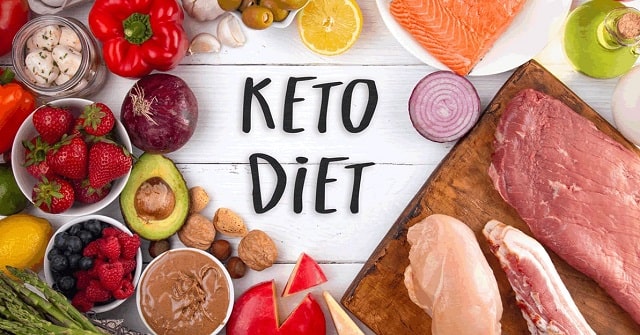
What You Should Know About The Keto Diet

information about keto diet

The keto diet is a low-carb, high-fat diet. In general, your daily ketogenic calorie intake should be 20 percent fat, 75% protein, and less than five grams of carbs. In addition to reducing your intake of carbohydrates, the keto diet can also lower your risk of heart disease and cancer. It is important to note that you can still eat plenty of fruits and vegetables. The carb content of these foods should not be more than 20 grams per day. For knowing in detail about keto and other weight-loss diets you should visit https://www.healthstatus.com/keto-diet/keto-extreme-fat-burner/, a proper and authentic guideline about the diet plans along with weight loss supplements. 

The keto diet is not suitable for everyone. People with high levels of blood sugar and/or heart disease should avoid it. If you are at risk for developing heart disease or other heart conditions, you should consult with your doctor before starting this diet. If you are diabetic, do not start a keto diet until you have undergone a checkup with your doctor. You should also consult your physician before starting a new diet. You can also avoid certain foods that may affect your health, including those that cause nausea and constipation. 

Vitamins With Keto Diets 

When starting a keto diet, you should make sure you get the right vitamins and minerals from your foods. You should also include a variety of foods rich in fiber and water. These will help you absorb more of the nutrients from your foods. A high-fiber and water-rich diet should be your goal throughout ketosis. 

However, if you are unsure of what type of food to eat, you should consider seeking chiropractic care. Chiropractic adjustments can help you maintain your spinal alignment, which will help you burn more calories through a more efficient metabolism. When your body is operating correctly, it utilizes nutrients more effectively.

Risks Of Keto Intake 

Although the keto diet may seem to be safe, it can pose a few risks. For instance, the high-fat foods that are recommended for ketogenic dieters may be high in sodium and have negative effects on some other medical conditions. Therefore, you should be aware of these risks before attempting this diet. If you suffer from any of these conditions, you should discuss the ketogenic diet with your doctor. The most common side effects of the ketogenic diet are constipation, diarrhea, and nausea. 

Aside from foods with a high amount of fat, you should also limit foods that contain high levels of carbohydrates. You should aim to avoid processed grains and sugar, as they are high in calories and lack fiber. In addition, you should eat a variety of foods that are high in fiber and low in carbohydrates. For instance, a high-fat diet should include dairy, nuts, eggs, and eggs. These are all sources of fat. 

When it comes to the keto diet, you should focus on high-fat foods that have high amounts of fiber and water. High-fat foods should be at least 15% of your calorie intake. This type of diet is known to be beneficial for the digestive system and can improve your energy and stamina. In addition, you should eat a variety of fruits and vegetables, as they are rich in vitamins and minerals. During your ketogenic diet, you should also consume protein-rich sources. 

What Kind Of Foods Should Be Minimized During Keto? 

While it is possible to get enough protein by eating a high-fat diet, you should not limit your intake of sugar. It contains a lot of carbohydrates, which are bad for your health. For this reason, you should limit your consumption of high-fat food. For example, a high-fat diet could have more sugar than a normal diet. Hence, it is best to avoid processed and refined grains. 

If you are a vegetarian, you can eat some vegetables and fruits if you want. If you are a vegetarian or a vegan, you should try to minimize the intake of animal proteins. Instead, opt for high-fat sources of protein such as nuts and avocados. They contain unsaturated fats, which are good for the body. These fats can help your skin and hair glow and also prevent cancer. Aside from these, you should avoid foods that are high in sodium. The keto diet is not safe for those with cardiovascular disease or a higher risk of heart disease. 

Keto Conclusion

The keto diet has many advantages, but it also has some drawbacks. First, it increases your saturated fat intake. While a low-carb diet has many benefits, it is not advisable for everyone. The body will be unable to process carbohydrates and will store them as fat. It will produce energy in a very slow manner. So, it is essential to avoid foods that are high in sugar. But be careful! Besides that, eating too much sugar will make you feel hungry and cause weight loss.

How To Calculate Macros on a Keto Diet

calculating macros keto diet

The ketogenic (keto) diet focuses mostly on macronutrient intake. More specifically, the diet involves eating macros in a carefully determined ratio to help you reach a metabolic state called ketosis. 

While you can simply follow standardized macro ratios, it is best to make things more personal. Why? Because you will experience greater success when you make the diet match your gender, age, weight, activity levels, and health. With that being said, here is what to keep in mind when calculating your macros. 

About Keto Macros 

Macronutrients are a special class of nutrients that you need to eat in relatively large amounts. They include fats, carbs, and proteins but some consider water and fiber also to be macros. Macros give your body energy and serve as building blocks for tissue, hormones, and enzymes. 

When talking about keto macros, however, what most people are referring to are ratios based on calorie intake most of which look like this: 

· 5-10% Carbs 
· 20-25% Protein 
· 70-80% Fat 

If you follow this ratio for at least 4 days, you will reach ketosis. Continue this regimen for several weeks and you will become keto-adapted, which means your body will be burning fat with ease. 

While the above macros ratio example works well for most dieters, it may not work as well for athletes and highly-active people. The formula also doesn't include daily calorie recommendations or what food sources of these macros work best on keto. 

Pay Attention To Net Carbs 

Besides sticking to the above ratios, you also need to be careful with your net carb intake to stay lean. 

Net carbs are what you get when you subtract fiber measured in grams from a food's total carb weight (Total carbs – fiber = net carbs). Net carbs impact blood glucose levels and inhibit ketosis. Fiber, on the other hand, has no effect on blood glucose whatsoever. But it does feed beneficial gut bacteria, supports gut motility, and provides many health benefits, which is why you need more fiber even on keto. That's not the case with net carbs. 

As a general rule, keeping your net carb intake to below 50 grams per day should be enough to put you into ketosis. This seems to work for most people. However, if you are sedentary or have metabolic problems, you may need to lower your carb intake even more to around 20 grams per day. 

Calculating Your Macros 

To get your personalized keto macros, you can either use a keto calculator or do your own tweaking after you've thoroughly researched the diet. Many keto websites now feature a keto calculator to help dieters determine their exact macronutrient ratios and calorie intake based on their data and goals. However, most of these calculators are based on the standard ketogenic diet (SKD). 

For highly-active dieters, a cyclical ketogenic diet (CKD) is one of the best options. It involves carbing-up once or twice a week and alternating with standard keto eating. On the CKD, you should eat more carbs (up to 150 grams) before or immediately after your workouts. Carbs are essential for optimizing testosterone levels, for growth hormone production, and for IGF-1 (Insulin-like growth factor 1) – a hormone that's central to muscle growth. 

What About Macros Quality? 

As long as you're eating lots of fat and little carbs, you'll definitely enter ketosis. If you lower your calorie intake (by reducing the amount of fat you're eating), you'll also lose weight along the way. However, if you want to maintain good health and make this diet easier, macros/food quality is paramount. 

The usual advice is to stick to butter, olive oil, fatty fish, and fatty cuts of organic meat. On the other hand, avoid partially-hydrogenated oils and trans fats. You also want to limit processed foods and choose low-carb vegetables for best results. This way, you'll get most out of your macros without having to worry about health. 

Ketosis Conclusion 

While you can follow standard keto macros recommendations, it's best to tweak them to meet your specific goals, needs, and limits. People come in all shapes and sizes, and one size fits all won't work as well as personalized eating plans. 

For the most part, you'll have to calculate your keto macros using a keto calculator or adjusting your macros based on your results. If you are not in ketosis – lower your carbs further. If you are achy after workouts – boost your carb intake. Keto macros aren't written in stone, so make changes if necessary.


I hope you enjoyed this article about how to calculate your macronutrients on a keto diet while on a small budget

Interested in more articles about frugal nutrition? 

Read My Posts:

- Five Ways To Make Health Food Shopping & Prep Easier

- Keto Dieting Guide For Beginners

More Frugal Fitness Finds Below

Introduction To A Keto Diet: Things You Have To Know


Ketosis is an amazing and easy way in which a person burns fat by simply using exogenous ketones instead of glucose or carbohydrates. A keto diet is low carbohydrate and high in protein and fat, somewhat similar to the Atkins Diet. It helps a person lose weight by forcing their body to burn fat instead of carbs. This is achieved by breaking down fats in the liver, which in turn form ketones. A ketogenic diet can help you really shed those stubborn pounds of fat fast. 

Is It Possible To Build Up Your Muscles While On Keto Diets? 

It is definitely possible to build up muscle while on a keto diet. First, you need to know which foods to consume. These foods are foundational to the ketogenic diet and give you the energy that you will need to lose weight. 

- Beef 
- Chicken especially thighs and legs 
- Avocado which is high in monounsaturated fat 
- Whole eggs which are a very good source of protein 
- Vegetables like broccoli, cabbage, spinach and all the other categories of greens. 
- Whey protein powder
- Nuts like macadamia and cashews. 
- Pumpkin seeds which are very nutritious. 
- Bacon 
- Olive oil which is known for its amazing health benefits - Cream cheese 
- Fatty fish 
- Coconut oil 
- Homemade Salsa

While eating these foods which are rich in protein, the body will adjust to the diet and start building up your muscles. In addition, you want to be drinking lots of water, exercising and being active regularly. The process of muscle formation while on keto diets is made easier by use of exogenous ketones, and by using a special supplement helps the body to take ketones to where they are needed within the body for the formation of muscles. 

You should know that this is a low carb diet and so you will not have as much energy, due to the reduction in carbs. In fact a person is supposed to reduce their carb intake by 20 g per day which is considered to be very low for proper functioning of the body. However, this diet is a great way to build lean muscle. 

Using exogenous ketones is safer and has no side effects. There are people who prefer to structure their eating plan differently, such as by eating more carbs in certain days in a week, but this comes with consequences, especially if they are following the keto diet. They develop withdraw symptoms that hinders muscle growth. The hydroxybutyrate that is found in ketosene supplement is known to produce ATP rather than glucose. 

Benefits Of Being In A Ketosis Diet 

1. Ketosis diet effectiveness for losing weight is made possible by the ability of the body to utilize fats which it uses as fuel. In the normal circumstances, the body is used to having carbohydrates for its source of energy. So it does not go an extra mile of utilizing the fats in body. While on this diet, it has no choice but stay active to ensure all the fats are turned to energy. 

2. When a person is on this diet, the appetite is suppressed. A person is not able to consume a lot of food because the diet mostly consists of proteins. On the other hand a diet that has high carbohydrates tends to keep a person hungry. 

3. When in ketosis, the body mostly prefers using ketones rather than glucose. So there is no point of oxidizing proteins to generate glucose. This means that the protein and calories consumed are sparingly used in the body thus maintaining good body weight. 

The Side Effects Of A Keto Diet 

Most people find it difficult to complete the first week. Within this week, the withdrawal symptoms are worse. Actually, something called carb flu comes knocking at this stage, which leaves your body weak. The cause of this flu is natural since it is the reaction that the body undergoes while switching from burning sugar as energy to burning fat. The symptoms of this flu look more like withdrawal effects that a person undergoes when trying to stop an addiction like drugs or alcohol. People feel drowsy, dizzy and nauseous. 

All in all, keto diet is good and worth trying. As long as you keep using exogenous ketones, you are good to go. Basically when you analyze the benefits it comes along with, you realize it is worth trying. After all, all those who have gone past the first week say it was worth it. 

If you're having trouble toning up and making healthy changes with a regular diet, check with a medical professional to see if a Keto Diet would be right for you!


I hope you enjoyed this article about what you need to know about Keto Diets and healthy weight loss on a lean budget.

Interested in more articles about ? 

Read My Posts:

- Common Questions HCG Dieters Have

- The Beauty Benefits Of Regular Exercise & Diet

Stay Frugal & Fit My Friends!

Frugal Fitness

Read More Free Articles Below

New Frugal Finance Blog Posts & Articles