Procedure
Deciding to get a breast augmentation procedure may be the first step towards attaining body confidence. Once you have found the right plastic surgeon, you must start preparing for the procedure. Your Denver breast augmentation surgeon will give you the advice you need. If you have any questions, they should be able to answer them. Usually, the surgery has three main phases: consultation, operation, and recovery. You must prepare for each one of them.
The Consultation Period
During the consultation period, you get the chance to speak with your surgeon about your concerns. Ask them your questions about the procedure and what you should expect. Your surgeon can help you determine if breast augmentation is a good choice. They may use visualization tools to help you decide the type and size of your implant.
The consultation period gives your doctor a chance to discuss the possible risks of the procedures with you. You may also discuss the payment options.
On The Day Of The Procedure
Do not eat or drink anything eight hours before your surgery as it could increase the risk of regurgitation. Get to the clinic before the scheduled time and wear loose-fitting clothes. Your clothes should be easy to button or zip. Ensure that you have someone to drive you back home as you can’t do it after the procedure.
During The Procedure
Breast augmentation is a simple procedure that may take up to two hours. It is an outpatient procedure and your surgeon administers general anesthesia. They make small cuts under your arms and breasts, and around your nipples. They will use antimicrobial soap to clean your chest and reduce the risk of infection. After inserting the implants, they use a small incision to close it up.
The Recovery Process
The recovery period after breast augmentation is short. Unlike in the past where patients had to wait for a long time before getting back to work, you can now resume your daily activities in a few weeks.
In the first 48 hours, try sleeping upright to promote a speedy recovery. Do not indulge in any strenuous activities for a minimum of three weeks after the procedure. Surgeons suggest that you avoid raising your hands over your head to minimize swelling. You can resume your regular activity after eight weeks.
Consider getting help with housework during the recovery period. You should have someone to drive you to and from the hospital in case you need medical help.
Use ice packs to relieve pain and discomfort, and drink lots of water. Stay away from tight-fitting clothes as they could increase discomfort.
In three months, you need to see your doctor again. They will take photos of your augmented breasts to determine the success of the procedure. This marks the end of your breast augmentation journey and you will now have the right breast size and bra fit.
Set Realist Expectations For Breast Augmentation Procedures
Setting realistic expectations for your surgery helps you focus on your goal and minimizes disappointment. If you have questions about what to expect during the procedure, seek the opinion of your surgeon before getting your breast augmentation surgery.
Gynecomastia
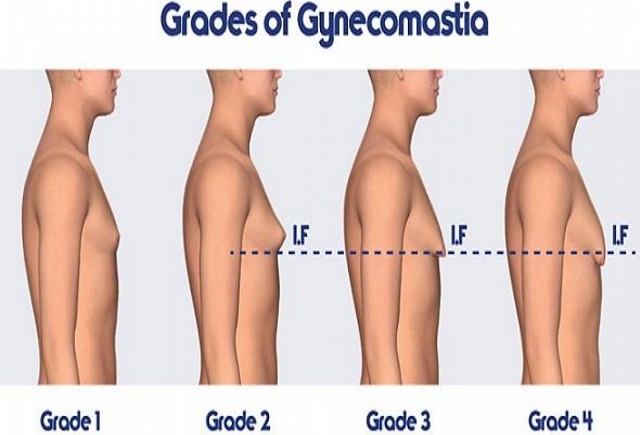
Not to be confused with a breast enlargement due to buildup of fat, gynecomastia is a condition in which the patient develops oversized or an enlarged gland or tissue in their breast, due to a hormonal imbalance. While harmless, the condition can be quite embarrassing, uncomfortable or even scary. Many times it goes away on its own but if it doesn't, one can visit a medical professional for further assessment and treatment because the disorder is oftentimes a symptom of an underlying serious condition. A West Palm Beach plastic surgeon can help you get rid of the disorder if it's not responding to treatment or provide a permanent solution. Take time to understand the risk factors that cause gynecomastia, and ask as many questions when you visit your doctor.
Recognizing Symptoms
Assess your body by feeling your breasts for soft lumps. With gynecomastia, the breast tissue develops in one or both breasts. The enlarged tissue may be located directly beneath the nipple, thus it can be felt with your fingertips. If you have the condition, you'll experience a soft, rubbery lump in the breast. If you feel any lump in your breast, make an immediate appointment with your doctor. A hard lump could indicate the presence of a tumor. The lump can occur in either or both breasts and it could be of different sizes.
As you assess the lump, note the tenderness, and soreness, especially when you press the breast. Gynecomastia feels sore when you touch the lump. If you feel a lot of pain, make an immediate appointment with the doctor. It's quite possible that being obese or overweight can contribute to gynecomastia.
Medical Diagnosis
Gynecomastia is not dangerous by itself. However, it could be an indication of something more serious. See a doctor right away if you experience pain and swelling in the breast, discharge from one or both nipples, and a hard lump in your breast. Pain could be a symptom of a cyst or an infection. A discharge could indicate breast cancer, an infection in the breast tissue / chest muscle, or a disorder in the endocrine system. A hard lump could also indicate breast cancer.
On visiting the doctor, discuss your health history with as much openness as you can. It will be much easier for your doctor to understand the condition if they get thorough information about your medical history and overall health. Tell the doctor about any other symptoms you may have, any related health problems in your family, or any medical problems you've had in the past. You can also enlighten them on the kinds of medication you're using.
Assessing Risks
Some people have a higher risk of developing gynecomastia than others. Look at your history, overall health or age. You are most likely to develop gynecomastia if you're undergoing puberty or are between the ages of fifty and seventy. There is also the risk of infant gynecomastia but it usually goes away on its own. If you have any condition that affects the body's production of testosterone, you could be at risk of developing gynecomastia. You're also at risk if you have a liver condition, hyperactive thyroid gland, or if you have certain types of tumors especially in the testes, adrenal gland, and pituitary gland.
In addition to that, take note of the kinds of medication you're taking, as certain types of prescription drugs can cause the disorder. If you take certain hormones or steroids, it can increase estrogen production leading to gyno, AKA man boobs. Consult your doctor to assess your risks of moobs.
Enjoy this free home chest frugal workout to strengthen, tone, and build up your pec muscles. It's also great for building up some muscular endurance. Not everyone has a full home gym or gym membership so doing a comprehensive total chest training workout isn't possible. This is the next best thing that doesn't require any equipment, just your body weight and a couple items around the house.
x = 1 set
Do modified pushups (from your knees instead of toes) if necessary
1x Warmup set of 15-20 Pushups
3x Wide Pushups pronated grip (knuckles facing forward)
3x Wide Pushups neutral grip (knuckles facing outward)
2x Close Grip Knuckle Pushups neutral grip
2x Incline Pushups (feet up on stair, chair, or bench)
3x Chest Flies (use gallon jugs of water or similar for weights)
3x Incline Chest Flies (add mid-upper back support if needed)
1x Burnout set of 20+ Pushups
You could also through in some dips here and there if you have some makeshift parallel bars, such as 2 stools or raise stable chairs to hold you up.
Make sure to stay even and that you aren't compensating on your stronger side or you could end up with uneven pecs.
Frugal Fitness World Wide Wellness
Also visit Bootstrap Business & The $10 Digital Media Startup