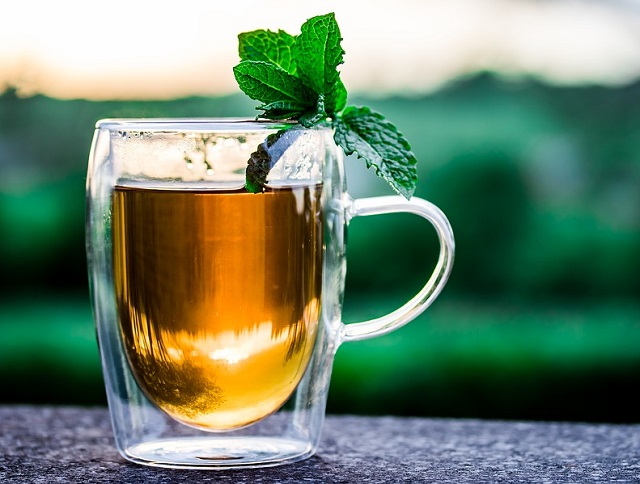
Showing posts with label Green Tea. Show all posts

Nutrition Facts And Benefits Of Green Tea To Know

nutrition facts green tea health benefits teas ecgc

People usually use tea due to a number of reasons. Some drink it as a refreshment beverage and others use it as it is some kind of routine in their lives. In both cases, though, the majority of people usually prefer black tea to green tea. 

The green tea, nonetheless, has stunning nutrition facts and numerous health benefits than its counterpart. Hence, our reason for having it as our main point of discussion today. 

Green Tea Nutrition Facts 

A significant portion of Asia, particularly China, India and Japan, have it as a common beverage in their everyday lives. The Chinese, nonetheless, were the earliest users before spreading it to the rest of the world. 

While not a lot of people realize it, both black and green coffee comes from the same plant, Camellia Sinensis. The difference between them comes during the preparation process, in which the leaves are steamed to prevent fermentation. 

Following are some of the key nutrition facts of green tea that you should know: 

1. How Many Calories Are In Green Tea 

Well, when we speak of the calories in green tea, there’s no fixed content level. The beverage is either low-calorie or calorie-free as it depends with the other ingredients added to improve the essence and taste. 

With the usual “bagged Green tea” that has a net weight of around 2 g, for instance, there are 0 calories since it contains only the tea leaves. Nonetheless, a bottled Snapple Green Tea (let’s say 17.5-0z) can have up to 130.75 calories due to the contained sweeteners. 

2. Is Green Tea Acidic? 

The acidic nature of green tea usually depends on the kind you are using and how you are using it. For a freshly brewed green tea that has no additional ingredients, for example, the PH value is 7 (neutral). Hence, very useful when you are in an alkaline diet as it will help in neutralizing the acidic levels in your body. 

Also, the alkalinity of green tea can help improve your digestion by making it smoother and healthier. Thus, very helpful after meals. 

3. Is Green Tea Caffeinated? 

Well, in most cases people consider green tea as naturally caffeine-free. In the real sense, though, the tea does have caffeine but in a relatively low amount (25-50 milligrams per 8-ounce cup). It’s hard to state the exact amount contained as it predominantly depends on factors, including the variety of tree plants and the growing condition. The caffeine in the best green tea is about ¼ the amount contained in coffee and ½ the amount in black tea. On top of the low caffeine levels, green tea has amino acid L-theanine that assist in counteracting the side effects of caffeine. 

4. Should I Have Green Tea Before Bed? 

This fact is a bit complicated to say yes or no due to the presence of caffeine and amino acid theanine. With the latter, the compound helps boost relaxation and restful sleep. The caffeine, on the other hand, is great in increasing alertness and keeping someone awake. 

To minimize the contradiction and ensure an optimal balance of the two, it is great you use your green tea about 2 hours before bed. After all, at this time your metabolism is at the lowest.

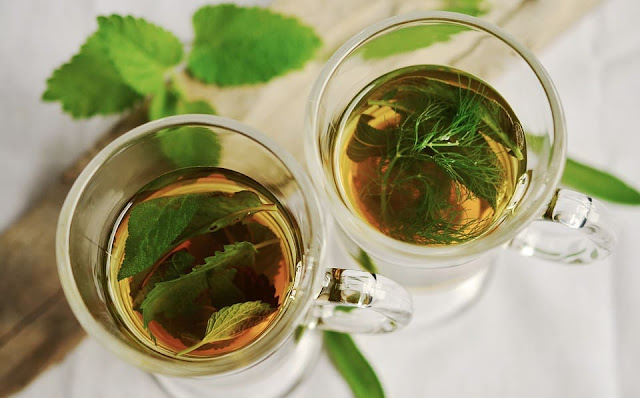
9 Reasons To Love Tea Drinks

reasons to love tea drinks

In so many of the world's top cities, drinking tea is a very common way of maintaining the body's hydration level. Tea is a generally accepted liquid that is consumed all over the world albeit its origin can be traced to East Asia. This universal beverage is prepared by pouring hot or boiling water over cured leaves. Tea is the second most popular liquid in the world. Water holds down the number one spot as it is a universal solvent. 

There are different flavors, types, and brands of tea and each brand has its peculiar properties. Several billions of teacups are consumed annually in so many countries of the world, and this goes to show that there are so many medical and health benefits that can be derived from this liquid. In fact, tea can liberate you from any critical illness. 

9 Top Reasons To Love Tea 

1. Steam Facial 

Everybody wants a good skin, isn't it? Steaming of the face is an age long practice that is aimed at removing blackheads and dirt. Steaming your face with tea (mainly green tea) is a right way of keeping your face hydrated and detoxifying your pores. Black tea also does an excellent job of minimizing puffiness and clearing acne. 

2. Eye Soak 

Conjunctivitis and other eye problems are very uncomfortable and contagious. They have this watery, swollen and scratchy feeling. Black tea is a handy way of combating this problem. It contains caffeine for tackling undereye circles and the earlier the treatment begins, the better for the victim. Black tea bags help to reduce inflammation and soothe irritation. 

3. Hair Health

Internal and external use of tea can help improve your hair health. Green tea, white tea, black tea has all been tried and tested to produce excellent results on the human hair. Green tea helps to prevent the thinning of hair as well as encouraging hair growth. By massaging your scalp with freshly brewed tea, you are increasing your chances of hair growth because more blood will circulate to the scalp. Tea can also prevent the irritation and inflammation of the scalp as well as preventing hair follicles from clogging. Tea also contains polyphenols that help to keep the hair shiny. Sage tea works against the growth of grey hair. 

4. Freshens Breath

Green tea has antioxidizing properties that makes it useful for eliminating bad breath. It works by cleaning the mouth of every form of bacteria. Green tea completely inhibits the growth of bacteria that cause tooth decay and strep throat. Black tea also contains polyphenols that reduces the odor produced by mouth bacteria. 

5. Aids Digestion 

Some type of tea acts as mild laxatives and for correction of digestive problems. For instance, dandelion tea can cure stomach upset and indigestion. Also chamomile tea is a proven solution for constipation, intestinal gas problems and other digestive problems. Peppermint tea is also good for bloating and nausea. However, before you include any type of green or herbal tea in your diet, you must talk to your doctor about it. 

6. Reduces Stress 

Certain types of tea are good for stress, insomnia and anxiety. Drinking tea is a potent ritual for relaxation because it contains an amino acid that reduces stress. The aroma and scent of tea is also a potent mood booster. Peppermint tea is also known to provide an overall calming effect. 

7. Calorie Free 

So many individuals are looking for ways to shed weight and burn fat. Due to this, they avoid certain type of food and drinks. Tea does not contain extra calories. In fact, some kind of tea such as kratom tea is good for weight loss. 

8. Hydrates Your Body

Just like water, tea can solve dehydration problems. There is a school of thought that drinking two to three cups of tea daily is as effective as drinking an equal volume of water. Apart from keeping the body hydrated, tea contains antioxidants which are useful for the body. However, this is not enough reason for you to replace tea with water, they can actually complement each other's effort. 

9. Reduces Appetite

Tea can help to reduce appetite. For instance, green tea is a potent appetite suppressant as it contains catechins which impedes the growth of fat cells and minimize how fat is stored. It can also control the level of sugar in the blood and this invariably leads to reduced hunger or food cravings. Caffeine also reduces appetite naturally while increasing your metabolism.

Regular tea consumption, especially green tea, can also work wonders for your immune system and recovery by eliminating free radicals. The health benefits of tea just keep coming and coming!


I hope you enjoyed this article about reasons why tea can make you healthier on a tight budget.

Interested in more articles about coffee and tea health benefits? 

Read My Posts:

- Green Tea Is A Frugal & Healthy Part Of Your Daily Diet

- Caffeine Is A Double-Edged Sword

Stay Frugal & Fit My Friends!

Frugal Fitness

Read More Free Articles Below

The Health Benefits Of Amino Acid L-Theanine In Tea

l-theanine tea amino acid antioxidant health benefits energy

Tea: coffee’s coy competitor in the cutthroat—yet throat-soothing—world of hot beverages. Both provide daily stimulant boosts, both are great to share with a loved one, and both are steeped in rich and complex histories. But popular teas (like green tea, black tea, and even tea extract and tea constituents) have something coffee doesn’t—an amino acid celebrated for its cognitive performance and wider health benefits: L-theanine. If you have a cup of green tea or black tea in front of you, take a sip and settle in. 

Savor those tocopherols and flavonoids lending the cup its signature color and flavor. The tea leaves’ distinct bitterness is supplied by natural antioxidants known as catechins. But there’s another flavor you should be experiencing. A pleasant mouth-filling sensation that creates a rounded and savory taste. Umami, often called the fifth taste after bitter, sour, sweet, and salty. Tea’s umami flavor is all thanks to the non-protein amino acid, L-theanine. Table of Contents Brain Boost Stress and Anxiety Sleep Focus and Attention Memory Body Builder Immune System Cardiovascular System Supplementing with L-theanine Last Drops In this article, we won’t just stick to why tea is so tasty. 

We’ll talk about the positive effects L-theanine can have on your stress levels, cognitive performance, and cardiovascular and immune health. Brain Boost A healthy body starts with a healthy brain. L-theanine has proven itself to be a powerful supplement for brain health by assisting with stress, sleep, attention, and memory. Stress and Anxiety If you’ve ever brewed a cup of tea to decompress from a stressful day or share with an anxious friend, congratulations—you have fabulous instincts. 

Researchers have found L-theanine can reduce our physiological stress responses by altering the behavior of neurotransmitters in the brain. But this isn’t a slow, thirty-days-to-better-behavior modification process. L-theanine is tough, immediately jumping on defense. Taking L-theanine is like hiring a bodyguard for your brain. Our brains balance activity through excitatory (upper) and inhibitory (downer) neurotransmitters. You’ve probably heard of some of the major excitatory neurotransmitters like dopamine and serotonin. 

But the balance can shift through an excess of these excitatory neurotransmitters and cause classic responses we’re familiar with: stress, anxiety, and activation of the sympathetic nervous system (also known as the fight-or-flight response). Taking L-theanine to mimic gamma-aminobutyric acid (a neurotransmitter that blocks impulses between nerve cells in the brain) can inhibit these excitatory responses and ease their physiological stress responses, allowing you to enjoy lower heart rate, lower blood pressure, attenuation of the fight-or-flight response, and reduced cortisol levels (major stress hormone). 

If the classic calming effect isn’t revealing enough, let’s pull back the covers on how deeply relaxing L-theanine can be. Sleep To catch some Zs, first we have to catch some waves. During sleep, it’s all about theta waves and delta waves. Theta waves occur in the first stages of sleep and generate two distinct rhythms of greater amplitude and lower frequency than our waking beta waves. Delta waves are the lowest frequency, highest amplitude waves generated during the deepest stages of sleep. But right before sleep, when you’re still in that day dreaming, more relaxed state, it’s all about the alpha waves. The brain generates alpha waves during deeply relaxing activities, such as meditation. 

If you struggle to feel peaceful during meditation or get your mind to achieve that quiet calm right before bed, L-theanine can help to take you there. Studies have shown that L-theanine can generate alpha brain waves in the parietal and occipital regions of the brain, leading to a prolonged calming effect. 

In a placebo-controlled study of young individuals with ADHD, L-theanine proved especially effective in helping them get to sleep and experience deep sleep. Sleep problems are often a concern for individuals with ADHD, and L-theanine proved to be a safe and effective therapy to improve sleep quality. Even if you don't have ADHD, you may benefit from taking L-theanine before bed. However, drinking the amino-acid rich green tea before bedtime may not be the best idea though. Caffeine is a sneaky stimulant. Luckily, you can get all the tranquility of L-theanine without the caffeine boost by taking Yawn, HVMN’s non-habit forming sleep aid. In addition to L-theanine, Yawn contains other REM cycle saviors like magnesium glycinate, amino acid L-glycine, and the classic melatonin for better sleep quality. 

Focus and Attention L-theanine has the power to both calm you down in the evenings and provide a boost in the morning. You know those days; poor sleep quality from the night before leaves you dull, each excruciating minute stretched out between sips of coffee. But all that coffee can have a negative build up, leading to a jittery, on edge feeling while desperately trying not to fidget during your conference room presentation. If you’re ready to sacrifice the coffee, but not the caffeine, HVMN has Sprint to get your day going. 

This nootropic stack features L-theanine, caffeine, and the added bonus of ginseng to reduce fatigue. Like the name, Sprint is made to get your mind moving quickly and keep it alert for up to six hours. It’ll provide you with that ideal mental flow to be focused, productive, and energetic without all the jitters. The same amino acid that ushers you into dreamland can also deliver an attentive state of mind. Multiple human studies show that consuming L-theanine can increase focus, reaction times, and visual processing while reducing mental fatigue. 

Essentially, subjects in these human studies performed attention tasks better after taking L-theanine. Their overall mental performance improved. Even when the mind is in a relaxed state and creating those alpha waves, it’s focused. Consider meditation: its goal is mindfulness, focusing on an inner calm. Meditating is a form of dialed-in concentration that also happens to be calming. Memory Maybe you’re a morning master, but you can’t remember the names of half your closest coworkers. Enter L-theanine, which can assist with memory. To be clear: drinking a single cup of green tea will not suddenly remind you of where you left your keys. However, consuming L-theanine over time could help protect the neurons in your brain from injury or death to mitigate cognitive impairment and contribute to the development of the hippocampus (which, sadly, is not the future academic grounds of the large semi-aquatic African mammal). But it is the part of your brain responsible for storing memories. 

Start young, and you could even stand a better chance against the oxidative damage and memory impairment of Alzheimer’s. Oh, and remember how we talked about L-theanine reducing cortisol levels? Cortisol can negatively impact memory retrieval. Reduce cortisol levels, and you may be able to retrieve those memories a little more easily. We’ve touched upon what L-theanine can do for the brain, but let’s not forget about its benefits for the body. Body Builder L-theanine couldn’t let your brain have all the fun. So freshen up your tea, and let’s talk about what your new amino acid can do for your body. 

Unfortunately, L-theanine is not the cure for the common cold or other pesky immune system ailments. But it has been linked to increased protection against the flu and a boost in immune function when combined with another amino acid, L-cystine. This combination improves the production of Immunoglobin G (IgG), an antibody with a vendetta against infection, and glutathione (GSH), an antioxidant. Antioxidants are valuable because they help our bodies remove free radicals. Free radicals are these unpaired, unstable, thieving little molecules that steal electrons from our lipid cell membranes (also called lipid peroxidation). The theft causes tissue and muscle damage and contributes to some of the big name diseases out there: diabetes, heart disease, and cancer. L-theanine has demonstrated powerful antioxidative properties. 

Because antioxidants help us to remove many free radicals that can lead to cardiovascular problems like heart disease, L-theanine can do some pretty amazing things for heart health. Tea leaves from green tea and black tea on their own have been shown to improve cardiovascular health. And L-theanine sweetens the deal through its ability to mitigate blood pressure increases when the user undergoes acute stress. Translation? Less strain on the heart. Supplementing with L-theanine Not a fan of green tea or black tea? Healthy adults can safely and easily supplement L-theanine at a dosage of 100-200 mg per day, a staggering five to ten times higher concentration than what you’ll find in a cup of green tea. 

So even if you’re already pounding cup after cup of the umami taste bomb, you may not be enjoying all of its benefits...or at least not as efficiently. Consider supplementing with L-theanine to warm up for your day or to cool down at the end of it. L-theanine hasn't been linked to any adverse side effects or symptoms in the neuropharmacology sphere, but bear in mind that it should not be mixed with medications taken for high blood pressure because L-theanine reduces blood pressure. As with all new supplements and medications, consult with your healthcare provider before taking. Whether you’re a coffee connoisseur or a tenacious tea drinker, your mind and body will enjoy the benefits of adding L-theanine to the mix. 

To recap, the health benefits of this tea include: Reduced levels of stress and anxiety Increased sleep quality Increased focus, attention, and memory Increased immune function Increased cardiovascular health Antioxidative properties No matter what’s in your cup, we can all raise a glass to those health benefits!

How Water, Tea, And Coffee Can Reduce Body Weight

water green tea coffee reduce body weight caffeine weightloss

The irony is that despite knowing that most weight loss programs do not work people still get attracted to it. Believing in the tall claims of various health clubs and nutrition companies they try out various kinds of exercise and pills to shed weight but desert the program after some time as it does not yield the desired results. Yet there is a compelling attraction of the phrase best weight loss tips that sway people's hearts and drives them towards it without ever trying to find the rationale behind it. And this is why most of the weight loss programs turn out to be sham. 

Look For Reasons 

What you eat and drink and the extent and kind of exercise you do does influence your efforts in losing weight, but you must know that no magic pill can make you lose weight in a whiff. You must try to understand the science behind the claims to evaluate if the weight loss program could work. The biggest failure of weight loss programs happens because people go by hearsay instead of trying to verify the truth behind it by using their knowledge. 

You must gather evidence to know what kind of food and drink has a proven record of reducing body weight. From water to coffee and tea, everything can contribute to weight loss and how it happens will become clear on going through this article that also throws light on harmful food that you must keep away from. 

Drink Enough Water 

Water is a powerful weight inhibitor because the water content in your body increases metabolism by almost 30% in just 30 minutes. This is particularly evident in older adults as studies have shown that drinking water just before meals can reduce weight by 4.4 pounds in 3 months. Water alone does the work without any physical activity. Drinking 64 ounces of water in a day should help in weight reduction for normal persons, and if you do the more physical activity, then the amount of water should also be more. 

Trust The Green Tea 

Green tea tops the list of natural items that can reduce weight because there is tons of evidence to support it. The biggest attraction of green tea as a weight loss agent is that unlike the weight loss pills and supplements, it does not have any side effects. Green tea is an energizing drink as it contains a small amount of caffeine, and the presence of catechins ensure weight loss. To make the best use of the fat melting properties of green tea, make it a habit to drink a cup of green tea during breakfast or meals or even just before exercising. 

Be Energized With Coffee 

The presence of caffeine in coffee boots your energy level and can make you do some extra work when you are exercising that turns very useful for weight reduction. Moreover, caffeine has excellent fat melting abilities as it breaks the body fat and flushes it through the bloodstream. 

Keep away from processed sugar that aids obesity and can jeopardize your weight reduction goals. Stick with plain water, tea, and coffee without the additives and extras to help you lose weight and get healthier.

Why I Quit Caffeine


I quit caffeine nearly one year ago and it's been one of the best decisions I've ever made. You can too, if it's the right choice for you.

Caffeine had been a cornerstone in my life since I was a kid and teenager drinking Cokes and Mountain Dews with friends and family. As a junior and senior in high school I'd often get flavored coffees with friends at Dunkin Donuts or Starbucks while we caught up. Soon after starting college I learned to rely on coffee to help get me through those morning physics and chemistry classes after late nights. Inversely, I also chugged many a caffeinated beverage to get through those late nights so I'd have my work done for the following morning's class. In college I also discovered energy drinks, energy drink powder + pre-workout pump powder, and a variety of caffeine pills. These started to become a problem as they were more powerful and would sometimes interact negatively with alcohol and medication. In college and in the five years afterwards I'd use caffeine daily and as a crutch before personal training clients, teaching exercise classes, or even filming a YouTube fitness video... all in an effort to get myself more motivated and also appear positive and energetic. After transitioning from the fitness industry into the marketing world, I'd continue leaning on large amounts of caffeine before meetings, presentations, interviews, company events, or even social events with friends and family. 

All throughout this time I thought mostly that caffeine was helping me and allowing me to perform at a higher level than I otherwise would have. Over the years I've recommended it in lower amounts (via healthy green tea or black coffee primarily) to countless personal training clients, marketed many products high in caffeine, and even wrote about the benefits on several media outlets. I thought caffeine was my secret weapon and wanted others to benefit from it as well.

But after nearly two decades of caffeine use, over a full decade of which I took caffeine sources in significant amounts on a daily basis, in the back of my mind it was becoming clear that caffeine had become more of a burden than a benefit in my life. Nobody gets arrested or ruins their life because of caffeine, but it had become a problem for me and I was sick of it. I actually joked for years that quitting caffeine was a lot harder than quitting alcohol because I could never seem to go more than a week without caffeine. I was impressed by people I knew or read about that were caffeine-free and thrived on just their own natural energy. Imagine that?!

By age 30 I had gotten to the point where I either couldn't, or felt like I couldn't, do anything without caffeine. Couldn't work, hang out with friends, or even spend time with family without feeling like a zombie sans caffeine. My energy had been low for my whole life and it was really holding me back personally, professionally, and physically. Anxiety had always been a major problem for me since I was 10 years old and I knew that the caffeine probably exacerbated the problem. I had trouble getting to sleep and staying asleep and this caused a lot of other problems for me. I just didn't feel healthy. I knew I needed to quit. I quit drinking at age 26 so I knew it could be done, but I was definitely doubtful.

A few months after turning 31 I decided I had to scale back on my caffeine use at nearly all costs. If I was less productive and alert at work or at social events then so be it. Something had to change. I cut down on energy drink packets by about 50% during the first few months, but added in a cup of green tea with lunch. Then a few months after that I switched out the remaining energy drink powder for another cup of green tea. After another couple months I cut down to just 1 cup of green tea per day. Finally, a few months later, I switched that final cup of green tea to decaf. Each period of decrease was difficult physically and psychologically for a couple weeks but then I adapted. It was a miracle and I was free!

Over the past year, at the age of 32, I've stuck to caffeine-free green tea daily. I avoid coffee, tea, soda with caffeine, and obviously energy drinks. Once a month or so if I've had a really poor night's sleep or something very important (presentation, interview, or work project deadline) I might have a cup or two of regular caffeinated tea. Otherwise I abstain and only ingest the few milligrams of caffeine in the decaf tea or very small serving of dark chocolate I might have. 

While I haven't noticed any real improvements in the sleep department, it has been a major improvement in terms of energy, mood, and anxiety. I also don't have to worry about being dehydrated (bad for health, performance, and skin) as often since I don't have caffeinated drinks sapping my body's water supply. And the positive healthy move of quitting caffeine has given me the confidence I needed to get my daily nutrition back on track and switch to a more vegan-based diet without dietary supplements. 

It isn't all rainbows and butterflies however. I had some headaches and lethargy the first few weeks without caffeine. I still haven't noticed any real improvement in my ability to fall asleep or stay asleep as a result of quitting caffeine. It's sometimes also a little challenging or awkward to turn down a soda, cup of coffee, or energy drink in a social environment. And I actually put on about 5 lbs of fat months after quitting caffeine because I didn't have the daily boost in metabolism and reduction in appetite. Also while there are some new studies on the dangers of carcinogens in roasted coffee, there are countless studies published about the health benefits of caffeine and coffee. Quitting caffeine also isn't a panacea for all of the other challenges that I deal with. But overall I know that for me, all of these are easily rectified minor issues compared to the struggles of increased anxiety, low energy, and psychological / chemical dependence. 

I'm not saying that caffeine or caffeinated beverages are negative things for everyone, or that I'm better than anyone for not imbibing any longer. It really depends on your own social, nutritional, and medical circumstances whether it's right for you or not. I just advocate trying to moderate your use or consider trying to go without it. And if you don't currently drink caffeine on a daily basis, I'd advise you don't start.


I hope you enjoyed this article about how to reduce or eliminate your caffeine consumption while staying on a tight budget.

Interested in more articles about frugal nutrition? 

Read My Posts:

- How To Stay Happy & Healthy While Nutritionally Detoxing

- Fantastic Frugal Fitness Foods

Stay Frugal & Fit My Friends!

Frugal Fitness

Read More Free Articles Below

The Cost & Health Benefits Of Green Tea


The benefits of green tea have been known for thousands of years. Green tea bags are considered food products while green tea with added herbs and green tea extract are considered dietary supplements. I would recommend at least 1-2 cups a day for increased metabolism and improved immune system. Green Tea Extract works similar to this but possibly to a lesser extent but it can be more convenient at times. (Don’t drink later than mid-afternoon or it may disturb your sleeping habits due to caffeine, unless drinking Decaf Green Tea). Green Tea has a very high concentration of antioxidants which help to positively stimulate your immune system to fight off sickness and excessive free radicals. 

Green Tea also has a very high concentration of ECGC, as well as small-moderate amounts of caffeine, that significantly improve fat-burning. While Green Tea may not miraculously burn 10 lbs of fat overnight, it is an excellent addition to a fat loss diet and exercise regimen. Try substituting a cup or two of Green Tea instead of your coffee to improve overall health. Green tea extract is not as potent as the regular tea form so try to drink more instead. Bottoms up for better health and immune system!

Cost: A box of 20 tea bags will cost you around $4, you can usually get a much cheaper price if you buy store brand, unflavored, and/or in bulk. I’ve gotten 100 black tea or orange pekoe tea bags for $1 so there are definitely low enough prices out there for anyone’s price range. Green tea is usually slightly more expensive but you can get about 100 green tea bags for no more than $2 or $3. Green tea extract capsules are usually about $10 for 100 capsules but price may vary greatly depending on brand and what store you buy them. Overall, a great frugal and healthier way to get your caffeine fix!


Also Read:  Does NOXPLODE Really Work?


Frugal Fitness Fun For Everyone! Subscribe Today


For More Great Tips, Get My Best-Seller On Amazon:

I hope you enjoyed this article about how to live healthier on a budget and maximize your mental muscle!

Interested in more articles about frugal fitness? 

Read My Posts:

- 7 Simple But Crucial Workout Tips

- Foot Arch Types And Impact On Physical Performance

Stay Frugal & Fit My Friends!

Frugal Fitness World Wide Wellness
Free Workouts & Nutrition On A Budget
"Crushing Fitness Costs Worldwide"
#FrugalFitness


Also visit the Frugal Startup

Fantastic Frugal Foods Part Four


Enjoy These Fantastic Frugal Foods!

Read PART 1 |  PART 2  |  PART 3

1.      Tea
Tea doesn't contain any calories and it can be very useful for supplementing most weight-loss programs. Green tea is the most touted tea for health benefits out there but you can purchase about 100 generic black tea or orange pekoe tea bags for $1 at any grocery store. That’s hard to beat! All teas provide significant amounts of antioxidants so you can’t really go wrong in my opinion. Green tea is versatile because it has the powerful antioxidant ECGC that may boost your immune system and metabolism. Tea also contains small-moderate amounts of caffeine per cup which can improve utilization of fat for energy and improve overall metabolism. Caffeinated tea usually has about 1/3 of the caffeine content of the leading premium coffee. One or two cups a day will add up over the weeks, especially 30-60 minutes before doing cardio. Limit, avoid, or switch to decaffeinated tea in the evening so sleeping habits are not disturbed.

2.      Vegetable Oils
Vegetable oils such as canola and olive oil provide an excellent supply of unsaturated fats. They are excellent for cooking and are a much healthier alternative to butter or other animal-derived fats. Vegetable oils are extremely cheap to purchase, especially in large containers, and allow you to make your own salad dressings. Margarine and butter alternatives are a high percentage of vegetable oils and therefore have less saturated fats and more Omega-3 fatty acids. Pure vegetable oil is better for you than the butter alternatives but I love them so making the switch from real butter is a big upgrade. Most of the margarine products now have changed their ingredients to eliminate partially hydrogenated oils that are sources of trans fats. There are also affordable brand names that offer light margarine products with even less calories. You can purchase 3-4 pound tubs of margarine products for $5 or less and they will last you for quite a long time. There are numerous studies out praising the benefits of vegetable oils and they are a staple on the new food pyramids. Eating plans such as The Mediterranean Diet tout the wonders of vegetable oils as one of the major reasons why inhabitants of that region have such low blood pressure, cholesterol, and incidence of heart disease.

3.      Tomatoes
Good old tomatoes are an excellent source of the powerful antioxidant lycopene which is also important in men for prostate health. Tomatoes have some simple sugar content but the fiber, water, and antioxidant content is enough to get it on this list. I would encourage most people, especially men over 40 who are at risk for prostate abnormalities, to consume tomatoes almost everyday. Tomatoes that are locally grown seem to look and taste much better than those imported. Fresh tomatoes are the best but tomato sauce or tomato juice can be beneficial as well.

4.      Flaxseeds and Wheat Germ
These are grouped together due to their similar health benefits, cost, and many uses. Flaxseeds are excellent sources of heart healthy Omega-3 Fatty Acids as well as fiber. Flaxseeds have no sugar and negligible saturated fats and can be easily added in whole or ground form to oatmeal, salads, protein shakes, breads, or spreads. They have little actual flavor so you can usually add them or mix them to anything for an extra nutritional boost. Wheat germ is a delicious, crunchy, and nutrient-packed topping you can add to plenty of salads, sandwiches, protein shakes, and other meals. It is packed with healthy fats, fiber, protein, and micronutrients. A large container is very inexpensive and will last you a long time.

5.      Spinach and Kale
There is a reason that Popeye always ate his spinach! In reality, it isn’t much of a muscle builder but it is a very affordable source of powerful antioxidants and fiber. While it won’t make you strong and muscular directly, increasing your antioxidants and overall health can certainly help give you better gains in the gym or on the field. Kale is a very similar leafy green and provides very high concentrations of nutrients. Spinach and Kale are vastly superior to the iceberg lettuce that is found in so many salads. Add in spinach to your salads and sandwiches to kick the nutrition up a notch for pennies a serving.


Frugal Fitness World Wide Wellness
Affordable Workouts & Nutrition For Any Budget


New Frugal Finance Blog Posts & Articles