Showing posts with label Invention. Show all posts

6 Key Rapid Prototyping Factors That Impact Development Costs

rapid prototyping cost factors product manufacturing

There are several key rapid prototyping factors that impact development costs. Constructing a rapid prototype is an essential step of product development. Of course, prototypes are vital to fine-tune your product specifications and push your manufacturing process forward. However, building a prototype does not come cheap. In fact, there are multiple costs and factors involved with configuring a custom prototype design from scratch. As a financially-savvy product designer, being aware of these expenses is essential for cost control, as well as managing your money better. To help you get started, read on to discover the key rapid prototyping factors that impact development costs. 

Invention Purpose 

The first cost-impacting rapid prototyping factor is the product's purpose. Common invention purposes include learning, milestones, and communication. Thoroughly analyzing your purpose will prove essential to accurately determine the appropriate prototyping materials and techniques. Of course, the materials and techniques used have a significant impact on costs. Additionally, this will help you understand the difficulty level of modifying the prototype for continuous testing. Surely, consider various materials, techniques, and modification difficulties to maximize cost-efficiency through your prototype's purpose. 

Quality Control & Assurance 

Quality is an additional cost-impacting factor in prototyping processes. In many cases, product designers will need to outsource a third-party, professional prototype design company for quality assurance (QA) and control (QC). These enterprise business solutions leverage their significant experience and reputations to produce high-quality products. This way, you can maximize quality and ROI across your end-to-end development services. Following these procedures, the entire process is handled by experts who only produce high-quality prototypes. While partnering with a firm is often a significant investment, long-term costs are typically reduced due to the firm's high quality products requiring less testing. Absolutely, ensure prototype and product quality by partnering with a prototyping firm. 

Product Material 

Of course, product material will additionally impact the cost of rapid prototype development. There are numerous materials that can be used to construct a high-quality, durable initial prototype for your invention. For example, many inventors with a high priority on cost-efficiency, quality, and overall value have begun developing product prototypes with foam injection molding technology. Leveraging this material approach, you can develop products with superior strength, stiffness, and impact resistance. Simultaneously, working with this manufacturing approach promotes faster production cycles and lower material costs. Indeed, product materials will certainly impact the cost of your rapid prototype. 

Complexity 

Next, consider the prototype's complexity as the fourth cost-impacting factor. When compared to similar elements, complicated designs typically need more significant time and capital investments. In order to mitigate these requirements, limit the number of different materials and working parts required. This way, the prototype manufacturing process is kept simple, which will significantly shorten development times, reduce costs, and get the product manufactured faster. Simultaneously, this will help you reduce costs, effectively keeping with your bootstrap business goals. Definitely, reduce time and money requirements by considering the complexity of prototypes. 

End Users & Final Products 

Moreover, end users and final products are an additional prototyping factor that impacts product design costs. Keep end users and final product in mind throughout the process in order to maximize prototyping efficiency and fit for the product's intended purpose. This way, potential errors are recognized and prevented, which will save a significant amount of time. Additionally, you can avoid complications by keeping mass production necessities in mind. Mitigating these errors and complications will reduce your forecasted development costs significantly. Of course, save costs by recognizing and preventing errors and complications while keeping end users and final products in mind. 

Budget 

Lastly, budget is one of the most significant prototyping factors impacting product design costs. Consider materials, processes, and techniques used to maximize budget efficiency. Additionally, consider how close the prototype must be to its finished product, as you may need to test using expensive final production processes if the two are close. Therefore, provide more iterations at reduced costs that offer necessary prototyping insights using less expensive methods, such as 3D printing businesses. Of course, maximize cost-efficiency by considering prototyping budgets. 

Cost Conclusion

There is a myriad of key rapid prototyping factors that impact product design costs. For example, consider various materials, techniques, and modification difficulties to maximize your prototype's purpose. Second, ensure prototype and product quality by partnering with a prototyping firm. Third, ensure product and material fits for the product's unique needs by considering prototype applications. Next, reduce time and money requirements by considering the complexity of product prototypes. Finally, maximize cost-efficiency by considering prototyping budgets. When wondering about key rapid prototyping factors that impact product design costs, consider the factors described above.

7 Tips on Designing Product Pages for Startups

tips designing product pages for startups ecommerce store products page

Designing great product pages is key to boosting sales. Whether you are a startup or an existing company, the layout of your product page will ultimately decide whether a customer makes a purchase or not. 

Your product pages should capture the buyer’s attention and convenience them to purchase. This article will walk you through 7 tips for designing product pages. 

Ready to design product pages? Let’s get started on designing powerful product pages!


1. Consistency Is Key

This first tip isn’t necessarily about design but it is an important tip to follow. Whatever features you decide to include on your product pages your pages must remain consistent. 

You don’t want to include one of these tips on a single product page. You want these tips to be applied to every product page on your website. This will give your website a consistent look to buyers. 

Changing up your format or design elements from one product page to another will confuse your buyers. If your buyers are confused or distracted you are likely to lose the sale. 

Keep your font, colors, images sizes, tone, and page structure the same throughout all of your product pages. Think of your product pages as a catalog for your business. A catalog doesn’t change the font from one page to the next and neither should you.


2. Product Recommendations Help

Product recommendations are an effective way of keeping customers on your website. They can also increase the transaction value of each purchase and create a more personalized shopping experience for your customers. 

Product recommendations or online customer reviews are not essential for making sales. They need to be implemented properly or else they could distract customers from purchasing. 

Place product recommendations and reviews below the fold. This will keep your customers from getting distracted easily by the reviews. 

It’s easy to get sucked into reading recommendations and reviews from previous customers. After a customer places an item into their cart, you can suggest other products they should look at based on the product they chose. 

Providing accurate and helpful recommendations is an easy way to get a customer to buy more than one product. What’s better than one sale? Two sales!

Amazon is a leader in this area. They show you recommendations based on items that are in your cart, items you have purchased before, or other items that customers purchased related to the items in your cart.


3. Use Social Proof

Social proof is a relatively new concept. People are more likely to purchase an item when they see other people purchasing the same item. It is the reason why we go to restaurants that have long lines out the door. 

Customer reviews and ratings can serve as social proof. Around 97% of customers say that online reviews impacted their purchasing decision. 

For this reason, it is important to include elements of social proof above the fold. Most websites include a product star rating right next to the name of the product. This helps shoppers see your social proof instantly.

Place customer recommendations below the fold so they are available to see when the customer looks for them but not distracting them from the purchase. 

This layout is pretty common among product pages and your customers will be expecting to see it for your products. 


4. Have a Clear Call-to-Action

Next, your site will need to make use of call-to-action buttons. These buttons tell the customer what action you want them to take on the page. Call-to-action buttons take a customer from the browsing stage to the buying stage of the journey. 

Getting your customers to click on your call-to-action buttons should be a primary goal of your product page. Play around with different call-to-action phrases until you find the ones that work for your website. 

It is important to have your call-to-action above the fold and in an area that is easy for your customers to click. Avoid having multiple call-to-action buttons because this can be confusing. 

Make the button large so it is easy to click. Consider making the button a contrasting color from the rest of the website so that it stands out on the page. 

Your customer should be able to find the call-to-action button quickly. Use phrases like “buy it now” or “add to cart” that are demanding and call the reader to take action. 


5. Write Great Descriptions

Product descriptions are the foundation of your product page. They list uses for products and important information that your customers are counting on. 

Give your customers what the product is and why they should buy it from you. This is your chance to get persuasive and make the sale. 

Make sure your product descriptions are quick and easy to read. Choose short words and short sentences. People want the product information and they want it now. There is no time to sift through flowery language or big words to tell them what the product does. 


6. The Price Should Be Clear

When it comes to pricing the simpler the better. Take a look at the various product price strategies. They often list the product and several related products at fair product prices. There is no question about what the price is because it is easy to spot. 

No matter how awesome your products are people want to know how much it's going to cost them before they decide whether or not to purchase. Even if your product is expensive and not everyone can afford it display the price. 


7. Use Product Images

Last but not least you need to have clear, high-quality photos of products on your product pages. Product photos are important and the product descriptions are the foundation of your page. 

Customers want to see exactly what it is they are purchasing. Even people who are just browsing look at your product photos to help them decide on a purchase. 


Designing Product Pages Takes Work

You’ll have to put a little work into designing product pages for your website in the beginning. Once you have the design down pat, continue using the same elements, and remain consistent in your efforts.

Use these 7 tips to help you when you are designing product pages. These tips will boost your startup's sales and turn your customers into fans.

If you enjoyed reading this article check out the rest of our marketing and business articles. Producing powerful product pages is just the beginning of a profitable business!

5 Cost-Effective Ways To Design New Products

how to design new products with extralight foam injection molding

Modern business owners are constantly looking for cost-effective solutions to develop new products. With business owners like yourself constantly attempting to save money, you need to find a production solution offered at a fair value. With the best design solution in place, you can quickly begin developing prototypes or producing inventory. 

Before you select a production method, it is often beneficial to overview all manufacturing and design options available. There are multiple methods available whether you are looking to reduce production costs, change manufacturing tactics, or get a prototype made. Read on to learn about the top cost-effective ways to design new products. 

Consider Traditional Manufacturing Procedures 

As you plan cost effective manufacturing processes, it often helps to first consider traditional methods. The most common form of traditional manufacturing is assembly line, or repetitive production. With appropriate access to equipment and resources, these traditional manufacturing options can design any product to your exact specifications. By using your existing manufacturing, you can save money for your business while developing new products. In addition to repetitive options, you can additionally produce your goods using a discrete manufacturing process. These traditional production processes are often incredibly cost-effective as long as you are manufacturing goods in bulk. In order to design and produce new products, consider traditional manufacturing options. 

Assess Foam Injection Molding Opportunities 

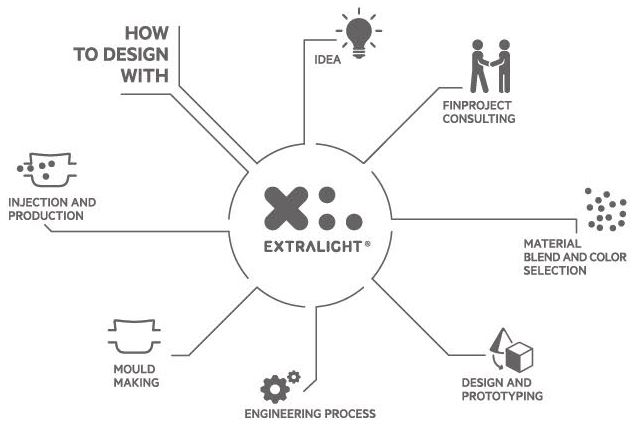
Foam injection molding is another way to develop and design new products for entrepreneurs on a budget. This type of injection molding is a cost effective strategy to develop lightweight, durable, and aesthetically pleasing products. The foam injection molding process is conducted by melting thermoplastic materials and applying a blowing agent to create a foamy substance. Then, this foamy substance can then be injected directly into custom molds based on your product depiction. 

These custom molds allow you enhanced flexibility over the design, size, and shape of your final product. If you are interested in the top cost-effective ways to design new products, consider foam injection molding. 

Research Custom Production Services 

Businesses looking for unique, cost-effective manufacturing methods should consider opportunities in custom production. Custom production services individually produce specific goods to meet client needs. Custom production specialists can specialize in specific industries, or work universally to develop client products. Commonly, these are service providers like contractors, sourcing agencies, artisans, or craftspeople. As individual services, the cost for custom production services frequently vary. However, many specialists work directly to meet their clients' design and price requirements. Because of this, custom production can actually be one of the most cost effective methods to produce your products. 

3D Printing 

One of the quickest growing manufacturing methods for cost conscious entrepreneurs is 3D Printing. 3D Printing is one of the quickest, most inexpensive methods to design and manufacture new products. Commercial printing technology uses software to design a three-dimensional computer-aided model. Printing technology is becoming increasingly accessible, reduces your production waste, and is more sustainable than traditional, fuel-consuming equipment. This has allowed many entrepreneurs like yourself increased flexibility over the design and production of their products. If you are looking for the top cost-effective strategies to manufacture new goods, consider 3D printing technology. 

Build It Yourself (DIY) 

When it comes to designing your products, there is no cheaper method than doing it yourself. If your product concept is relatively easy to design and assemble, consider attempting to build it yourself. Make a list of all the supplies you need to build your product. Check with your local hardware store to see what type of equipment they carry. Not only does self-assembly save you money, it better familiarizes you with the functions of your designed product. When you build products yourself, you can utilize savings to test market new products. If you have previous knowledge and expertise in how your product should work, consider purchasing the equipment to build it yourself. 

Conclusion

Entrepreneurs are constantly looking for the best cost-effective methods to build their planned product designs. The first step is to consider the traditional manufacturing methods. Assess opportunities foam injection molding your product prototype. Consider custom production options with local businesses and experts in your area. If you have access to the technology, consider 3D printing your product designs. Furthermore, in order to save additional money throughout your manufacturing process, consider building it yourself. Consider the points above if you are interested in the top cost-effective ways to design new products.

New Frugal Finance Blog Posts & Articles