Showing posts with label Production. Show all posts

How To Improve Your Organization At Work

how to improve organization at work

What makes a business successful? Of course, there are several factors to consider when it comes to a company's success. These variables are different for every business and even the definition of success can be subjective. Some company success factors include productivity, hard work, being able to work in a team, sales, and arguably the most important one is organization. 

Being organized while at work helps you gain control over time, productivity, as we as other things. Also, you would be able to focus more on your goals and overall improve the success of the business whether you’re an employee or the boss. Efficiency is essential to any workplace because it saves a lot of time, and we all know that time is money.

But, sometimes, no matter how hard you try, you can’t stay organized. This, on the other hand, can negatively affect your work and you will end up being buried in paperwork because you couldn’t have find the right strategy to complete everything in a timely manner. 

Believe it or not, there are some effective strategies to stay organized at work. You just have to know what they are for optimal workplace efficiency. Continue reading the article to find out more about the topic of being more organized at work. 

tips improve work organization

Make A Plan For Your Days And Stick To It 

It is possible that scheduling your days can aid you in remaining on track with your commitments. The practice of time blocking, which is intended to decrease distractions, consists of organizing your calendar so that you accomplish particular tasks at set times of the day. Time blocks serve as a blueprint for your day, allowing you to be adaptable and change them as required to accommodate meetings and other last-minute requirements that stand in your way. 

how to improve organization work productivity

Create A Productive Routine 

Incorporating a regular pattern into your life boosts your chances of building habits that provide you with structure and make your day go by more efficiently. Habitual behavior helps with productivity and efficiency along with starting positive cycles of prosperity.

It is possible that a routine may help you achieve your goals more successfully over time because the activities you take to get there will become more streamlined as a consequence of the routine. A routine will become more automatic as it is used more frequently. 

Maintain Strict Devotion To Your Schedule 

You should make every attempt to keep to a timetable and your routine as much as possible once you have booked time in your calendar. While it is easy to deviate from the schedule, having a timetable makes it easier to get back on track with the tasks at hand. When working on a project with a group of coworkers, it is extremely important to keep track of the time. Suppose your coworkers are counting on you to complete a task before they can begin their own. It is vital that you follow a precise schedule so that you may complete all of your work on time and without making any mistakes. Using a consultant time tracking app can help ensure efficiency and productivity.

boost workplace organization efficiency

Make Use Of Your Email Calendar 

Workplace meetings with coworkers, managers, or the whole office are probably to going to be a regular event for most people. The use of an email calendar to set up alerts for these meetings will help you remain on top of things as well as prepare for them in ahead of their arrival. Furthermore, using an email calendar to set deadlines for activities helps you to complete your tasks on time and keep your daily schedule while being organized. 

Check your work calendar on a frequent basis to ensure that you are on top of your activities and that scheduling conflicts are avoided. Rather than depending on your memory, it is preferable to jot down all of your responsibilities in a notebook in pencil. Planning and scheduling software, as well as planning and scheduling forms, may be used to help you organize and schedule long-term projects. 

Make A Comprehensive List Of Everything 

When you write notes, it can assist you in recalling important information and providing a place where you can refer back to your notes if necessary. Your thoughts can be recorded on paper or in a digital notebook, based on what is most convenient for you and your workplace setting. 

Think about taking notes during conferences, noting important dates, and establishing a to-do list to keep track of everything. Organize your time by creating daily, weekly, or monthly to do lists for important tasks. Every morning, go over your daily objectives with yourself before getting started. 

Create A Filing System For All Of Your Documents 

You will benefit from creating a file system, whether it is for physical or digital stuff, because it will help you to reduce clutter and stay organized. It is possible to create folders for different types of important documents, such as invoices and contracts, in order to better manage your files. You may also establish email folders for different types of correspondence, like senders or projects, to guarantee that you keep all of the important correspondence while not overburdening your inbox with irrelevant messages. 

Make Sure To Clean Your Desk 

The motivation, attention, and productivity of employees who work in a clean atmosphere is increased, and a lot. The ability to locate critical documents and other material more quickly and readily is a result of this capability. Weekly cleaning and sorting of stuff into folders and desk drawers should be a regular part of your daily or weekly schedule. Desks and offices must be attended to weekly for best organizational optimization results.

Think About Getting Desk Organizers 

Desk or drawer organizers can be extremely useful when it comes to keeping your workspace well-organized. Using one organizer for writing instruments and notebooks, and another for push pins, paperclips, and other small office supplies, you may organize your workplace in a variety of ways. In order to keep your workspace neat and clear, put things of similar size together and make use of all space available on the desk and in the drawers. This will help you to stay on top of your job. 

Optimal Organizing 

You no longer have to wonder how to stay organized at work if you simply follow the steps above. Sometimes it can be challenging to bounce back from being too lazy and unproductive, but with these simple steps, you can once more become more organized and therefore inspire your employees to do that as well. 

There are always helpful books you can read or articles online on how to increase organization in the workplace as well as how to learn from your mistakes and not repeat them in the past. Use whatever resource necessary to get organized and productive again, because you know your competitors are doing the same! It is time to declutter your workspace and organize optimally.

Why EVA Foam Injection Molding Technology Beats Other Foam Molding Processes

eva foam injection molding technology product design production

As a manufacturer, opting to use foam as your product’s material of choice. Lightweight, affordable, durable and easy to clean, foam offers a myriad of great properties, including being impervious to water, allowing the development of complex shapes, and providing a wide of color choices, contrasting surface textures, high-quality finishes and comfort. Foam is particularly conducive for products in the spa, pool, watersports, medical and other applications. 

But did you know that not all foam-based production processes are created equally? Let’s compare the benefits that foam injection molding, using XL EXTRALIGHT® technology foam outmatches polyurethane foam injection molding and polyurethane compression molding. XL EXTRALIGHT® is manufactured by Foam Creations in North America. 

Foam Injection Molding Versus Polyurethane Foam Injection Molding 

Polyurethane foam injection molding uses open-cell foam, which means the foam has small cells that are not completely closed. On the other hand, XL EXTRALIGHT® foam is made of closed cells, which are entirely sealed off. 

The main difference between open-cell and closed-cell foams is that closed-cell foams are firmer, while open-cell foams are less firm, due to the fact that the open cells are filled with air, which in turn impacts the way the foam performs. Unfortunately, with products made with polyurethane open-cell foam, if the outer layer of the cells are destroyed or damaged, water and humidity can enter and the risk of bacteria developing is high. Alternatively, closed-cell foams, like XL EXTRALIGHT®, guarantees that products are 100% waterproof and remain bacteria-free. 

As a result, XL EXTRALIGHT® foam injection molding is much more conducive for products that require durability, are waterproof, or need to protect users from bacteria and humidity. 

While products made from traditional polyurethane foam injection molding processes were recognized for their softness and comfort, it is important to note that manufacturers that choose foam injection molding can choose from a wide range of hardness levels for the same density. This allows them to create closed-cell-based products that are equally as comfortable as those made with open-cell foam. 

Furthermore, contrary to polyurethane foam, XL EXTRALIGHT® foam injection molding, manufactured by Foam Creations, ensures no bubbles at the back of the components. The benefits of this are threefold. XL EXTRALIGHT® foam products have a better chemical resistance. They also have a nicer finish and texture. And, especially with light colors, XL EXTRALIGHT® foam doesn’t tend to yellow, which impacts the long-term look of products. 

Foam Injection Molding Versus Polyurethane Compression Molding 

XL EXTRALIGHT® foam injection molding also varies immensely when compared with polyurethane compression molding. In addition to the aforementioned differences, injection and compression molding are two vastly different processes. 

With foam injection molding, thermoplastic materials are melted evenly and, once the polymer melt is treated, the end solution is injected into a mold to create the foam product. 

During compression molding, the thermoplastic materials are melted and then placed in a machined tool that is mounted on a molding press. The mold is then closed to force the polymer solution to come into contact with the mold surface. Pressure is maintained and the material is left to cool. On most products and components, the finished product needs to be trimmed or cut before it is finished. 

Due to the inherent processes, foam injection molding inevitably creates less waste in terms of the polymer solution and scraps. Also, foam injection molding offers superior mechanical properties and quality surface areas that are much more homogenous than compression molding. In the end, products made using compression molding may experience accelerated wear or changes in the surface quality in various zones. What’s more: foam injection molding affords a higher definition of logos, other brand imagery and textures—even if the textures are particularly fine or detailed. 

As you can see, for many applications, XL EXTRALIGHT® technology EVA foam is the clear winner when compared with polyurethane foam injection molding and polyurethane compression molding. And remember, if you select Foam Creations as an EVA foam injection manufacturer in North America, you also benefit from fast service, just-in-time production, fast deliveries, and minimal taxes and tariffs. 

Need more information about our foam injection molding approach and product insulation? Contact Foam Creations for perfectly designed unique products!

6 Benefits Of Injection Molded Surgical Devices

benefits injection molding medical devices

Medical equipment is exceedingly delicate. Surgical instruments must meet strict requirements to function efficiently and must withstand a variety of stressors. In medical contexts, chemical reactions pose a considerable concern because reactive materials can contaminate crucial medications or testing procedures, as a result, medical device items must be designed from the start with the ultimate objective in mind, taking into consideration structural design elements as well as resource selection techniques to create the best component for each case. 

Medical-grade plastics are fast becoming the medium of choice for a diverse variety of surgical instruments. The superior mechanical qualities of healthcare molding polymers allow for the total elimination of metals from operational instrument designs. In other cases, metal and plastic elements can be combined to make a better item with features that would be impossible to achieve with either an all-metal or all-plastic technology. 

Injection molding allows device manufacturers to create complicated parts with high part-to-part consistency, but selecting the apt material and method is crucial. The cost-effective medical plastic injection molding technology is excellent for massive production operations and applications that need uniformity and strict standards; molding procedure in the fabrication of medical equipment prototypes for FDA approval and test procedures. 

Material Usage 

Durable plastic materials with high molecular mass and chemical and thermal resistance are used in the medical injection molding process. Polycarbonate is a pharmaceutical-grade plastic that is inherently clear and often used for surgical equipment. It has good tension, shearing, and modulus of elasticity. It's also more heat resistant, has a lower humidity absorption rate, and is more durable than acrylics. 

PEEK is a rare genetic plastic material that is chemically robust, resistant to breaking and strain, and can be autoclave sterilized. It has a UL 94 V-0 combustibility certification and is FDA approved for contact with food. Ultem is another material that is used in medical equipment and can be sterilized in an autoclave. It is hard and brittle and chronic conditions, has great structural accuracy, and is rigid. 

Let us look at some top benefits of Injection Molded Surgical Devices 

1. Cost Quotient 

Injection molding is one of the most cost-effective manufacturing technologies today, notably when producing large quantities. Plastic injection mold is virtually usually the most cost-effective solution when healthcare supplies, equipment, and gadgets are needed in large quantities. 

Due to the sheer cheaper price-per-part, large manufacturing quantities tend to repay manufacturing costs over time. As a result, injection molding is ideal for equipment such as tanks, pipes, and single-use hospital instruments such as syringes. All of your healthcare industry demands may be met by using injection molding. 

2. Weight Quotient 

Mechanical characteristics of modern treatment polymers, especially filled polymeric materials, are comparable to those of traditional metals. Polymer resins are a direct replacement for metals in several instances, giving the equivalent performance of the device while drastically decreasing equipment mass. Reduced weights can assist surgeons to work more efficiently in the surgical procedure by reducing tiredness during protracted operations. 

3. Durability Quotient 

Many injection-molded plastics are sturdy and durable, withstanding severe conditions, vibrations, and pressure without snapping, fracturing, or exploding. Many injection molding plastics are also resistant to heat, allowing them to be disinfected regularly using an autoclave or other methods. 

Tight-tolerance manufacturing is crucial in the medical sector, where millimeters or microns may make or break a product's effectiveness. Appliance injection molding factories with advanced technology can create large numbers of systems and sensors with excellent precision and minimal variation from unit to piece. 

4. Versatility Quotient 

Several synthetic plastics are readily accessible on a commercial scale and can be used in production. Fortunately, many of these polymers may be used in medical equipment. These plastics have well-understood physical and thermal characteristics, making it simple to select the one that is best suited to the final application and atmosphere. Thermostable, chemical resistant, robust, inexpensive, biodegradable, and nontoxic resins are available. 

When it comes to prostheses, replacement joints, and other diagnostic implants that will be in constant touch with the person, plastics are becoming incredibly common. You can discover the perfect match for your healthcare gadget among the many plastics accessible for the injection molding process. 

5. Functionality Quotient 

Coating surgical equipment is impractical, and colorization is limited to the simple metal color. Injection molding makes for easy coloring inside the plastic, as well as organic clarity in some cases. It brings some path-breaking opportunities: surgical tools and gadgets can be the color scheme for simple recognition, or doctors can see through transparent plastics for better sight during surgeries. 

Medical devices injection moulding plastics are designed to be foreign - body resistant and easy to sterilise. Furthermore, the injection molding technique is simple to comply with FDA and other regulations. 

6. MRI Compatibility 

Most metals can not be used in large magnetic fields, such as those encountered in MRI situations, due to their magnetic characteristics; plastics are impervious to the electromagnetic field, therefore, injection-molded equipment is safe when it is used near or beside MRI scanners. 

Overmolding is the process of molding a polymeric covering over a section of metals to transmit specialized characteristics, such as increased handle and controls while keeping the underlying metal tool's toughness and energy absorption. Alternatively, since certain elements are pricey out of metals, plastic can be utilized to substitute a sophisticated section of a gadget. 

Final Words On Injection Molding For Surgical Devices

The way things are progressing in both technical and medical domains, the surgical devices and equipment are upgrading at such rapid speed that the future is bright for both the surgeons and the patients. The advancement in technology has already made operations precise. With such improvements, the process has given confidence to surgeons to take bold steps and save more lives than before. 

It is why plastic injection molding is so well-suited to medical equipment fabrication: the molding process is reliable and systematic, ensuring a stable quality month by month, season after season, and the ability to produce massive volumes of identical components.

How Automation Design Can Aid Your Business

how automation design helps business streamline processes automate company

Did you know that every year there are around 30,000 new products introduced into the market? If you are ready to bring your product out to the market and want it to be made as efficiently as possible, you are in the right place. We have put together this guide to share why good automation design is key to bolstering your business. Keep reading to learn more about development automation and getting your ideas out to the world. 

1. Consistent 

One major benefit of automation design is that it reduces the chance of design errors. This can really come in handy if there are different sizes of your product but with the same design. Automation design will still be able to keep the consistent design every time vs products going through a manual process. 

Whether the machine is creating the first product or the millionth one, you can rest assured that the end design is consistent. 

Something else that is consistent is the replacement tools once the original tool breaks down or stops working due to age. You have peace of mind that when your product development engineer orders the new or replacement tool it will perform the same as the original one. 

2. Faster Configuration 

Another pro is that you can configure your products to spec a lot faster and easier. The traditional way of manually modifying models to meet the customer's specs request was not only time-consuming but also drained engineering resources leading to fewer profits. 

3. Lead Time Is Shorter 

Automation design will reduce tool design time which means a shorter lead time for customers. This benefits custom manufacturers because they are processing multiple orders. It also benefits the engineers that are waiting on the tools to improve their processes. Usually, tool design time can be reduced by at least an hour, which can add up to a lot of time very quickly. 

4. Faster 

The faster your products are created the faster they can be sold and sent out to customers. Having your products on an automation design production line will reduce the processing time and will increase your turnover rates. You probably agree that time is of the essence in business which is why automation design is also a wise return on investment. 

5. Less Waste Generation 

When you incorporate design automation your machines are constantly producing accurate parts, this means less waste generation. Efficiently using resources and being precise not only reduces waste generation but also reduces the overall cost of production. 

6. Safety 

If you are using traditional methods of producing your products you have to constantly have someone supervising employees to ensure that your workplace is safe. With design automation, there is no constant human supervision required. Instead, the person operating the machine has to program the instructions of what has to be done and the machine will take care of the rest. 

The operator does not have to worry about getting hurt and you have peace of mind that you are not relying on another human to design the product correctly. If your product requires working with any abrasive or corrosive substances, you do not have to worry that the machine will accidentally get hurt. The same applies if your products require high temperatures to be made, there are no worries about someone burning themselves on the production line. 

7. Ability to Get More Done 

Because machines do not need rest, sleep, or breaks, they can get a lot more done than humans. The great thing is that not only can they work 24/7 as needed, but they are able to still be very accurate even with long "work shifts." 

Keep in mind that the quality of the product is not affected even when running all day long. Machines also have the ability to cut, drill, and mill like no human can naturally do. The great thing is that you don't need a ton of different machines to perform each one of these tasks, one machine can be programmed to perform a ton of different operations. 

8. Operations Simplicity 

Your entire operations will be reduced to one or two people instead of hundreds or even thousands. A single operator is able to manage, supervise, and operate your machines at the same time. You can cut down on labor costs immensely and also have peace of mind that the operator is not overworking or ruining your products because they are tired, are not feeling good, or don't feel like working that day. 

9. Less Downtime 

There are mobile machines that you can use in the event that one of your main machines is going through a routine maintenance or breaks down. You can easily move the mobile machine to where it needs to go to continue the operation. Whenever your equipment is down your backlog and load will not become out of control while you are waiting. 

10. In House Control 

Long gone are the days when you have to outsource your manufacturing process to smaller workshops. Machines allow you to bring everything in-house without worrying about paying out a ton of labor. This is always a more cost-effective option where you have more control over the daily operations. 

Ready to Embrace Automation Design? 

We hope that now that you know the top reasons that automation design can help you launch your product, you can make an informed decision on whether or not it will be beneficial to you. Getting automated is usually advantages for business, especially in the modern technological age. Embrace automation excellence!

Did you find our article on automation design and implementation to be helpful? Please keep browsing the rest of our business section for some of our latest reads on automation, production, manufacturing, engineering, product management, and productivity.

6 Key Rapid Prototyping Factors That Impact Development Costs

rapid prototyping cost factors product manufacturing

There are several key rapid prototyping factors that impact development costs. Constructing a rapid prototype is an essential step of product development. Of course, prototypes are vital to fine-tune your product specifications and push your manufacturing process forward. However, building a prototype does not come cheap. In fact, there are multiple costs and factors involved with configuring a custom prototype design from scratch. As a financially-savvy product designer, being aware of these expenses is essential for cost control, as well as managing your money better. To help you get started, read on to discover the key rapid prototyping factors that impact development costs. 

Invention Purpose 

The first cost-impacting rapid prototyping factor is the product's purpose. Common invention purposes include learning, milestones, and communication. Thoroughly analyzing your purpose will prove essential to accurately determine the appropriate prototyping materials and techniques. Of course, the materials and techniques used have a significant impact on costs. Additionally, this will help you understand the difficulty level of modifying the prototype for continuous testing. Surely, consider various materials, techniques, and modification difficulties to maximize cost-efficiency through your prototype's purpose. 

Quality Control & Assurance 

Quality is an additional cost-impacting factor in prototyping processes. In many cases, product designers will need to outsource a third-party, professional prototype design company for quality assurance (QA) and control (QC). These enterprise business solutions leverage their significant experience and reputations to produce high-quality products. This way, you can maximize quality and ROI across your end-to-end development services. Following these procedures, the entire process is handled by experts who only produce high-quality prototypes. While partnering with a firm is often a significant investment, long-term costs are typically reduced due to the firm's high quality products requiring less testing. Absolutely, ensure prototype and product quality by partnering with a prototyping firm. 

Product Material 

Of course, product material will additionally impact the cost of rapid prototype development. There are numerous materials that can be used to construct a high-quality, durable initial prototype for your invention. For example, many inventors with a high priority on cost-efficiency, quality, and overall value have begun developing product prototypes with foam injection molding technology. Leveraging this material approach, you can develop products with superior strength, stiffness, and impact resistance. Simultaneously, working with this manufacturing approach promotes faster production cycles and lower material costs. Indeed, product materials will certainly impact the cost of your rapid prototype. 

Complexity 

Next, consider the prototype's complexity as the fourth cost-impacting factor. When compared to similar elements, complicated designs typically need more significant time and capital investments. In order to mitigate these requirements, limit the number of different materials and working parts required. This way, the prototype manufacturing process is kept simple, which will significantly shorten development times, reduce costs, and get the product manufactured faster. Simultaneously, this will help you reduce costs, effectively keeping with your bootstrap business goals. Definitely, reduce time and money requirements by considering the complexity of prototypes. 

End Users & Final Products 

Moreover, end users and final products are an additional prototyping factor that impacts product design costs. Keep end users and final product in mind throughout the process in order to maximize prototyping efficiency and fit for the product's intended purpose. This way, potential errors are recognized and prevented, which will save a significant amount of time. Additionally, you can avoid complications by keeping mass production necessities in mind. Mitigating these errors and complications will reduce your forecasted development costs significantly. Of course, save costs by recognizing and preventing errors and complications while keeping end users and final products in mind. 

Budget 

Lastly, budget is one of the most significant prototyping factors impacting product design costs. Consider materials, processes, and techniques used to maximize budget efficiency. Additionally, consider how close the prototype must be to its finished product, as you may need to test using expensive final production processes if the two are close. Therefore, provide more iterations at reduced costs that offer necessary prototyping insights using less expensive methods, such as 3D printing businesses. Of course, maximize cost-efficiency by considering prototyping budgets. 

Cost Conclusion

There is a myriad of key rapid prototyping factors that impact product design costs. For example, consider various materials, techniques, and modification difficulties to maximize your prototype's purpose. Second, ensure prototype and product quality by partnering with a prototyping firm. Third, ensure product and material fits for the product's unique needs by considering prototype applications. Next, reduce time and money requirements by considering the complexity of product prototypes. Finally, maximize cost-efficiency by considering prototyping budgets. When wondering about key rapid prototyping factors that impact product design costs, consider the factors described above.

How to Boost Productivity Like a Pro With 4 Tips

how to boost productivity pro tips increase business production

Did you know that distracted employees cost American businesses around $650 billion per year? If you want your team to be successful and you don't want to lose money every year due to distracted workers, then everyone has to get on the same page of being productive. 

We have put together this list on how to boost productivity like a pro. Keep reading to learn how you can help your employees make the most out of the time that you are paying them for and increase efficiency.

1. Eliminate Distractions

Distractions such as phones, email notifications, multiple web browsers, and excess meetings are all culprits of distracting us and keeping us off task. Getting rid of everything that has nothing to do with the task at hand will go a long way when it comes to improving productivity. 

You will quickly notice a difference in how long it takes a worker to get a job done and you will also notice an increase in the amount of free time.

2. Music

If someone prefers working with music then they can listen to music that helps boost their productivity. Testing out different types of music to see which one helps with staying focused and on task is smart. 

Most people do well with music that only has a beat and no lyrics with a bit of a fast pace.

3. Scheduled Breaks

You might think that taking breaks is counterintuitive to increasing productivity but the truth is that scheduled breaks can improve concentration and reduce distractions. The key is to take short breaks during long tasks to help maintain a consistent level of performance. 

Working on the same task with zero breaks will actually cause a decline in performance and productivity. A short walk around the office or down the block will allow an employee to return to the task at hand with a fresh set of eyes feeling better. 

4. Multitasking Is Not Helpful

You want to get your employees to stop trying to multitask. Multitasking is actually a productivity killer and it can create mental blocks when people switch tasks. Committing to a single task before going on to the next project will give an employee their full attention to the task at hand and it will also improve the quality of their work. 

Instead of spreading themselves thin on multiple projects that they jump from one to the other they will avoid burn out and quality issues. Preventing and minimizing burnout will help your whole company overall in the long-term.

Now You Know How to Boost Productivity Like a Pro

As you can see there are a few ways for boosting productivity. Now that you know how to boost productivity, you can pick and choose the methods that you feel will work for you and your employees. You can also try all of them and decide which ones are your favorite.

Did our blog post on how to boost productivity help you today? Please browse around the rest of our site for more great reads to improve business productivity and efficiency.

How to Find a Manufacturer for Business Products

how to find a manufacturer business products manufacturing

Running a business is tough work, especially now. 

Whether you have a product idea or need product supplies, you may need to hire a manufacturer. 

Developing an idea for a product is meaningless if you can't adequately produce it. Accurately manufacturing your product requires an understanding of the design, materials, and budget.   

Most businesses trying to turn ideas and prototypes into tangible products need the help of a manufacturing facility, especially if they're trying to produce in bulk. Here is how to find a manufacturer for business products.


Having an Idea Is Half the Battle

Most of us have had invention ideas. We see a problem, and we imagine a way to fix it. Few of us, however, follow those ideas, plan them, and execute them.

If you have an idea for a business or a new product, half the battle is over. But the second half of the fight is usually the toughest. It's not enough to come up with a prototype. You have to execute and find the right manufacturer. 

Before hiring a factory for your product, here are a few steps to consider: 


Understanding the Market 

Unfortunately, plenty of great ideas fell by the wayside over the years because there was simply no market. I mean, look at Nikola Tesla. The guy was a genius and died penniless because he was too far ahead of his time. 

For most of us who aren't Tesla, money is a great motivator. Why else would you spend sixteen hours a day working on a project? You have to eat! Because you have to eat, you should know what market can pay the grocery bills. 

Before you devote all your time to production and starting a business, you should have an idea of how to build your customer base and how your company operates in its market. 


Obtaining a License  

If you're an inventor, you want to spend your time inventing, not worrying about manufacturing, labor, the company's brand, etc. Licensing your product can take a lot of the guesswork out of launching your product. Make sure you're licensing your product to the right people. 


Building and Testing the Prototype

It's not enough to have an idea; you have to act on the plan. Building a prototype is a solid step in the right direction. It gives you something to show investors and shows you're serious.  You'll also want to test the prototype, so investors know the research behind your product. 


Protect Your Intellectual Property

The world is full of ambitious people. Some have pure intentions, and some are ruthless profiteers, so watch out. Better than watch out, protect your brainchild. Register for a patent, copyright your work, or buy a trademark. There are no sadder stories than the ones about people who saw other people profiting off their work. 

Finding a manufacturer becomes a lot simpler after you follow the previous steps. But you still have to be careful, finding a manufacturer can be just as hard as inventing the product. 


The U.S. or Overseas?

There are no right or wrong answers here. Despite the current politics, you're going to have to decide what's best for your company. Make sure you consider all the factors when deciding, though. The last thing you want is an overseas manufacturing nightmare.  

There are many things to consider when you're deciding on a manufacturer. Issues such as budgeting, time, markets, and the type of product you're producing are all key factors that should influence your decision. 

Unfortunately, with U.S. factories on the decline, it's somewhat challenging to find local manufacturing companies for all of your products. Using a resource like mass production services can be beneficial.

Perhaps the most crucial aspect of deciding where to manufacture is market research. Understanding where your product has its highest demand is an easy way to set your business up for success. On top of market research, you'll also need to understand the tariff and tax situations for different countries or states you're considering starting your manufacturing.  


What to Look For in a Factory

Choosing a location is a big step in the manufacturing process. However, it's not the only step. Once you've selected a site, you'll have to investigate the layout of the factory. When you're considering how to find a manufacturer, location isn't everything. 

When you're choosing how to find a manufacturer, look for representatives who demonstrate extensive knowledge and experience in your field. Factories are only as functional as the people who run them. 

Factories may have smart, experienced managers, but what good is knowledge if you can't produce? Choosing how to find a manufacturer also comes down to the factory's technical capabilities. The factory should have experience generating products that are similar to yours. 

Choosing a factory with similar experience means they understand what it takes to produce high-quality products in your market.  

Last but not least, go with the factory you trust. Trust is based on your gut instinct, but it also comes down to a factory's reputation. Do your homework. Ask around town and look up reviews to find out if you're making the right choice.


Choosing How to Find a Manufacturer the Right Way

If you're an inventor or an entrepreneur, you need to put in more work than the average citizen. Creating a business takes more effort than running an already-working business. Make sure you do things right when choosing how to find a manufacturer

7 Benefits of Design for Manufacturing (DFM)

Design for Manufacturing DFM product development

You might have heard about "design for manufacturing", or DFM, before now. But knowing what exactly DFM is is another question entirely!

More important than that, you may not know of the huge number of benefits that DFM can provide when it comes to your product design. That's why we've outlined what exactly DFM is, so you can look at how to implement it in the future.

As well as that, we've then noted the key benefits of DFM. That way you're not just learning how to use it, you're learning why you need to use it to make the most of your product design phase.


What is DFM?

As noted above, DFM stands for "design for manufacturing". This is much simpler than it sounds, we promise!

DFM is a specific way of designing your products before the manufacturing stage takes place. It's a way in which you can approach the design of your products with the later manufacturing stage in mind.

Think of it as a way of making the connection between the design phase and the manufacturing phase as easy as it can be. You have to think about the manufacturing during the design phase, before you actually come to manufacture your product later.

There are 5 key principles to DFM, known as process, design, material, environment, and compliance/testing. All of these must be approached suitably for the DFM process to work.

To be properly executed DFM needs to begin early in your design process before you begin assigning tools. The main end goal of a proper DFM approach should be the ability to create a better quality product at a lower price.

If you want to find out more about the DFM process, and how you can approach it, make sure you read on here.

Now that you know what DFM is, we're going to note the many benefits it can provide you.


The Benefits of DFM: A Streamlined Approach Improves Quality 

As mentioned in the above section, the main aim of DFM is to improve product quality whilst lowering overall cost.

This is thanks to how DFM streamlines the transition from design to manufacture. If you are immediately considering the manufacturing phase during design, you're able to think about how your product will be made.

This includes the materials it'll be created from as well as the overall manufacturing process. By outlining this early, you can optimize this process in line with the overall product design.

This can make your manufacturing more accurate, as it has been considered from the get-go. It also ensures that the manufacturing process, in being so efficient, is completed as quickly as possible to a high standard.


Streamlining also Lowers Costs and Improves Your Timeline

This streamlining can lower the overall cost of production in the long-run, as it means you create more products in a shorter time. It also ensures your product is of better quality, meaning that you won't lose out on any money down the line due to badly manufactured products.

Your product is also going to go to market faster, as a result of the smoother manufacturing process. This means you can launch sooner and start selling your product to customers earlier than you'd have planned without DFM.

Not only does it speed up the process overall, it means you can advance to the manufacturing stage sooner as it has already been planned out. That also quickens the overall phases of product design and ensures the overall cost of this process is also lowered as a result.


Allows for Greater Automation Potential

In designing the manufacture of the product early, you're likely working to automate the manufacturing process as much as possible.

Where DFM shines is in the ability to allow for greater automation potential in the product itself, as well as within this process. Automation is intrinsically linked to the manufacturing phase.

Automation is only possible when the right materials are used in the right way. To be achieved properly, you have to marry the design process with the manufacturing process.

Luckily, DFM allows for this. That means the process can allow you to create a product with a greater potential for its automation.


DFM Ensures Your Product Can Always be Manufactured, Avoiding Errors

Most importantly, using DFM means that you know your product will be able to be manufactured and then sold to the market.

When designing without DFM, there is no guarantee that the product you are designing achieves the correct specifications. This means when it comes to manufacturing you will likely have to substitute materials and come out with an inferior product.

In the worst-case scenarios, you may have designed a product that can't be manufactured at all. This means you've wasted all that design time and need to go back to the drawing board.

With DFM, you're able to think about your product design logically and rationally. This can help you optimize the product, and also guarantee that your goals are achievable. 

Design for manufacturing is a less risky way to design as a result and means that each core element of the process from design to manufacture has been thought about in tandem. 


Where Can I Find Out More about DFM?

Now you know what exactly DFM is, as well as the many ways in which it can benefit your company and its product design.

But that likely hasn't answered all of your burning questions about DFM. If you do have further questions or want to find out more about product development and prototype design, make sure to take a look through some of the previous posts on our website.

We have many other articles on manufacturing processes that you can use along with DFM to improve your business in the future. Visit the Business section of the Frugal Finance Blog right now and improve your production today!

5 Different Sheet Metal Types

different sheet metal types

Sheet metal is modernly used in uncountable applications. If you work in an industry that builds almost anything, chances are high you've used sheet metal at one point or another.

Sheet metal can be used to create everything from fences and automobile panels to jewelry and electronics. Each of these applications requires sheets made of different metals. 

But how do you know which metal type is best for your project? Continue reading to learn the differences in sheet metal types.


What Is Sheet Metal?

Sheet metal is defined as any metal between 0.5 and 6 millimeters in thickness. Metal plates and foils are similar. The only difference between them and sheet metal is their thickness. 

Sheet metal falls in the middle in terms of strength and thickness. Sheets are considerably thinner than the metal bars often used in heavy-weight construction, so they have the potential to be manipulated. But, they're much more durable and less prone to tearing than metal foils so that they can be used in projects requiring a supportive metal. 


Cold Rolled Steel

Cold rolled steel is created using a rolling process, with rollers on both top and bottom. The process takes a metal alloy and transforms it into a thinner sheet of metal than the original. The metal is then rinsed with acid before the last roll and treated with heat after.

Cold rolled steel is more durable than it's hot-rolled counterpart. It also features a comparatively refined finish.


Hot Rolled Steel

Hot rolled steel is also created using a rolling process. The difference is that the temperatures during this process are above 1,400 Fahrenheit. Metals between 1/16 and 5/16 inches are created during the hot rolled process.


Mild Steel

Like other metals, mild steel is created using a rolling process. Mild steel is, in fact, a subset of cold-rolled steels. The difference is that the metal alloy used has less carbon than other sheet metal types. 

The lack of carbon in mild steel makes it react well to both welding and formating. For this reason, mild steel is often used in car body panels. 


Aluminum Sheet Metal

Aluminum is a naturally soft, malleable element. To create sheet metal, the aluminum is reinforced with iron, copper, silicon, or magnesium. The ending result is a more robust sheet metal design. 


Copper Sheet Metal

Copper is a conductive metal. Since copper can transfer heat and electricity, this sheet metal type is often used to create electronics. You can also find copper sheet metal used in jewelry.


Do You Have More Questions About Sheet Metal Types?

There are many types of standard sheet metal available for use in your next project. The most common types are outlined above, but sheets may be less frequently made from other metals. Each metal type is best for a specific use or industry.

Do you have more questions about sheet metal types? 

Check out our other blog posts. You'll find a wealth of information on related topics on machinery, engineering, manufacturing, product design, construction, and business equipment.

How Much Does a CNC Machine Cost?

how much does a cnc machine cost

Are you ready to take your projects to the next level? If so, then the most efficient way to do that is by employing better heavy equipment.

The world of mechanization and technology is always advancing. The tools produced by this advancing technology can both speed up and simplify production. This allows you to produce higher-quality work and it also streamlines the work process.

In this article, we'll take a look at the pricing of one of the best pieces of heavy equipment: CNC machines. We'll answer the question of how much does a woodworking CNC machine cost so that you can figure out whether this machine is right for your budget.


What Is a CNC Machine?

Before we look at CNC machine costs, let's first make sure that we understand what a CNC machine is.

CNC stands for computer numerical control. This refers to the system employed by the machine to make cuts and shape materials into products. These machines are thus computer-controlled.

The computer has a record of the shape of the material that needs to be created. The shape is defined by thousands of points on the x-y-z coordinate system. These geometric points are what guide the cuts made by the CNC machine.

The precision afforded by the computer programming of a CNC machine greatly exceeds what you can achieve by hand. 


How Much Does a CNC Machine Cost?

The answer to the question of how much do CNC machines cost depends on what kind of CNC machine you're looking to get. Machines that are used by hobbyists are small-scale and you can buy one for under $5000. 

As you add more complexity and features, the price goes up. Professional routers cost upwards of $10,000. Those used for industrial applications in assembly lines can be upwards of $50,000.

The basic rundown of starting costs looks like this:

  • DIYer CNC (2-axis): $5,000
  • Professional CNC (2-axis) : $10,000
  • Mass manufacturing CNC (2-axis): $50,000
  • Mass manufacturing CNC (3-axis): $200,000
  • Mass manufacturing CNC (5-axis): $500,000
  • Multi-axis, multi-spindle CNC: $500,000

Saving Money With a Used CNC Machine

One of the best ways to save money on a CNC machine is to look at used CNC machines. These pieces of equipment are built to last, so you shouldn't have any worries about buying a used CNC that has been well cared for.

Used CNC machines for sale vary greatly in price depending on the condition, type of machine you need, and the age of the equipment.

In any case, you can expect to pay far less than the price of a new piece of equipment.

When purchasing a used machine, make sure to purchase one that has been well maintained. If the owner can't produce service records or is unable to recall what service procedures were performed and how often, it's wise to avoid that machine.


Learning More About CNC Machine Pricing

Now that you know the answer to the question of how much does a CNC machine cost, you should be able to figure out whether you should invest in one or not and what price range to expect.

For further construction advice and to learn more about CNC machines, check out the rest of the resources on our website before you go! We have a wide variety of helpful articles on manufacturing, 3D printing, engineering, production, and business equipment!

5 Cost-Effective Ways To Design New Products

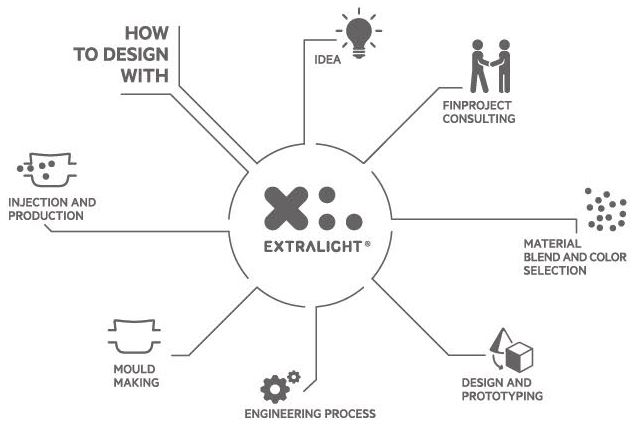
how to design new products with extralight foam injection molding

Modern business owners are constantly looking for cost-effective solutions to develop new products. With business owners like yourself constantly attempting to save money, you need to find a production solution offered at a fair value. With the best design solution in place, you can quickly begin developing prototypes or producing inventory. 

Before you select a production method, it is often beneficial to overview all manufacturing and design options available. There are multiple methods available whether you are looking to reduce production costs, change manufacturing tactics, or get a prototype made. Read on to learn about the top cost-effective ways to design new products. 

Consider Traditional Manufacturing Procedures 

As you plan cost effective manufacturing processes, it often helps to first consider traditional methods. The most common form of traditional manufacturing is assembly line, or repetitive production. With appropriate access to equipment and resources, these traditional manufacturing options can design any product to your exact specifications. By using your existing manufacturing, you can save money for your business while developing new products. In addition to repetitive options, you can additionally produce your goods using a discrete manufacturing process. These traditional production processes are often incredibly cost-effective as long as you are manufacturing goods in bulk. In order to design and produce new products, consider traditional manufacturing options. 

Assess Foam Injection Molding Opportunities 

Foam injection molding is another way to develop and design new products for entrepreneurs on a budget. This type of injection molding is a cost effective strategy to develop lightweight, durable, and aesthetically pleasing products. The foam injection molding process is conducted by melting thermoplastic materials and applying a blowing agent to create a foamy substance. Then, this foamy substance can then be injected directly into custom molds based on your product depiction. 

These custom molds allow you enhanced flexibility over the design, size, and shape of your final product. If you are interested in the top cost-effective ways to design new products, consider foam injection molding. 

Research Custom Production Services 

Businesses looking for unique, cost-effective manufacturing methods should consider opportunities in custom production. Custom production services individually produce specific goods to meet client needs. Custom production specialists can specialize in specific industries, or work universally to develop client products. Commonly, these are service providers like contractors, sourcing agencies, artisans, or craftspeople. As individual services, the cost for custom production services frequently vary. However, many specialists work directly to meet their clients' design and price requirements. Because of this, custom production can actually be one of the most cost effective methods to produce your products. 

3D Printing 

One of the quickest growing manufacturing methods for cost conscious entrepreneurs is 3D Printing. 3D Printing is one of the quickest, most inexpensive methods to design and manufacture new products. Commercial printing technology uses software to design a three-dimensional computer-aided model. Printing technology is becoming increasingly accessible, reduces your production waste, and is more sustainable than traditional, fuel-consuming equipment. This has allowed many entrepreneurs like yourself increased flexibility over the design and production of their products. If you are looking for the top cost-effective strategies to manufacture new goods, consider 3D printing technology. 

Build It Yourself (DIY) 

When it comes to designing your products, there is no cheaper method than doing it yourself. If your product concept is relatively easy to design and assemble, consider attempting to build it yourself. Make a list of all the supplies you need to build your product. Check with your local hardware store to see what type of equipment they carry. Not only does self-assembly save you money, it better familiarizes you with the functions of your designed product. When you build products yourself, you can utilize savings to test market new products. If you have previous knowledge and expertise in how your product should work, consider purchasing the equipment to build it yourself. 

Conclusion

Entrepreneurs are constantly looking for the best cost-effective methods to build their planned product designs. The first step is to consider the traditional manufacturing methods. Assess opportunities foam injection molding your product prototype. Consider custom production options with local businesses and experts in your area. If you have access to the technology, consider 3D printing your product designs. Furthermore, in order to save additional money throughout your manufacturing process, consider building it yourself. Consider the points above if you are interested in the top cost-effective ways to design new products.

What Is Sheet Metal Fabrication? The Complete Guide

sheet metal fabrication

Sheet metal fabrication might seem an overwhelming concept at first. Many people don't know the realities of the process or how it all works.

Don't worry, luckily we have written this complete guide to sheet metal fabrication and broken it down into the essentials. 

Read on to get the complete picture of how sheet metal fabrication works, what it is, and what are the benefits of using it. 


Sheet Metal Fabrication: What Is It?

To put it simply, sheet metal fabrication is a term used to describe various processes that create metal parts or structures from raw metal or materials.

It can be confusing, due to the fact that there are a number of techniques used in the sheet metal fabrication process. The main techniques used are cutting, punching, bending, and welding. 

By using sheet metal fabrication it means that sheet metal can be made and stretched into almost any shape you want. This is typically used for larger finished pieces of metal which are assembled from smaller sheets, using the key processes.


How Does It Work?

Flat sheets of metal, usually steel or aluminum are either bent, cut, or stretched into your desired shape. This is routinely done by cutting or burning the metal you are working on. Therefore, allowing it to be welded or assembled into your final finished product.

Though the terminology can differ slightly, there are key phases to the sheet metal fabrication process. These are usually as follows:

Design: The end product often needs to be designed before the actual process takes place. This is to ensure the final product meets strict requirements.

Programming: After the design itself has been completed, the next stage is programming. Basically, this is putting the design into a code or language that the actual machine doing the fabrication is able to understand.

Cutting, Bending, Punching, and more: Once they've been programmed in, the machine will complete the general process of fabrication. These will vary depending on the design but typically include cutting, bending, and punching as well as often welding.

Assembly: Once the above stage has been completed, the end result needs to be fully assembled. 

Once assembled, the general sheet metal fabrication process has been completed. You should then have an end result exactly the same as the item conceptualized in the design process.


The Right Tools for the Job

With sheet metal fabrication the most important part is ensuring you have the correct tools for the job. Tools such as band saws and chop saws ensure you have an even cut throughout the whole process. 

Press brakes can also be used in sheet metal fabrication. They help to create sharp bends and angles in the metal. Press brakes come in a range of different formats and suit a variety of different functions, so it's important to check you have the right one for the job.

Oxy-acetylene torches are used to straighten out any defects in the metal when any deformities are detected. This is the perfect tool to use to correct any mistakes. It allows heat to be slowly applied to the affected area and removes any irregularity in the metal.

However, these are just some of the manual tools you can use in the process. There are tools such as CAD design software, laser cutters, CNC punch machinery, and even robotic welders. These are all things you can consider when choosing your machinery and tools.


Why Use Metal Sheet Fabrication?

Metal sheet fabrication has many beneficial aspects to it for yourself and your client. Firstly, it's important to note that the designs are so flexible. It can be used to create almost anything from small components to airplanes! 

The demand for metal sheeting is high because it encompasses such a wide range of industries and sectors. Automotive, construction, shipping, aerospace, robotics, and energy sectors all rely heavily on needing vast quantities of metal sheeting.

This is because metal is a strong and durable material that has a longer-lasting quality than most other materials. It is also, comparably, less expensive, and more cost-effective than other materials.

Metal sheet fabrication can also typically be produced at a faster rate than other products, meeting the supply and demand much quicker than alternative materials.


Which Metal Should you Use?

Steel and aluminum are the usual go-to metals when you think about sheet metal fabrication. Although, there are lesser-known metals you might want to think about. 

Steel is predominately used in corrosive environments and when strength is an important requirement. It is used for things such as piping, valves, and storage tanks.

Aluminum, despite being a bit more expensive, has its place in various industries. It's resistant to corrosion, but also strong and durable. Aluminum is used in the transport industry as well as consumer goods like phones, tablets, and laptops.

Magnesium is also a good structural metal, with a low density and is utilized for things like car alloys and automotive body panels. 

Bronze, having a low melting point and being stronger than copper, can be used in cooking utensils, coins, and even turbines. 

Whichever metal you choose, for whatever purpose, sheet metal fabrication will ensure a stronger product with an even finish. This is vital to designs with strict specifications, such as cars or other large machinery.

If you're looking for premium quality custom sheet metal made from the finest metal components, you can find it at A1 Sheet Metal.


Where Can I Find out More?

As you can tell, the sheet metal fabrication process is a complex one. But sheet metal fabrication can guarantee a better material to be used in complex construction and design projects.

No matter your interest, you can find out more about sheet metal fabrication by scouring through our website. You can also find posts written about a variety of other categories, from production and tech to engineering and manufacturing.

New Frugal Finance Blog Posts & Articles