Showing posts with label Manufacturing. Show all posts

How Blockchain Technology Boosts Manufacturing Production

blockchain technology boost manufacturing production machine learning

Blockchain Basics

New blockchain technology has had a huge impact on the manufacturing industry worldwide. In the current days, the world highly gains attention towards terms like cryptocurrency, bitcoin, Ethereum token and blockchain technology. The reason is nothing that most of the peoples are getting more benefits from those technologies, especially blockchain. When it comes to blockchain technology, it has evolved a lot in the market and has brought more benefits. In this article, we will cover blockchain technology, its evolution and how blockchain technology helps in the manufacturing industry. Lets we start a discussion with blockchain tech and how it has an impact on different industries such as manufacturing and finance. 

What is Blockchain Technology? 

Initially, Blockchain was just one of the technology that primarily supported all cryptocurrencies such as bitcoin but the experts can see that it have a large scope in the future then just meets the needs of bitcoin. On further analysis, we found that it can bring enormous changes in the internet networks itself. Consistently, technology has evolved more and a type of blockchain has grown a lot. So, from today, blockchain is widely being used as a distributed ledger technology. This technology has created a chain of blockchain where each of the blocks contains information as well as the data stored together and verified. These blocks are further validated and attached to the string of transactions and information in the previous blocks. In simple terms, let's compare it with google docs. As you know, multiple users can simultaneously use and can edit a single document on google docs. Likewise, even with blockchain technology, you have a distributed ledger. 

There is a difference here, unlike in google doc, you can't change the previous data. You can only add to the ledger. Some of the features of blockchain technology are blockchain keeps all data records which is referred to as a "ledger". All the data which is exchanged is a "transaction". Once the transaction is verified, it is added to the ledger as a "block". To verify the transactions, blockchain uses a distributed system called a Peer-to-peer network (p2p network). 

Once the transaction gets completed, the data is verified and added to the blockchain, it can't be changed anymore. After that, demand for blockchain has gradually increased a lot and also being noticed in other industries. 

Industries Benefiting From Blockchain Technology

In short, blockchain can create revolution almost in all the industry. But, the most likely ones that can have large benefits from it includes: 

- Healthcare 
- Banking and financial services 
- Real estate 
- Security 
- Manufacturing Industry 

Out of the above-mentioned industries, the manufacturing industry has become more inclined towards blockchain technology. Let us get into deeper that how blockchain technology can have an impact on the manufacturing industry. 

The Role Of Blockchain In The Manufacturing Industry

When we talk about modern ways of manufacturing industry, the supply chain can work across many organizations, as well as many countries. This can make the system more difficult in the way of finding solutions for increasing efficiency and chasing individual events. Most of the time, the company information in the manufacturing industry flows through the supply chains. They have a uniform way of storing and exchanging data. 

When it comes to blockchain, it can make smarter as well as secured supply chain whereas you can track the journey of your products within the real-time visibility. For example, if you are looking for material delivery, you can track the materials which you have ordered on the website and when it will arrive, who receive them and when they transport the material to the next stage and so on. Everything is recorded as blocks in the blockchain. So, you have seen minimal details of the supply chain process and there is no chance of any kind of manipulations.

There are many benefits that the manufacturing industry can get while using the blockchain technology. If you are the one among them who do experimentation with the blockchain, you must don't miss the opportunity to read the below mentioned five benefits are currently works in the real scenario. 

1. Amplified Inventory Management 

Blockchain technology offers a holistic and permanent data of every single transaction details that takes place in your supply chain process. Moreover, it opens you to connect to each party in the value chain - be it suppliers, production sites and distribution centers. The records which are store are easily accessible by those who are connected to the network. As everyone in the networks has a copy of the information, so there is no confusion happen in the supply chains process. This, in turn, become the intensify inventory management. 

2. Upgraded Data Security 

Information like Invoices and contract details that are exchange in any supply chains process is highly confidential. Sharing details by the way of traditional methods can be a risk and it can be easily hacked by anyone. Instead of using traditional methods, blockchain keeps the information more secure with the best cryptography techniques. So, if you are looking to build blockchain networks for your manufacturing industry then either choose a freelance blockchain developer or a defi development company for solutions in supply chain management to avoid cybercrime.

3. Better Traceability & Transparency 

Blockchain Technology in the supply chain can provide the data of all information related to your transaction. For instance, how the products are made, from where they start shipping and how will manage data and much more. However, if the data is permanent and it can be easily shared with your supply-chain network, it provides you a detailed tracing and tracking abilities.

4. Automatic Payment Process To Suppliers 

Blockchain technology has s facility to transfer of the fund to any part of the world. You don't stick it to the traditional banking methods. Money transfers can be made directly between the payers and payee. The whole payment system through blockchain is secured. It can be done quickly. You don't want to wait for a day or even for an hour. Once all the digital secure transactions data becomes a part of blockchain agreements and if your networks agree with the terms and conditions, then the smart contract can begin the commercial process automatically. 

5. Improve Customer Engagement 

Blockchain is stronger than normal storage technology. Because you can analyze the data to create forecasts and predictions, which can further help you to solve the flaws in your supply chain management. Not only this, but your analytic tools can help to boost your customer satisfaction. You can use the blockchain database to find ways for developing your delivery timeline. Moreover, the customers can also have the ability to access the blockchain data to a certain extent. For Instance, one of the clothing brand provides customer access while showing them an approval form or a labor union sheet. Sharing data will create transparency, which ultimately results in loyalty and also creates ever long-lasting customer relationships. 

Blockchain Technology Is A Game Changer For Your Manufacturing Business 

A lot of new technologies are enhancing the way of manufacturing industries used to work with their supply chain management and blockchain technology is one among them. As blockchain technology continues to grow, the supply chain industry is sure to look up the true forms of transparency, accountability, and efficiency. In summary, the manufacturing industries will adopt the blockchain technology.

Latest innovations in technology have raised productivity in the manufacturing sector, but they also have made significant issues in hiring.  There are a number of employees who lack the technical skills required to manage increasingly advanced manufacturing setups. Luckily, a learning management system (LMS) can solve this issue, providing extensive training as companies make the switch to more innovative technological solutions. If you want to optimize learning in manufacturing, look for the following learning management system features: 

Ease in using technology Or else, excellent employees may find difficulty in adoption of new technologies, and the lastly they need to choose a learning management system that is more complicated than the technology they are already struggling to master. The best manufacturing learning management system for manufacturing will be perceptive in nature, simplifying the learning curve so that employees can focus on the actual content of the courses, in contrary to the layout or navigation of the LMS. Easy enrollment and flexible scheduling Ease of use in a learning management system should not be restricted to navigation of application. 

Users must also enjoy easy accessibility to courses, along with flexible scheduling. Employees working in the manufacturing sector often do their job at odd hours and may struggle to receive additional training into their already crammed schedules. A manufacturing learning management system with flexible scheduling opportunities will make it easier for busy employees to stay updated with training and certification requirements. Reduce errors and improve compliance As a result of using a high-quality LMS for manufacturing, more qualified workforce is achieved. These proficient employees will work in a more efficient way, while making less production errors. Meanwhile, compliance with the local, state and federal regulations will increase as an outcome of improved health and safety training. 

Whether it’s the EPA, the FDA, or other government compliance program, an LMS can increase compliance and decrease the potential for audits. Competency Management Employees and supervisors should not face any accessibility issue during competency tracking. This allows supervisors to know whether employees have acquired the skills necessary for the job at hand, while also presenting employees just how far they’ve come and how far they have to go. There is also a motivational factor involved, as employees take pride in completing the LMS training and express an enthusiasm for continued training and certification. 

Blockchain Technology For Manufacturing Mastery

Now that you know the benefits of using LMS for the manufacturing companies – you’re probably excited to put its best features to immediate use. So just go ahead and choose the best LMS for improving your company’s efficiency, quality and safety to enjoy a host of other incredible benefits.

5 Warehouse Safety Tips You Need to Implement

business warehouse safety tips

Warehouses are a dangerous place for the American worker. Every day, hundreds of workers are injured in a warehouse setting.

In just 23 Amazon fulfillment centers, there are nearly 10 serious injuries per 100 full-time workers per year.  At one warehouse, in particular, there were over 400 separate injuries in a single year.

Some of these injuries occur instantaneously, while others develop over time. A common example is the debilitating back injuries that plague warehouse workers.

Read on to learn how to improve your company’s warehouse safety. Explore 5 warehouse safety tips that are certain to protect your workers from injury.


1. Get Educated

You cannot improve workplace safety if you are not educated on federal and state regulations. Both managers and employees alike should seek out training opportunities for workplace safety.

In addition to legal requirements, you should also be cognizant of the safety procedures for equipment. All employees that operate new equipment should be well-versed in the manufacturer’s safety instructions. To make this the safest year possible, let your employees know that safety training is an organizational priority.

An educated workforce is also more likely to report safety deficiencies. For instance, they may notify that a loading dock door repair is necessary to prevent an injury.


2. Ergonomics

Far too many companies fall short on ergonomic standards. Ergonomics is the practice of making a job suitable for an employee’s physical needs and limitations. Not all employees are made equal from a physical perspective.

Perform an evaluation of each workspace and see what resources are required to improve ergonomics. Take an employee that frequently lifts heavy objects as an example.

Considering the strain on his or her back, it would not be wise to place more pressure on their back. Instead of a traditional desk, your company should invest in a standing desk to alleviate backpressure.


3. Automation

Automation and machine learning are replacing many tasks traditionally performed by humans. While there is a negative stigma around automation for employment reasons, it can improve warehouse safety.

Consider investing in automated resources to replace the most dangerous tasks in the warehouse. Automation reduces risk and can improve efficiency at the same time.


4. Prevent Falls

According to the U.S. government, falls are the leading cause of death in the private industry. Your company can reduce risk by implementing a fall safety program.

A fall safety program includes many different facets. It starts with using the right ladder and training employees on how to use them properly. Another important factor is closely following railing standards.


5. Visualizing Safety

Safety warnings should be easy to spot and read. One effective method for visualizing safety is using bright colors for warning labels.

Moving forward into the new year, make sure your company possesses the ability to make safety labels in-house. In some cases, customization is required which makes this capability even more important. With a label-making capability, you can change the labels to accommodate workers who speak a foreign language.


A Recap of 5 Warehouse Safety Tips

The last thing you want is a serious injury to take place on your watch in your warehouses. By training your warehousing employees and investing in the right equipment, you can improve warehouse safety.

If you enjoyed this article about warehouse safety tips, check out our Frugal Finance blog for more great content. We have a wide variety of business articles about warehouses, inventory management, workplace safety, manufacturing, automation, and storage.

6 Ways Artificial Intelligence Helps Companies Reduce Waste

artificial intelligence helps companies reduce waste ai energy efficiency business

Running a business is always a challenging endeavor. There are enough difficulties you need to overcome without focusing your efforts solely on reducing company waste and energy output. Luckily there are expert artificial intelligence (AI) companies like Industrial Vision Systems that can help your business to reduce wasted time, materials, energy, and fuel with their equipment and software.

Here are 6 ways that artificial intelligence can help companies reduce waste and energy output:

1. AI QC: Quality Control Prevents Wasted Product

Artificial intelligence and machine learning technology can significantly reduce the amount of wasted product that your business produces. One of the biggest detractors from manufacturing profitability comes from machine or human error. A single production error could hold up the line for minutes or hours at a time, possibly even days depending on the issue. Time is money and even a few minutes of production time lost could cost your company significantly. If enough time is lost or enough mistakes are made, you will lose valuable clients and customers. Improve your quality control (QC) and it will make a major difference.

artificial intelligence helps companies reduce waste

2. Avoid Pricey Product Recalls

Everyone knows that product manufacturing mistakes can be quite costly. But a serious flaw in company production that requires a recall due to safety reasons can cost a fortune, especially if you aren't adequately insured with product recall expense insurance. It could also leave a permanent black mark on your company's reputation that could negatively impact sales for years to come... or cost an enormous amount to correct over time with public relations, marketing, advertising, and branding. Either way, machine vision systems can be the difference between your business floundering or flourishing.

3. Overall Increased Productivity And Efficiency

Artificial intelligence can improve your quality control to avoid major mistakes, but it can also add overall efficiency to your business production. Fewer mistakes, less holdup, and more accurate predictions mean that your business manufacturing capacity and speed will increase significantly. Now you can produce enough product (without sacrificing quality) to fill larger orders and cater to larger clients or marketplaces. And quicker production leads to quicker deliveries, which means more faster sales and more reorders.

4. Fewer Employees Needed 

When your business embraces artificial intelligence, you need to hire and maintain less employees. The same goes for independent contractors, interns, etc. Each staff member that you employee or hire needs to be trained, retained, motivated, and compensated. That saves you a great deal of overhead in salary, overtime, and benefits. 

Also consider that having fewer employees and contractors will reduce energy use and waste in your workplace and in your business transportation. This is a factor that should not be underestimated in its importance.

AI will provide strong ROI when it comes to your hiring needs!

5. Reduce Electricity, Heat, & Fuel Use

Artificial intelligence and machine learning are great for optimizing your energy use. They can lower your electricity use, heat, and other fuel consumption to make a major dent in your utilities bills. Investment in artificial intelligence equipment and software can pay for itself with lowered utilities bills alone!

6. Waste Less Money On Insurance

When you artificial intelligence and machine learning systems in your manufacturing, your liability will go way down. Any smart insurance company will understand that and would probably give you a discount on your policy or improve your coverage. If that isn't a normal option with your existing insurance provider then you could always try negotiating or seek other insurance providers. If you do get a significant discount, your systems could end up paying for themselves in insurance savings or improved coverage alone!

How AI Can Help Your Company Run Leaner, Meaner, And Cleaner

As you can see, artificial intelligence can help your business reduce waste and energy output. Make the investment in AI equipment and software to improve your company ROI. Waste not, want not!

Why EVA Foam Injection Molding Technology Beats Other Foam Molding Processes

eva foam injection molding technology product design production

As a manufacturer, opting to use foam as your product’s material of choice. Lightweight, affordable, durable and easy to clean, foam offers a myriad of great properties, including being impervious to water, allowing the development of complex shapes, and providing a wide of color choices, contrasting surface textures, high-quality finishes and comfort. Foam is particularly conducive for products in the spa, pool, watersports, medical and other applications. 

But did you know that not all foam-based production processes are created equally? Let’s compare the benefits that foam injection molding, using XL EXTRALIGHT® technology foam outmatches polyurethane foam injection molding and polyurethane compression molding. XL EXTRALIGHT® is manufactured by Foam Creations in North America. 

Foam Injection Molding Versus Polyurethane Foam Injection Molding 

Polyurethane foam injection molding uses open-cell foam, which means the foam has small cells that are not completely closed. On the other hand, XL EXTRALIGHT® foam is made of closed cells, which are entirely sealed off. 

The main difference between open-cell and closed-cell foams is that closed-cell foams are firmer, while open-cell foams are less firm, due to the fact that the open cells are filled with air, which in turn impacts the way the foam performs. Unfortunately, with products made with polyurethane open-cell foam, if the outer layer of the cells are destroyed or damaged, water and humidity can enter and the risk of bacteria developing is high. Alternatively, closed-cell foams, like XL EXTRALIGHT®, guarantees that products are 100% waterproof and remain bacteria-free. 

As a result, XL EXTRALIGHT® foam injection molding is much more conducive for products that require durability, are waterproof, or need to protect users from bacteria and humidity. 

While products made from traditional polyurethane foam injection molding processes were recognized for their softness and comfort, it is important to note that manufacturers that choose foam injection molding can choose from a wide range of hardness levels for the same density. This allows them to create closed-cell-based products that are equally as comfortable as those made with open-cell foam. 

Furthermore, contrary to polyurethane foam, XL EXTRALIGHT® foam injection molding, manufactured by Foam Creations, ensures no bubbles at the back of the components. The benefits of this are threefold. XL EXTRALIGHT® foam products have a better chemical resistance. They also have a nicer finish and texture. And, especially with light colors, XL EXTRALIGHT® foam doesn’t tend to yellow, which impacts the long-term look of products. 

Foam Injection Molding Versus Polyurethane Compression Molding 

XL EXTRALIGHT® foam injection molding also varies immensely when compared with polyurethane compression molding. In addition to the aforementioned differences, injection and compression molding are two vastly different processes. 

With foam injection molding, thermoplastic materials are melted evenly and, once the polymer melt is treated, the end solution is injected into a mold to create the foam product. 

During compression molding, the thermoplastic materials are melted and then placed in a machined tool that is mounted on a molding press. The mold is then closed to force the polymer solution to come into contact with the mold surface. Pressure is maintained and the material is left to cool. On most products and components, the finished product needs to be trimmed or cut before it is finished. 

Due to the inherent processes, foam injection molding inevitably creates less waste in terms of the polymer solution and scraps. Also, foam injection molding offers superior mechanical properties and quality surface areas that are much more homogenous than compression molding. In the end, products made using compression molding may experience accelerated wear or changes in the surface quality in various zones. What’s more: foam injection molding affords a higher definition of logos, other brand imagery and textures—even if the textures are particularly fine or detailed. 

As you can see, for many applications, XL EXTRALIGHT® technology EVA foam is the clear winner when compared with polyurethane foam injection molding and polyurethane compression molding. And remember, if you select Foam Creations as an EVA foam injection manufacturer in North America, you also benefit from fast service, just-in-time production, fast deliveries, and minimal taxes and tariffs. 

Need more information about our foam injection molding approach and product insulation? Contact Foam Creations for perfectly designed unique products!

6 Benefits Of Injection Molded Surgical Devices

benefits injection molding medical devices

Medical equipment is exceedingly delicate. Surgical instruments must meet strict requirements to function efficiently and must withstand a variety of stressors. In medical contexts, chemical reactions pose a considerable concern because reactive materials can contaminate crucial medications or testing procedures, as a result, medical device items must be designed from the start with the ultimate objective in mind, taking into consideration structural design elements as well as resource selection techniques to create the best component for each case. 

Medical-grade plastics are fast becoming the medium of choice for a diverse variety of surgical instruments. The superior mechanical qualities of healthcare molding polymers allow for the total elimination of metals from operational instrument designs. In other cases, metal and plastic elements can be combined to make a better item with features that would be impossible to achieve with either an all-metal or all-plastic technology. 

Injection molding allows device manufacturers to create complicated parts with high part-to-part consistency, but selecting the apt material and method is crucial. The cost-effective medical plastic injection molding technology is excellent for massive production operations and applications that need uniformity and strict standards; molding procedure in the fabrication of medical equipment prototypes for FDA approval and test procedures. 

Material Usage 

Durable plastic materials with high molecular mass and chemical and thermal resistance are used in the medical injection molding process. Polycarbonate is a pharmaceutical-grade plastic that is inherently clear and often used for surgical equipment. It has good tension, shearing, and modulus of elasticity. It's also more heat resistant, has a lower humidity absorption rate, and is more durable than acrylics. 

PEEK is a rare genetic plastic material that is chemically robust, resistant to breaking and strain, and can be autoclave sterilized. It has a UL 94 V-0 combustibility certification and is FDA approved for contact with food. Ultem is another material that is used in medical equipment and can be sterilized in an autoclave. It is hard and brittle and chronic conditions, has great structural accuracy, and is rigid. 

Let us look at some top benefits of Injection Molded Surgical Devices 

1. Cost Quotient 

Injection molding is one of the most cost-effective manufacturing technologies today, notably when producing large quantities. Plastic injection mold is virtually usually the most cost-effective solution when healthcare supplies, equipment, and gadgets are needed in large quantities. 

Due to the sheer cheaper price-per-part, large manufacturing quantities tend to repay manufacturing costs over time. As a result, injection molding is ideal for equipment such as tanks, pipes, and single-use hospital instruments such as syringes. All of your healthcare industry demands may be met by using injection molding. 

2. Weight Quotient 

Mechanical characteristics of modern treatment polymers, especially filled polymeric materials, are comparable to those of traditional metals. Polymer resins are a direct replacement for metals in several instances, giving the equivalent performance of the device while drastically decreasing equipment mass. Reduced weights can assist surgeons to work more efficiently in the surgical procedure by reducing tiredness during protracted operations. 

3. Durability Quotient 

Many injection-molded plastics are sturdy and durable, withstanding severe conditions, vibrations, and pressure without snapping, fracturing, or exploding. Many injection molding plastics are also resistant to heat, allowing them to be disinfected regularly using an autoclave or other methods. 

Tight-tolerance manufacturing is crucial in the medical sector, where millimeters or microns may make or break a product's effectiveness. Appliance injection molding factories with advanced technology can create large numbers of systems and sensors with excellent precision and minimal variation from unit to piece. 

4. Versatility Quotient 

Several synthetic plastics are readily accessible on a commercial scale and can be used in production. Fortunately, many of these polymers may be used in medical equipment. These plastics have well-understood physical and thermal characteristics, making it simple to select the one that is best suited to the final application and atmosphere. Thermostable, chemical resistant, robust, inexpensive, biodegradable, and nontoxic resins are available. 

When it comes to prostheses, replacement joints, and other diagnostic implants that will be in constant touch with the person, plastics are becoming incredibly common. You can discover the perfect match for your healthcare gadget among the many plastics accessible for the injection molding process. 

5. Functionality Quotient 

Coating surgical equipment is impractical, and colorization is limited to the simple metal color. Injection molding makes for easy coloring inside the plastic, as well as organic clarity in some cases. It brings some path-breaking opportunities: surgical tools and gadgets can be the color scheme for simple recognition, or doctors can see through transparent plastics for better sight during surgeries. 

Medical devices injection moulding plastics are designed to be foreign - body resistant and easy to sterilise. Furthermore, the injection molding technique is simple to comply with FDA and other regulations. 

6. MRI Compatibility 

Most metals can not be used in large magnetic fields, such as those encountered in MRI situations, due to their magnetic characteristics; plastics are impervious to the electromagnetic field, therefore, injection-molded equipment is safe when it is used near or beside MRI scanners. 

Overmolding is the process of molding a polymeric covering over a section of metals to transmit specialized characteristics, such as increased handle and controls while keeping the underlying metal tool's toughness and energy absorption. Alternatively, since certain elements are pricey out of metals, plastic can be utilized to substitute a sophisticated section of a gadget. 

Final Words On Injection Molding For Surgical Devices

The way things are progressing in both technical and medical domains, the surgical devices and equipment are upgrading at such rapid speed that the future is bright for both the surgeons and the patients. The advancement in technology has already made operations precise. With such improvements, the process has given confidence to surgeons to take bold steps and save more lives than before. 

It is why plastic injection molding is so well-suited to medical equipment fabrication: the molding process is reliable and systematic, ensuring a stable quality month by month, season after season, and the ability to produce massive volumes of identical components.

How Automation Design Can Aid Your Business

how automation design helps business streamline processes automate company

Did you know that every year there are around 30,000 new products introduced into the market? If you are ready to bring your product out to the market and want it to be made as efficiently as possible, you are in the right place. We have put together this guide to share why good automation design is key to bolstering your business. Keep reading to learn more about development automation and getting your ideas out to the world. 

1. Consistent 

One major benefit of automation design is that it reduces the chance of design errors. This can really come in handy if there are different sizes of your product but with the same design. Automation design will still be able to keep the consistent design every time vs products going through a manual process. 

Whether the machine is creating the first product or the millionth one, you can rest assured that the end design is consistent. 

Something else that is consistent is the replacement tools once the original tool breaks down or stops working due to age. You have peace of mind that when your product development engineer orders the new or replacement tool it will perform the same as the original one. 

2. Faster Configuration 

Another pro is that you can configure your products to spec a lot faster and easier. The traditional way of manually modifying models to meet the customer's specs request was not only time-consuming but also drained engineering resources leading to fewer profits. 

3. Lead Time Is Shorter 

Automation design will reduce tool design time which means a shorter lead time for customers. This benefits custom manufacturers because they are processing multiple orders. It also benefits the engineers that are waiting on the tools to improve their processes. Usually, tool design time can be reduced by at least an hour, which can add up to a lot of time very quickly. 

4. Faster 

The faster your products are created the faster they can be sold and sent out to customers. Having your products on an automation design production line will reduce the processing time and will increase your turnover rates. You probably agree that time is of the essence in business which is why automation design is also a wise return on investment. 

5. Less Waste Generation 

When you incorporate design automation your machines are constantly producing accurate parts, this means less waste generation. Efficiently using resources and being precise not only reduces waste generation but also reduces the overall cost of production. 

6. Safety 

If you are using traditional methods of producing your products you have to constantly have someone supervising employees to ensure that your workplace is safe. With design automation, there is no constant human supervision required. Instead, the person operating the machine has to program the instructions of what has to be done and the machine will take care of the rest. 

The operator does not have to worry about getting hurt and you have peace of mind that you are not relying on another human to design the product correctly. If your product requires working with any abrasive or corrosive substances, you do not have to worry that the machine will accidentally get hurt. The same applies if your products require high temperatures to be made, there are no worries about someone burning themselves on the production line. 

7. Ability to Get More Done 

Because machines do not need rest, sleep, or breaks, they can get a lot more done than humans. The great thing is that not only can they work 24/7 as needed, but they are able to still be very accurate even with long "work shifts." 

Keep in mind that the quality of the product is not affected even when running all day long. Machines also have the ability to cut, drill, and mill like no human can naturally do. The great thing is that you don't need a ton of different machines to perform each one of these tasks, one machine can be programmed to perform a ton of different operations. 

8. Operations Simplicity 

Your entire operations will be reduced to one or two people instead of hundreds or even thousands. A single operator is able to manage, supervise, and operate your machines at the same time. You can cut down on labor costs immensely and also have peace of mind that the operator is not overworking or ruining your products because they are tired, are not feeling good, or don't feel like working that day. 

9. Less Downtime 

There are mobile machines that you can use in the event that one of your main machines is going through a routine maintenance or breaks down. You can easily move the mobile machine to where it needs to go to continue the operation. Whenever your equipment is down your backlog and load will not become out of control while you are waiting. 

10. In House Control 

Long gone are the days when you have to outsource your manufacturing process to smaller workshops. Machines allow you to bring everything in-house without worrying about paying out a ton of labor. This is always a more cost-effective option where you have more control over the daily operations. 

Ready to Embrace Automation Design? 

We hope that now that you know the top reasons that automation design can help you launch your product, you can make an informed decision on whether or not it will be beneficial to you. Getting automated is usually advantages for business, especially in the modern technological age. Embrace automation excellence!

Did you find our article on automation design and implementation to be helpful? Please keep browsing the rest of our business section for some of our latest reads on automation, production, manufacturing, engineering, product management, and productivity.

6 Key Rapid Prototyping Factors That Impact Development Costs

rapid prototyping cost factors product manufacturing

There are several key rapid prototyping factors that impact development costs. Constructing a rapid prototype is an essential step of product development. Of course, prototypes are vital to fine-tune your product specifications and push your manufacturing process forward. However, building a prototype does not come cheap. In fact, there are multiple costs and factors involved with configuring a custom prototype design from scratch. As a financially-savvy product designer, being aware of these expenses is essential for cost control, as well as managing your money better. To help you get started, read on to discover the key rapid prototyping factors that impact development costs. 

Invention Purpose 

The first cost-impacting rapid prototyping factor is the product's purpose. Common invention purposes include learning, milestones, and communication. Thoroughly analyzing your purpose will prove essential to accurately determine the appropriate prototyping materials and techniques. Of course, the materials and techniques used have a significant impact on costs. Additionally, this will help you understand the difficulty level of modifying the prototype for continuous testing. Surely, consider various materials, techniques, and modification difficulties to maximize cost-efficiency through your prototype's purpose. 

Quality Control & Assurance 

Quality is an additional cost-impacting factor in prototyping processes. In many cases, product designers will need to outsource a third-party, professional prototype design company for quality assurance (QA) and control (QC). These enterprise business solutions leverage their significant experience and reputations to produce high-quality products. This way, you can maximize quality and ROI across your end-to-end development services. Following these procedures, the entire process is handled by experts who only produce high-quality prototypes. While partnering with a firm is often a significant investment, long-term costs are typically reduced due to the firm's high quality products requiring less testing. Absolutely, ensure prototype and product quality by partnering with a prototyping firm. 

Product Material 

Of course, product material will additionally impact the cost of rapid prototype development. There are numerous materials that can be used to construct a high-quality, durable initial prototype for your invention. For example, many inventors with a high priority on cost-efficiency, quality, and overall value have begun developing product prototypes with foam injection molding technology. Leveraging this material approach, you can develop products with superior strength, stiffness, and impact resistance. Simultaneously, working with this manufacturing approach promotes faster production cycles and lower material costs. Indeed, product materials will certainly impact the cost of your rapid prototype. 

Complexity 

Next, consider the prototype's complexity as the fourth cost-impacting factor. When compared to similar elements, complicated designs typically need more significant time and capital investments. In order to mitigate these requirements, limit the number of different materials and working parts required. This way, the prototype manufacturing process is kept simple, which will significantly shorten development times, reduce costs, and get the product manufactured faster. Simultaneously, this will help you reduce costs, effectively keeping with your bootstrap business goals. Definitely, reduce time and money requirements by considering the complexity of prototypes. 

End Users & Final Products 

Moreover, end users and final products are an additional prototyping factor that impacts product design costs. Keep end users and final product in mind throughout the process in order to maximize prototyping efficiency and fit for the product's intended purpose. This way, potential errors are recognized and prevented, which will save a significant amount of time. Additionally, you can avoid complications by keeping mass production necessities in mind. Mitigating these errors and complications will reduce your forecasted development costs significantly. Of course, save costs by recognizing and preventing errors and complications while keeping end users and final products in mind. 

Budget 

Lastly, budget is one of the most significant prototyping factors impacting product design costs. Consider materials, processes, and techniques used to maximize budget efficiency. Additionally, consider how close the prototype must be to its finished product, as you may need to test using expensive final production processes if the two are close. Therefore, provide more iterations at reduced costs that offer necessary prototyping insights using less expensive methods, such as 3D printing businesses. Of course, maximize cost-efficiency by considering prototyping budgets. 

Cost Conclusion

There is a myriad of key rapid prototyping factors that impact product design costs. For example, consider various materials, techniques, and modification difficulties to maximize your prototype's purpose. Second, ensure prototype and product quality by partnering with a prototyping firm. Third, ensure product and material fits for the product's unique needs by considering prototype applications. Next, reduce time and money requirements by considering the complexity of product prototypes. Finally, maximize cost-efficiency by considering prototyping budgets. When wondering about key rapid prototyping factors that impact product design costs, consider the factors described above.

7 Benefits You Will Get If You Implement Business Systems

benefits business systems implementation proper process

A business system is a collection of processes or building blocks that link the workflow within a company. 

They are known to many as the departments of Finance, Procurement, or Inventory Management, to name a few. Their benefits, however, only come when the systems and processes are properly designed and applied. 

In the world of business, several systems reap the most benefits. They cover the management of the enterprise as a whole, as well as its finances, facilities, equipment, and workers. 

These systems also assist in information management, as well as customer, product, supplier, and service management. In most cases, these involve software specializing in operations and improvement management. 

Whether you're a new, small-time entrepreneur or the head of a big enterprise, you need to know how business systems can benefit your company

Effective Business Systems Allow You To Meet And Exceed The Customer Expectations 

Business systems and processes allow you to create a marketing strategy with its own subsystem that monitors your customers' expectations. 

With this subsystem, your organization can learn, analyze, calculate, and differentiate what your clients want so that you can meet them all throughout the years. After all, you need to make your clients happy, as this is the best way to retain them as patrons. 

With such a process, you get a steady stream of information that can improve your service, so your customer keeps on coming back for more. 

Business Processes Enable You To Recreate The Same Or Even Better Results Every Single Time 

Having consistent results is only possible if you have business systems in place. That's because they outline each activity and task that your employees should perform. 

Without these, your employee may work on things that don't exactly give the best results. This leads to a waste of resources and precious time. 

With a business system installed, you can recreate the same information and improve them along the way. 

Effective Business Systems Result In An Improvement In Employee Performance 

Business systems provide education and additional opportunities for employees so that they may do their work more efficiently. These can benefit your workers' productivity, as they can do the same job at a faster pace. 

Remember, the more productive your workers become, the better the yield is for you. Add to that, this enhanced productivity can enhance your workers' performance. 

Business Systems Can Reduce Operational Cost 

Apart from providing impeccable service, the goal of most companies is to reduce overhead costs. This, of course, is one of the best results you can enjoy with business systems. 

That's because these can help your company eliminate redundant activities that can lead to possible mistakes. No need to worry about two workers dwelling on the same thing. 

With your business accomplishing its goals with little time needed, you no longer have to spend much on the cost of operations. 

A Business System Can Build A Better Organization 

Every company seeks to be organized. 

After all, this can help streamline the information and process needed by the people. If each office or worker is dispersed haphazardly, there is no way for the business to perform effectively. 

By creating a good business system, any organization can order and arrange itself well. After all, this allows businesses to streamline their operations so that their many employees function better. 

Business Systems Can Assist A Company In Solving Its Problems 

When you make or create business systems, the enterprise receives a continuous stream of feedback from people. 

This allows the company to determine the problems affecting its staff and customers. With this process of identification, businesses become better at solving issues in a short time. 

Business systems that enable problem-solving are important for the company. After all, it brings about the change that leads to continuous improvement activities. 

That said, these processes go more than just tackling issues. They ensure and enhance the quality of your business as well. 

Business Systems Boost Profits 

All businesses want to get and grow their profits. Fortunately, having such operating systems in place can allow your enterprise to experience just that. 

For one, it enables you to meet and exceed the expectations of each customer. And when you make your client happy, he/she will become an avid patron of your business. 

The right systems also promote order and problem-solving, thereby allowing your workers to focus on the more important things. There's less room for error or redundancy. 

With such processes, they can create a quality experience for the benefit of the customer. 

As mentioned, when you start a business system, you can gradually reduce overhead costs. By saving more money, your enterprise can meet its target profits easily. 

Now that you know how business systems can benefit your company, it's time to use them. With a process in place, you can quickly meet the needs of every customer.

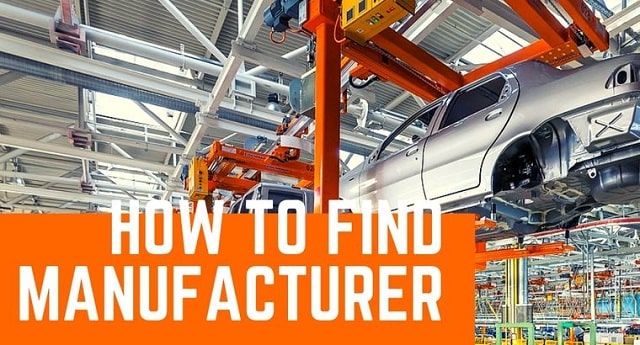
How to Find a Manufacturer for Business Products

how to find a manufacturer business products manufacturing

Running a business is tough work, especially now. 

Whether you have a product idea or need product supplies, you may need to hire a manufacturer. 

Developing an idea for a product is meaningless if you can't adequately produce it. Accurately manufacturing your product requires an understanding of the design, materials, and budget.   

Most businesses trying to turn ideas and prototypes into tangible products need the help of a manufacturing facility, especially if they're trying to produce in bulk. Here is how to find a manufacturer for business products.


Having an Idea Is Half the Battle

Most of us have had invention ideas. We see a problem, and we imagine a way to fix it. Few of us, however, follow those ideas, plan them, and execute them.

If you have an idea for a business or a new product, half the battle is over. But the second half of the fight is usually the toughest. It's not enough to come up with a prototype. You have to execute and find the right manufacturer. 

Before hiring a factory for your product, here are a few steps to consider: 


Understanding the Market 

Unfortunately, plenty of great ideas fell by the wayside over the years because there was simply no market. I mean, look at Nikola Tesla. The guy was a genius and died penniless because he was too far ahead of his time. 

For most of us who aren't Tesla, money is a great motivator. Why else would you spend sixteen hours a day working on a project? You have to eat! Because you have to eat, you should know what market can pay the grocery bills. 

Before you devote all your time to production and starting a business, you should have an idea of how to build your customer base and how your company operates in its market. 


Obtaining a License  

If you're an inventor, you want to spend your time inventing, not worrying about manufacturing, labor, the company's brand, etc. Licensing your product can take a lot of the guesswork out of launching your product. Make sure you're licensing your product to the right people. 


Building and Testing the Prototype

It's not enough to have an idea; you have to act on the plan. Building a prototype is a solid step in the right direction. It gives you something to show investors and shows you're serious.  You'll also want to test the prototype, so investors know the research behind your product. 


Protect Your Intellectual Property

The world is full of ambitious people. Some have pure intentions, and some are ruthless profiteers, so watch out. Better than watch out, protect your brainchild. Register for a patent, copyright your work, or buy a trademark. There are no sadder stories than the ones about people who saw other people profiting off their work. 

Finding a manufacturer becomes a lot simpler after you follow the previous steps. But you still have to be careful, finding a manufacturer can be just as hard as inventing the product. 


The U.S. or Overseas?

There are no right or wrong answers here. Despite the current politics, you're going to have to decide what's best for your company. Make sure you consider all the factors when deciding, though. The last thing you want is an overseas manufacturing nightmare.  

There are many things to consider when you're deciding on a manufacturer. Issues such as budgeting, time, markets, and the type of product you're producing are all key factors that should influence your decision. 

Unfortunately, with U.S. factories on the decline, it's somewhat challenging to find local manufacturing companies for all of your products. Using a resource like mass production services can be beneficial.

Perhaps the most crucial aspect of deciding where to manufacture is market research. Understanding where your product has its highest demand is an easy way to set your business up for success. On top of market research, you'll also need to understand the tariff and tax situations for different countries or states you're considering starting your manufacturing.  


What to Look For in a Factory

Choosing a location is a big step in the manufacturing process. However, it's not the only step. Once you've selected a site, you'll have to investigate the layout of the factory. When you're considering how to find a manufacturer, location isn't everything. 

When you're choosing how to find a manufacturer, look for representatives who demonstrate extensive knowledge and experience in your field. Factories are only as functional as the people who run them. 

Factories may have smart, experienced managers, but what good is knowledge if you can't produce? Choosing how to find a manufacturer also comes down to the factory's technical capabilities. The factory should have experience generating products that are similar to yours. 

Choosing a factory with similar experience means they understand what it takes to produce high-quality products in your market.  

Last but not least, go with the factory you trust. Trust is based on your gut instinct, but it also comes down to a factory's reputation. Do your homework. Ask around town and look up reviews to find out if you're making the right choice.


Choosing How to Find a Manufacturer the Right Way

If you're an inventor or an entrepreneur, you need to put in more work than the average citizen. Creating a business takes more effort than running an already-working business. Make sure you do things right when choosing how to find a manufacturer

7 Benefits of Design for Manufacturing (DFM)

Design for Manufacturing DFM product development

You might have heard about "design for manufacturing", or DFM, before now. But knowing what exactly DFM is is another question entirely!

More important than that, you may not know of the huge number of benefits that DFM can provide when it comes to your product design. That's why we've outlined what exactly DFM is, so you can look at how to implement it in the future.

As well as that, we've then noted the key benefits of DFM. That way you're not just learning how to use it, you're learning why you need to use it to make the most of your product design phase.


What is DFM?

As noted above, DFM stands for "design for manufacturing". This is much simpler than it sounds, we promise!

DFM is a specific way of designing your products before the manufacturing stage takes place. It's a way in which you can approach the design of your products with the later manufacturing stage in mind.

Think of it as a way of making the connection between the design phase and the manufacturing phase as easy as it can be. You have to think about the manufacturing during the design phase, before you actually come to manufacture your product later.

There are 5 key principles to DFM, known as process, design, material, environment, and compliance/testing. All of these must be approached suitably for the DFM process to work.

To be properly executed DFM needs to begin early in your design process before you begin assigning tools. The main end goal of a proper DFM approach should be the ability to create a better quality product at a lower price.

If you want to find out more about the DFM process, and how you can approach it, make sure you read on here.

Now that you know what DFM is, we're going to note the many benefits it can provide you.


The Benefits of DFM: A Streamlined Approach Improves Quality 

As mentioned in the above section, the main aim of DFM is to improve product quality whilst lowering overall cost.

This is thanks to how DFM streamlines the transition from design to manufacture. If you are immediately considering the manufacturing phase during design, you're able to think about how your product will be made.

This includes the materials it'll be created from as well as the overall manufacturing process. By outlining this early, you can optimize this process in line with the overall product design.

This can make your manufacturing more accurate, as it has been considered from the get-go. It also ensures that the manufacturing process, in being so efficient, is completed as quickly as possible to a high standard.


Streamlining also Lowers Costs and Improves Your Timeline

This streamlining can lower the overall cost of production in the long-run, as it means you create more products in a shorter time. It also ensures your product is of better quality, meaning that you won't lose out on any money down the line due to badly manufactured products.

Your product is also going to go to market faster, as a result of the smoother manufacturing process. This means you can launch sooner and start selling your product to customers earlier than you'd have planned without DFM.

Not only does it speed up the process overall, it means you can advance to the manufacturing stage sooner as it has already been planned out. That also quickens the overall phases of product design and ensures the overall cost of this process is also lowered as a result.


Allows for Greater Automation Potential

In designing the manufacture of the product early, you're likely working to automate the manufacturing process as much as possible.

Where DFM shines is in the ability to allow for greater automation potential in the product itself, as well as within this process. Automation is intrinsically linked to the manufacturing phase.

Automation is only possible when the right materials are used in the right way. To be achieved properly, you have to marry the design process with the manufacturing process.

Luckily, DFM allows for this. That means the process can allow you to create a product with a greater potential for its automation.


DFM Ensures Your Product Can Always be Manufactured, Avoiding Errors

Most importantly, using DFM means that you know your product will be able to be manufactured and then sold to the market.

When designing without DFM, there is no guarantee that the product you are designing achieves the correct specifications. This means when it comes to manufacturing you will likely have to substitute materials and come out with an inferior product.

In the worst-case scenarios, you may have designed a product that can't be manufactured at all. This means you've wasted all that design time and need to go back to the drawing board.

With DFM, you're able to think about your product design logically and rationally. This can help you optimize the product, and also guarantee that your goals are achievable. 

Design for manufacturing is a less risky way to design as a result and means that each core element of the process from design to manufacture has been thought about in tandem. 


Where Can I Find Out More about DFM?

Now you know what exactly DFM is, as well as the many ways in which it can benefit your company and its product design.

But that likely hasn't answered all of your burning questions about DFM. If you do have further questions or want to find out more about product development and prototype design, make sure to take a look through some of the previous posts on our website.

We have many other articles on manufacturing processes that you can use along with DFM to improve your business in the future. Visit the Business section of the Frugal Finance Blog right now and improve your production today!

New Frugal Finance Blog Posts & Articles