Showing posts with label Engineering. Show all posts

All About Engineering Supply Companies

engineering supply companies guide

Engineering supplies companies are serious businesses. BM Engineering, the long-time supplier of premium industrial valves for a range of industries, recently announced the launch of its new website. BM Engineering Supplies established in 1999 is an independent, family-run business with customer service at the heart of everything it does. BM Engineering has grown to become one of the leading valve suppliers to many process industries in Scotland, with over 60 years of combined experience in the valve industry. 

Grow Your Own Business Built Here 

The reconstruction of their website has made it an easy-to-use hub for those in the process industry looking for high-end components for their system. The previous website focused on informative content about the products' attributes and qualities, but the new website features all of that information, plus a new easy to use e-commerce platform to source all of the engineering supplies that you need. 

Buy Valves And More Online 

Visitors to the all-new BM Engineering website will find new and improved details of BM Engineering's brands, industries, key locations and case studies. The website's overhaul has made e-commerce a major focus, and visitors can now use it as a one-stop shop for ordering products with ease. The new online shop interface offers the ability to make an account for straightforward management of orders, e-receipts and shipment tracking. 

Our Industries And Areas Of Operation 

BM Engineering's wide selection of products has been used within a variety of industries, including food and beverage, pharmaceutical, paper, pulp, distillery, brewing, dairy, and renewables. The company has formed long-standing relationships with industry-leading manufacturers such as Burkert and many more, for a quality selection of products. So you can be confident that you will receive only the best and most reputable products from BM Engineering. 

BM Engineering is proud to stock Bürkert's range of first-rate components. Bürkert are experts in the fluid control sector, meaning that whether your application is level, flow, filling, pressure or temperature, together we can create a solution for you using their uniquely comprehensive range of products. Their range of products includes actuated valves, ball valves, butterfly valves, flow meters, globe valves, non-return valves, steam control valves, steam traps, and safety relief valves. 

As a Glasgow-based company, BM Engineering is a key distributor across Scotland, including the Scottish Highlands, Edinburgh, Aberdeen, and Glasgow. The company also distributes to key areas across Great Britain within the north and south of England. 

Why Buy From BM Engineering Supplies 

BM Engineering Supplies have built a sterling reputation through their dedication to providing the highest quality supplies and customer service. As an illustration, BM Engineering received positive feedback from Kirker, an American nail polish manufacturer's European branch, for providing exceptional services. Kirker required dependable ball valves that met stringent safety regulations due to the flammable nature of nail polish. BM Engineering successfully delivered 3" ANSI 150 flanged stainless-steel ball valves that met ATEX approval. Additionally, the use of Exd explosion-proof switch boxes and Exm solenoid valves ensured compliance with the necessary safety standards. 

A Word From Our Managing Director 

Blair Miller, Managing Director at BM Engineering, said: “I am incredibly proud of our new website’s overhaul on appearance, internal function and available information. Their professional website upgrade reflects an up-to-date appearance that is representative of our modern approach and ethos as a business.” 

Contact BM Engineering Now 

It has never been easier to get in touch with BM Engineering Supplies. So get the engineering supplies you need today by simply using their “Contact Us” page to contact them through phone, email, or contacts form.

5 Tips For Better Business Facility Maintenance

how to manage facility maintenance property management

Your business building needs to do more than be a place where your employees come to work. Your company facility also has to be comfortable, safe, efficient, and functional for workers.

Better facility maintenance can help you achieve all of that for your business.

What is facility maintenance? Facility maintenance is the integration of people, processes, and technology for optimized facilities. This ensures that your building contributes to the smooth and optimal operation of your business.

Below are the ways a company can stay on top of maintaining your facility at the highest level.


1. Have the Right Facilities Maintenance Management

Having an employee with the skills and ability to notice, address, fix, and prevent issues from occurring in your building can save you a lot of stress and money.

You need to ensure that employees and clients are safe when they enter your building. Knowing the best way to arrange cubicles and other equipment reduces the chances of slips and falls or other injuries. Also, it is beneficial to ensure that the facilities are clean and welcoming, and this requires organizing the facility's maintenance staff.

Keeping your building running optimally is a full-time job, which is why you need to hire a facilities manager to help with this endeavor. Hiring building managers will allow you to focus on the core competencies of your company.


2. Have a Facility Maintenance Budget

When it comes to ensuring that all of your business processes and systems are working the way they should, having a budget to take care of any issues that might arise is beneficial.

You might have to rely on your facilities manager to develop this budget, but having facts and figures can help you make informed decisions to prevent or correct any problems that might arise—without breaking your bottom line.


3. Identify the Necessary Maintenance Activities

Many different items need to be checked and handled when it comes to facilities maintenance, but to save your maintenance manager and crew time and effort, focus on the activities that are imperative to the success of your business.

Necessary maintenance tasks will be based on where they are located, how often they will need to be repaired, and the cost involved.

This might mean that you will need to do routine equipment checks on certain items more often than others. Or perhaps you need to focus your time and energy into making sure your building’s plumbing is functioning properly.

It may be prudent to spend part of your budget on a hot water jetter to keep water flowing freely through the pipes. This could reduce the chances of water damage occurring, which can have an impact on the health and wellbeing of people that visit your building.


4. Keep Track of How Labor Is Being Utilized

One of the tasks of facility management is to find ways to reduce costs and increase productivity.

To help with this endeavor, you need to have the right processes in place to track how labor is being utilized. There are many ways to do this, but using advanced technology might be the most beneficial.

With the right software and tracking program, this will ensure that your facilities manager has the data they need to make informed decisions to increase your company’s success.


5. Always Be Ready for an Emergency

Your facilities manager will always be looking for ways to improve the condition of your business. If they anticipate emergencies and are ready with a plan, when the worst occurs, they will be able to handle the situation.

This is one of the best ways to stay on top of facilities maintenance in your building and ensure you have the people and equipment to deal with any issue that might arise.


It Is Always Better to Be Proactive For Proper Facilities

When it comes to facility maintenance, it is in your best interest to be proactive rather than reactive. 

This ensures that you are keeping your building safe and functional for your employees or anyone else that might enter your property.

For more information on how to maintain your facilities or to help your business succeed, check out the other articles available on our site. Visit the Real Estate section of our Frugal Finance blog for more advice on facility maintenance and property management.

Why EVA Foam Injection Molding Technology Beats Other Foam Molding Processes

eva foam injection molding technology product design production

As a manufacturer, opting to use foam as your product’s material of choice. Lightweight, affordable, durable and easy to clean, foam offers a myriad of great properties, including being impervious to water, allowing the development of complex shapes, and providing a wide of color choices, contrasting surface textures, high-quality finishes and comfort. Foam is particularly conducive for products in the spa, pool, watersports, medical and other applications. 

But did you know that not all foam-based production processes are created equally? Let’s compare the benefits that foam injection molding, using XL EXTRALIGHT® technology foam outmatches polyurethane foam injection molding and polyurethane compression molding. XL EXTRALIGHT® is manufactured by Foam Creations in North America. 

Foam Injection Molding Versus Polyurethane Foam Injection Molding 

Polyurethane foam injection molding uses open-cell foam, which means the foam has small cells that are not completely closed. On the other hand, XL EXTRALIGHT® foam is made of closed cells, which are entirely sealed off. 

The main difference between open-cell and closed-cell foams is that closed-cell foams are firmer, while open-cell foams are less firm, due to the fact that the open cells are filled with air, which in turn impacts the way the foam performs. Unfortunately, with products made with polyurethane open-cell foam, if the outer layer of the cells are destroyed or damaged, water and humidity can enter and the risk of bacteria developing is high. Alternatively, closed-cell foams, like XL EXTRALIGHT®, guarantees that products are 100% waterproof and remain bacteria-free. 

As a result, XL EXTRALIGHT® foam injection molding is much more conducive for products that require durability, are waterproof, or need to protect users from bacteria and humidity. 

While products made from traditional polyurethane foam injection molding processes were recognized for their softness and comfort, it is important to note that manufacturers that choose foam injection molding can choose from a wide range of hardness levels for the same density. This allows them to create closed-cell-based products that are equally as comfortable as those made with open-cell foam. 

Furthermore, contrary to polyurethane foam, XL EXTRALIGHT® foam injection molding, manufactured by Foam Creations, ensures no bubbles at the back of the components. The benefits of this are threefold. XL EXTRALIGHT® foam products have a better chemical resistance. They also have a nicer finish and texture. And, especially with light colors, XL EXTRALIGHT® foam doesn’t tend to yellow, which impacts the long-term look of products. 

Foam Injection Molding Versus Polyurethane Compression Molding 

XL EXTRALIGHT® foam injection molding also varies immensely when compared with polyurethane compression molding. In addition to the aforementioned differences, injection and compression molding are two vastly different processes. 

With foam injection molding, thermoplastic materials are melted evenly and, once the polymer melt is treated, the end solution is injected into a mold to create the foam product. 

During compression molding, the thermoplastic materials are melted and then placed in a machined tool that is mounted on a molding press. The mold is then closed to force the polymer solution to come into contact with the mold surface. Pressure is maintained and the material is left to cool. On most products and components, the finished product needs to be trimmed or cut before it is finished. 

Due to the inherent processes, foam injection molding inevitably creates less waste in terms of the polymer solution and scraps. Also, foam injection molding offers superior mechanical properties and quality surface areas that are much more homogenous than compression molding. In the end, products made using compression molding may experience accelerated wear or changes in the surface quality in various zones. What’s more: foam injection molding affords a higher definition of logos, other brand imagery and textures—even if the textures are particularly fine or detailed. 

As you can see, for many applications, XL EXTRALIGHT® technology EVA foam is the clear winner when compared with polyurethane foam injection molding and polyurethane compression molding. And remember, if you select Foam Creations as an EVA foam injection manufacturer in North America, you also benefit from fast service, just-in-time production, fast deliveries, and minimal taxes and tariffs. 

Need more information about our foam injection molding approach and product insulation? Contact Foam Creations for perfectly designed unique products!

How Automation Design Can Aid Your Business

how automation design helps business streamline processes automate company

Did you know that every year there are around 30,000 new products introduced into the market? If you are ready to bring your product out to the market and want it to be made as efficiently as possible, you are in the right place. We have put together this guide to share why good automation design is key to bolstering your business. Keep reading to learn more about development automation and getting your ideas out to the world. 

1. Consistent 

One major benefit of automation design is that it reduces the chance of design errors. This can really come in handy if there are different sizes of your product but with the same design. Automation design will still be able to keep the consistent design every time vs products going through a manual process. 

Whether the machine is creating the first product or the millionth one, you can rest assured that the end design is consistent. 

Something else that is consistent is the replacement tools once the original tool breaks down or stops working due to age. You have peace of mind that when your product development engineer orders the new or replacement tool it will perform the same as the original one. 

2. Faster Configuration 

Another pro is that you can configure your products to spec a lot faster and easier. The traditional way of manually modifying models to meet the customer's specs request was not only time-consuming but also drained engineering resources leading to fewer profits. 

3. Lead Time Is Shorter 

Automation design will reduce tool design time which means a shorter lead time for customers. This benefits custom manufacturers because they are processing multiple orders. It also benefits the engineers that are waiting on the tools to improve their processes. Usually, tool design time can be reduced by at least an hour, which can add up to a lot of time very quickly. 

4. Faster 

The faster your products are created the faster they can be sold and sent out to customers. Having your products on an automation design production line will reduce the processing time and will increase your turnover rates. You probably agree that time is of the essence in business which is why automation design is also a wise return on investment. 

5. Less Waste Generation 

When you incorporate design automation your machines are constantly producing accurate parts, this means less waste generation. Efficiently using resources and being precise not only reduces waste generation but also reduces the overall cost of production. 

6. Safety 

If you are using traditional methods of producing your products you have to constantly have someone supervising employees to ensure that your workplace is safe. With design automation, there is no constant human supervision required. Instead, the person operating the machine has to program the instructions of what has to be done and the machine will take care of the rest. 

The operator does not have to worry about getting hurt and you have peace of mind that you are not relying on another human to design the product correctly. If your product requires working with any abrasive or corrosive substances, you do not have to worry that the machine will accidentally get hurt. The same applies if your products require high temperatures to be made, there are no worries about someone burning themselves on the production line. 

7. Ability to Get More Done 

Because machines do not need rest, sleep, or breaks, they can get a lot more done than humans. The great thing is that not only can they work 24/7 as needed, but they are able to still be very accurate even with long "work shifts." 

Keep in mind that the quality of the product is not affected even when running all day long. Machines also have the ability to cut, drill, and mill like no human can naturally do. The great thing is that you don't need a ton of different machines to perform each one of these tasks, one machine can be programmed to perform a ton of different operations. 

8. Operations Simplicity 

Your entire operations will be reduced to one or two people instead of hundreds or even thousands. A single operator is able to manage, supervise, and operate your machines at the same time. You can cut down on labor costs immensely and also have peace of mind that the operator is not overworking or ruining your products because they are tired, are not feeling good, or don't feel like working that day. 

9. Less Downtime 

There are mobile machines that you can use in the event that one of your main machines is going through a routine maintenance or breaks down. You can easily move the mobile machine to where it needs to go to continue the operation. Whenever your equipment is down your backlog and load will not become out of control while you are waiting. 

10. In House Control 

Long gone are the days when you have to outsource your manufacturing process to smaller workshops. Machines allow you to bring everything in-house without worrying about paying out a ton of labor. This is always a more cost-effective option where you have more control over the daily operations. 

Ready to Embrace Automation Design? 

We hope that now that you know the top reasons that automation design can help you launch your product, you can make an informed decision on whether or not it will be beneficial to you. Getting automated is usually advantages for business, especially in the modern technological age. Embrace automation excellence!

Did you find our article on automation design and implementation to be helpful? Please keep browsing the rest of our business section for some of our latest reads on automation, production, manufacturing, engineering, product management, and productivity.

6 Key Rapid Prototyping Factors That Impact Development Costs

rapid prototyping cost factors product manufacturing

There are several key rapid prototyping factors that impact development costs. Constructing a rapid prototype is an essential step of product development. Of course, prototypes are vital to fine-tune your product specifications and push your manufacturing process forward. However, building a prototype does not come cheap. In fact, there are multiple costs and factors involved with configuring a custom prototype design from scratch. As a financially-savvy product designer, being aware of these expenses is essential for cost control, as well as managing your money better. To help you get started, read on to discover the key rapid prototyping factors that impact development costs. 

Invention Purpose 

The first cost-impacting rapid prototyping factor is the product's purpose. Common invention purposes include learning, milestones, and communication. Thoroughly analyzing your purpose will prove essential to accurately determine the appropriate prototyping materials and techniques. Of course, the materials and techniques used have a significant impact on costs. Additionally, this will help you understand the difficulty level of modifying the prototype for continuous testing. Surely, consider various materials, techniques, and modification difficulties to maximize cost-efficiency through your prototype's purpose. 

Quality Control & Assurance 

Quality is an additional cost-impacting factor in prototyping processes. In many cases, product designers will need to outsource a third-party, professional prototype design company for quality assurance (QA) and control (QC). These enterprise business solutions leverage their significant experience and reputations to produce high-quality products. This way, you can maximize quality and ROI across your end-to-end development services. Following these procedures, the entire process is handled by experts who only produce high-quality prototypes. While partnering with a firm is often a significant investment, long-term costs are typically reduced due to the firm's high quality products requiring less testing. Absolutely, ensure prototype and product quality by partnering with a prototyping firm. 

Product Material 

Of course, product material will additionally impact the cost of rapid prototype development. There are numerous materials that can be used to construct a high-quality, durable initial prototype for your invention. For example, many inventors with a high priority on cost-efficiency, quality, and overall value have begun developing product prototypes with foam injection molding technology. Leveraging this material approach, you can develop products with superior strength, stiffness, and impact resistance. Simultaneously, working with this manufacturing approach promotes faster production cycles and lower material costs. Indeed, product materials will certainly impact the cost of your rapid prototype. 

Complexity 

Next, consider the prototype's complexity as the fourth cost-impacting factor. When compared to similar elements, complicated designs typically need more significant time and capital investments. In order to mitigate these requirements, limit the number of different materials and working parts required. This way, the prototype manufacturing process is kept simple, which will significantly shorten development times, reduce costs, and get the product manufactured faster. Simultaneously, this will help you reduce costs, effectively keeping with your bootstrap business goals. Definitely, reduce time and money requirements by considering the complexity of prototypes. 

End Users & Final Products 

Moreover, end users and final products are an additional prototyping factor that impacts product design costs. Keep end users and final product in mind throughout the process in order to maximize prototyping efficiency and fit for the product's intended purpose. This way, potential errors are recognized and prevented, which will save a significant amount of time. Additionally, you can avoid complications by keeping mass production necessities in mind. Mitigating these errors and complications will reduce your forecasted development costs significantly. Of course, save costs by recognizing and preventing errors and complications while keeping end users and final products in mind. 

Budget 

Lastly, budget is one of the most significant prototyping factors impacting product design costs. Consider materials, processes, and techniques used to maximize budget efficiency. Additionally, consider how close the prototype must be to its finished product, as you may need to test using expensive final production processes if the two are close. Therefore, provide more iterations at reduced costs that offer necessary prototyping insights using less expensive methods, such as 3D printing businesses. Of course, maximize cost-efficiency by considering prototyping budgets. 

Cost Conclusion

There is a myriad of key rapid prototyping factors that impact product design costs. For example, consider various materials, techniques, and modification difficulties to maximize your prototype's purpose. Second, ensure prototype and product quality by partnering with a prototyping firm. Third, ensure product and material fits for the product's unique needs by considering prototype applications. Next, reduce time and money requirements by considering the complexity of product prototypes. Finally, maximize cost-efficiency by considering prototyping budgets. When wondering about key rapid prototyping factors that impact product design costs, consider the factors described above.

7 Benefits of Design for Manufacturing (DFM)

Design for Manufacturing DFM product development

You might have heard about "design for manufacturing", or DFM, before now. But knowing what exactly DFM is is another question entirely!

More important than that, you may not know of the huge number of benefits that DFM can provide when it comes to your product design. That's why we've outlined what exactly DFM is, so you can look at how to implement it in the future.

As well as that, we've then noted the key benefits of DFM. That way you're not just learning how to use it, you're learning why you need to use it to make the most of your product design phase.


What is DFM?

As noted above, DFM stands for "design for manufacturing". This is much simpler than it sounds, we promise!

DFM is a specific way of designing your products before the manufacturing stage takes place. It's a way in which you can approach the design of your products with the later manufacturing stage in mind.

Think of it as a way of making the connection between the design phase and the manufacturing phase as easy as it can be. You have to think about the manufacturing during the design phase, before you actually come to manufacture your product later.

There are 5 key principles to DFM, known as process, design, material, environment, and compliance/testing. All of these must be approached suitably for the DFM process to work.

To be properly executed DFM needs to begin early in your design process before you begin assigning tools. The main end goal of a proper DFM approach should be the ability to create a better quality product at a lower price.

If you want to find out more about the DFM process, and how you can approach it, make sure you read on here.

Now that you know what DFM is, we're going to note the many benefits it can provide you.


The Benefits of DFM: A Streamlined Approach Improves Quality 

As mentioned in the above section, the main aim of DFM is to improve product quality whilst lowering overall cost.

This is thanks to how DFM streamlines the transition from design to manufacture. If you are immediately considering the manufacturing phase during design, you're able to think about how your product will be made.

This includes the materials it'll be created from as well as the overall manufacturing process. By outlining this early, you can optimize this process in line with the overall product design.

This can make your manufacturing more accurate, as it has been considered from the get-go. It also ensures that the manufacturing process, in being so efficient, is completed as quickly as possible to a high standard.


Streamlining also Lowers Costs and Improves Your Timeline

This streamlining can lower the overall cost of production in the long-run, as it means you create more products in a shorter time. It also ensures your product is of better quality, meaning that you won't lose out on any money down the line due to badly manufactured products.

Your product is also going to go to market faster, as a result of the smoother manufacturing process. This means you can launch sooner and start selling your product to customers earlier than you'd have planned without DFM.

Not only does it speed up the process overall, it means you can advance to the manufacturing stage sooner as it has already been planned out. That also quickens the overall phases of product design and ensures the overall cost of this process is also lowered as a result.


Allows for Greater Automation Potential

In designing the manufacture of the product early, you're likely working to automate the manufacturing process as much as possible.

Where DFM shines is in the ability to allow for greater automation potential in the product itself, as well as within this process. Automation is intrinsically linked to the manufacturing phase.

Automation is only possible when the right materials are used in the right way. To be achieved properly, you have to marry the design process with the manufacturing process.

Luckily, DFM allows for this. That means the process can allow you to create a product with a greater potential for its automation.


DFM Ensures Your Product Can Always be Manufactured, Avoiding Errors

Most importantly, using DFM means that you know your product will be able to be manufactured and then sold to the market.

When designing without DFM, there is no guarantee that the product you are designing achieves the correct specifications. This means when it comes to manufacturing you will likely have to substitute materials and come out with an inferior product.

In the worst-case scenarios, you may have designed a product that can't be manufactured at all. This means you've wasted all that design time and need to go back to the drawing board.

With DFM, you're able to think about your product design logically and rationally. This can help you optimize the product, and also guarantee that your goals are achievable. 

Design for manufacturing is a less risky way to design as a result and means that each core element of the process from design to manufacture has been thought about in tandem. 


Where Can I Find Out More about DFM?

Now you know what exactly DFM is, as well as the many ways in which it can benefit your company and its product design.

But that likely hasn't answered all of your burning questions about DFM. If you do have further questions or want to find out more about product development and prototype design, make sure to take a look through some of the previous posts on our website.

We have many other articles on manufacturing processes that you can use along with DFM to improve your business in the future. Visit the Business section of the Frugal Finance Blog right now and improve your production today!

5 Different Sheet Metal Types

different sheet metal types

Sheet metal is modernly used in uncountable applications. If you work in an industry that builds almost anything, chances are high you've used sheet metal at one point or another.

Sheet metal can be used to create everything from fences and automobile panels to jewelry and electronics. Each of these applications requires sheets made of different metals. 

But how do you know which metal type is best for your project? Continue reading to learn the differences in sheet metal types.


What Is Sheet Metal?

Sheet metal is defined as any metal between 0.5 and 6 millimeters in thickness. Metal plates and foils are similar. The only difference between them and sheet metal is their thickness. 

Sheet metal falls in the middle in terms of strength and thickness. Sheets are considerably thinner than the metal bars often used in heavy-weight construction, so they have the potential to be manipulated. But, they're much more durable and less prone to tearing than metal foils so that they can be used in projects requiring a supportive metal. 


Cold Rolled Steel

Cold rolled steel is created using a rolling process, with rollers on both top and bottom. The process takes a metal alloy and transforms it into a thinner sheet of metal than the original. The metal is then rinsed with acid before the last roll and treated with heat after.

Cold rolled steel is more durable than it's hot-rolled counterpart. It also features a comparatively refined finish.


Hot Rolled Steel

Hot rolled steel is also created using a rolling process. The difference is that the temperatures during this process are above 1,400 Fahrenheit. Metals between 1/16 and 5/16 inches are created during the hot rolled process.


Mild Steel

Like other metals, mild steel is created using a rolling process. Mild steel is, in fact, a subset of cold-rolled steels. The difference is that the metal alloy used has less carbon than other sheet metal types. 

The lack of carbon in mild steel makes it react well to both welding and formating. For this reason, mild steel is often used in car body panels. 


Aluminum Sheet Metal

Aluminum is a naturally soft, malleable element. To create sheet metal, the aluminum is reinforced with iron, copper, silicon, or magnesium. The ending result is a more robust sheet metal design. 


Copper Sheet Metal

Copper is a conductive metal. Since copper can transfer heat and electricity, this sheet metal type is often used to create electronics. You can also find copper sheet metal used in jewelry.


Do You Have More Questions About Sheet Metal Types?

There are many types of standard sheet metal available for use in your next project. The most common types are outlined above, but sheets may be less frequently made from other metals. Each metal type is best for a specific use or industry.

Do you have more questions about sheet metal types? 

Check out our other blog posts. You'll find a wealth of information on related topics on machinery, engineering, manufacturing, product design, construction, and business equipment.

How Much Does a CNC Machine Cost?

how much does a cnc machine cost

Are you ready to take your projects to the next level? If so, then the most efficient way to do that is by employing better heavy equipment.

The world of mechanization and technology is always advancing. The tools produced by this advancing technology can both speed up and simplify production. This allows you to produce higher-quality work and it also streamlines the work process.

In this article, we'll take a look at the pricing of one of the best pieces of heavy equipment: CNC machines. We'll answer the question of how much does a woodworking CNC machine cost so that you can figure out whether this machine is right for your budget.


What Is a CNC Machine?

Before we look at CNC machine costs, let's first make sure that we understand what a CNC machine is.

CNC stands for computer numerical control. This refers to the system employed by the machine to make cuts and shape materials into products. These machines are thus computer-controlled.

The computer has a record of the shape of the material that needs to be created. The shape is defined by thousands of points on the x-y-z coordinate system. These geometric points are what guide the cuts made by the CNC machine.

The precision afforded by the computer programming of a CNC machine greatly exceeds what you can achieve by hand. 


How Much Does a CNC Machine Cost?

The answer to the question of how much do CNC machines cost depends on what kind of CNC machine you're looking to get. Machines that are used by hobbyists are small-scale and you can buy one for under $5000. 

As you add more complexity and features, the price goes up. Professional routers cost upwards of $10,000. Those used for industrial applications in assembly lines can be upwards of $50,000.

The basic rundown of starting costs looks like this:

  • DIYer CNC (2-axis): $5,000
  • Professional CNC (2-axis) : $10,000
  • Mass manufacturing CNC (2-axis): $50,000
  • Mass manufacturing CNC (3-axis): $200,000
  • Mass manufacturing CNC (5-axis): $500,000
  • Multi-axis, multi-spindle CNC: $500,000

Saving Money With a Used CNC Machine

One of the best ways to save money on a CNC machine is to look at used CNC machines. These pieces of equipment are built to last, so you shouldn't have any worries about buying a used CNC that has been well cared for.

Used CNC machines for sale vary greatly in price depending on the condition, type of machine you need, and the age of the equipment.

In any case, you can expect to pay far less than the price of a new piece of equipment.

When purchasing a used machine, make sure to purchase one that has been well maintained. If the owner can't produce service records or is unable to recall what service procedures were performed and how often, it's wise to avoid that machine.


Learning More About CNC Machine Pricing

Now that you know the answer to the question of how much does a CNC machine cost, you should be able to figure out whether you should invest in one or not and what price range to expect.

For further construction advice and to learn more about CNC machines, check out the rest of the resources on our website before you go! We have a wide variety of helpful articles on manufacturing, 3D printing, engineering, production, and business equipment!

5 Cost-Effective Ways To Design New Products

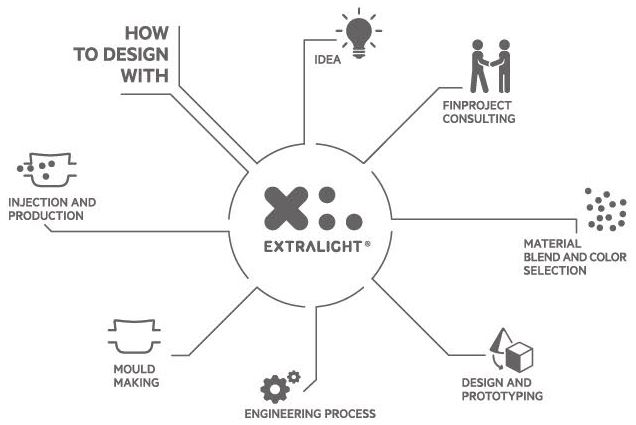
how to design new products with extralight foam injection molding

Modern business owners are constantly looking for cost-effective solutions to develop new products. With business owners like yourself constantly attempting to save money, you need to find a production solution offered at a fair value. With the best design solution in place, you can quickly begin developing prototypes or producing inventory. 

Before you select a production method, it is often beneficial to overview all manufacturing and design options available. There are multiple methods available whether you are looking to reduce production costs, change manufacturing tactics, or get a prototype made. Read on to learn about the top cost-effective ways to design new products. 

Consider Traditional Manufacturing Procedures 

As you plan cost effective manufacturing processes, it often helps to first consider traditional methods. The most common form of traditional manufacturing is assembly line, or repetitive production. With appropriate access to equipment and resources, these traditional manufacturing options can design any product to your exact specifications. By using your existing manufacturing, you can save money for your business while developing new products. In addition to repetitive options, you can additionally produce your goods using a discrete manufacturing process. These traditional production processes are often incredibly cost-effective as long as you are manufacturing goods in bulk. In order to design and produce new products, consider traditional manufacturing options. 

Assess Foam Injection Molding Opportunities 

Foam injection molding is another way to develop and design new products for entrepreneurs on a budget. This type of injection molding is a cost effective strategy to develop lightweight, durable, and aesthetically pleasing products. The foam injection molding process is conducted by melting thermoplastic materials and applying a blowing agent to create a foamy substance. Then, this foamy substance can then be injected directly into custom molds based on your product depiction. 

These custom molds allow you enhanced flexibility over the design, size, and shape of your final product. If you are interested in the top cost-effective ways to design new products, consider foam injection molding. 

Research Custom Production Services 

Businesses looking for unique, cost-effective manufacturing methods should consider opportunities in custom production. Custom production services individually produce specific goods to meet client needs. Custom production specialists can specialize in specific industries, or work universally to develop client products. Commonly, these are service providers like contractors, sourcing agencies, artisans, or craftspeople. As individual services, the cost for custom production services frequently vary. However, many specialists work directly to meet their clients' design and price requirements. Because of this, custom production can actually be one of the most cost effective methods to produce your products. 

3D Printing 

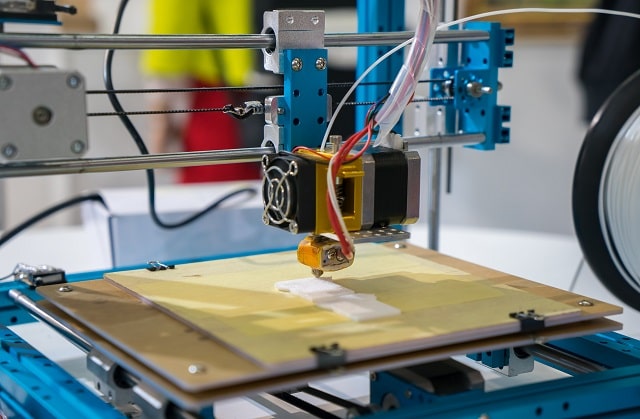
One of the quickest growing manufacturing methods for cost conscious entrepreneurs is 3D Printing. 3D Printing is one of the quickest, most inexpensive methods to design and manufacture new products. Commercial printing technology uses software to design a three-dimensional computer-aided model. Printing technology is becoming increasingly accessible, reduces your production waste, and is more sustainable than traditional, fuel-consuming equipment. This has allowed many entrepreneurs like yourself increased flexibility over the design and production of their products. If you are looking for the top cost-effective strategies to manufacture new goods, consider 3D printing technology. 

Build It Yourself (DIY) 

When it comes to designing your products, there is no cheaper method than doing it yourself. If your product concept is relatively easy to design and assemble, consider attempting to build it yourself. Make a list of all the supplies you need to build your product. Check with your local hardware store to see what type of equipment they carry. Not only does self-assembly save you money, it better familiarizes you with the functions of your designed product. When you build products yourself, you can utilize savings to test market new products. If you have previous knowledge and expertise in how your product should work, consider purchasing the equipment to build it yourself. 

Conclusion

Entrepreneurs are constantly looking for the best cost-effective methods to build their planned product designs. The first step is to consider the traditional manufacturing methods. Assess opportunities foam injection molding your product prototype. Consider custom production options with local businesses and experts in your area. If you have access to the technology, consider 3D printing your product designs. Furthermore, in order to save additional money throughout your manufacturing process, consider building it yourself. Consider the points above if you are interested in the top cost-effective ways to design new products.

What Is Sheet Metal Fabrication? The Complete Guide

sheet metal fabrication

Sheet metal fabrication might seem an overwhelming concept at first. Many people don't know the realities of the process or how it all works.

Don't worry, luckily we have written this complete guide to sheet metal fabrication and broken it down into the essentials. 

Read on to get the complete picture of how sheet metal fabrication works, what it is, and what are the benefits of using it. 


Sheet Metal Fabrication: What Is It?

To put it simply, sheet metal fabrication is a term used to describe various processes that create metal parts or structures from raw metal or materials.

It can be confusing, due to the fact that there are a number of techniques used in the sheet metal fabrication process. The main techniques used are cutting, punching, bending, and welding. 

By using sheet metal fabrication it means that sheet metal can be made and stretched into almost any shape you want. This is typically used for larger finished pieces of metal which are assembled from smaller sheets, using the key processes.


How Does It Work?

Flat sheets of metal, usually steel or aluminum are either bent, cut, or stretched into your desired shape. This is routinely done by cutting or burning the metal you are working on. Therefore, allowing it to be welded or assembled into your final finished product.

Though the terminology can differ slightly, there are key phases to the sheet metal fabrication process. These are usually as follows:

Design: The end product often needs to be designed before the actual process takes place. This is to ensure the final product meets strict requirements.

Programming: After the design itself has been completed, the next stage is programming. Basically, this is putting the design into a code or language that the actual machine doing the fabrication is able to understand.

Cutting, Bending, Punching, and more: Once they've been programmed in, the machine will complete the general process of fabrication. These will vary depending on the design but typically include cutting, bending, and punching as well as often welding.

Assembly: Once the above stage has been completed, the end result needs to be fully assembled. 

Once assembled, the general sheet metal fabrication process has been completed. You should then have an end result exactly the same as the item conceptualized in the design process.


The Right Tools for the Job

With sheet metal fabrication the most important part is ensuring you have the correct tools for the job. Tools such as band saws and chop saws ensure you have an even cut throughout the whole process. 

Press brakes can also be used in sheet metal fabrication. They help to create sharp bends and angles in the metal. Press brakes come in a range of different formats and suit a variety of different functions, so it's important to check you have the right one for the job.

Oxy-acetylene torches are used to straighten out any defects in the metal when any deformities are detected. This is the perfect tool to use to correct any mistakes. It allows heat to be slowly applied to the affected area and removes any irregularity in the metal.

However, these are just some of the manual tools you can use in the process. There are tools such as CAD design software, laser cutters, CNC punch machinery, and even robotic welders. These are all things you can consider when choosing your machinery and tools.


Why Use Metal Sheet Fabrication?

Metal sheet fabrication has many beneficial aspects to it for yourself and your client. Firstly, it's important to note that the designs are so flexible. It can be used to create almost anything from small components to airplanes! 

The demand for metal sheeting is high because it encompasses such a wide range of industries and sectors. Automotive, construction, shipping, aerospace, robotics, and energy sectors all rely heavily on needing vast quantities of metal sheeting.

This is because metal is a strong and durable material that has a longer-lasting quality than most other materials. It is also, comparably, less expensive, and more cost-effective than other materials.

Metal sheet fabrication can also typically be produced at a faster rate than other products, meeting the supply and demand much quicker than alternative materials.


Which Metal Should you Use?

Steel and aluminum are the usual go-to metals when you think about sheet metal fabrication. Although, there are lesser-known metals you might want to think about. 

Steel is predominately used in corrosive environments and when strength is an important requirement. It is used for things such as piping, valves, and storage tanks.

Aluminum, despite being a bit more expensive, has its place in various industries. It's resistant to corrosion, but also strong and durable. Aluminum is used in the transport industry as well as consumer goods like phones, tablets, and laptops.

Magnesium is also a good structural metal, with a low density and is utilized for things like car alloys and automotive body panels. 

Bronze, having a low melting point and being stronger than copper, can be used in cooking utensils, coins, and even turbines. 

Whichever metal you choose, for whatever purpose, sheet metal fabrication will ensure a stronger product with an even finish. This is vital to designs with strict specifications, such as cars or other large machinery.

If you're looking for premium quality custom sheet metal made from the finest metal components, you can find it at A1 Sheet Metal.


Where Can I Find out More?

As you can tell, the sheet metal fabrication process is a complex one. But sheet metal fabrication can guarantee a better material to be used in complex construction and design projects.

No matter your interest, you can find out more about sheet metal fabrication by scouring through our website. You can also find posts written about a variety of other categories, from production and tech to engineering and manufacturing.

What To Know Working With Aerial Lifts In Windy Weather

working with aerial lifts windy weather safety injury prevention

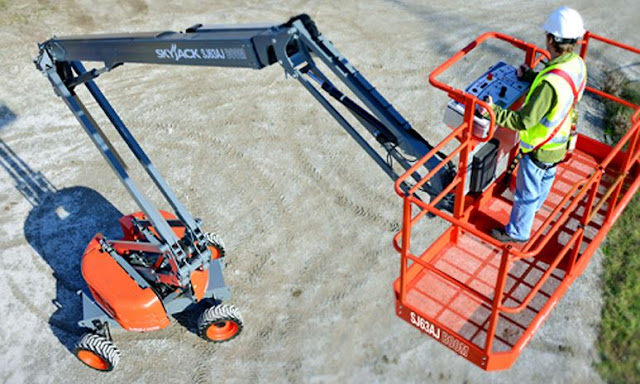
Have you reviewed OSHA wind restrictions while working on an aerial lift? 

If not, working on lift in windy weather can pose dangerous, life-threatening conditions for construction workers. Adverse climate conditions unfavorably impact aerial work platform lifting practices. 

Weather is one of the top priorities to consider during the arrangement, as well as the execution of an aerial lift. There are so many statistics of fatalities, injuries, and deaths caused by working in these windy conditions, and one of the main culprits of construction site accidents is the unpredictable event of flying dirt and debris during a high wind gust. 

OSHA considers winds exceeding 48.3 km/hr or 64.4 km/hr if the work involves material handling that can meet this criterion unless you take precautions to protect yourselves from the hazardous effects of wind. When winds are dominant, it is advisable to postpone the non-emergency work as it can cause a worker to lose control of the machine, thus be struck by hasty wind or can blow a worker from an elevated location. 

Here Is A Case: Even if the workers are wearing fall protection harness, if they are not provided with the means to secure the anchorage point in windy situations- the result is devastating! So, to prevent unnecessary tragedies and injuries, it is crucial that workers measure their own safety, as well as their co-workers around them. Here's everything you need to know while working with aerial lifts in windy weather: 

Do Not Operate The Lift Beyond The Aerial Lift Wind Restrictions 

Falls are one of the prime causes of injuries and death in the construction industry and are often caused by adverse weather. 

According to the Beaufort Scale of Wind Force, it is recommended not to use powered access platforms if the wind reaches a level 5 on the scale. Level 5 means fresh breeze, and between 18-24 miles per hour. At this level, small trees begin to sway, and wave crests start to form on water bodies. 

Read The Lift's Horizontal And Vertical Reach Limits 

Be sure to go through the manufacturer’s instructions for horizontal and vertical reach limits before you operate the lift. When the reach limit is exceeded, it can cause imbalance and instability to the machinery, especially in windy conditions. 

As a general rule, the higher the lift is elevated, the more careful workers need to be. Also, take into account the weight of the workers and added weight of tools onboard while calculating the overall load weight. Use stabilizers and outriggers to help stabilize the lift. 

Get Aerial Lift Training 

According to OSHA, to address fall protection, aerial lift wind restrictions, and other safety issues – employers need to ensure that the workers have aerial lift certification that shows your employees the importance of workplace safety. 

The operators will get training from the highly-trained aerial lift operators who know the ins and outs of what every employee needs to know. It covers all types of lifts, from telescopic boom lifts to cherry pickers to scissor lifts. You will learn how to perform machine inspections, also recognize and avoid accidents. 

Use Fall Protection Equipment 

Fall protection includes shock-absorbing lanyards and full-body harnesses. Fall protection systems are effective at protecting workers from falling to the ground. 

However, even if the lift has a proper functioning guardrail system and workers are equipped with a full-body harness, OSHA wind restrictions forbid work during winds of speed 30 miles/hour. 

In addition, ensuring the aerial lift is secure and stable is imperative, especially when there is a wind. The positioning includes the place where you position the lift, which involves overhead obstacles like structures, trees, and electrical lines. 

Keep a check on wind conditions while working on aerial lifts. Aerial lift wind restrictions will help you avoid safety hazards and injuries on the job!

Pros And Cons Of Fiber-Optic Internet for Small Business Owners

advantages and disadvantages of optical fiber small businesses internet connection speeds

Conflicted about the internet service you should get for your small business? Should it be cable, DSL, or optical fiber? You undoubtedly want something fast and reliable, so how about you get fiber-optic? Optical fiber communication is revolutionizing the telecommunications world.

Fiber optic doesn’t degrade with distance, thus delivers consistent data transfer speeds. Fiber optics communication represents an advanced form of digital communication compared to electrical transmissions.

That said, it’s not without its drawbacks. If you are thinking of the best internet to install for your small business, we’ll look at the advantages and disadvantages of optical fiber to help you make an informed decision.


Advantages of Optical Fiber

Fiber-optic connectivity can offer a great advantage to your small business. You most certainly need high speeds, maximum uptime, and data storage. Here you’ll learn some of the biggest advantages of optical fiber for internet connection.

High Speeds

Optical fiber is one of the fastest internet options you can choose for your small business. The fiber optics cables carry light to transmit data. This means that fiber optic speeds are only slightly slower than the speed of light, which is super impressive. This is so much faster than Cat5 or Cat6 copper cables.

Besides this, with fiber optics cables, you get minimal signal degradation. This is precisely what a growing business needs. Your business should never experience downtime because it’ll affect productivity. Your internet connection needs to be a tool that supports and instills a desire to work and be productive.

Suitable for High Bandwidth Needs

One of the most notable advantages of optical fiber internet is the capability to offer higher bandwidths. This supports faster data transmissions and supplements all your wireless communication technologies. Given the fact that optical fiber sends data as pulses of light, it offers a super high-frequency signal. This means they can carry a higher frequency range. A higher frequency range means a high bandwidth.

Offers Long Distance Communication and Transmission

Optical fiber is highly suitable for long-distance communication and transmission compared to other internet options. 

Fiber optic cables have minimal attenuation loss. This allows transmission over long distances without much need for signal repeaters. Optical fiber can go as far as 100 kilometers without the need for active or passive processing.

In comparison, copper wiring usually suffers losses, given that it runs on electrical properties. It requires signal repeaters after several kilometers. The longer the copper cables, the higher the resistance. Besides this, the higher the frequency, the lower the signal strength, which makes copper unsuitable for business.

Immune to Electromagnetic Interference

The biggest advantage of optical fiber has over electrical transmission is the fact that it is immune to electromagnetic interference, also known as EMI. EMI simply means things like radio jamming, lighting, solar flares, among others. This makes optical fiber ideal for businesses located in areas prone to high EMI, such as power or utility lines.

Cloud Access

The cloud is becoming more and more important for all types of businesses. You certainly need it for things like data storage and CRM tools. Optical fiber offers the bandwidth and speeds your business needs to access the cloud at any time. You’ll benefit from little to no delays, which means your customer services will not be disrupted.

Super Reliable

Optical fiber internet connectivity is significantly more reliable compared to copper or electrical connectivity. This is because fiber is stronger and not susceptible to weather conditions. Unreliable internet is one of the worst things a small business can experience. Downtime can slow things down, or bring the business to a stop.

Secure

Optical fiber is one of the most efficient ways to combat cybercrime. The only way to penetrate fiber-optic cable is by physically cutting them. An information security breach can cost your small business a lot in terms of financial penalties and customer deflection. Installation of optical fiber connectivity may not mitigate all your business risks, but it does offer security.

Cost-Effective

A fast internet connection means productivity for your business. Slow internet could mean thousands of dollars in losses, which means a reliable connection such as optical fiber will save your business these losses. Your business will not only gain flexibility but scalability as well.


Disadvantages of Fiber Optics

Despite having so many advantages, optical fiber has some drawbacks as well. It would be best if you considered all aspects before coming to a decision. Let’s look at the disadvantages of fiber optics.

Physical Damages

Fiber cables happen to be thinner compared to metallic wiring. This makes them much more delicate. Given their small size, they are easy to damage during rewiring or by accident during renovations. Given that optical fiber can transmit much more data, fewer cables are used for more people.

This means that if one cable is damaged, it could disrupt business for more companies and organizations, including yours. Beyond this, fiber happens to be quite sensitive to bending, so laying it around corners becomes a bit tricky. Fiber optic networks are also susceptible to chemical and radiation damages.

High Installation Costs

Despite being cost-effective, the initial installation costs can be quite high. Installation needs skilled experts from a reputable company and specialized test equipment to lay the network. The connection nexuses and endpoints require special equipment for setup. This means that repairs will also be costly because diagnosing issues will require similar skills and equipment.

Fiber Fuse

Fiber network is susceptible to something known as fiber fuse during high power. Fiber fuse is a term used to describe a situation where too much light meets an imperfection in the fiber cables. Such an occurrence could damage long lengths of fiber cables in a very short time. This is a significant disadvantage of fiber optic cable.


Knowing the Advantages and Disadvantages of Optical Fiber Means You’re Ready for Optical Fiber Connectivity for Your Business

Now that you are well aware of the advantages and disadvantages of optical fiber, you’re in a better position to decide whether it’s suitable for your business. In the long run, it’s clear that optical fiber will replace copper and electrical networks.

New Frugal Finance Blog Posts & Articles