Showing posts with label Warehouse. Show all posts

5 Warehouse Safety Tips You Need to Implement

business warehouse safety tips

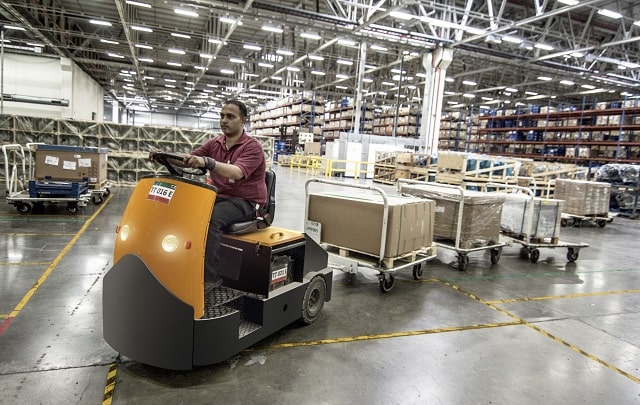
Warehouses are a dangerous place for the American worker. Every day, hundreds of workers are injured in a warehouse setting.

In just 23 Amazon fulfillment centers, there are nearly 10 serious injuries per 100 full-time workers per year.  At one warehouse, in particular, there were over 400 separate injuries in a single year.

Some of these injuries occur instantaneously, while others develop over time. A common example is the debilitating back injuries that plague warehouse workers.

Read on to learn how to improve your company’s warehouse safety. Explore 5 warehouse safety tips that are certain to protect your workers from injury.


1. Get Educated

You cannot improve workplace safety if you are not educated on federal and state regulations. Both managers and employees alike should seek out training opportunities for workplace safety.

In addition to legal requirements, you should also be cognizant of the safety procedures for equipment. All employees that operate new equipment should be well-versed in the manufacturer’s safety instructions. To make this the safest year possible, let your employees know that safety training is an organizational priority.

An educated workforce is also more likely to report safety deficiencies. For instance, they may notify that a loading dock door repair is necessary to prevent an injury.


2. Ergonomics

Far too many companies fall short on ergonomic standards. Ergonomics is the practice of making a job suitable for an employee’s physical needs and limitations. Not all employees are made equal from a physical perspective.

Perform an evaluation of each workspace and see what resources are required to improve ergonomics. Take an employee that frequently lifts heavy objects as an example.

Considering the strain on his or her back, it would not be wise to place more pressure on their back. Instead of a traditional desk, your company should invest in a standing desk to alleviate backpressure.


3. Automation

Automation and machine learning are replacing many tasks traditionally performed by humans. While there is a negative stigma around automation for employment reasons, it can improve warehouse safety.

Consider investing in automated resources to replace the most dangerous tasks in the warehouse. Automation reduces risk and can improve efficiency at the same time.


4. Prevent Falls

According to the U.S. government, falls are the leading cause of death in the private industry. Your company can reduce risk by implementing a fall safety program.

A fall safety program includes many different facets. It starts with using the right ladder and training employees on how to use them properly. Another important factor is closely following railing standards.


5. Visualizing Safety

Safety warnings should be easy to spot and read. One effective method for visualizing safety is using bright colors for warning labels.

Moving forward into the new year, make sure your company possesses the ability to make safety labels in-house. In some cases, customization is required which makes this capability even more important. With a label-making capability, you can change the labels to accommodate workers who speak a foreign language.


A Recap of 5 Warehouse Safety Tips

The last thing you want is a serious injury to take place on your watch in your warehouses. By training your warehousing employees and investing in the right equipment, you can improve warehouse safety.

If you enjoyed this article about warehouse safety tips, check out our Frugal Finance blog for more great content. We have a wide variety of business articles about warehouses, inventory management, workplace safety, manufacturing, automation, and storage.

4 Steps to Starting a Warehouse Business

starting warehouse business storage company startups

What's a must-have for businesses that sell, manufacture, import, or transport goods?

Warehousing, of course! Warehouse businesses are hot right now.

Without a warehouse, it will be hard for companies to track their inventory. And with poor inventory management, you can bet there will be order processing errors, as well as delays in shipments.

You know what that means, right? Late shipments = poor customer experience. This makes warehousing a necessary investment for a lot of businesses, especially in the age of supply chain disruptions. 

Now, this is where you come in. By starting a warehouse business, you'll be able to help many small businesses or independent contracts who are looking for alternatives to self-storage units or huge warehouse facilities that cost a lot. 

But where should you start on business warehousing startups? Read on for a 4-step guide that will teach you how to start a warehouse business for storage and inventory. 


1. Crunch the Numbers

While there are businesses you can set up for cheap or free, even small warehouses will require financing. That is because to open a warehouse business, you will need somewhere between $10,000 and $50,000.

This will include the space you will lease for your warehouse, software, and equipment such as shelving units and crates. You may also need to invest in a truck (or trucks) if you plan to offer distribution services, as well as special storage units such as freezers or refrigerators if you plan to cater to cold chain clients.


2. Do Your Homework

Aside from knowing your startup costs, you must also scope out the competition. In your area, you have to know what other warehouse companies are doing and which customers they serve. 

This will help you define your competitive advantage, or it can help you carve out a niche in the market. For example, you can look into businesses that have specific storage requirements such as food companies or art dealers. This is a great opportunity for you to offer a specialized service, especially if there are already a number of all-purpose warehouses in your city.


3. Hire Employees and Work with the Right Partners

You will need to hire employees to take care of certain tasks, but not just anyone who wants a job. It is important you hire workers who understand the business, more so if you plan to offer fulfillment services. 

You also have to think about protecting your investment. Consider partnering with businesses that can help your business grow. For instance, working with a company that offers warehouse rack inspection may help you save on repair and maintenance costs down the line. 


4. Find Clients for Your Warehouse Business

There are several ways you can generate leads for your warehouse business.

First, you can sign up to be a member of the International Warehouse Logistics Association. They can help you find clients in your area, and you will also get access to tools and services that can help your business grow.

You can also try online advertising so you will be more visible to businesses that are looking for warehousing services. Of course, you have to set up a website for this and be active on social media so you don't lose engagement with potential customers. 

Another way to build your client base is to attend trade shows and conferences. Traditional marketing tactics are also worth a try, but choose your channels well. TV or radio ads may be too expensive, but brochures, direct mail, etc. could be a cost-effective means of tapping new clients for your warehouse business startup.


Need More Business Advice?

Now that you know more about starting a warehouse business, don't stop there. Make sure to continue researching the industry so you are ready for any warehousing challenges that might come your way.

For more tips and advice beyond the warehouse business industry, don't forget to check out our other business articles. Visit the Business section of the Frugal Finance Blog right now!

Key Fulfillment And Distribution Warehouse Equipment

essential pieces warehouse equipment fulfillment center distribution warehousing storage

Warehouses store a multitude of things. In fact, almost everything we will one day own will pass through a warehouse in one way or another. Warehouse logistics are, therefore, an essential part of the supply chain. 

The efficiency and effectiveness of your fulfillment warehouse will depend on the material handling equipment that you use. But what resources do you need to run a successful fulfillment and distribution center? 

Let’s take a look at the essential pieces of warehouse equipment that you need for your operations. 

Racking and Storage 

Space is a valuable commodity when it comes to running an efficient warehouse. Industrial racking is a vital item in a fulfillment warehouse. Having high vertical racking will help you utilize more of the horizontal floor space in your storage areas. Pallet racking will allow you to store large quantities of stock. This is the most commonly used type of shelving found in warehouses. 

In addition to racking, you may also want to think about other forms of storage, such as bins and totes. These will be useful for any smaller, quick-pick items. 

Conveyor Systems 

Getting your stock from one part of the warehouse to another part can be laborious. One of the best ways of moving it without the need for human assistance is by using a conveyor system. 

By using rollers complete with a 608rs bearing, you can move individual items far quicker than if you were to carry them yourself. Conveyor systems help keep your warehouse moving. 

Forklift Trucks 

Forklift trucks help you move pallets from various heights. You can use them for putting down or collecting pallets from high-up racks. Forklift trucks can also be used for loading trucks from the side. 

In addition to moving pallets around using forklifts, you will also need hand pump trucks, pallet trucks, as well as daisies and castors. 

Health And Safety Equipment 

Some of the most important things on any warehouse equipment list should be health and safety supplies. 

In any warehouse, there is a huge potential for accidents. All employees and visitors to the warehouse must take care - and make use of any protective items provided. 

These warehousing equipment options might include: 

• Hard hats 
• High visibility vests 
• Gloves for handling items 
• A first aid kit 
• Ear protectors for operating any heavy machinery 

The warehouse should also be equipped with barrier rolls, bollards, handrails, and safety mirrors so that workers and vehicles can safely move around the space. 

Packing Equipment 

Depending on how your warehouse operations work, you may require packing equipment. This could include strapping and banding equipment, stretch wrap machines, and tables to pack boxes on. 

Automated Warehouse Equipment 

Modern fulfillment centers are increasingly becoming automated. Robotics are frequently used to pick and pack consignments with speed and accuracy in warehouses. This not only improves efficiency but also makes for a safer workplace with less human error. 

Fulfillment and Distribution Efficiency 

Having the right warehouse equipment can drastically improve the efficiency of your warehouse. It is essential that you always keep health and safety in mind, and ensure that all equipment is tested regularly. For more informative articles on warehouse equipment and storage needs, check out the rest of the site. We write about warehousing and inventory needs for businesses of all types!

5 Tips For Better Business Facility Maintenance

how to manage facility maintenance property management

Your business building needs to do more than be a place where your employees come to work. Your company facility also has to be comfortable, safe, efficient, and functional for workers.

Better facility maintenance can help you achieve all of that for your business.

What is facility maintenance? Facility maintenance is the integration of people, processes, and technology for optimized facilities. This ensures that your building contributes to the smooth and optimal operation of your business.

Below are the ways a company can stay on top of maintaining your facility at the highest level.


1. Have the Right Facilities Maintenance Management

Having an employee with the skills and ability to notice, address, fix, and prevent issues from occurring in your building can save you a lot of stress and money.

You need to ensure that employees and clients are safe when they enter your building. Knowing the best way to arrange cubicles and other equipment reduces the chances of slips and falls or other injuries. Also, it is beneficial to ensure that the facilities are clean and welcoming, and this requires organizing the facility's maintenance staff.

Keeping your building running optimally is a full-time job, which is why you need to hire a facilities manager to help with this endeavor. Hiring building managers will allow you to focus on the core competencies of your company.


2. Have a Facility Maintenance Budget

When it comes to ensuring that all of your business processes and systems are working the way they should, having a budget to take care of any issues that might arise is beneficial.

You might have to rely on your facilities manager to develop this budget, but having facts and figures can help you make informed decisions to prevent or correct any problems that might arise—without breaking your bottom line.


3. Identify the Necessary Maintenance Activities

Many different items need to be checked and handled when it comes to facilities maintenance, but to save your maintenance manager and crew time and effort, focus on the activities that are imperative to the success of your business.

Necessary maintenance tasks will be based on where they are located, how often they will need to be repaired, and the cost involved.

This might mean that you will need to do routine equipment checks on certain items more often than others. Or perhaps you need to focus your time and energy into making sure your building’s plumbing is functioning properly.

It may be prudent to spend part of your budget on a hot water jetter to keep water flowing freely through the pipes. This could reduce the chances of water damage occurring, which can have an impact on the health and wellbeing of people that visit your building.


4. Keep Track of How Labor Is Being Utilized

One of the tasks of facility management is to find ways to reduce costs and increase productivity.

To help with this endeavor, you need to have the right processes in place to track how labor is being utilized. There are many ways to do this, but using advanced technology might be the most beneficial.

With the right software and tracking program, this will ensure that your facilities manager has the data they need to make informed decisions to increase your company’s success.


5. Always Be Ready for an Emergency

Your facilities manager will always be looking for ways to improve the condition of your business. If they anticipate emergencies and are ready with a plan, when the worst occurs, they will be able to handle the situation.

This is one of the best ways to stay on top of facilities maintenance in your building and ensure you have the people and equipment to deal with any issue that might arise.


It Is Always Better to Be Proactive For Proper Facilities

When it comes to facility maintenance, it is in your best interest to be proactive rather than reactive. 

This ensures that you are keeping your building safe and functional for your employees or anyone else that might enter your property.

For more information on how to maintain your facilities or to help your business succeed, check out the other articles available on our site. Visit the Real Estate section of our Frugal Finance blog for more advice on facility maintenance and property management.

Warehouse Equipment List: 5 Things Every Warehouse Needs

business warehouse equipment list

How many times have you walked into a large warehouse space and asked yourself, "Now where in the world did I put that?".

If that sounds familiar, it's time to get organized with our essential warehouse equipment list. Whether you're first setting up an industrial warehouse, or you're looking to refresh an older one, these must-have warehouse tools and equipment will ensure streamlined processes and professional level organization. 

You'll find thousands if not millions of options for each of these, so keep in mind that everything will need to be specific to the goals of your warehouse. 

Keep reading for these five must-have items for your business warehouse. 


1. Storage Racks

Storage racks and shelves are probably one of the first items to come to mind when thinking about your warehouse equipment list. 

Racks are essential for storing large materials for easy access. Warehouse rack installation for industrial size shelves is a big process, but if it's done properly, they'll last you ages. 


2. Storage Bins

The next thing on your warehouse equipment list should be storage bins. Ideally, purchase several sizes in order to accommodate various materials. Not only are storage bins ideal for storage, but they're also useful for transportation and shipping.


3. Lift Equipment

If you're managing an industrial size warehouse, lift equipment is a must-have warehouse item.

There are several types of lifts to consider, from narrow aisle trucks to rough terrain or electric-powered vehicles. Consider the work you expect the lift to be doing. You might need several narrow aisle lifts but only one pallet lift.


4. Dock Equipment 

If you're sending or receiving large or heavy items (basically anything you can't pick up and lift yourself) a dock will make transportation to and from the warehouse much more manageable. 

Consider purchasing a movable dock ramp that will fit over a set of stairs and another that will make truck loading doable.

Again, the type of dock completely depends on how you are moving items in and out of your warehouse.


5. Conveyer

If you're frequently moving smaller items in and out of your facility, a conveyor can significantly speed up the process. Flexible conveyors are a great investment as you won't need a single run of straight space in which to put it.


Bonus: Packing Materials

Most of us have been in a situation where we run around looking for a box or a roll of tape. Stay on top of your packing materials to be prepared for any shipments.

Tape, boxes, scales, protectants for fragile items, and even a designated packing table and shelf will make processes more streamlined in your warehouse. 


Supply Your Warehouse Equipment List Today

Ready to put together a more efficient warehouse? Use our complete equipment list above and you'll be well on your way toward running an efficient warehouse. 

New Frugal Finance Blog Posts & Articles