Showing posts with label Safety. Show all posts

How To Workout Safely If You Are New To Fitness

new fit workout safely exercise guidelines frugal fitness blog

Ultimately, staying fit is good for you, your body needs fitness to stay in shape. However, even making these kinds of healthy choices come with safety concerns. It is possible to work out in a way that puts your health at risk, and it is essential to be mindful of that. 

The good news is that staying healthy while you workout is actually much easier than you would think, it is just a case of knowing how to keep yourself safe. For everything that you need to know, have a read of these tips!

Use Equipment Safely 

One thing during a workout out that can cause harm when not done properly is the use of equipment. Gym equipment usually is only dangerous when it is used in the wrong way, such as lifting weights incorrectly or trying to push yourself too hard on the treadmill. So you need to make sure that you know your limits and also understand the best techniques for the exercises you are trying. 

The other time equipment can be hazardous is if it is not set up correctly or is faulty, as this can lead to serious injury, so it is best to make sure you check your equipment and check that all weights and clips are in place correctly to prevent any equipment failure and potential injuries. You wouldn't try to install something you aren't qualified to like Hydro Solar equipment when you could have an expert at the company handle the installation. The same is true for fitness equipment like treadmills and ellipticals. 

Know Your Limits 

Another risk during working out is your own health, which is why making sure you know your limits on machines and how long you can work out for is crucial. If you have medication that you need to take when working out, such as an inhaler, always ensure it is on hand, in case you need to use it. 

An important thing to keep an eye on during exercise is your heart rate, because this is a key indicator of how your body is coping with your workout. If you are working too hard, your heart rate will tell you. Of course, when you are working out, your heart is going to beat faster and harder than usual, and that is normal, but it is about knowing when it becomes unusual. You can measure your heart rate via a fitness watch or via the machines you are using to workout on. 

A great hack for heart rate measuring is seeing what category it would fall into on an intensity chart, which can be found on most sites or work out apps on the phone. You can also use websites like Fitness Exact to learn more about this. Remember, if you feel that your heart rate is going up too quick or that it is high when doing low intensity then you should definitely discuss it with your doctor to make sure there are no underlying issues and modify your workout accordingly. 

Be Smart About What You Wear 

When it comes to working out, you need to make sure you are dressed for the task at hand. This may sound odd, and you might not think it would directly impact safety, but what you wear actually can, such as wearing the wrong footwear or not tying your hair back if it is long. Footwear can have an impact because if you have the wrong footwear on you won't necessarily get the correct support for your feet which can lead to an injury. The key is knowing what is and what isn’t appropriate to dress in at the gym - or for any workout - so that you can ensure that you are exercising in the safest way possible. 

Also make sure you are dressed appropriately for the weather and other conditions. If you are working out in the sand and surf, you will need to dress lighter than you would in Alaska. Keep that in mind if you decide to stage your home with Rental City and sell it to move to a hot or cold location. 

Conclusion

There you have it, everything that you need to know about working out safely in a variety of environments. Work hard and stay safe frugal fitness friends!


I hope you enjoyed this blog post about how to workout safely and effectively on a restricted budget.

Interested in more articles about how to work out safely? 

Read Related Resources:

Frugal Fitness Exercise Safety Guidelines

How To Safely Add Cycling To Your Workout Regimen

Free Frugal Fitness Finds Below

5 Warehouse Safety Tips You Need to Implement

business warehouse safety tips

Warehouses are a dangerous place for the American worker. Every day, hundreds of workers are injured in a warehouse setting.

In just 23 Amazon fulfillment centers, there are nearly 10 serious injuries per 100 full-time workers per year.  At one warehouse, in particular, there were over 400 separate injuries in a single year.

Some of these injuries occur instantaneously, while others develop over time. A common example is the debilitating back injuries that plague warehouse workers.

Read on to learn how to improve your company’s warehouse safety. Explore 5 warehouse safety tips that are certain to protect your workers from injury.


1. Get Educated

You cannot improve workplace safety if you are not educated on federal and state regulations. Both managers and employees alike should seek out training opportunities for workplace safety.

In addition to legal requirements, you should also be cognizant of the safety procedures for equipment. All employees that operate new equipment should be well-versed in the manufacturer’s safety instructions. To make this the safest year possible, let your employees know that safety training is an organizational priority.

An educated workforce is also more likely to report safety deficiencies. For instance, they may notify that a loading dock door repair is necessary to prevent an injury.


2. Ergonomics

Far too many companies fall short on ergonomic standards. Ergonomics is the practice of making a job suitable for an employee’s physical needs and limitations. Not all employees are made equal from a physical perspective.

Perform an evaluation of each workspace and see what resources are required to improve ergonomics. Take an employee that frequently lifts heavy objects as an example.

Considering the strain on his or her back, it would not be wise to place more pressure on their back. Instead of a traditional desk, your company should invest in a standing desk to alleviate backpressure.


3. Automation

Automation and machine learning are replacing many tasks traditionally performed by humans. While there is a negative stigma around automation for employment reasons, it can improve warehouse safety.

Consider investing in automated resources to replace the most dangerous tasks in the warehouse. Automation reduces risk and can improve efficiency at the same time.


4. Prevent Falls

According to the U.S. government, falls are the leading cause of death in the private industry. Your company can reduce risk by implementing a fall safety program.

A fall safety program includes many different facets. It starts with using the right ladder and training employees on how to use them properly. Another important factor is closely following railing standards.


5. Visualizing Safety

Safety warnings should be easy to spot and read. One effective method for visualizing safety is using bright colors for warning labels.

Moving forward into the new year, make sure your company possesses the ability to make safety labels in-house. In some cases, customization is required which makes this capability even more important. With a label-making capability, you can change the labels to accommodate workers who speak a foreign language.


A Recap of 5 Warehouse Safety Tips

The last thing you want is a serious injury to take place on your watch in your warehouses. By training your warehousing employees and investing in the right equipment, you can improve warehouse safety.

If you enjoyed this article about warehouse safety tips, check out our Frugal Finance blog for more great content. We have a wide variety of business articles about warehouses, inventory management, workplace safety, manufacturing, automation, and storage.

4 Common Risks Long-Distance Truck Drivers Face

common health risks long-distance drivers dangers truckers

Looking to launch a new career in transportation? Enjoy the open road and escaping the office drudgery? You might want to consider becoming a truck driver.

There simply aren't enough long-distance drivers available right now. As a result, many trucking companies are willing to pay drivers top dollar to come and work for them. Some truckers are even starting off with salaries of $80,000 or more.

This might make life as a trucker sound enticing. But there are some risks that you will have to put up with when you are working as a long-distance truck driver.

Check out four common risks that long-distance drivers face as far as their health is concerned.


1. Obesity

America as a whole has an obesity problem. Studies have shown that more than 160 million people in this country are either obese or overweight.

But obesity is even more problematic for long-distance drivers than it is for the rest of the population. 

According to the Centers for Disease Control and Prevention, about 70% of all truckers are obese.

It is important for truckers to find ways to exercise and stay fit, even when they are out on the road. 

They also need to maintain a well-balanced diet to keep themselves healthy.


2. High Blood Pressure

Heart disease is the leading cause of death in the U.S. It kills more than 600,000 people every year.

And oftentimes, heart disease is caused by high blood pressure. Those who have elevated blood pressure levels are more susceptible to both heart disease and stroke.

The CDC says that a little more than 25% of truckers report having high blood pressure. That is right above the average for other U.S. workers.


3. Diabetes

According to the CDC, about 9% of Americans have diabetes. That number jumps all the way up to about 15% for truck drivers.

Diabetes is a disease that causes a person's blood sugar levels to spike. It's often caused by the high blood pressure that we just mentioned or a number of other factors.

Diabetes can cause big problems for truck drivers when they're out on the road. They don't always have time to check their blood sugar levels, which can lead to their blood sugar levels climbing higher than they should.

Young truckers should do what they can to avoid diabetes in the first place. It'll allow them to do their jobs much better later on in life.


4. Accident-Related Injuries

Any time a truck driver is hauling a load, there is always a chance that they could be involved in a truck accident. In some instances, an accident could lead to their death, as there are about 4,000 people killed in truck accidents every year.

But at the very least, most truck accidents result in injuries, both for truckers and for those driving passenger vehicles. Truck drivers should take all the proper precautions to avoid accidents, and they should also contact an attorney if they are ever involved in one.


Long-Distance Drivers Need to Be Careful Behind the Wheel

Driving a truck for a living might seem simple enough. But as you have seen, long-distance drivers routinely deal with a long list of health risks.

Do what you can to prevent these health risks from affecting you. It will allow you to get more out of driving a truck and keep you and others safe.

Read our blog to see some exercises truckers can do to improve their health. Click on the Frugal Fitness and Healthcare sections of the site!

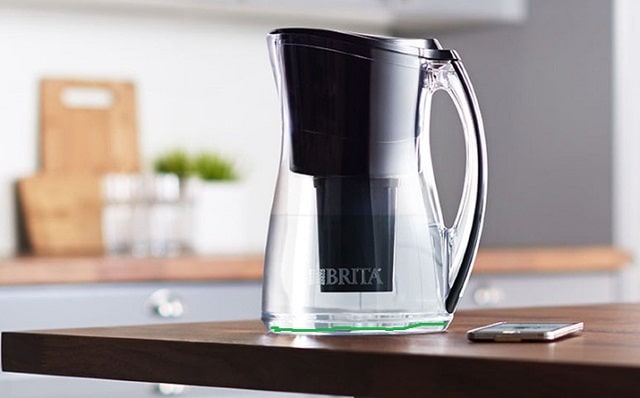
Prevent Green Algae Bacteria In Brita Filter Water Pitchers

brita filter green pitcher algae growth contamination black particles


brita filter green algae slime sediment PUR filtered water pitchers contaminated

Purchasing a Brita or PUR filtered pitcher, if bought on sale or filters in bulk, can be a frugal way to improve your health and save money on bottled water. Bottled water can be quite expensive, leads to major pollution if not recycled, and most can become contaminated with BPA. That is as long as the Brita green pitchers and filters stay clean as well and avoid bacterial buildup at home or in the workplace for 2024 and 2025! 

BOOST YOUR HEALTH AND WEALTH WITH THIS COMPANY

Dirty Water Needs Filtration

As we learned from Flint Michigan, you can't always trust your town, city, state, or country to provide you with clean water. All public water has some amount of dissolved solids, impurities, and chemicals added and some tap water tastes or smells like chlorine. It could be contaminated with bacteria or viruses and even tainted by antibiotics. 

The quality of our public tap water also seems to have worsened while everyone is distracted and allocating resources to the Covid-19 pandemic. Throughout Coronavirus, your local tap water seems more chlorinated and metallic than ever before. A lot of town and city water suppliers haven't changed their chemical treatments since this health crisis occurred, even in 2025. 


The future of our public water supply will end up being recycled waste water (sewage) and obviously no amount of industrial filtration will clean it 100% before it goes from faucet to mouth, especially with limited budgets. Over the years there has become an increased contamination of water with prescription medications, nano-plastics, fertilizers, heavy metals, and a number of other unpleasant things. If that isn't grim enough, our drinking water situation is even more dire with public water supplies able to be hacked or contaminated by various nefarious groups. 

When it comes down to it, you never really know what someone has done or hasn't done to your water before you drink it. 

Not All Water Filters Work Well, Or At All 

Lately there have been more studies coming out about water filters not purifying water, or misleading customers to believe it is more effective than not. There are even class action law suits against Brita for not removing enough toxins and chemicals in our drinking agua. Insanely expensive premium water filters have no popped up such as AkuaPure, Enagic Kangen, Klir, or MSE that are thousands of dollars or more in cost!

So with all that being said, a couple of years ago I decided to start using a Brita filtered pitcher again after reading countless reports on contaminated town water nationwide or worldwide. I had previously used Brita or PUR filtered pitchers or faucet filters for a few months at a time before giving up on them. 

I know Brita and PUR water filters don't solve all the issues with drinking water, but I figured it would be better than nothing and worth the minimal investment. Especially after reading about all of the contaminated public water in this country and worldwide (it is not just Flint Michigan dealing with this!).

Why Is My Brita Pitcher Green And Gross?

But one day I woke up and saw a greenish yellow tint on the bottom of the Brita water pitcher. At first I thought it was just a green reflection of the dirty bottom of the Brita pitcher from being on our counter or fridge countless times. 

But unfortunately that green slime was bacteria, green algae, and sediment buildup. Needless to say I was a little disturbed and shocked at the green slime and overall contamination. I did a little research and it turns out that this green algae buildup has been a common occurrence for many people over the last decade or more. So to help you avoid this strange and unhealthy situation, I have compiled a simple yet comprehensive list to help keep you healthy prevent this from happening to you and your Brita water filters:

Get rid of the green slime and stuff floating around! Here are my 10 top suggestions to keep your Brita or PUR pitchers clean (instead of green) and healthy without algae or bacteria buildup:

10 Steps To Avoid Green Algae And Bacteria Contamination In Brita Filter Pitcher or PUR Pitchers


1) Wash Your Hands And The Brita Water Filter Before Use

Wash each Brita filter under cold water for 1 minute after opening and before adding it to the pitcher. The instructions say 15 seconds but I would recommend going a little longer just to be on the safe side. And wash your hands prior to washing the filter so you don't get bacteria all over it prior to placing it in your pitcher! 

2) Keep A Tight Seal On Top Of Brita Pitcher 

Make sure the top of the Brita water pitcher, including the cover of the spout, is closed and forms a tight seal with the rest of the pitcher. You don't want dust, food particles, or worse to get into your water because of a loose top. This happens a lot more often than you expect, especially if you have kids and pets!

3) Wash Out Brita Pitcher Often And Rinse Well

Wash Brita or PUR pitcher out at least every 30 days. You can use some dish soap or just throw it in the dishwasher for even better results. Try to use organic, natural, or additive free soaps to help minimize contamination with chemicals. Rinse out thoroughly to avoid residue or any other contaminants. Sometimes it takes weeks or months for any bacteria to accumulate to significant levels so washing it out consistently will keep it under control. If you have well water instead of town water then you should probably wash it out even more often. 

4) Keep The Brita Pitcher Refrigerated

Keep the Brita or PUR filtered water pitcher in the refrigerator when you're not using it. I have gotten lazy many times and kept the pitcher next to our sink instead of putting it back in the fridge, but keeping it cool helps to reduce or prevent bacterial or algae buildup in the water.  

5) Don't Drink Directly From The Brita Pitcher! 

Don't drink directly from the Brita or PUR pitcher! This seems like common sense, and difficult to do with most of the pitchers, but there are still plenty of people that drink from the milk carton or reuse plastic water bottles for weeks on end. This is never a good idea.

6) Change Your Brita Water Filter Often

Change your Brita or PUR filter as often or more often than the recommended amount. When filters get clogged with sediment and other particles then they can become breeding grounds for bacteria and algae, which will reduce the filtering abilities even further. When your filter sensor light gets to yellow it is time to swap in a new one. This will unfortunately end up costing you a few extra dollars but it is worth it and if you buy the filters in bulk you will be fine. 

7) Dump The First 1-2 Fillups For Each Brita Filter Used

This one is important and not always followed. In addition to watching out for green algae and bacteria in your Brita filtered water after a lot of filter use, be on the lookout for black charcoal particles in the first couple of pitcher fill-ups. While Brita claims these black charcoal particles are harmless, it is obviously unhealthy to drink black charcoal. You would have to be an idiot to believe that drinking any amount of charcoal is fine, even though charcoal itself isn't a toxin. Apparently they want you to pour out the first two fill-ups that your Brita filter creates to avoid this charcoal dust contamination. That is all well and good, but it uses up part of the filter and wastes some water right off the bat if you follow these instructions.

8) Consider Switching To Zero Water Filters And Pitchers 

Consider switching to a Zero Water filtered pitcher instead of a Brita Filter. While it might be a little more expensive than a Brita or PUR pitcher, with its 5-step filter it does a better job of filtering out dissolved solids and there is a lower chance of green algae, mold, black charcoal particles, sediment, stains, or other bacterial buildup in your pitcher or the filters themselves. 

After months of using Zero Water over Brita filtered pitchers, I haven't noticed any green slime, bacteria buildup, or other stuff floating around in my water (even when I haven't been religious about cleaning it or keeping it in the refrigerator). But any water filter or filtered pitcher can produce bacteria growth or have charcoal floating around, so buyer beware! 

9) Buy A New Filtered Water Pitcher 

Sometimes a plastic container is just too far gone to resuscitate, whether it is a Brita water filter pitcher or another brand. Over time plastic starts to corrode or chemicals get embedded into the plastic and you just can't clean it 100%. To avoid green algae, charcoal dots, bacteria, viruses, and nano chemical contamination sometimes it is best to just buy a new one and start over again. It is a little wasteful but they are very cheap, $10-20 per pitcher, so it is a viable option after many months or years of use. 

10) Purchase A New Kitchen Faucet 

When it comes to drinking cleaner water, sometimes it starts at the source. It is only logical that purchasing a new faucet will give you cleaner and healthier water. Over time your old faucet will accumulate minerals, rust, bacteria, heavy metals, and other chemicals that will contaminate your drinking water before you poor it into your filtered pitcher. Just make sure to run water through your new water faucet for a few minutes to clear out any chemicals or residue from the manufacturing or packaging process.

By this logic you would also ideally want to replace your old pipes and plumbing in general, but that is a lot less feasible. It is more realistic to spend $100-200 on a new kitchen faucet than thousands of dollars on pipes throughout your home, and some pipes that you can't even replace that attach to your town or city water supply. If your home has very old and decrepit pipes, you may want to consider replacements eventually though. 

This is probably the most extreme option to improve the quality of your drinking water with or without a water filter containing a pitcher, but it can certainly help reduce bacteria and sediment buildup overall in 2024-2025.

Bacteria Growth In Water Filters vs Tap Water Impurities: The Choice Is Yours

Choosing between tap impurities and filter bacterial growth is not a great choice to make for your water consumption. But you have to decide on potential bacteria growth in your water filters or pitchers (even if you follow all of these tips) along with the cost of filters versus the toxins that could be contained in your tap water and pipes. It depends on your budget, quality of local tap or well water, how old your pipes are, how often you can change your filters, and how diligent the users will be with the filtered pitchers. 

Keep It Clean And Avoid Filtered Water Contamination

Follow these simple instructions and it will keep your Brita and PUR pitchers clean and enhancing your health instead of becoming detrimental to it! Stay green with your recycling and waste reduction practices but don't drink the green. You must boost your water's wellness and family's wellbeing. Keep that contamination out of your drinking water and avoid the green algae slime during your daily hydration.


I hope you enjoyed this article about how to keep your water filtering pitchers safe, clean and effective on a budget. 

Interested in more articles about healthier water and hydration? 

Read My Blog Posts:

- How To Stay Hydrated On A Budget

- Tips To Stay Hydrated & Fueled For Workout Performance

More Frugal Fitness Facts Below

Advantages Of Installing Security Alarms

advantages installing security alarms

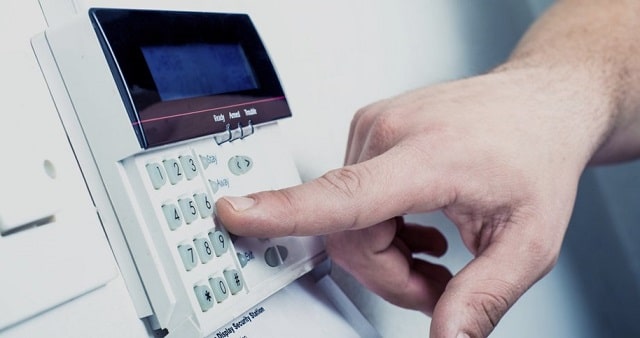
With the ever-increasing crime rate, security alarms have become a must-have for every home. They provide homes with much-needed security and make the homeowners feel safe and secure. These alarms help in scaring away any burglars or home invaders, even when the homeowners are not present. The alarms provide several advantages to the homeowners, without which the safety of homes cannot be guaranteed. But the benefits of burglar alarms are not only limited to security-related reasons, as these alarms can also help increase the property value of the houses in which they are installed. 

The residents of Stoke-on-Trent that are looking to get burglar alarm installation services can contact the security expert company Mike Harris Alarm & CCTV Installer. The security expert company provides high-quality security alarm services to the residents of Stoke. They have a wide range of security systems available so that the customers can get the security of their liking. The company only uses the latest technology, meaning that the customers would only get the best tools and services when they contact the security expert company. The secure suite company provides all the services related to burglar alarms, such as maintenance of alarms, repairing alarms, and installation of alarms. 

Benefits Of Hiring Mike Harris Alarm & CCTV Installer 

The security expert company has a range of new and updated security systems so that the homeowners of Stoke can enjoy the best products of the whole market. These systems include wireless burglar alarms and hybrid burglar alarms. All these systems are offered at very affordable rates so that everyone can get the best security that also fits their budgets. The company also offers great burglar alarm maintenance packages at great prices so that the homeowners can always live risk-free. 

The citizens of Manchester that are looking to take advantage of burglar alarms can get burglar alarm installation services from Taylor Alarm and CCTV. The alarm installation company provides the citizens of Manchester with the security alarms that are necessary for their safety. The company offers cutting-edge burglar alarms to its customers and equips their homes with various other safety measures and procedures to ensure their safety. The company understands that with the advancement of technology, the burglars have also become advanced and sharp, that is why they have developed sophisticated security systems so that their customer's safety can never be compromised. 

Benefits Of Hiring Taylor Alarm And CCTV 

The company has been operational in the city of Manchester for many years now. By being constantly active in the past years, the company has accumulated great experience and understanding of the city and, due to it, can provide the best possible security services to its citizens. The alarm installing company has a record of only hiring the best engineers of the market, so when people hire alarm installing services from the company, they can be assured that they would get the most exceptional security services. 

If the residents of Stoke-on-Trent and Manchester are looking to get burglar alarms installed in their homes, then they should only head towards the companies Mike Harris Alarm & CCTV Installer and Taylor Alarm and CCTV. These are well-reputed security companies that have gained the trust of their customers by providing them with reliable and trustworthy security services. The above-mentioned companies give priority to their customer's safety and security, that is why if the best security services are desired by the homeowners, then only these companies should be contacted.

The Significance Of Compliance Training

significance company compliance training compliant employees

There is a good reason why rules and laws exist. They may not be our favorite things on the planet, but you will surely agree that the Wild West wasn't really a paradise on Earth. Luckily, those days of mayhem are over, and the safety of the people is a product of a set of regulations that discourage any problematic behavior. 

On a similar note, every business organization has to adhere to rules and regulations. It involves safety standards, health standards, government laws, and other requirements. Non-compliance can be disastrous for your company's reputation and result in legal consequences, and run-ins with the law are hardly enjoyable experiences. The answer lies in a solid training program so that every employee will have a clear idea of what compliance actually is. Check this website for more employee training insights and compliance information. 

Training For What? 

There's more than one type of compliance training for obvious reasons: workplaces are complex areas that involve many factors. A single course is not enough to cover all subjects, so it's necessary to provide a thorough, interactive program that will be informative as well as enjoyable for your employees. First, let's check out some of the most common types of training. 

One cannot stress the importance of workplace safety enough. Each company has safety hazards to a greater or lesser degree, and informing your staff how to recognize them and react appropriately is a top priority. A construction site is an excellent example of a workplace with many risks, and safety training is more than just a simple necessity. 

Sometimes, the work suffers because of substance abuse. Only one addict among your employees, be it alcohol, opiates, prescription drugs, or something else, is enough to disrupt the entire working process. People under the influence cannot perform to the best of their abilities, so it helps to include substance abuse training as part of the program. 

Yet another potentially problematic issue is workplace violence. People who abuse their positions to threaten their subordinates either verbally or physically present a real threat to the entire organization. Training your personnel on the dangers of violence is also a great way to encourage employees to speak up if they've been mistreated in one way or another. 

For our final example, we will briefly mention cyber security. Having a safe computer network is invaluable in today's IT-driven business world, and companies always have to be on the lookout for cyber-criminals. Knowing about common hazards like social engineering scams, malware, data stealing, etc., will help you protect your company from unexpected disasters. 

employee compliance training

A Series Of Benefits 

The examples we just mentioned are just a part of the specter of compliance courses out there. You can also deal with health, anti-discrimination and diversity, sexual harassment, occupational safety, and so on. In fact, the more areas you include in your program, the safer your company will be. Also, your staff will certainly appreciate your efforts to improve their workplace. 

As we have seen so far, compliance should be considered a high-level responsibility. There are far too many examples of companies that disregard the rules, run by irresponsible managers or careless employees. Sometimes it takes severe penalties or even a complete shutdown before they realize the consequences of their actions. 

It's nearly impossible to have a safe, risk-free, and productive workplace without following the rules. To illustrate this better, let's imagine an office with three males and one female. One of the men harasses the woman, and the other two either support him or keep quiet about the whole situation. You can easily see how devastating the results can be for the female. This scenario is very probable if you fail to provide harassment training that will discourage any potential offenders. 

Your company's productivity can suffer because of absent employees. They might not show up because of injuries, psychological issues, or some other problem. Compliance training reduces the risk of such hazards: if your employees are made aware of dangers in the workplace, they will know how to keep away from them. 

Dangers Of Non-Compliance 

More than just a good idea, compliance is typically required by law. A bank that allows a security breach and fails to protect its clients' data will face severe legal repercussions, lawsuits and will lose a lot of money in the process. (Professional experts such compliance training partners can clarify this even further.) Instead, it could have invested a much lower amount for security training and avoid the whole disaster. 

Hospitals, for example, are subject to regular tracking and testing to ensure that the staff certifications are valid. These employees need to be even more compliant than others, otherwise, the healthcare facility will have to pay fines or even get suspended. 

These two examples illustrate perfectly why compliance training is such a necessity in today's world. The regulations are strict, the competition is high, and the only chance to survive is if you do your job as efficiently and responsibly as possible. Keeping employees compliant is essential to the overall safety, security, and success of your entire business.

Why PPE Is Still Key For Workplace Safety

personal protective equipment ppe health safety workplace goggles facemask

In hazardous and challenging working conditions, wearing Personal Protective Equipment (PPE) is of the utmost importance. For those who don’t yet know what PPE is, essentially it is just equipment that protects the wearer from health and safety risks – whether that is high visibility garments improving visibility, heavy-duty boots protecting from blunt force or visors shielding from gases and vapors. 

Even after carrying out the appropriate health and safety checks and isolating employees from hazards in the workplace, risks still present themselves and therefore this is why PPE is required to make the working environment as safe as possible. PPE plays a key part in the safety and success of any business, making it paramount that both employers and employees alike understand the importance of it. 

Today we will be taking a look at understanding which PPE should be worn when carrying out industry related tasks, the training that needs to be administered to employees before they wear protective workwear and the different types of PPE – from safety gloves to overalls – which can be used. 

Understanding The Personal Protective Equipment You Should Use 

The first step in making the workplace as safe as possible through PPE is to understand the equipment that is most suited to your role within the business and the industry tasks you carry out. For example, the personal protective equipment worn by a construction worker will massively differ from that of a tree surgeon. It is therefore important that suitable safety equipment is carefully chosen so that employees are protected from whatever they may face throughout the working day. 

If you don’t know what PPE you should be wearing at work, then ask yourself three simple questions. 

• What am I exposed to? 
• How long am I exposed to this danger? 
• What part of my body is exposed to this danger? 

Once you have asked and answered these questions you should start to gain a better understanding as to what risks you face and as a result, what personal protective equipment you should be wearing to protect yourself, instead of having your risks get bigger

You should always make sure that the PPE you are wearing doesn’t limit your ability to carry out tasks, distract you or restrict you from taking advantage of another piece of safety equipment. 

Personal Protective Equipment Training 

Both employers and employees should be properly and professionally trained on how and when to make use of PPE, as well as how to store such equipment so that it is kept in good condition. As an employer you have a number of responsibilities when it comes to PPE in the workplace – some of these include: 

• Providing facilities for PPE to be stored in 
• Regularly checking equipment for wear and tear 
• Sourcing your CE marked PPE from a reputable supplier 
• Providing different sizes of PPE to suit all employees 
• Providing PPE free of charge to all employees 

The Different Types Of Personal Protective Equipment 

Personal protective equipment needs to be able to protect the wearer from all different hazards – ranging from chemical burns to blunt force trauma - and therefore many forms of protective equipment must be utilised within working environments. Some types of PPE include: 

• Head protection – such as safety helmets and bump caps 
 Eye and face protection – such as goggles, visors, face shields and safety spectacles 
 Ear protection – such as earmuffs and earplugs 
 Hand protection – such as waterproof and safety gloves 
 Foot protection – such as safety boots and shoes featuring toe and midsole protection 
 Body protection – such as overalls, chemical suits and boiler suits 

Industrial Applications

Let's say that you work in an industrial or construction work setting. You still need to wear the right personal protective equipment to be on the safe side. It is imperative for the healthy of you, your employees, your customers, your vendors, and your business. 

Personal Protection Conclusion

It is vital that all the appropriate measures are taken to make the workplace as safe as possible, and that includes introducing the correct PPE for all employees to take advantage of. 


I hope you enjoyed this blog post about personal protective equipment for health and safety in the workplace.

Interested in more articles about maximizing health and safety? 

Read Related Resources:

How To Workout Safely

Exercise Safety Guidelines For Beginners

Free Frugal Fitness Finds Below

10 Tips To Avoid Accidents At Work

tips avoid accidents at work injuries workplace incident

Even though more and more policies or campaigns are implemented to promote safety at work, the receptivity of the population concerning work accidents is still low, which affects thousands of workers every year all around the world. 

Seeking that societies become more aware of this problem that ends the lives of many workers, several entities encourage you to consider the following recommendations to avoid accidents at work. 

1. Do Not Manipulate Electrical Installations

To avoid workplace accidents, it is recommended that the company check electrical installations frequently. Likewise, if any of these are damaged, it is advisable not to manipulate or use them until an electrical specialist repairs them. 

2. Prevent Problems That Arise From Bad Posture

Spinal or musculoskeletal problems are the result of poor posture that many times you have in the office. To counteract these risks, it is crucial to have a chair with an adjustable backrest, which is at a height where the feet reach the floor and to have the screen below eye level. 

3. Maintain A Clean And Orderly Work Environment

As unimportant as it may seem, maintaining cleanliness as well as an order within the office is essential to preserve health from possible accidents or the risks of contamination. Discard all waste, waste, or anything that may pose a danger. 

According to specialists, slips, trips, and falls are the leading cause of workplace accidents in all industries. 

4. Do Not Carry More Weight Than Adequate

If you are forced to carry weight daily, it is essential not to overdo it to avoid possible lumbar problems. The proper way to load weight is to keep your feet apart, bend your knees, bring the weight as close to your body as possible, lift the object using your legs rather than your back. 

5. Control Or Minimize Noise Sources To Which You Are Exposed

Other of the most common occupational diseases are those that result from constant noise exposure. If you want to avoid hearing loss, stress, or adverse physiological effects, it is important to find strategies to minimize noise sources. Besides, it is crucial to have adequate natural ventilation. 

6. Report Unsafe Conditions To Your Supervisor

Your supervisor is legally required to ensure that your employees have a safe work environment and will address unsafe conditions and make them safe for you and your co-workers. If you are injured due to non-provision of safe workplace conditions, a personal injury lawyer will help you receive maximum compensation from your employer. 

7. Be Clear About Existing Occupational Risk Policies

As a last piece of advice, the specialists emphasize the importance of knowing the occupational risk policies, which involves, among many aspects, knowing the location of the fire extinguishers, the emergency exits, being clear about the equipment to be used in each task, as well as know the procedures to follow in case of accidents. 

8. Take Care Of Your Surroundings

Know the dangers of your job or workplace. Once you have learned these hazards, you will be able to steer clear of potentially hazardous areas and situations. 

9. Use Tools And Machines Correctly

Take precautions while using tools and never try to take shortcuts. This can be a leading cause of injury in the workplace. It is a great safety risk to use scaffolding as a ladder or tool instead of another for a specific job. Correctly using tools greatly reduces the chance of workplace injuries. 

10. Use Mechanical Aids Whenever Possible

Instead of trying to carry or lift something really heavy in an attempt to save a bit of time during your workday, take the extra minute to use a wheelbarrow, conveyor belt, crank, or wheelbarrow elevator. 

Working On Workplace Wellbeing 

Accidents happen in every workplace and each job carries with it at least a small amount of risk. Keep these top tips in mind to minimize the chances of injuries and incidents at work.

4 Things To Communicate Clearly To Customers

how to communicate to customers facial coverings customer mask

Providing Professional Translation Of Multilingual Information Can Help Us To Protect And Support One Another In A Considerate And Compassionate Manner 

Most countries have introduced the use of face coverings in some settings as a measure to try and reduce the transmission of the coronavirus. The rules vary country to country and are constantly under review and subject to change. It is best practice to make sure that your customers or service users are aware of the expectations for the use of face coverings. To do this you should ensure adequate signage is on display in your setting and that information on your website is clear and up- to-date. Multilingual messages on signs and websites should help ensure that everyone understands the requirements clearly. Linguation.com is an online translation agency and can support you with the translation of any expectations accurately in a wide number of language combinations. Read more about four useful things for you to communicate about face coverings. 

1. What Face Coverings Are 

Information and guidance may vary country to country but on the whole face coverings are not intended to be PPE (personal protective equipment) like those used in medical settings. Face coverings are generally intended to protect others rather than the wearer. People are requested to wear a face covering which covers the nose and mouth. These face coverings usually can be single- use coverings or can be reusable; scarves, bandannas, religious garments or other cloth coverings are usually permitted as face coverings in most countries. 

2. Where Face Coverings Are Required 

The rules are constantly changing and do vary country to country. However, in many countries the expectation is that face coverings are worn on public transport, in shops, shopping malls, museums, libraries, places of worship and public areas within hotels. This is by no means an exclusive list and current information should be available from relevant government sources. Settings should update their signage and websites appropriately and in a timely fashion to avoid customer confusion and frustration; expectations are changing constantly. Linguation.com can support with urgent translation requirements and will offer fast translation within hours wherever possible. There is no minimum word count and Linguation.com will provide translation of your short texts, such as website announcements and posters. 

3. When Face Coverings May Need To Be Removed 

There are instances when face coverings can be removed and if this is relevant to your setting, this should be communicated clearly. For example, it may be necessary to remove a face covering for purposes of identification, say in a bank or when buying age-restricted items, or when receiving medical treatment or taking medication. Again, Linguation.com can provide multilingual customer information to ensure that this is clear. 

4. Those Exempt From Wearing Face Coverings 

This final piece of information is actually very important but sometimes overlooked. Some people are exempt from wearing face coverings. This information needs to be clear to everyone so that these people are not made to feel uncomfortable or chastised for not wearing a face covering by others. In many countries, people may be exempt for age, health or disability related reasons and these reasons may not be visible to others. Other customers and service users need to be aware and mindful of this. Some people may have deeply private and personal reasons for not wearing a face covering and people should respect this and not demand an explanation, which may cause more distress. It is a good idea to provide multilingual reminders to your customers and service users to be understanding and respectful of those not wearing a face covering regardless of whether they are fully aware of the reasons or not. 

Linguation.com can support you whatever your setting with your multilingual website translation or multilingual signage. If you are a support group, Linguation.com can provide translation of your campaigns to inform the general public and remind others to be considerate, respectful and compassionate of others if they are not able to wear a face covering.

How To Keep Your Ebike Safe And Secure

how to keep your ebike safe electric bike security

Ebikes are growing in popularity, especially as concerns over the environment gain traction. People in cities and rural communities realize the cost-saving and environmental benefits of riding electric bikes for men and women over other more pollutant modes of transportation. 

However, with the increase in demand comes the growing concern over men and womens electric bike security. After all, ebikes are not cheap. If you are interested in securing your new mode of transportation, then consider the following seven security measures. 

1. Purchasing A Bike Lock 

The most obvious thing to improve theft protection for your electric bike is to buy a bike lock. There are several cycle lock models on the market, but keep in mind that a lock is only as good as its application. If you do not apply a lock correctly, then it does little to prevent bicycle theft. 

2. Positioning The Lock 

For the most significant protection when using a bike lock, you want to place it around the main frame and at the lowest point. Also, make sure that when you lock the bike in place that the locking mechanism is pointing down. For added security, use more than one lock. Remember, when a bike thief comes around, they want to be in and out quickly. If you have multiple mechanisms protecting your bike, they will likely pass it up. 

3. Selecting A Location 

Do you know the area you will be locking your bike at? If not, consider talking to a local bike shop to find out about safe places to park. You likely want a place with good lighting and heavy foot traffic. The best place to park is somewhere you can still see your bike, but that is not always possible. 

4. Removing Accessories 

While accessories, like GPS and lights, make your bike more convenient, they also make it more appealing to would-be thieves. Most accessories are easy to remove, which means a thief does not need to spend time with complicated locks, as long as they have a standard hex screwdriver. You can prevent easy removal of accessories by replacing hex bolts with security hex screws, or if the attachment is easy enough to remove, take it with you. 

5. Locking To A Permanent Object 

People often make the mistake of locking their bikes to portable elements, like park benches. You want to find things that are cemented in place, like dedicated bike racks, light posts or any other permanent object. 

6. Making Your Bike Look Less Appealing 

Part of making your bike less appealing is removing expensive accessories. However, there are ways to make your bike appear less expensive and more basic to protect against criminals, like painting over bicycle logos with more generic-looking bike names. 

7. Installing Theft Monitoring Devices 

If you purchase an ebike, then consider installing GPS monitoring devices. You can also find motion sensor alarms and bike locks with alerts. Talk to a bike shop about your options. 

Electric bikes are beautiful pieces of machinery, but they are pricey. You need to protect your investment from would-be criminals. Contact a local ebike dealer to discuss security options.

How To Save Money On Worker Injuries

how to save money on worker injuries

Workplace injuries happen every seven seconds in the United States. As an employer, it is in your best interest to avoid Wilmington work injuries

Developing a culture of safety in the workplace is the best way to save money. The less workplace injury claims you settle, the more money you keep and the less your premium rates in the future will be. 

The following tips should help you save money on workplace injuries: 

Proper Training 

You should train your employees on proper safety standards and procedures from their first day in the office. The key is continuous training to ensure that they are always in a state to avoid injury. 

If your employees know what to do, it is more likely that they will safely execute their workplace duties. It is particularly important for those in more dangerous professions such as law enforcement or medicine. 

Have A Plan 

The best way to avoid an emergency at work is to plan for it. As the boy scouts say, always be prepared. 

You should make a safety plan to ensure that you have clear guidelines for injuries and emergencies that happen at work. The clearer it is, the better it will function. 

Keep the plan in an easily visible place so employees can always see it. However, there is no substitute for every employee clearly understanding the safety plan. 

Invest In Proper Gear 

One of the most common reasons for workplace injuries is equipment malfunction. Subsequently, the most common reason for equipment malfunction is improper maintenance. 

Therefore, if you want to save money on workplace injuries, you had better invest in the proper gear. It may seem expensive at first but you will save much more in the long run. 

Industry associations will have the guidelines for the proper equipment for your business. Spare no expense in maintaining working equipment or you will pay for it later. 

Keep A Clean Workplace 

You will be surprised by the number of workplace injuries caused by workplace clutter. Tripping over a box and injuring your hand at work is more likely than getting seriously electrocuted. 

First and foremost, a clean workplace is vital for the wellbeing of your employees. Secondly, it helps keep exit routes clear for usage in an emergency. 

Therefore, be very wary of untangled cords and misplaced tools when you see them. Ensure your employees are responsible for cleaning up after themselves but professional cleaning is also recommended. 

Buy Ergonomic Furniture And Tools 

Most workplace injuries are caused by repeated, risky actions. A person with neck pain, carpal tunnel, or a migraine is more likely to be a victim of an accident than one without. 

One way to reduce such chronic issues is to purchase ergonomic equipment and furniture in the first place. If it is going to be used often, it should cause as little damage to the employee as possible. 

Keeping computers at the appropriate height and buying good chairs are examples of such actions. However, you should ensure your employees are educated about how to take care of their safety for the best results.

Employee Safety Guidelines During Covid-19

safety first employee guidelines safe working environment coronavirus pandemic

Some states and cities are finally allowing businesses to reopen after months of closures due to the coronavirus. For employees and business owners alike, the ability to return to business as usual is a relief. Everyone needs to generate income! 

However, employers need to be careful about any practices which could expose their customers or employees to the danger of infection.

Here is a list of employee guidelines to follow so you do not need to add lawsuits to your list of financial worries post-COVID 19.


Social Distancing 

Even if your state or municipality has lifted all requirements for opening your business, you should still pay attention to recommendations by government agencies. Check out the websites for the Centers for Disease Control and Prevention (CDC), the Occupational Safety and Health Administration (OSHA), and the Equal Employment Opportunity Commission (EEOC).

These guidelines are continually changing, so check frequently. 

One of the most important changes you will have to make is to impose social distancing. You must assess the physical layout of your workplace and create a plan that creates at least six feet between workers, customers, and visitors.

You can do this in many different ways, such as: 

  • Letting some employees work from home
  • Limiting physical interactions by moving to an online or phone system
  • Allowing only certain employees in the workplace at one time 
  • Increasing physical space between cubicles or work stations
  • Adding partitions or shields
  • Restricting visitors 
  • Closing common areas

Screening

You are allowed to measure your workers' temperatures when they enter the workplace. Just make sure you provide necessary protections for the person who administers these tests. There also may be privacy requirements imposed by your state on the maintenance and confidentiality of medical records, which includes the results of COVID-19 tests.

As the employer, you can also establish rules about sick people entering the workplace. You can tell workers experiencing symptoms, like sore throats and fevers, to go home. You can ask employees to stay home if they have traveled abroad to certain destinations considered high risk. You should tell employees to let you know if they do not feel well or if they live with someone who is sick.

You should communicate in as many ways as possible these rules. Send emails, post signs, and educate managers on how to communicate these guidelines to their teams. 


PPE and Cleanliness 

The CDC is recommending that people wear cloth face masks in public settings. Employers should try to provide masks and gloves to their employees and stock up on plentiful cleaning supplies, tissues, hand sanitizers, wipes, and other measures to keep surfaces and door handles clean. 

This is especially important for any workplace serving food or where customers, visitors, or delivery people may enter frequently.

You may need to examine your ventilation system to make sure that there is adequate air circulation for your employees. You may need to hire professional cleaners on a frequent basis. 

Implement policies that discourage the sharing of equipment and touching, even handshakes.  


What Do You Do When Employees Get Sick? 

A great deal is still unknown about this virus: Can people get sick more than once? How long can someone be contagious? What about people who are asymptomatic? 

It's best to appoint one person to be your overall COVID-19 coordinator. They can oversee communications abut workplace protocols and what to do if someone gets sick. This may save you from liability later.

If someone who works for you comes down with the coronavirus, you should ask them to supply you with a doctor's note before they come back to work. You do not want them to infect others. If they had contact with other employees prior to their diagnosis, you should contact them as well and request that they self-quarantine. 

Make sure you keep the identities of any infected or exposed employees confidential so you do not violate their rights to privacy. 

When someone comes back after suffering from COVID-19, they may need special accommodations. They may be unable to do physically demanding labor until they get back their strength. Look into options for workers comp light duty so they can earn their paycheck as they recover. 


Layoffs

Many businesses have suffered severe financial hardship from the COVID-19 pandemic. Unable to conduct their usual operations, they have no money coming in for payroll. Many companies are furloughing or laying off employees.

In the United States, most employment is considered "at will." That gives the employer wide leeway in hiring and termination decisions.

An employer can pretty much fire anyone, so long as his reasons are not illegal or discriminatory. 

If your business is losing money, you are entitled to cut down on your payroll. Usually, employees are a business's biggest expense.

However, be careful of exposing yourself to anti-discrimination charges. For example, if you let go of all of your employees over the age of 40, you may look like you are discriminating on the basis of age. Age is a protected category like race. 

At the beginning of the pandemic, the President signed a bill into law that expanded the availability of sick leave for workers. Parents caring for kids whose schools are closed get paid family leave to take care of them.

Small businesses with under 50 employees and many health care providers are exempt from this rule.

As the pandemic continues, many questions remain unknown about your obligations to sick workers. It is also unclear how much you may be held responsible if one of your employees gets sick. You may have liability even if you took precautions. 

It is also unclear if you can require someone to come back to work if they are scared they will get sick there.


Employee Guidelines to Work in the Pandemic: Still Evolving

As the nature of this illness becomes clear, it will have many business and legal ramifications. It's hard to remain compliant when the employee guidelines on the state and federal level continue to change, and in some cases differ from one another.

Keep educated on the evolving safety standards for dealing with employees during COVD-19. Watch the websites of the agencies in charge like the CDC more more safe employee guidelines. 

Keep checking back here for news on the coronavirus and other important issues about which you need to know. Visit the Healthcare and HR sections of our site right now for additional insights on employee guidelines and safe working environments.

New Frugal Finance Blog Posts & Articles