Showing posts with label Logistics. Show all posts

7 Business Considerations For Sourcing Software Solutions

factors consider choosing sourcing software program

Business and logistics is more complex than ever before with disrupted supply chains and fluctuating prices. Managing more volatile sourcing requires a high level of accuracy and foresight. Errors in tracking, calculating, forecasting, and recording sourcing can cause serious problems ranging from; shrinkage, procurement of unnecessary goods, inadequate stock, to delays in delivery of orders which of course can disappoint consumers. Mistakes like that often happen when you're still managing your sourcing manually. You need accuracy and speed for your business sourcing, and you need it now. What is the right solution for your company?

Sourcing Software Strategy

Sourcing software is designed to help companies of all kinds, both small and large, to automate sourcing and improve their business efficiency. With this automated solution, various human errors can be reduced and even eliminated. If you are one of the many business owners looking for an automated sourcing solution, then this is the article for you. 

The following are the 7 top factors to consider when you are choosing sourcing software solutions for your business. 

1. Your Business Needs 

Before deciding to buy sourcing software you need to understand your needs first. Find out what challenges you face in managing to source and what solutions you expect. 

Ask yourself the following questions; do I want to be able to monitor the delivery status of goods to other locations? Do I just need to know the sourcing level only? Other relevant questions should be asked as well when deciding on your business solutions decision.

You need to explain your requirements in detail to the vendor, so you can get a fixed price quickly. If you don't know the answer to all of these questions, you probably shouldn't commit to a SaaS (software-as-a-service) purchase yet.

2. Price Comparison

The price of the software will depend on how many and how complex your company needs are. We recommend that you first do some research on the prices of sourcing software on the market so that you can decide whether the price offered by the vendor is decent enough or too expensive. 

Before deciding to buy software, you also need to make sure that your business finances are stable enough for the plan. Check your budget and ask yourself if this a good time to invest in new business technology. 

Fortunately, with the advent of cloud-based solutions, sourcing software prices are now much more affordable. This is the most appropriate option for lean startup companies, SMEs, or companies with a tight budget. 

3. Customization 

If you have very complex needs, then you will need a lot of customization in your sourcing software programs. Ask the vendor if their software can meet your specific needs and how much customization can be made to the program. If you currently have a sourcing system and you want to add a new system that offers different features, then make sure that the new system can be easily combined with the existing system. 

4. Ease Of Implementation 

This is a factor that most business owners overlook. In fact, this point is what determines how effective the role of sourcing software is in your business. If your staff takes hours just to learn the ins and outs of the software, then you should choose another software that is easier to implement. 

5. Integration 

You may not have thought about integrating your sourcing software with other software, but you may need one as your business grows. Moreover, sourcing is closely linked to other areas of every business. Currently, many startups are using up to four applications to simplify their business processes. 

Therefore, you need to ensure that the software you choose supports integration with other software. Sourcing software is often integrated with warehouse management, accounting, eCommerce, and purchasing software. 

6. Flexibility 

Another important factor to consider when choosing sourcing software is its flexibility. Find out if the software you are considering is compatible with mobile devices, whether it can be used by multiple users, whether it is the web -based or using an email server, and so on. Flexibility is especially important if you have multiple stores or warehouses spread across multiple locations. 

7. Software Support Provided 

Once you've purchased sourcing software, you don't want to be left alone and figure out for yourself how to use it. When you are confused about finding purchase data from suppliers or when your staff doesn't know how to manage notifications about low stock levels, you definitely expect someone to provide a solution as soon as possible. Therefore, make sure that your vendor offers complete support consisting of training, warranty, and mentoring. 

What Makes Sourcing Software Important? 

The first and foremost benefit of sourcing software for retail businesses is that it helps reduce costs and optimize inventory. This helps to better control the business thereby improving the overall business flow in a company. A large amount of data is required for the successful running of a business both the location of the inventory and the number of incoming orders. All this cannot be done without sourcing software. 

If the company doesn't have sourcing software, the company usually tends to take longer to generate leads so the company takes longer to close transactions. Delays like this can lead to losses in any business. 

Benefits Of Sourcing Software For Retail Business

Sourcing Software for retail businesses benefits everyone from business owners, sales managers, to sales teams. You can reduce breakdown or cancellation costs, get notified about inventory data, and do multiple jobs simultaneously with the help of sourcing software. 

There are several standards, professional and enterprise-level features, and functionality that is generally included in quality retail business inventory software. Some of them are: 

 Pre-built reporting  
• Barcode integration 
 Permissions 
 Number of calculations and number of cycles  
• Notifications and notifications 
 Vendor Management 
 Mobility 

Make sure these features are included in your chosen SaaS solution.

Why Is Sourcing Software So Useful For The Retail Industry? 

Amazon, Etsy, Ebay, and many other similar e-commerce services are capable of generating huge amounts of revenue. The secret behind the success of these companies is the use of sourcing software SaaS solutions. Proper sourcing can help increase the level of your business and increase your online transactions. 

1. Implementation of sourcing software for retail businesses can save the company significant work time. This will allow companies to focus more on more important tasks and the hassle of manually managing inventory. 

2. Overstocking can be prevented with efficient sourcing software. Every business can cater to their customers' needs on-demand and keeping new stock levels is no longer a problem. 

3. Customer service will be improved using the right sourcing software. This allows the business to never lose sales due to operational errors. Sourcing is made much easier with sourcing software programs

Start Sourcing Smart

As you now understand, sourcing software programs can be quite advantageous to your business bottom line. Start your SaaS sourcing solution today!

Business Strategic vs. Operational Management

strategic versus operational management

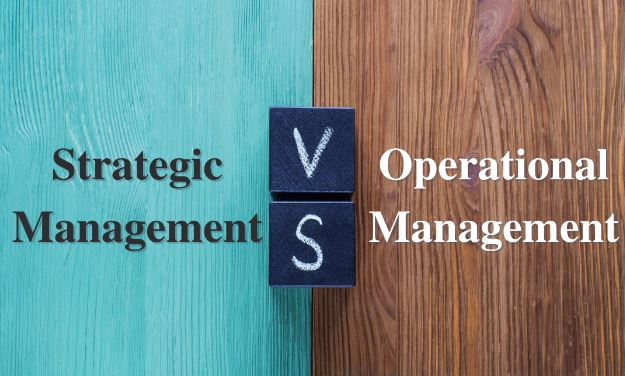
For success in new new economy, companies must invest in and support strategic and operational management excellence. Management professionals can find out more about strategic vs. operational management below, including looking at specific factors impacting both now and in the future of their business. 

The Differences Between Strategic vs. Operational Management 

According to Jeff Bartel, chairman and managing director of Hamptons Group in Miami, three components set businesses apart: strategic planning, agility, and innovation. But, what exactly is the difference between operations and strategic planning? 

Operations refer to what actions a business takes to get things done. Strategy relates to the plans and methods behind operations. Lastly, strategic management has to do with how and why, and it is integral in ensuring operations activities drive a business toward overall goals. 

Technology's Impact On Operational Management In The New Economy 

From artificial intelligence and automation to cybersecurity to protect customers and the bottom line, technology will play a role in operational management for modern businesses. 

Innovative Modern Ways To Improve A Company's Cash Flows 

Automation is critical to improving cash flow, as it typically does more with fewer resources. It also frees up human resources to attend to more complex issues, such as R&D, customer-centric problem solving, and growth. 

Hyper-automation is increasingly important. This is the act of using AI machine learning and other technology to automate everything, allowing you to save time and money while increasing efficiency and customer satisfaction. 

Cyber attacks are hitting cash flows hard, so operational management must keep tech security in mind. By September of this year, the number of data breaches will outpace last year's numbers, making this a growing problem. 

Modern Sales Opportunities To Reach New Markets 

AI machine learning can also be used to improve user experience. Tech-backed automations drive more satisfactory self-serve digital options. Algorithms provide people with exactly what they want or need and analyze user interactions to help businesses make minute and significant changes to continuously improve. 

Is Your Strategic Management Nimble Enough In Today's Business World? 

Businesses of all types rely on digital landscapes for success, and digital moves fast. If your strategic management is not agile enough, it is hard to remain competitive. 

Dynamic Capabilities To Help Businesses Pivot 

Companies have four primary options for pivoting based on market changes. 

Radical Pivot - This is an option to consider when a business model needs a major overhaul. For example, core assets and activities are under threat by market forces, consumer evolution, or resource issues. 

Multi-Pronged Pivot - In cases where core assets are under fire, a multi-pronged pivot might be the right choice. For example, many companies that previously sold hardware or physical products now sell digital products. 

Operational Pivot - This is the standard option when core activities are the issue. Printing companies, for example, retain substantial core assets, but fewer people print at home as the world moves toward paperless goals. Scanning, photo, and art printing were once required. 

Opportunistic Pivot - Companies with strong core assets and activities may evolve into new endeavors to strengthen future growth. 

Intelligent Composable Business 

Composable businesses are made up of many disparate parts that work together. That makes them flexible and supports fast, easy pivoting. The COVID-19 pandemic demonstrated a need for this across all industries. 

Strategic Management Strategies 

Strategic planning involves setting the right goals for your business. Your strategic plan should keep in mind mission and values and ESG criteria or other external criteria that might impact sales or your bottom line. 

Identifying Strategic Goals And Strategic Risks 

Begin by identifying your target customer. That coupled with the brand's mission helps you create strategic goals for aligning business operations with customer needs while supporting growth and stability for the future, identifying risk areas, and developing strategies for mitigating or avoiding them. 

Waste-Free Strategic Planning 

A typical strategic risk is getting mired in strategy and planning and never taking action. Waste-free strategic planning reduces this risk by identifying limited metrics and goals, choosing the most critical initiatives, and concisely communicating the strategy. 

Getting Your Company To Follow The Strategic Plan 

Getting buy-in for the strategic plan can also be a challenge. Some steps to grease the wheels include: 

● Sharing the goals and what they mean specifically for each stakeholder 

● Inviting team members to take part in molding the plan into actions 

● Communicating the plan from the top-down, offering each team member an explanation of how it impacts them and how they are essential to the success 

Operational Management Strategies 

Operational planning and management strategies should follow strategic planning and use technology and other resources. 

The Importance Of Data In Today's Companies 

Data is critical to success for modern companies. It helps inform product development and marketing decisions to inventory management and customer service. In fact, while speaking to Jeff Bartel in his Miami office, he suggested performing routine internal audits to identify pain points where a great amount of time effort are spent for very little return. 

Data is also foundational to AI and machine learning that creates cost-saving, efficiency-driving automation. 

How Web Data Integration Helps Operational Management 

Data silos slow processes and create operational risk in the form of miscommunication. Web data integration helps ensure team members across various departments have the information they need to serve customers and perform work quickly in real-time. 

Geospatial Data Is Vital  

Location matters. To serve them the most effective digital marketing, you have to know where customers are. Likewise, supply chain logistics depend on knowing where a product is at any given time. 

Examples of Operational Goals 

Examples of operational goals include: 

● Improving safety performance, which could be measured by the number of incidents reported 

● Increased productivity, such as more work per hour or fewer missed deadlines 

● Enhanced quality of service or products, which could be measured with quality surveys or error reports 

Performance Goal Setting Accessibility 

Goal setting accessibility is critical to long-term success. Team members must know what their goals are and how to meet them. 

Consider using SMART goal-setting processes. Goals should be: 

● Specific 
● Measurable 
● Achievable 
● Realistic 
● Time-based 

Getting Your Company To Follow The Operational Plan 

Getting buy-in for operational plans is similar to getting buy-in for strategic objectives. First, ensure everyone understands the big picture of the business and their roles in it. Set challenging but achievable goals and provide rewards structures to engage team members in the new normal. Most people need to know there is something in it for them if the company succeeds.

Opportunities In The Fleet Management Market Industry

opportunities fleet management market industry trucking transportation

Fleet management is the mechanism by which the company manages both fleet and asset records, from purchase to disposal. This allows the company to cut costs, increase productivity, and ensure enforcement through an entire fleet service. 

The worldwide fleet management market is expected to expand during the projected timeline. Fleet management is the management of all facets of a vehicle in a company. Fleet vehicles are those that are important in the industry or have a significant impact on the business. 

Maintaining a fleet of passenger vehicles can be difficult under the best of circumstances. Add to that some external forces over which a fleet manager has no authority, such as regulation, car demand volatility, and spiraling costs, and the challenge will quickly become daunting. The right tools will play a critical role in managing fleet management operations. 

The operation's mission would be to monitor the entire lifecycle of commercial vehicles while reducing associated harm, optimizing performance, increasing competitiveness, and maintaining regulatory compliance. Employee cars used at jobs, referred to as the grey fleet, must also be considered in this process. 

Fleet companies are many. Fleet management is required for haulers, couriers, sales, delivery, telecommunications, public transportation, and emergency services. Understanding the processes needed to operate a fleet would allow the business to manage related costs, stay competitive in the industry, and help satisfy the customers' needs. 

Fleet maintenance can be done in-house, usually by appointing a fleet manager, or outsourced to an independent fleet solutions company. 

Fleet management software provides the company with up-to-date reports on the fleet's efficiency anytime users need it. In essence, it is a complex database with various apps that help document and track critical features that will improve efficiencies and bring prices down by considerably reducing and enhancing performance. 

Place and inventory control, development monitoring and equipment placement, and optimization are the three fundamental fleet management components. Driver action, technical diagnostics, and vehicle monitoring are all part of fleet management. 

It covers fuel control, risk assessment, targeted marketing, fleet vehicle finance, and other resources. Fleet management has applications in the service industry, gas and oil chemicals, refining, manufacturing, distribution, banking, telecommunications, public transit, government, and environmental services, etc. 

Fleet management includes all types of vehicles, including trucks and vans, buses and trams, cargo ships, etc. Due to increased demand for storage and transportation, many opportunities in the fleet management industry have arisen. 

A rise in fuel prices, an increase in emissions problems, access costs, a need for operating performance, and a decrease in management system components are key market factors. 

Fleet management offers benefits such as routine maintenance, equipment efficiency, increased driver safety, fleet routing scheduling, which results in cost-effective operations for owners and operators, a quick procurement process, fleet safety, and customer loyalty. 

Fleet Management Market Overview

The fleet management solutions market was estimated at USD 7.34 billion in 2024 and is projected to rise at a CAGR of 20.07 percent over the forecast period to hit 22.08 billion US dollars by 2026. Businesses are gradually adding transit into their offerings. As a result, commercial fleets have grown significantly in recent years. 

According to statistics, deliveries of vehicles to commercial fleets from eight significant manufacturers in the United States rose by 2.1 percent, to 69,145, in February 2024, relative to the previous year. Increasing maintenance costs, resulting from increased demography, have had a significant impact on the fleet management industry. 

Increasing operating costs arising from growing demand for utility vehicles, rising maintenance spending, and persistent increases in enforcement costs have all had a substantial effect on the fleet management industry. 

Big and medium-sized fleet owners are constantly using fleet management tools to streamline activities. Adoption has been sluggish among small fleet owners due to a lack of knowledge, a reduced operational size, smaller budgets, and an increase in running costs. 

Fleet injuries result in the most costly damage claims for companies, at an estimated loss of about USD 70,000 per wreck, which has stressed the importance of commercial fleet maintenance. 

The demand for fleet management solutions is characterized by increased fragmentation, the growing involvement of original equipment manufacturers, low levels of product differentiation, and falling hardware and connection costs. 

The level of competition has gradually risen due to high market penetration by market leaders and expanded R&D initiatives, which have resulted in developments in telematics and analytes. Furthermore, due to the growing amount of data in the fleet management market, businesses have been engaging in cloud technology.

Stock Packaging vs Custom Packaging Differences

stock packaging vs custom packages differences product shipping

Stock packaging and custom boxes are two of the options available, especially if you are running an eCommerce store. However, some may be confused about the differences between the two and which ones are ideal for their business. 

A stock package is basically a ready-made box where you just have to affix your company name or sticker label. This is mass-produced, inexpensive, and is available in large quantities. The downside is that stock packages have a limited flexibility style, and they come with a standardized side. 

Some companies may exclusively use the stock packages to translate more into savings. Overall, this makes better financial sense than choosing the custom and tailored packaging. You will see various examples of these on beverages, vitamin jars, sauce bottles, canned foods, and protein powders. The labels may be custom printed, but they are made up of stock wrappings. 

stock packaging versus custom packaging

About The Custom Packaging 

Other businesses may want to go the extra mile and go with the custom-made packaging with their parcels. If you are interested in making your product stand, you might want to visit customboxworks.com for more information about these boxes and see how you can get started with them. These are all the wraps that are tailored to your customers’ needs, and they come with bells and whistles. 

The unique sizes are made explicitly so the products would perfectly fit. For this to work, you need a structural engineer and an expert that will create the “DNA” or the blueprint of the packaging according to your brand and company needs. They use various printing plates and cutting dies as tools to ensure a more professional finish. 

Overall, the process of getting tailored boxes will be costly, and they need a significant amount of designing and planning. Prototypes are usually required, and they are tested before mass production begins. They are approved by the owners, and the tools get started to work. The customer service and communication level involved in the process is higher than buying stock boxes. 

Some of these companies will require a minimum to start the project. Costs and fees are used for machinery, and there is a minimum volume required before you can work with them. The whole process involved several parties, especially if this is the first time that you are trying this. Units of packaging may require a minimum of 100, so it is going to be worth it for everyone involved. 

Various types are available for business owners, like poly bags, stand-up pouches, rigid boxes, and folding cartons. Aside from containers, bottles, tins, and jars, all the boxes are excellent for retail stores, and they are generally used as an alternative to packaging to get the job done. 

entrepreneur stock boxes

Why Do Other Entrepreneurs Use Stock Boxes? 

There are many of reasons why entrepreneurs or small businesses opt to use stock boxes including:

• Many of the start-ups don’t have the budget to fund this venture yet 
• Some are testing the current situation in the market and see if this is going to be worth it 
• Shortage in production, primarily if the manufacturer caters to others 
• May require trade show samples before they order 
• Subscription boxes are often the trend, and they don’t require many details 

When buying only a small quantity, know that the stock packages will be better and more cost-effective than their other counterparts. You can also acquire them faster whenever you run out and want to place an order. This is going to be a more viable packaging strategy if you are just starting your customers’ reactions to your products. 

On the other hand, the custom-made packaging is eye-catching, and this is important if you want to get an edge over your competitors. They will give your customers the right message and communicate to them that they are special. This may mean an increase in sales and revenue, and you will also have a better fit for your products. 

Most of the excel material will involve the packaging itself. You can compensate for this with the help of colored paper that’s cut into pieces resembling a nest to have a more presentable product. The better fit will keep your product safe, and they are also going to mean that you’ll have to pay lower costs for shipping. 

Usually, the custom packaging is not for people who have light wallets for shipments or are faint of heart. The entire process requires a lot of resources, focus, and planning. This is a project that business owners need to get involved in every step of the way, and a more significant commitment is needed to be successful. 

After all the hard work and resources, the custom boxes will give your brand a more professional appearance during merchandising,  shipment, and unboxing. This will make a difference in store shelves, and they will actually look more appealing. When you have made a massive return on investment, this is something that you should consider purchasing in high volumes. It communicates to others that you care about the details in your business and take pride in your products.

Top 5 Small Business Shipping Tips

small business shipping tips product shipments

Did you know that the way you ship your products could have an effect on your business? 

At every step of their interaction with you, your customers are judging your services and creating an image of your brand in their mind. That definitely includes your shipping services. 

But, it can be tough to know how best to ship your products as a business. What do your customers want, and what do they definitely not want with product shipments? 

Take a look at our small business shipping tips to find out more. 

1. Offer Various Delivery Options 

Most people want a choice when paying for shipping services. If you can offer super fast delivery, definitely do - most people want their purchases very quickly - but don't make it the only option. Add a regular delivery too for a little cheaper, and basic delivery services that might take a while but are budget-friendly. Even if you think you can get all of your packages out super fast, not everybody wants to pay for that, so keep your options open. 

2. Take into Account the Destination 

If you're wondering how to save on shipping, remember to change your prices based on the destination! It's a good idea to not offer prices until customers have entered their delivery address. An automated system will then calculate their delivery costs based on their postcode, making sure you're not losing money when you ship across the country. 

3. Stick to a Budget 

Small business shipping costs can be reduced by sticking to a budget and knowing some little tricks. For example, you can buy boxes for wholesale shipping if you have the room to spare in your home or studio. You should also make sure to keep your packages as flat and small as possible to cut down on costs and check places like Facebook marketplace for cheap reusable materials, like bubble wrap. 

4. Choose Eco-Friendly Materials 

It's not all about how to save on shipping, but also how to make sure your brand comes across in the best way when your customers receive their items. One tip is to pack in eco-friendly shipping materials, like cardboard or a biodegradable, plastic-alternative. Consumers are becoming more eco-conscious every year, and offering packaging that's good for the planet could be a big selling point! 

5. Hire Help 

If you've got tons of shipping boxes and you're struggling to get them out quick enough, be sure to hire help. Making sure your packages get where they need to be on time is worth the extra cost! You can even ask friends or family to help every now and then in return for a meal at your home or a drink! 

Use These Small Business Shipping Tips As Inspiration 

These small business shipping tips won't work for every brand, but use them as inspiration to organize your own system. Once you've got an efficient shipment system set up, you'll be good to go! 

If you enjoyed this article on smart small business shipping tips, be sure to find more money-saving tips on our website. We publish a wide variety of helpful articles on shipping, packaging, logistics, supply chains, warehousing, ecommerce, retail, and much more.

Warehouse Equipment List: 5 Things Every Warehouse Needs

business warehouse equipment list

How many times have you walked into a large warehouse space and asked yourself, "Now where in the world did I put that?".

If that sounds familiar, it's time to get organized with our essential warehouse equipment list. Whether you're first setting up an industrial warehouse, or you're looking to refresh an older one, these must-have warehouse tools and equipment will ensure streamlined processes and professional level organization. 

You'll find thousands if not millions of options for each of these, so keep in mind that everything will need to be specific to the goals of your warehouse. 

Keep reading for these five must-have items for your business warehouse. 


1. Storage Racks

Storage racks and shelves are probably one of the first items to come to mind when thinking about your warehouse equipment list. 

Racks are essential for storing large materials for easy access. Warehouse rack installation for industrial size shelves is a big process, but if it's done properly, they'll last you ages. 


2. Storage Bins

The next thing on your warehouse equipment list should be storage bins. Ideally, purchase several sizes in order to accommodate various materials. Not only are storage bins ideal for storage, but they're also useful for transportation and shipping.


3. Lift Equipment

If you're managing an industrial size warehouse, lift equipment is a must-have warehouse item.

There are several types of lifts to consider, from narrow aisle trucks to rough terrain or electric-powered vehicles. Consider the work you expect the lift to be doing. You might need several narrow aisle lifts but only one pallet lift.


4. Dock Equipment 

If you're sending or receiving large or heavy items (basically anything you can't pick up and lift yourself) a dock will make transportation to and from the warehouse much more manageable. 

Consider purchasing a movable dock ramp that will fit over a set of stairs and another that will make truck loading doable.

Again, the type of dock completely depends on how you are moving items in and out of your warehouse.


5. Conveyer

If you're frequently moving smaller items in and out of your facility, a conveyor can significantly speed up the process. Flexible conveyors are a great investment as you won't need a single run of straight space in which to put it.


Bonus: Packing Materials

Most of us have been in a situation where we run around looking for a box or a roll of tape. Stay on top of your packing materials to be prepared for any shipments.

Tape, boxes, scales, protectants for fragile items, and even a designated packing table and shelf will make processes more streamlined in your warehouse. 


Supply Your Warehouse Equipment List Today

Ready to put together a more efficient warehouse? Use our complete equipment list above and you'll be well on your way toward running an efficient warehouse. 

7 Things to Know Before Buying Shipping Containers

things to know before buying shipping containers

Are you interested in purchasing a shipping container and converting it into a home? Or would you like to get your hands on a shipping container that you can turn into a storage unit?

Regardless of why you want to go through the process of buying shipping containers, it's easy enough to do it these days. There are companies that sell both new and used shipping containers for a lot less than you might think.

But before you begin looking around at the different shipping containers that are on the market, there are some key things you'll need to know. Check out seven of these shipping container considerations below.


1. What Are You Going to Use a Shipping Container for?

Prior to purchasing a shipping container, the first thing you'll need to do is figure out what you're going to use it for. These days, people are using shipping containers for all kinds of different reasons.

As we alluded to earlier, some people use them to create homes or storage units. Others use them to build garages, sheds, and even office spaces.

You should have a clear goal for your shipping container in mind before you go through the trouble of buying it. It'll prevent it from sitting on your property and it rusting away.


2. Are There Any Restrictions on Shipping Containers in Your City?

You may be in love with the idea of buying shipping containers and using them to build a home for yourself and your family. This has turned into a trend in many parts of the country with people living inside of beautifully decorated shipping containers that don't even look like shipping containers anymore.

Your city might have something to say about it, though. There are some that won't allow people to use shipping containers to create homes or other structures.

It's a good idea to check in with your city to see if there are any restrictions in place that might prevent you from using a shipping container to create a home, a storage unit, a garage, an office space, or another structure.


3. How Big Do You Need a Shipping Container to Be?

Shipping containers come in many different sizes. You'll find some that are just 20 feet long and others that are well over 50 feet long.

What size do you need your shipping container to be?

If you're only going to be using a shipping container to create a small shed, you may be able to get away with buying one that's 20 feet long. But if you're going to be using several shipping containers to build a house, you're probably going to need shipping containers that are on the longer side.


4. What Do You Want a Shipping Container to Be Made Out of?

There are a bunch of different materials that can be used to make shipping containers. Steel and aluminum are two of the most popular materials among shipping container manufacturers.

There are also other options, too. Something like weathering steel might be an ideal choice for those who want to make sure their shipping containers don't rust too much after they buy them.

The good news is that almost all shipping containers are designed to be durable. They are, after all, created to be able to stand up to corrosive salt air while positioned on ships.

But even with that being said, there are some materials that will stand the test of time better than others. Keep this in mind when you're looking around for storage containers for sale.


5. Would You Like to Buy a New or Used Shipping Container?

More often than not, those who are investing in shipping containers and planning to turn them into homes, garages, sheds, and more look for used containers. They want to give these containers a second life.

But you're welcome to buy either a new or used shipping container depending on what you plan on doing with it. You might not love the idea of living in a used shipping container that may have been used to carry things that you would rather not think about. 


6. What Is Your Budget for Buying a Shipping Container?

When buying shipping containers, you can spend anywhere from around $1,800 to $5,000 on them. The final price will depend on everything from the size of a container to the materials that were used to make it.

You should go in with a budget in mind so that you don't overspend on a shipping container. There are plenty of shipping containers for sale out there, so it shouldn't be too hard to stick to your budget as long as you put one into place ahead of time.


7. How Are You Going to Get a Shipping Container to Your Preferred Destination?

Buying shipping containers is fairly simple. But getting them to wherever it is you need them to be is another story.

In a perfect world, you'll find a shipping container for sale in your general area and be able to have it delivered directly to you. But you may have to do more work than that to take a shipping container home.

You might be able to convince whoever is selling you a shipping container to deliver it for you. But you might also have to either rent a truck and pick up a shipping container yourself or hire someone else to do it.

Whatever the case, it's good to look into how you plan to get a shipping container to your preferred destination before buying it. You don't want to pay someone for a shipping container and then realize you have no way of transporting it to where it needs to go.


See How Simple Buying Shipping Containers Is

Have you been thinking about buying shipping containers? You should be able to track down a bunch of containers for sale in your city.

But you shouldn't agree to buy it before answering all the questions found here. They'll help you determine if a shipping container is really right for you.

They'll also prevent you from having buyer's remorse with regards to a shipping container later. You'll know that you purchased the perfect shipping container for your specific purposes.

Read our blog to find out how to organize a shipping container if you plan on using it for storage. We have a wide variety of articles on storage, shipping, logistics and other business topics.

5 Ways To Improve Your Logistics Management

how to improve business logistics management

Do you need to improve your logistics management? From warehouse operations to last-mile logistics, you might be losing money to inefficient management and preventable problems.

Every logistic process is open to optimization and there are always ways to improve your operations. 

Moreover, what worked yesterday might not work today, so it pays to review your processes and make adjustments when needed. Read on to find out how to improve your logistics management right away.


1. Establish Standard Operating Procedures

The first and most important step to improve logistics management is to establish standard operating procedures. Logistics is all about planning, so a good plan must serve as the basis of your operations.

While a plan won’t cover every possible circumstance, it will minimize problems and allow you to deal with unpredictable problems more efficiently. You, or your logistics manager, should be flexible when acting on the standard operating procedures, especially in case of something unexpected.

An unusual item, a remote location, or a request for collaboration, are all events your plan might not cover. Nonetheless, your standard operating procedures will keep your logistics running no matter the circumstance.


2. Automation is Key

In today’s digital markets, automation is key. If you are clinging to old, manual procedures that can be automated, your competitors won’t wait. There are numerous ways to automate many common logistics purposes.

Package tracking and delivery monitoring represent the most common automation technologies. 

These applications will keep your management informed and your deliveries prompt.

Other automation technologies include fleet management, inventory programs, and other applications that reduce human error.


3. Leverage Supply Chain Data

Having enough information to make real-time decisions is one of the most crucial last mile logistics challenges. Last-mile logistics represents up to 28% of all supply chain management and transportation costs. However, missed deliveries, wrong routes, and car problems can inflate these costs.

Thankfully, your supply chain generates data you can use to identify pain points and find ways to improve your logistics management.


4. Hire Key Talent

Even the most ironclad logistics plans will go wrong, and that is where key talent can make a difference. From entry-level positions to upper management, your employees should be aware of your logistics management plans.

If your operations are growing, you should consider hiring a skilled logistics manager to oversee the more technical aspects of logistics management.


5. Focus on Customers First

Logistics is all about prompt service and customer satisfaction. Whether your company focuses on B2B, B2C, or both, your logistics management should focus on your customer first. The easiest way to do so is to keep your customers informed about the status of their deliveries.

Delivery notifications will keep your customers happy while also reducing missed deliveries. Finally, being flexible and giving your customers the option to change delivery time windows will further improve logistics performance and customer satisfaction. 

All of these tips will help you to level up your logistics logically!


Loved our Article on Logistics Management? We have More!

Now that you know how to improve logistics management, it’s time to level up your business efficiency. Come on in and browse our blog for a veritable treasure trove of useful articles on business operations, management, investing, loans, marketing, and more!

New Frugal Finance Blog Posts & Articles