Showing posts with label Coronavirus. Show all posts

5 Tips For Boosting Your Immune System

tips boost immune system during coronavirus pandemic stay healthy advice covid-19

While you may be practicing social distancing and following good hand hygiene, you may not be taking as much care of your immune system. To fend off the coronavirus and help you get through this uncertain time, here are five top tips on how to boost your immune system during stressful times. 

Try Not To Stress 

No matter where we turn, we are unable to escape the daily news of coronavirus. If you are a natural born worrier, it is likely that your stress levels will rise, which can have a negative impact on your immune system. Reducing stress levels can help you feel more calm and relaxed during this time, so whether it is by practicing meditation, reducing your caffeine intake, or trying out different breathing techniques, there are lots of things you can do to alleviate stress. 

Get Enough Sleep 

With a cloud of uncertainty around us, many people may struggle to get enough sleep during the recent events. If you are having difficulty drifting off, there are lots of tips that can help, such as establishing a regular sleeping schedule, avoiding using your smartphone before bed, as well as running a hot bath. To get through the day and to stay in good spirits, good quality of sleep is essential. 

Follow A Balanced Diet 

If you have been ordered to work from home during these inflationary times, bad habits may begin to form regarding what you eat. Instead of reaching for junk food, it is important that you incorporate plenty of fruits and vegetables into your diet. Getting the vitamins and nutrients you need is vital for keeping your immune system in check. To ensure your body is getting everything it needs, look for a Vitamin Shoppe Coupon. A Vitamin Shop Coupon can save you money on products that are designed to boost your immune system. 

Maintain A Healthy Weight 

Incorporating regular exercise into your day to day routine is key for supporting your immune system. With the threat of coronavirus on many people’s minds, doing everything you can to keep your body in good shape is important. There are lots of at-home exercises you can do to improve cardiovascular health, reduce stress and anxiety, and provide support for your joints and bones. Taking 30 minutes out of your day to dedicate towards health and fitness can make all the difference for both your mental and physical health during this pandemic. 

Stay Hydrated 

Drinking plenty of water throughout the day is essential for your immune system. Water can reduce the risk of infections and help keep your body healthy. Drinking water can also help lubricate your joints, boost skin health, and regulate body temperature. Instead of relying on soda and sugary drinks throughout the COVID-19 pandemic, it is best to stick with water. 

Stay Healthy And Stay Safe

If your mind is filled with stress, anxiety, and worry during this pandemic, your immune system may not be working as well as it should. To add a boost and keep you healthy and in good condition, all the tips above can contribute towards improving your immune system.

Why PPE Is Still Key For Workplace Safety

personal protective equipment ppe health safety workplace goggles facemask

In hazardous and challenging working conditions, wearing Personal Protective Equipment (PPE) is of the utmost importance. For those who don’t yet know what PPE is, essentially it is just equipment that protects the wearer from health and safety risks – whether that is high visibility garments improving visibility, heavy-duty boots protecting from blunt force or visors shielding from gases and vapors. 

Even after carrying out the appropriate health and safety checks and isolating employees from hazards in the workplace, risks still present themselves and therefore this is why PPE is required to make the working environment as safe as possible. PPE plays a key part in the safety and success of any business, making it paramount that both employers and employees alike understand the importance of it. 

Today we will be taking a look at understanding which PPE should be worn when carrying out industry related tasks, the training that needs to be administered to employees before they wear protective workwear and the different types of PPE – from safety gloves to overalls – which can be used. 

Understanding The Personal Protective Equipment You Should Use 

The first step in making the workplace as safe as possible through PPE is to understand the equipment that is most suited to your role within the business and the industry tasks you carry out. For example, the personal protective equipment worn by a construction worker will massively differ from that of a tree surgeon. It is therefore important that suitable safety equipment is carefully chosen so that employees are protected from whatever they may face throughout the working day. 

If you don’t know what PPE you should be wearing at work, then ask yourself three simple questions. 

• What am I exposed to? 
• How long am I exposed to this danger? 
• What part of my body is exposed to this danger? 

Once you have asked and answered these questions you should start to gain a better understanding as to what risks you face and as a result, what personal protective equipment you should be wearing to protect yourself, instead of having your risks get bigger

You should always make sure that the PPE you are wearing doesn’t limit your ability to carry out tasks, distract you or restrict you from taking advantage of another piece of safety equipment. 

Personal Protective Equipment Training 

Both employers and employees should be properly and professionally trained on how and when to make use of PPE, as well as how to store such equipment so that it is kept in good condition. As an employer you have a number of responsibilities when it comes to PPE in the workplace – some of these include: 

• Providing facilities for PPE to be stored in 
• Regularly checking equipment for wear and tear 
• Sourcing your CE marked PPE from a reputable supplier 
• Providing different sizes of PPE to suit all employees 
• Providing PPE free of charge to all employees 

The Different Types Of Personal Protective Equipment 

Personal protective equipment needs to be able to protect the wearer from all different hazards – ranging from chemical burns to blunt force trauma - and therefore many forms of protective equipment must be utilised within working environments. Some types of PPE include: 

• Head protection – such as safety helmets and bump caps 
 Eye and face protection – such as goggles, visors, face shields and safety spectacles 
 Ear protection – such as earmuffs and earplugs 
 Hand protection – such as waterproof and safety gloves 
 Foot protection – such as safety boots and shoes featuring toe and midsole protection 
 Body protection – such as overalls, chemical suits and boiler suits 

Industrial Applications

Let's say that you work in an industrial or construction work setting. You still need to wear the right personal protective equipment to be on the safe side. It is imperative for the healthy of you, your employees, your customers, your vendors, and your business. 

Personal Protection Conclusion

It is vital that all the appropriate measures are taken to make the workplace as safe as possible, and that includes introducing the correct PPE for all employees to take advantage of. 


I hope you enjoyed this blog post about personal protective equipment for health and safety in the workplace.

Interested in more articles about maximizing health and safety? 

Read Related Resources:

How To Workout Safely

Exercise Safety Guidelines For Beginners

Free Frugal Fitness Finds Below

Rapid COVID Testing In Ham Lake, Minnesota

rapid covid-19 testing ham lake minnesota coronavirus tests

The COVID pandemic has toppled businesses across the world. The world is struggling hard to curb the current and future economic consequences of this COVID pandemic. COVID-19 is a disease caused by a newly revealed and highly contagious strain of coronavirus. The disease causes a range of symptoms that can be life-threatening to specific groups of people. GatherWell Rapid COVID Testing is a Ham Lake testing center that offers quick and effective COVID testing. If you have symptoms of COVID-19 or were in close contact with someone who tested positive, the highly skilled team can offer the answers you require, quickly. Call or book an appointment online for same-day services and on-site group testing. 

What Is Covid-19? 

Coronavirus is a group of viruses that cause many diseases, including the common cold. COVID-19 is a respiratory disease caused by a newly discovered coronavirus referred to as severe acute respiratory syndrome coronavirus 2.  This virus continues to infect millions of people all over the world. Although the COVID-19 symptoms vary, the disease may cause life-threatening symptoms in some people, especially the elderly, with a history of chronic disease and a compromised immune system. 

What Is Meant By COVID Testing? 

This involves determining if you have COVID-19 or not. The physicians at GatherWell Rapid COVID Testing carry out COVID testing using the most innovative diagnostic tools and technological advancement available. The innovative lab provides personal drive-up COVID-19 testing and on-site event and group testing via their mobile lab service. 

Are You The Right Candidate For COVID Testing? 

At GatherWell Rapid COVID Testing, they follow the procedures offered by the Centers for Disease Control and Prevention (CDC) to determine if you require COVID testing. According to the CDC guidelines, you are required to get tested for COVID if you have COVID-19 symptoms or have come into close contact with a person who tested positive for the disease. Some of the common symptoms that might signal a need for testing include cough, fatigue, fever, loss of taste or smell, shortness of breath, chills, muscle aches, sore throat, and runny nose. If you have these symptoms or have been exposed to COVID-19, the professional team at GatherWell Rapid COVID Testing will talk to you about testing. 

What Should You Expect During COVID Testing? 

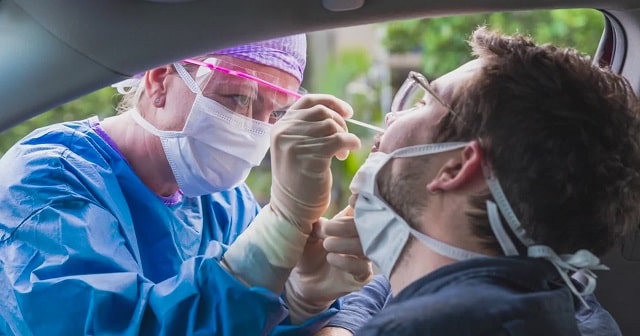
When you go to GatherWell Rapid COVID Testing, the physician starts by performing a nasal swab for COVID testing. They use innovative diagnostic tools that rapidly detect the virus from the sample collected from your nasal cavity. The provider inserts a shallow swab into your nostrils for specimen collection. The laboratory technician will give you an identification number for accuracy and show you the designated waiting area. The laboratory carries out the Coronavirus test while you relax comfortably in your car. The staff requests that you show up at your scheduled appointment and follow the signs to go in line for the Coronavirus test.  The results get delivered to your car in less than 15 minutes. On average, the entire COVID testing process might take about 45 minutes from start to finish, and testing is reimbursable by many health insurance companies. 

Get Tested Today Rapidly In Ham Lake MN

To sum up, with the potential effects of COVID-19, you cannot afford not to go for testing if you have symptoms or have come across an already infected person not vaccinated yet. To schedule your COVID testing for you or a group in and around Ham Lake, call or book an appointment online with GatherWell Rapid COVID Testing today. 

We wish you all the best with your Coronavirus vaccines against the different Covid strains and mutations!

The Germiest Areas In Our Cars Revealed In New Study

car germs vehicle bacteria automobile viruses

Many of us have never given the interior of our cars a second thought. But did you know that there are areas of the cabin accumulating germs and bacteria before our very eyes? 

ATS Euromaster and the Biochemical Engineering department at UCL teamed up to find out exactly what types of bacteria are in play, and where they’re located. This is especially important in the age of deadly pathogens like MRSA and Covid-19.

Eleven cars were under inspection at the ATS garage in Brixton Hill, with Professor John Ward leading the investigation. Here were the results of bacteria, viruses, mold, and mildew found in automobiles. 

The Germiest Areas On A Car Revealed 

1. Cup Holder 

In first place for bacteria growth is the cup holder. Professor Ward says: “The cup holder – it’s exactly that… a holder with a shape designed to hold and retain the cup… as well as any other small bits of debris. With some little bits of liquid, this provides quite a good little environmental niche for bacteria to be trapped and grow.” 

2. Dashboard Buttons 

Dashboard buttons are regular touchpoints on a vehicle, which perhaps don’t get cleaned as often as they should. Just think of how often you and your kids touch those buttons!

3. Seat Belt Catch 

The seat belt catch is touched at least twice every car journey. The gap where the seatbelt plugs into provides an area for dirt, like crumbs and flakes of skin, to accumulate. 

4. Steering Wheel 

Following this was the steering wheel. The wheel was swabbed at the ten and two hand position - the areas receiving the most contact from drivers. 

5. Door Handle 

This smoother and more exposed surface preserves less bacteria compared to the cup holder and seat belt catch - areas which can collect and store germs more easily. 

6. Gear Stick 

Despite this being a frequent touch point, the gear stick has a small surface area. Your car's gear shifter also a smooth and shiny surface, which helps keep bacteria at bay. 

What Bacteria Were Found And Are They Dangerous? 

Staphylococcus Epidermidis

Staphylococci are bacteria of the skin, also found less commonly in the nasal passage. They can be harmful to people with weaker immune systems if ingested. 

Staphylococcus Aureus 

The most dangerous of the Staphylococcal bacteria; it can cause skin infections, as well as pneumonia and other types of infection. The staphylococcus aureus bacteria live on the skin’s surface and cause infection if they get into the skin. 

Prevotella

These are bacteria found in the mouth and open wounds and are known to cause infection. They can attach to other bacteria forming larger colonies and cause illness. 

Micrococcus Luteus 

Micrococcus luteus is bacteria found on the skin. It is not harmful to humans. 

Burkholderia

A type of bacteria found in soil and water. Generally, it is harmless to people with strong immune systems. Those with weaker immune systems and lungs, however, are more at risk of infection. 

Bacillus Mycoides And Bacillus Subtilis

Commonly found in soil, as well as the gastrointestinal tract of humans. These are usually unharmful bacteria for most people, though they have been known to cause food poisoning. 

How These Results Were Obtained 

Eleven cars belonging to members of the public at ATS Euromaster in Brixton Hill were chosen; these were swabbed for bacteria. The swabs were placed in agar plates and incubated at 30 degrees. Photographs were taken after four days and again after three days. 

The bacteria hotspots were the cup holders and seat belt catches. These creviced areas retain large amounts of bacteria, some of which can cause illness. The shiny touch points with smaller surface areas – namely the gear stick and door handle – picked up the fewest bacteria. 

The important factor to take away from this study is to clean your car regularly with chemicals that will kill germs. Don’t be afraid to get inside those smaller areas which store bacteria - and be sure to give everywhere a thorough clean. Keeping your car clean also helps prevent buildup of viruses, mildew, mold, bugs, and even rodents. As recommended by Professor Ward, “clean your car as you would your home.” 

Discover all the bacterial findings – and the methodology in full – by taking a look at the ATS Germs in Cars campaign.

How Can You Make Your Virtual Thanksgiving Successful?

successful virtual thanksgiving zoom holiday

With COVID-19 cases rising, many people are choosing to opt for a “virtual Thanksgiving” this year instead of visiting friends and family in person. A virtual Thanksgiving can absolutely be an effective way to circumvent COVID-19 issues, but it’s fairly unprecedented, which means you might not know how to do it. Here are five ways you can make your virtual Thanksgiving celebration work more effectively. 

1. Understand The Differences 

Don’t try to pretend like a virtual Thanksgiving will be exactly the same as a Thanksgiving in person. It doesn’t have to be exactly the same for it to still be an enjoyable experience — you can have a different Thanksgiving experience and still get all the joy you typically would out of your Thanksgiving travels. However, if you’re able to accept that things will be different, you’re much more likely to be happy with the experience. 

2. Organize Your Virtual Greetings Beforehand 

Before you call everyone on Thanksgiving, make sure you reach out to arrange those greetings. Sure, you probably won’t annoy anyone too much by calling them in the late afternoon, but it’s always better to set things up beforehand anyway. Text, email, or message the people you’d typically spend Thanksgiving with and make sure they’ll be available when you can call. 

3. Choose Appropriately Between Phone And Video Calls 

Video calls are what most people will choose for Thanksgiving calls because it feels more like you’re really there with the people you love the most. However, video calls aren’t going to be the best option for everyone. Especially when it comes to older relatives or relatives who don’t have quite as much tech knowledge, you might want to consider plain old phone calls. 

4. Change Your Black Friday Choices As Well 

Do you often go Black Friday shopping with the friends and family members that you would typically spend Thanksgiving with? Consider changing up how you do Black Friday this year also. You might want to call one of your closest “shopping friends” on Black Friday and browse through your favorite stores’ websites together. It might feel a bit different but avoiding the Black Friday crowds may be a good idea during COVID-19. 

5. Figure Out What Worked And What Didn’t 

You might want to choose to make this a sort of a jumpstart into virtual Thanksgiving in the future. You might not decide to do virtual Thanksgiving every year, as the COVID-19 crisis will hopefully mostly die down by next Thanksgiving, but the process of traveling for Thanksgiving is expensive and complicated. A virtual Thanksgiving can give you the same family-oriented experience while also allowing you to stay at your own home during the holiday season. 

Conclusion 

Virtual Thanksgiving is a safer alternative to traditional Thanksgiving this year, and if it goes well, you might even want to consider it for other years where you just don’t want to go out for the holiday. Remember that if you want to make virtual Thanksgiving successful, you need to make sure that you’re utilizing reliable technology that will work the first time. If you’re not worrying about tech issues, you’ll be more likely to sit back and enjoy Thanksgiving just like you would if you were there in person.

The Importance Of Disinfection Service Singapore

importance disinfection service singapore cleaning

The current global pandemic changed the habits we have at home. Protection against COVID-19 means that your home needs to be disinfected constantly. Proper hygiene and disinfection are the main steps that you should take to protect the safety and health of your family. Before engaging a disinfection service Singapore company, you should probably read this. 

According to virologists, the spread of COVID-19 is mainly caused by person-to-person transmission. The CDC recommends cleaning and disinfecting all contact surfaces once per day. This routine is recommended, especially if you leave the house as it increases exposure risk. Precautions need to be taken according to one of the many recent studies, SARS-COV-2 can survive suspended in the air for up to 3 hours. On surfaces such as cardboard, SARS-COV-2 can survive for up to 24 hours. On other types of surfaces such as metal or plastic, the virus can survive for up to 3 days and during that time it remains transmittable to humans. 

The warnings and recommendations from CDC are concerning but there are ways to reduce contamination risks. Constant disinfection of contact surfaces must become a daily routine. 

Cleaning Vs. Disinfection 

Cleaning a surface means that all large particles that are visible to the human eye are removed. Some smaller particles that are not visible but palpable are also removable through cleaning. What cleaning fails to do is kill viruses and bacteria. Cleaning only helps transfer the bacteria and viruses from one surface to another one and spread them across, contaminating a large surface. 

A proper routine usually involves a two-step process. Hard surfaces must be cleaned first using any type of detergent and vinegar. Vinegar can kill some bacteria but it is not efficient enough for areas with high- traffic. Contaminants, bacteria, and viruses can only be removed using a proper disinfectant. To minimize the risk of contamination, the pieces of cloth or cleaning tools used must also be disinfected or discarded safely as they may be carrying viruses and bacteria that survived in the detergent and vinegar. 

Products That Kill SARS-COV-2 

Some cleaning products do have the properties of a disinfectant but they may not be able to kill coronaviruses such as SARS-COV-2. Also, labels do not clearly state if they are efficient against coronaviruses. 

The EPA and CDC have a list of recommended disinfectants that are efficient against the novel coronavirus. Most of these products are commonly found in most stores such as the following: 

- Wet wipes such as Clorox wipes, Lysol, and similar 
- Sprays such as Clorox, Lysol, and Purell 
- Isopropyl alcohol 
- Hydrogen peroxide 

Many may be found stuck inside their homes due to different restrictions. If you are in such a situation and cannot procure proper disinfectants, you can make your own at home using some basic and common ingredients. The CDC has published simple instructions on how to make disinfectants at home in the form of bleach-based liquids that can be used in spray bottles. As sodium hypochlorite, the main active substance in bleach, can burn human skin after prolonged exposure, make sure that you use protective gloves. Also, bleach may affect different types of surfaces and textiles thus it should be applied in moderation and possibly tested first. Surfaces that can be damaged by bleach will need to be cleaned using an alcohol-based solution to sterilize and prevent Covid-19 contamination.

4 Things To Communicate Clearly To Customers

how to communicate to customers facial coverings customer mask

Providing Professional Translation Of Multilingual Information Can Help Us To Protect And Support One Another In A Considerate And Compassionate Manner 

Most countries have introduced the use of face coverings in some settings as a measure to try and reduce the transmission of the coronavirus. The rules vary country to country and are constantly under review and subject to change. It is best practice to make sure that your customers or service users are aware of the expectations for the use of face coverings. To do this you should ensure adequate signage is on display in your setting and that information on your website is clear and up- to-date. Multilingual messages on signs and websites should help ensure that everyone understands the requirements clearly. Linguation.com is an online translation agency and can support you with the translation of any expectations accurately in a wide number of language combinations. Read more about four useful things for you to communicate about face coverings. 

1. What Face Coverings Are 

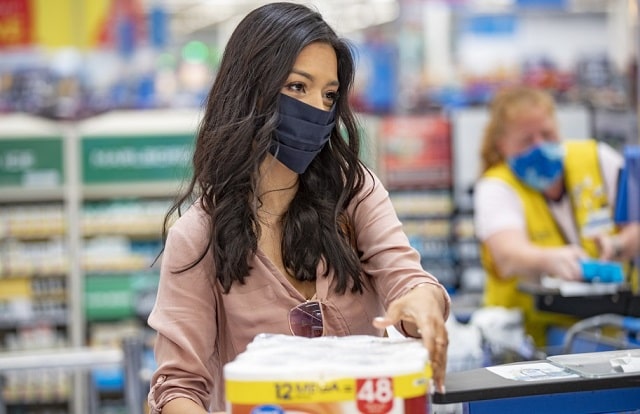
Information and guidance may vary country to country but on the whole face coverings are not intended to be PPE (personal protective equipment) like those used in medical settings. Face coverings are generally intended to protect others rather than the wearer. People are requested to wear a face covering which covers the nose and mouth. These face coverings usually can be single- use coverings or can be reusable; scarves, bandannas, religious garments or other cloth coverings are usually permitted as face coverings in most countries. 

2. Where Face Coverings Are Required 

The rules are constantly changing and do vary country to country. However, in many countries the expectation is that face coverings are worn on public transport, in shops, shopping malls, museums, libraries, places of worship and public areas within hotels. This is by no means an exclusive list and current information should be available from relevant government sources. Settings should update their signage and websites appropriately and in a timely fashion to avoid customer confusion and frustration; expectations are changing constantly. Linguation.com can support with urgent translation requirements and will offer fast translation within hours wherever possible. There is no minimum word count and Linguation.com will provide translation of your short texts, such as website announcements and posters. 

3. When Face Coverings May Need To Be Removed 

There are instances when face coverings can be removed and if this is relevant to your setting, this should be communicated clearly. For example, it may be necessary to remove a face covering for purposes of identification, say in a bank or when buying age-restricted items, or when receiving medical treatment or taking medication. Again, Linguation.com can provide multilingual customer information to ensure that this is clear. 

4. Those Exempt From Wearing Face Coverings 

This final piece of information is actually very important but sometimes overlooked. Some people are exempt from wearing face coverings. This information needs to be clear to everyone so that these people are not made to feel uncomfortable or chastised for not wearing a face covering by others. In many countries, people may be exempt for age, health or disability related reasons and these reasons may not be visible to others. Other customers and service users need to be aware and mindful of this. Some people may have deeply private and personal reasons for not wearing a face covering and people should respect this and not demand an explanation, which may cause more distress. It is a good idea to provide multilingual reminders to your customers and service users to be understanding and respectful of those not wearing a face covering regardless of whether they are fully aware of the reasons or not. 

Linguation.com can support you whatever your setting with your multilingual website translation or multilingual signage. If you are a support group, Linguation.com can provide translation of your campaigns to inform the general public and remind others to be considerate, respectful and compassionate of others if they are not able to wear a face covering.

5 Tips For Keeping Your Children Active And Healthy During The COVID-19 Pandemic

how to keep children active healthy kids during pandemic

Since the start of the year, the coronavirus pandemic has spread across the world and the United States, changing how we live our day to day lives. With schools closing and children having to stay at home, many families have struggled to keep their kids entertained during these unprecedented times.

With the summer vacation now in full swing, you may be left pondering how to keep your children occupied. To help, here are 5 useful tips that will ensure your kids stay happy and healthy throughout the pandemic and beyond. 

Encourage Outdoor Play 

Getting outdoors and encouraging your children to play outside can do wonders for their mental and physical health. While pandemic restrictions are starting to lift, many parents are still anxious to have their kids play with others, so you may prefer to limit outdoor play to your backyard, helping to create a safe environment for your children. If you live close to a park, there are tons of outdoor sports that your kids can partake in, such as soccer, baseball and softball. 

Limit Screen Time 

For many parents, social media can be both a blessing and a curse. If your children use platforms like Facebook and Instagram, it’s important that they don’t spend all their vacation behind a screen. While televisions and smartphones may act as a distraction when you need to get on with things, your children won’t gain any health benefits, so make sure that you establish boundaries and limit screen times. Doing so can help improve your child’s sleep, concentration and reduce eyestrain. 

Get Creative 

With a lot more time on your hands, thinking outside the box and getting creative with games and activities will help keep your children active and occupied during these unsettling times. Your imagination can run free, so thinking of fun games that keep things interesting will reduce the risk of your child throwing a tantrum. Many children love being independent, so whether you do an arts and crafts session, or a jigsaw, give your child some responsibility and an opportunity to think on their own two feet. 

Join In 

If you have one child or your children are constantly fighting, joining in on the fun and being involved in activities can provide enormous health benefits for you too. Regular exercise is important for all ages, helping to lower blood pressure, stay positive, and increase energy levels. 

There are also virtual physical activity programs that your child can participate in from home, which can help keep them active and healthy. 

Be There For Support 

Your child’s mental health is just as important, so if you have noticed any changes in their behavior, make sure that you’re on hand to provide constant love, support and reassurance. Your child may feel reluctant to open up at first, so it’s your job as a parent to let them know that you’re there for them during the pandemic and beyond. 

As a parent, it’s only natural that your children are your number one priority. Depending on the age of your children, they may not be able to process what is going on, so keeping everything as normal as can be is crucial for their health and development. All the tips listed above will ensure that your child’s mental and physical health are not compromised during the pandemic.

Why 70% Alcohol Is a Better Disinfectant Than 95% Alcohol

why 70% alcohol is better disinfectant than 95% alcohol

Keeping areas clean and disinfected is vital to stopping the spread of harmful germs. According to the Virginia Department of Health, microorganisms are everywhere in the environment. Surrounding surfaces are a breeding ground for bacteria, fungus, and viruses. Moreover, a germ-filled atmosphere causes infections.

Thankfully, disinfecting helps to reduce the spread of harmful organisms between people. It's challenging to decide which disinfectant is the most potent. Especially, when choosing isopropyl disinfectants. The different concentration percentages are a bit confusing also.

If you can't figure it out, don't worry. This guide will give you a better understanding. Is low concentration alcohol more effective against germs? Keep reading to find out.


What is Isopropyl Disinfectant?

Isopropyl alcohol, also known as isopropanol, is generally used as a disinfectant. Places like hospitals, pharmaceutics, and medical device manufacturing companies benefit most from it. There are different types of isopropyl disinfectants. Purity grades, concentration, and the solution in isopropyl determine each one's effectiveness.

Isopropyl was the first commercial synthetic alcohol and was produced in 1920. The reaction of propylene and sulfuric acid followed by hydrolysis creates synthesized isopropyl.


Why is 70% Isopropyl Better for Disinfection?

High concentration isopropyl assumingly works better for killing germs. However, that's not the case. Isopropyl alcohol solutions with 60 to 90% concentration fight germs faster. It kills fungus, bacteria, and viruses. Alcohol solutions with less than 50% have a lower potency. Yet, those with higher concentrations don't have stronger virucidal, bactericidal, or fungicidal properties.

The water within isopropyl disinfectant helps to stop the growth of pathogenic microorganisms. It acts as a catalyst and alters the proteins of vegetative cell membranes. IPA solutions with 70% concentration completely penetrate the cell wall. Plus, it permeates the entire cell, coagulates the proteins, and causes the organism to die. More water content minimizes evaporation. Because of that, it increases surface contact time and boosts the effectiveness.

On the other hand, IPA alcohol with over 91% concentration coagulates proteins immediately. It produces a protective layer that shields other proteins from more coagulation. Although high concentration isopropyl kills bacteria, it requires longer contact time.

For instance, a 50% IPA concentration kills staphylococcus aureus in under 10 seconds. But a 90% solution with a contact time of more than two hours is not effective. It's a smart idea to disinfect with a ready to use disinfectant to ensure proper disinfection.


Does Isopropyl Kill Fungus and Bacterial Spores?

Some bacteria turn into spore cells. This transformation causes reduced metabolic activity and higher resistance against alcohol-based disinfectants. It also creates tougher immunity.

The spores lie dormant for a short period. Then once conditions are back to normal, the microbes return to a vegetative state. After reactivating they continue to grow.

With that said, disinfection is not the same as sterilization. Disinfectants don't have sporicidal abilities.


Isopropyl vs Rubbing Alcohol: What's the Difference? 

Rubbing alcohol is an antiseptic and it only contains between 68 to 72% of isopropyl. The rest of the solution consists of water. The primary difference between rubbing alcohol and isopropyl alcohol is the ingredients. Rubbing alcohol contains denaturants that make it harmful for human consumption.

IPA concentrations with more than 91% have minimal bactericidal effects. So, it doesn't work well for antiseptic use.


How Effective is Vinegar as a Disinfectant?

When you don't have disinfectant spray vinegar is generally considered a good substitute. Not to mention, some people prefer to use natural products to clean their environment. Vinegar consists of acidic acid, which helps to break down dirt and kills certain types of germs. 

However, it's not registered with the environmental protection agency. According to the EPA, vinegar isn't an effective household disinfectant. It also shouldn't be used to replace commercial cleaning products. In fact, the Centers for Disease Control and Prevention suggest an alternative. Using diluted bleach or alcohol solution with at least 70% concentration is best.


The Difference Between Cleaning and Disinfecting?

Cleaning removes dirt, germs, and other impurities from surfaces and objects. Yet, using soap or detergent with water only physically removes germs.  It doesn't kill them. Nonetheless, removing germs reduces their numbers and minimizes the risk of spreading infection. 

Applying a disinfectant on surfaces helps to kill germs by using chemicals. It does not discard dirt or remove the germs. But, killing the pathogens after cleaning lowers the risk of spreading infection.

Sanitizing reduces the bacteria and viruses on surfaces down to a safe level. The safety requirements are set by public health standards. Sanitation works by disinfecting the environment to lower the risk of spreading infection.


Places and Areas That Have the Most Germs

Now that you know more about isopropyl disinfectant, it's important to be aware of polluted surfaces. By understanding where most germs are, you can disinfect in the right areas. The list below will make your home safer and keep your hands clean while in public.

  • Kitchen Sinks
  • Bathroom Faucet Handles
  • Kitchen Countertops
  • Toothbrush Holders
  • Public Bathrooms
  • Gas Pumps
  • Fitness Centers
  • Grocery Stores
  • Hotel Rooms
  • Doctor's Offices
  • Hospitals
  • Restaurants 

Creating a Healthier Environment is Possible

We live amongst organisms that can make us sick, but disinfecting helps to keep everyone safe. Hopefully, this information helps you choose the right isopropyl disinfectant. It only takes a little effort to make the environment a healthier place for us all.

If you learned something from this article, feel free to browse the rest of our blog. Our website contains a variety of topics from healthcare to finances. We're sure you'll discover something you didn't know before. Don't hesitate to check us out for more articles on disinfectants, fitness, wellness, and health on a budget.

How To Stay Fit And Healthy In This Pandemic

how to stay fit and healthy during pandemic

Lockdown has provided us all with the perfect excuse to not exercise. Unfortunately, it’s more important than ever before to maintain a healthy lifestyle because this is the key to bolstering your immune system. However, it’s difficult to exercise when gyms are closed and what you can do outdoors is limited. Eating healthily when you have low morale due to the goings-on in the world is also troublesome. If you no longer want to be stuck in this depressive rut, then this article is the one for you. Here’s how to stay healthy and fit despite all the obstacles put in place by the pandemic.

Routine 

We know you’ve all just collectively groaned, and we’ve been there, but there is a reason everyone is hammering on about the importance of routine as it is incredibly beneficial. Every day tends to feel the same in the pandemic, leading to despondency and depression. Routine can counteract this problem by providing a sense of purpose, in turn motivating you to get on track with your health and fitness again. You must go to sleep earlier in the evenings; wake up early in the mornings; be rigorous with your personal hygiene; structure your day around your exercise regime. 

Food Prep 

Lockdown does have the benefit of giving us more time. This means we can invest more in our food prep, baking and nutrition. If you’re wondering how to create a routine, this is an excellent place to begin. Take your time making meals and experiment with new foods. Research what is healthy and delicious. In doing so, you’ll discover why good nutrition and meal-prepping is so rewarding for both your mental and physical health. 

However, we are conscious of the fact there are food shortages currently. This is particularly problematic if you’re a pregnant woman and therefore in need a lot of nutrients. That’s why we also recommend Halal prenatal vitamins from Noor. These can provide all the nourishment you might be unable to access whilst confined during the pandemic. 

Enjoy Exercising 

Not everyone likes the same types of food, so not everyone is going to enjoy the same forms of exercise. Jogging might work for many people during the pandemic, but what if this just isn’t for you? Well, thankfully, there are other options for fitness available. Going for a walk with your headphones in, striding along to your music, is a perfect example of this. Walking is just as beneficial as jogging when done at a pace, plus it’s more enjoyable for some. Home workouts are also a great option – just make sure you choose the right one for you. Some examples of these include Zumba, circuits and yoga. If you find an exercise you genuinely love, then you’re more likely to stick to your fitness regime. Don’t punish yourself with a jog; enjoy yourself with a daily dance workout. 

Continue To Stay Fit And Healthy During The Pandemic

Follow these tips because they’re essential for your wellbeing and fitness during the pandemic. Nurture both your mental and physical health by choosing the right routine, food and exercise for you.

Employee Safety Guidelines During Covid-19

safety first employee guidelines safe working environment coronavirus pandemic

Some states and cities are finally allowing businesses to reopen after months of closures due to the coronavirus. For employees and business owners alike, the ability to return to business as usual is a relief. Everyone needs to generate income! 

However, employers need to be careful about any practices which could expose their customers or employees to the danger of infection.

Here is a list of employee guidelines to follow so you do not need to add lawsuits to your list of financial worries post-COVID 19.


Social Distancing 

Even if your state or municipality has lifted all requirements for opening your business, you should still pay attention to recommendations by government agencies. Check out the websites for the Centers for Disease Control and Prevention (CDC), the Occupational Safety and Health Administration (OSHA), and the Equal Employment Opportunity Commission (EEOC).

These guidelines are continually changing, so check frequently. 

One of the most important changes you will have to make is to impose social distancing. You must assess the physical layout of your workplace and create a plan that creates at least six feet between workers, customers, and visitors.

You can do this in many different ways, such as: 

  • Letting some employees work from home
  • Limiting physical interactions by moving to an online or phone system
  • Allowing only certain employees in the workplace at one time 
  • Increasing physical space between cubicles or work stations
  • Adding partitions or shields
  • Restricting visitors 
  • Closing common areas

Screening

You are allowed to measure your workers' temperatures when they enter the workplace. Just make sure you provide necessary protections for the person who administers these tests. There also may be privacy requirements imposed by your state on the maintenance and confidentiality of medical records, which includes the results of COVID-19 tests.

As the employer, you can also establish rules about sick people entering the workplace. You can tell workers experiencing symptoms, like sore throats and fevers, to go home. You can ask employees to stay home if they have traveled abroad to certain destinations considered high risk. You should tell employees to let you know if they do not feel well or if they live with someone who is sick.

You should communicate in as many ways as possible these rules. Send emails, post signs, and educate managers on how to communicate these guidelines to their teams. 


PPE and Cleanliness 

The CDC is recommending that people wear cloth face masks in public settings. Employers should try to provide masks and gloves to their employees and stock up on plentiful cleaning supplies, tissues, hand sanitizers, wipes, and other measures to keep surfaces and door handles clean. 

This is especially important for any workplace serving food or where customers, visitors, or delivery people may enter frequently.

You may need to examine your ventilation system to make sure that there is adequate air circulation for your employees. You may need to hire professional cleaners on a frequent basis. 

Implement policies that discourage the sharing of equipment and touching, even handshakes.  


What Do You Do When Employees Get Sick? 

A great deal is still unknown about this virus: Can people get sick more than once? How long can someone be contagious? What about people who are asymptomatic? 

It's best to appoint one person to be your overall COVID-19 coordinator. They can oversee communications abut workplace protocols and what to do if someone gets sick. This may save you from liability later.

If someone who works for you comes down with the coronavirus, you should ask them to supply you with a doctor's note before they come back to work. You do not want them to infect others. If they had contact with other employees prior to their diagnosis, you should contact them as well and request that they self-quarantine. 

Make sure you keep the identities of any infected or exposed employees confidential so you do not violate their rights to privacy. 

When someone comes back after suffering from COVID-19, they may need special accommodations. They may be unable to do physically demanding labor until they get back their strength. Look into options for workers comp light duty so they can earn their paycheck as they recover. 


Layoffs

Many businesses have suffered severe financial hardship from the COVID-19 pandemic. Unable to conduct their usual operations, they have no money coming in for payroll. Many companies are furloughing or laying off employees.

In the United States, most employment is considered "at will." That gives the employer wide leeway in hiring and termination decisions.

An employer can pretty much fire anyone, so long as his reasons are not illegal or discriminatory. 

If your business is losing money, you are entitled to cut down on your payroll. Usually, employees are a business's biggest expense.

However, be careful of exposing yourself to anti-discrimination charges. For example, if you let go of all of your employees over the age of 40, you may look like you are discriminating on the basis of age. Age is a protected category like race. 

At the beginning of the pandemic, the President signed a bill into law that expanded the availability of sick leave for workers. Parents caring for kids whose schools are closed get paid family leave to take care of them.

Small businesses with under 50 employees and many health care providers are exempt from this rule.

As the pandemic continues, many questions remain unknown about your obligations to sick workers. It is also unclear how much you may be held responsible if one of your employees gets sick. You may have liability even if you took precautions. 

It is also unclear if you can require someone to come back to work if they are scared they will get sick there.


Employee Guidelines to Work in the Pandemic: Still Evolving

As the nature of this illness becomes clear, it will have many business and legal ramifications. It's hard to remain compliant when the employee guidelines on the state and federal level continue to change, and in some cases differ from one another.

Keep educated on the evolving safety standards for dealing with employees during COVD-19. Watch the websites of the agencies in charge like the CDC more more safe employee guidelines. 

Keep checking back here for news on the coronavirus and other important issues about which you need to know. Visit the Healthcare and HR sections of our site right now for additional insights on employee guidelines and safe working environments.

Medical Consultations During COVID-19: What to Do About Your Doctor's Appointment

medical consultations during covid-19 schedule doctor's appointment visit dr

So far we've seen tens of millions of cases of COVID-19 around the world and millions of deaths. And unfortunately it's climbing daily, even with vaccines being discovered, distributed, and injected. As the outbreak continues to spread, everyone is doing what they can to stay healthy and safe.

You've probably already canceled birthday parties, family vacations, and school events, but what about your doctor's appointment? 

Many people aren't sure if, or even when, they should see a doctor. In this guide, we'll review everything you need to know and do regarding your appointment.

Keep yourself and your family safe with these tips on setting up your doctor's appointment during a pandemic!


Non-Essential Procedures

On March 18, the Centers for Medicare & Medicaid Services (CMS) made an announcement regarding non-essential medical procedures. According to the CMS, healthcare providers should delay all non-essential procedures for the duration of the COVID-19 outbreak.

Limiting all unnecessary appointments frees up personal protective equipment, ventilators, and beds. Reducing the number of people at a doctor's office at any given time minimizes the risk that the virus will spread, too. Instead, patients are encouraged to remain home unless it's an emergency. 

By postponing non-essential doctor's appointments, surgeries, and dental procedures, healthcare providers can keep you and their staff safe.  

It's important to note that this decision is being made on a local level. Your doctor's office may or may not decide to close. They might only allow appointments based on emergency needs.


Should I Go to the Doctor?

Whether or not you go to the doctor depends on your needs. Are you feeling ill?

It can also depend on:


  • How old you are
  • What the doctor's appointment is for
  • Your physician's recommendation
  • How stressed your local health care providers currently are

You might also want to weigh the risk of a routine doctor visit. Is your area reporting a lot of COVID-19 cases? If so, it's likely safer for you to stay at home.

There's a chance you already received a phone call or email from your healthcare provider. If not, make sure to call them as soon as possible. You'll want to verify that their offices are still open before the day of your appointment. 


What to Do During the Outbreak

If your doctor's office is still open and taking patients, you might consider keeping your appointment. However, there are a few steps you can take first to minimize your risk. Here are a few things you should do before your doctor's appointment.


1. Call Before You Go

Many patients don't require urgent care but still want to visit the doctor for a routine doctor visit. If you're unsure about whether or not to go, call your doctor's office beforehand.

First, you want to make sure their office is still open. Otherwise, you could risk making a trip for nothing.

Prioritizing social distancing can help reduce the risk that you'll contract the virus. Social distancing also keeps people who are unknowingly carrying the virus from spreading it to others. 

This is essential for patients with lung or cardiovascular disease. Patients with immune disorders are at extreme risk, too. If you have one of these health conditions, your doctor might suggest you stay home. 

Patients who are over the age of 60 and are at higher risk of contracting the disease should stay home, too. Instead, touch base over the phone.

Are you experiencing mild symptoms? If it doesn't seem related to coronavirus, call your doctor and let them know. Each doctor's office might have their own next steps for medical situations that aren't related to COVID-19. 

Call your doctor's office to determine how they're reacting to the coronavirus. They might want to postpone your doctor's appointment for a month or two. If your appointment was for something urgent, however, they might provide an alternative.


2. If You Have Coronavirus Symptoms

Let your healthcare provider know if you're experiencing cold or flu-like symptoms. They'll likely suggest you stay home for 14 days or until your symptoms are gone. If you begin experiencing new symptoms, however, make sure to call your doctor back. 

Anyone experiencing new symptoms or who are living with a condition like congestive heart failure might need to see their doctor in person. Let your doctor know if you're concerned or unstable. They might consider it worth the risk of you visiting in person. 

If you are experiencing coronavirus symptoms, call your doctor and let them know you need medical care. They'll likely tell you to avoid the doctor's office or the emergency room unless it's an emergency. Staying at home will keep everyone safe.

The CDC urges anyone with mild coronavirus symptoms to stay home and self-isolate. Ask your medical provider if they offer COVID-19 testing. However, it's important to note that there still isn't treatment available for the virus.  


3. Ask About eCare

It's probably best to cancel your appointment if it's a routine doctor visit. Remember, you want to minimize your risk as much as possible. 

Otherwise, ask your medical provider if they offer virtual medical care. Many doctor's offices are continuing appointments over the phone or through video chats. If you can schedule a virtual doctor's appointment, make sure to:


  • Explain your symptoms
  • Reschedule any future routine appointments
  • Request prescription refills

Make sure to ask about any medications you're currently taking and if you still need to take them. Your doctor can either refill your prescription over the phone or send in an electronic request to your pharmacy. 

Your doctor might also have a medical answering service set up. If you're a healthcare provider, you can learn more about the options available for your patients. 

Do you have appointments scheduled for the future? During your virtual appointment, make sure to discuss all future appointments with your doctor. Ask if any of these appointments are necessary in-person or safe to schedule over the phone. 

Telehealth options allow you to receive treatment from the safety of your own home. By staying home, you can reduce your risk of contracting or unknowingly spreading the disease. 


Getting the Help You Need: Navigating a Doctor's Appointment During COVID-19

Discover the help you need, when you need it. With these tips, you can navigate the new medical environment during the coronavirus pandemic with testing, quarantining, masks, social distancing, and vaccines. Make sure to call your medical provider about your next doctor's appointment today. 

Check out the Healthcare section of the Frugal Finance Blog for more helpful tips. We have a wide variety of articles on medical care, doctor appointments, and wellness on a frugal budget!

How to Start a Cleaning Business During an Economic Recession

how to start a cleaning business during economic recession cleaner services company

Even before the COVID-19 pandemic started, economists were already predicting a global recession due to start sometime in the next few years. However, the free fall of the economy has only been accelerated by the COVID-19 virus pandemic, and there's no doubt that we do face tough economic times ahead.

A coronavirus-induced recession, however, doesn't mean that you can't continue to be entrepreneurial. Instead, you just have to be smart about how you do it. In this article, we'll teach you how to start a cleaning business even given the tough economic landscape we're looking at today.


Start with a Business Plan

In times of economic trouble, it's important that you get your ducks in a row and start with a business plan. You should be able to size your market, analyze your competition, and forecast financial projections in order to have a good idea of whether or not you'll succeed in the market.


Assemble Cleaning Equipment

Once you've got a business plan together, it's time to start assembling an arsenal of cleaning equipment. Many folks think that a good way to save money on a business is to make do with cheap equipment that doesn't get the job done as easy as higher-end equipment does.

However, look at it this way. Consider time to be a precious resource and not necessarily money. Let's say you can purchase carpet cleaning equipment used by professionals, which completes jobs in half the amount of time as cheaper machines. All of a sudden, you've doubled your hourly rate because you can serve twice the customers in the same amount of time. 

Besides carpet cleaning equipment, you'll also need high-capacity vacuum cleaners (try to get a wet-dry combo), cleaning chemicals, trash receptacles, and disposables (paper towels and the like).


Find the Right Labor

The next step is to find the right labor. The good news is that during an economic recession, there's no doubt that plenty of people will be around who really need money. Thus, it shouldn't be too difficult to assemble a crew. The hard part will be assembling a competent crew.

Just remember that those who have experience will always be better than those who don't. Also, employees who show some ownership and responsibility will certainly be better at servicing clients. 


Talk to Commercial Businesses

When you start a cleaning business, you shouldn't just target residential customers. Instead, you should also be shooting to work for commercial businesses. This is due to the fact that commercial businesses will be able to place you on large, lucrative projects.

Companies often don't pinch their pennies as direct consumers do, which makes it easier to win those big contracts. The result of that is you making more money. It isn't as hard as you might think to get a big company's business, either.

In times of economic recession, however, if you're able to undercut your competition while providing the same service, then there's a solid chance that a company will only be too happy to save some money.


How to Start a Cleaning Business, Made Simple

There's no doubt that there are some hard times economically ahead of us due to coronavirus and job losses. But, don't let this quench your entrepreneurial thirst. There's still plenty of business to go around and plenty of money to make.

With this quick guide on how to start a cleaning business, you'll be more than ready to face the coming recession. For more business advice like how to start a cleaning business or other business model, keep tabs on our Frugal Finance blog! Visit the Business section right now for new lean startup ideas!

New Frugal Finance Blog Posts & Articles