Showing posts with label Cancer Prevention. Show all posts

9 Tips To Choose An Interventional Radiologist

tips choosing interventional radiologist medical specialists radiology

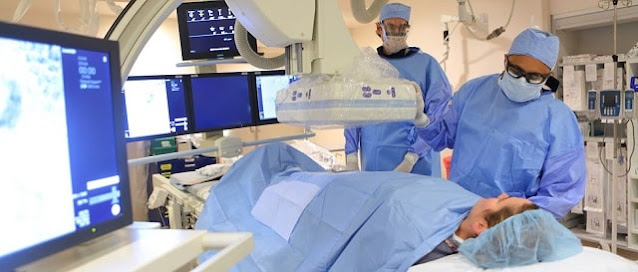
Interventional radiologists are skilled doctors that have been trained to diagnose and treat various diseases without the need for major open surgery. Great interventional radiologists must meet the following qualifications for optimal patient care. 

1. Board Certification 

Board certification is proof that your interventional radiologist has gone through extra training after completing their initial program. They have passed extra tests and can perform interventional radiology procedures safely. 

2. Attention To Quality 

Always prioritize quality when looking for an interventional radiologist. They don’t necessarily need to have performed hundreds of procedures. Consider asking the following questions to determine their likelihood to deliver high-quality services. 

● How many people have improved after this procedure? 
● After how long can I see the results? 
● How do you handle unexpected complications? 
● What is the expected recovery time? 

3. Experience 

The best interventional radiologists should be experienced. Most procedures require technical skills and specialists with little or no experience may be unable to deliver good results. A small mistake may have severe consequences. 

4. Reputation 

Find an interventional radiologist with a solid track record. You can determine their reputation by taking a look at their online reviews. If they have a lot of negative reviews, you may need to find other options. Alternatively, you may get recommendations from your networks. 

5. Honesty 

The right interventional radiologist should be honest and realistic. They should let you know when you are not a good candidate for a procedure. Your radiologist should be willing to have an honest conversation with you. They should let you know the benefits of specific procedures and potential side effects. 

6. Comfort 

When trying to find an interventional radiologist, go for one who makes you feel comfortable from the beginning of your appointment to the end. They should be willing to address your questions and concerns. Pay attention to the general feel of the office and how other members of staff treat you. 

7. Location 

You will probably be visiting your interventional specialist a lot, so it is important to ensure that they are close to your home or job. You should not have to travel hours to reach them. A convenient location makes it easy to show up for all your appointments. 

8. Your Unique needs 

Every patient has unique needs and it is important to find an interventional radiologist that meets yours. If, for example, you need treatment for uterine fibroids, consider finding a specialist who has a special interest in it. 

9. Trust Your Instinct 

The process of finding your interventional radiologist is personal and you should not work with anyone who does not feel right. Consider the following questions before making a decision: 

● Did you feel at ease the first time you spoke? 
● Did they answer all your questions? 
● Did they give you enough time to ask questions? 
● Did you understand their answers? 

Pick The Right Interventional Radiologist

Choosing an interventional radiologist does not need to be a difficult process. Important things to consider include certification, experience, and instinct. If anything feels wrong, you may need to explore other alternatives.

What Is Proctology? All About Rectal Health

what is proctology find proctologist

Surgical procedures, though the last option, provide the most efficient form of treatment with long-lasting results when successful. Depending on your problem, there is a surgical procedure for every body part and condition, including breast, hernia, stomach, and general weight loss. 

If you have issues concerning the rectum and anus, you may require a surgical procedure known as proctology in Astoria in order to fix your problems. The highly experienced Surgical Specialists of NY offer various general surgeries with a specialization in anorectal conditions. Contact them today in any of their three locations in New York to treat your disease and better your living condition. 

What Is Proctology? 

Proctology is a medical field that deals with disorders of the anus and rectum. Proctologists or colorectal surgeons are experts in surgical and nonsurgical treatments of anorectal problems. 

What Are The Most Common Proctology Conditions? 

Besides anal, rectal, and colon cancers, the Surgical Specialists of NY also concentrate on benign anorectal conditions. Some of the most common diseases include: 

Hemorrhoids 

Hemorrhoids occur when your rectum and anus veins become swollen and enlarged. When you are suffering from this problem, you may notice bright red blood in your bowel movement, indicating internal hemorrhoids. For external hemorrhoids, you may experience pain, skin irritation, and itching. 

Anal Fissures And Fistulas 

A fissure involves a small tear of the anal lining. A fistula is an unusual hole between the anus and the skin caused by an infection. 

Anorectal Abscess 

An anorectal abscess develops when the anal glands have an infection, causing the area to swell, produce pus, and become painful. 

Pruritus Ani 

Pruritus ani is a condition where your anus feels itchy and irritating. Usually, the itchiness may occur without any varied reason. Pruritus ani may also develop due to other conditions, such as hemorrhoids, fistulas, fissures, and incontinence. 

Perianal Dermatitis 

It involves a rash in your anus. It may result from allergies, infections, poor hygiene, contact dermatitis, inflammatory skin conditions, and cancer. 

Anal Condyloma 

Also known as anal warts, it occurs when an infection of the human papillomavirus is sexually transmitted. 

Diagnosis Of Anorectal Conditions 

During your appointment at Surgical Specialists of NY, your proctologist conducts a comprehensive diagnosis, which involves a physical exam, medical history, and symptoms reviews. Depending on your results, you may require further diagnostic testing, such as: 

· MRI or ultrasound 
· Digital rectal exam 
· Anoscopy 
· Flexible sigmoidoscopy 

Proctology Treatments 

Your provider may recommend various treatments for your rectum and anus problems based on your condition. Usually, they first recommend a customized conservative treatment plan before proceeding to surgical procedures. The surgical techniques may correct the anorectal problem or remove some of the organs. 

Some of the surgical procedures may include 

· Rubber band ligation 
· Bowel diversion surgery 
· Angioplasty 
· Lateral internal sphincterotomy 
· Transanal endoscopic microsurgery 
· Colostomy 
· Polypectomy 

Talk To A Proctology Specialist Today 

Proctology involves the diagnosis and treatment of various anus and rectum diseases. The Surgical Specialists of NY provide effective treatments enhancing your health and quality of living. If you have rectum and anal issues that interfere with your normal living, it is time to contact a specialist; call them today to understand your problems and get help. Don't be embarrassed, get the medical help you need now from an experienced proctologist!

Importance Of Lifestyle Preventative Medicine

importance lifestyle preventative medicine preventing disease

Traditional medications might not always work on your condition, and you would need an evidence-based therapeutic approach to healing. Not all doctors would propose an approach to health, and you should find experts in lifestyle preventative medicine in Katy, TX, who can guide you through the treatment. These preventive approaches prevent, treat, and reverse chronic lifestyle-related conditions. Read on to learn more about the lifestyle preventative medications which might work for your condition. 

What Are The Preventive Services? 

Lifestyle medicines are therapeutic measures that prevent infections and can work complementary to regular medications. Unhealthy lifestyle choices might account for more than 80% of infections. Services available under preventative medications treat conditions such as blood pressure, diabetes, and high cholesterol levels. The treatments might also work for cancer screening and sexually transmitted infections. 

Who Is A Lifestyle Medicine Doctor? 

Lifestyle medicine physicians are trained experts who deal with medical issues such as nutrition, sleep management, substance abuse, physical exercise, and building healthy relationships. They can educate and empower you on healthy lifestyle choices and behaviors that can help you take control of your life. 

Benefits Of Lifestyle Medicine 

Lifestyle medications might work well for chronic diseases such as type 2 diabetes as it guides you on effective diets which reduce the symptoms of the diseases. The physician might develop physical exercises that help burn the fat reducing the cholesterol level leading to effective insulin control. 

It may also work well on autoimmune diseases, as doctors can develop treatment therapies that improve the body's response to specific triggers. The triggers might worsen the autoimmune diseases, and effective control of the body's reaction reduces the autoimmune condition. Moreover, your doctor can reduce the prevalence of heart disease as they help formulate diets with the right amounts of sodium and potassium as they are key factors for heart health. Additionally, the doctors would recommend food that reduces cholesterol plaque on the blood vessels as they impact your heart health. They would also develop cardio exercises which promote better heart health. 

Other conditions such as irritable bowel movement, obesity, and ulcerative colitis might be associated with lifestyle choices. You may need to communicate well with your doctor on these diseases; symptoms and help formulate life choices that prevent the diseases. 

What To Expect From Lifestyle Medicine 

A lifestyle doctor would review your current health status and formulate lifestyle choices you need to make to improve your condition. Chronic health and health concerns might improve with lifestyle medicine. You should choose nutrition supplements and healthy diets that promote better health, engage in exercises, and mental health routines that improve your health. 

Final Thoughts On Lifestyle Preventative Medicine

Lifestyle medications are effective when dealing with different conditions that are associated with lifestyle choices. Your lifestyle medicine doctor might evaluate your current health and formulate the choices you should make to improve your health. First, you would consider your diet as it dramatically impacts your health, leading to irritable bowel movements, heart disease, and other diseases such as diabetes. Secondly, you would engage in physical therapy, which helps improve your joints, increase blood flow, and improve your health outcome without spending too much money. Good luck finding the appropriate preventive lifestyle medicine suitable for your medical condition.

All About Benign Prostate Enlargement Treatment

benign prostate enlargement

As men age progresses, they are at risk of benign prostate enlargement condition. The condition affects your prostate gland that produces fluid for your semen. When the gland enlarges, it puts pressure on your urethra, which shrinks your urine pathway, causing urinary problems. The condition can also affect your kidney and bladder.  Luckily your urology in New Windsor center has treatment options for your enlarged prostate to ensure you enjoy a quality life. 

When To See Your Doctor 

When you experience the following symptoms, you should see your doctor. 

· Experience frequent urination and an urge to empty your bladder after urinating. 

· Wait at the toilet for a while before you initiate urination and the flow is weak. 

· Experience an uncontrollable urge to pee and struggling to empty your bladder fully. 

· Accidentally leaking urine. 

How Is Benign Prostate Enlargement Diagnosed? 

When you visit your doctor for diagnoses, your doctor will study your symptoms, go through your medical history, and carry out a physical examination. To rule out any arising complication and other sources of your symptoms, your doctor may request further tests. Your doctor may conduct the following tests. 

Blood Test And Urine Test 

Your doctor will carry out these tests to check how your kidneys are functioning, examine blood in your urine, and rule out any urine infection. 

Digital Rectal Examination 

To determine the size of your prostate, your doctor will insert a gloved finger through your anus into the rectum and feel the back of your prostate gland. 

Cystoscopy 

Your doctor will carry out this test to inspect your bladder, urethra passage, and the inside of your prostate.  The procedure is done by inserting a cystoscope through the urethra opening at the tip of your penis. 

Transabdominal Ultrasound 

Your doctor will recommend an ultrasound scan to check if there is much urine retention in your bladder after urinating and see your prostate's size. 

Prostate-Specific Antigen (PSA) Blood Test 

Your doctor will recommend this test is to determine the size of your prostate gland and rule out prostate cancer. 

Benign Prostate Enlargement Treatment 

After the diagnosis, your doctor will know if your condition is severe or mild and offer treatment that best suits your need. There are various options for benign prostate enlargement treatment including: 

Medication 

Your doctor may prescribe some medicine to relieve your symptoms, stop your prostate cell from growing or shrink your enlarged prostate gland. 

Minimally Invasive Surgery 

Your doctor would recommend this treatment if the medication didn't work for you. If your urethra is blocked, your doctor will use a UroLift surgical procedure to lift and hold your prostate gland tissue and avoid further blockage. 

GreenLight Laser Treatment 

If your prostatic tissue blocks your bladder, your doctor will use greenlight laser therapy to evaporate the tissue and unblock the bladder. Your doctor will put a telescope into your urethra and direct it to the prostate, carefully guiding the laser fiber. The prostate tissue is gently and quickly vaporized. 

Make The Best Of Benign Prostate Enlargement

Benign prostate enlargement should not give you sleepless nights anymore. Call or book an appointment online with Premier Medical group to get your treatment.

Strategies To Help Prevent Cancer

strategies help prevent cancer reduce carcinogens health

Cancer is a medical condition that occurs when one is exposed to toxins in the environment. Even though some of these factors cannot be modified, others can be changed to ensure you remain cancer-free. Over 1.8 million Americans are diagnosed with cancer annually, and more than half of them die. However, a recent study has proved that over 50% of these cases can be prevented. It would be best if these cases were diagnosed early to help in curing. Early diagnosis also helps reduce hospital wages that would be incurred in the later stages. Below we look at strategies that will help you prevent conditions such as the Flemington myelodysplastic syndrome

Tips To Help Prevent Cancer Infection 

Put in mind that altering simple lifestyle habits goes a long way in ensuring you stay safe from cancer attacks. Below we discuss some cancer prevention tips: 

1. Avoid Using Tobacco 

You are advised against using any form of tobacco because it increases your rates of contracting the disease. Several cancers are linked with smoking, such as; lung, kidney, and pancreas. Oral and cavity cancer is also caused by chewing tobacco. You are still exposed to cancer as a passive smoker, and it would help if you stayed away from smokers. Shunning tobacco is vital in preventing cancer, and you might want to inquire from your doctors for tips that will enable you to quit if you are having difficulties. 

You should also cover all your bases and avoid vaping, or nicotine products that could lead to smoking or vaping.

2. Stay Fit Always With Frugal Fitness

Kidney, breast, and prostate cancer are prevented by ensuring you retain a healthy weight. Having a healthy weight is not enough; carrying out physical activities also helps prevent colon cancer. A study has shown that grown-ups that indulge in physical activities have health gains. The study has further stated that one needs to get at least 200 minutes of workouts weekly to ensure they are safe. We have all the workouts you need on any budget here at Frugal Fitness.

3. Ensure Your Diets Are Balanced 

Making healthy decisions at the grocery store does not ensure you will be cancer-free, but they help you reduce the risk significantly. You are encouraged to consume many fruits; ensure you are not obese by intaking meals that are light and drink only in moderation as this leads to cancers of the liver and colon. It would also be great to avoid processed meats, which trigger cancer cells in the body. 

4. Shield Yourself From The Sun-Rays 

Among the most common types of cancer, skin cancer tops the list. This type of cancer is preventable. You should shun the midday sun, especially from 11 a.m; to 5 p.m., this is when the sun shines most. It would also be great if you secluded yourself in shady areas whenever you are outdoors. Choose dark-colored clothes because they reflect ultra-violet rays better than pastels. 

5. Have Quality Sleep 

There has been no study directly linking lack of sleep to cancer, but it does cause excess weight, leading to cancer. So sleeping more and avoiding sleep disruptors like caffeine and sugar (both potential carcinogens in different forms themselves) could indirectly lower your risk of getting cancer.

Cancer Prevention Conclusion 

Cancer is a very deadly disease associated with millions of deaths annually; it is only treatable when diagnosed at an early stage and is fatal in the other stages. The tips above will help you reduce your cancer risk significantly.

Skin Cancer: Is It A Sentence?

is skin cancer a death sentence melanoma survival odds

Did you know that about 20% of Americans develop cancer by age 70? Further to that, approximately two people die every hour from skin conditions. Based on these statistics, this condition could be fatal, and a visit to a dermatology physician assistant in Chevy Chase will come in handy for you. 

Typically, skin cancer highlights an abnormal growth of skin cells, especially after exposure to the sun. Usually, they appear as flat reddish or even brownish patches on the skin. To top it, they tend to be scaly as well as rough and crusted. This condition could affect anyone, regardless of their age. 

Mostly, skin cancer affects body parts that tend to be more exposed to the sun. For instance, the chances are that your face, scalp, ears, lips, limbs, and chest are more vulnerable to the condition. It could also affect your palms and even your genital area. 

Types Of Skin Cancer 

There are three prevalent types of skin cancer, each coming with distinct symptoms. They include the following. 

· Basal Cell Carcinoma 

In most cases, this condition tends to affect body parts exposed to the sun, including the neck and your face. It will appear as a waxy or pearly bump or a flesh-colored lesion. You could also witness scabbing as well as bleeding sores on the skin. If these sores are open, they could either ooze or crust with time, and some could either heal or not. 

· Squamous Cell Carcinoma 

This condition often occurs on the ears, face, as well as the hands. While at it, persons with darker skin tones could end up with this type of cancer, even in areas that are hardly exposed to the sun. They usually come as scaly, crusted surfaces with flat lesions. Additionally, they could appear as red, yet firm nodules on the skin. 

· Melanoma 

This condition is the most common type of skin cancer, and it could develop on any part of the body. While it appears on the face and trunk of most men, it is prevalent on women’s lower legs. Besides, it could easily develop without necessarily being exposed to the sun. One of its most ordinary signs includes bleeding moles that change in color. You will also experience painful itching or burning lesions. These lesions are typically dark, and they are common on your palms, anus, genital area, the lining of your mouth, and fingertips. 

Aside from the three types of skin cancer mentioned above, one could also get lesser-known infections. Some of these least-known skin cancer conditions include Merkel cell carcinoma, Sebaceous gland carcinoma, and Kaposi sarcoma. 

Treatment 

Mostly, surgery will come in handy in treating these cancers. However, if you cannot undergo this procedure, you will be free to choose radiation therapy. Usually, the choice of treatment is dependent on the severity of the condition and the location of cancer. As such, let the expert guide you accordingly. 

As long as you witness any of the symptoms mentioned above, ensure that you visit an expert. This way, you will avoid fatality. How about you talk to Dr. Ali Hendi today?

Is It Skin Cancer? There's Only One Way To Know

is it skin cancer how to know melanoma cancerous mole

Skin cancer is one of the most talked-about forms of cancer in America. As awareness of the condition increases, more people are looking at how it affects their own lives. Some use this awareness to focus on long term impacts as they choose San Antonio Botox treatments, while others search for answers as well as symptoms of the disease itself. If signs and symptoms do appear in any form, there's only way to know if it is truly skin cancer; a skin cancer screening. The exams are a vital part of any diagnosis and have helped to save many lives that might have been otherwise lost without the right care or treatment. 

Talking with your doctor or specialist is a great start in finding out whether this is the right choice for you. Be honest about what you do concerning risk factors like excessive outdoor exposure with limited coverage or sunscreen. The doctor isn't here to judge, instead to offer the best advice based on your answers, giving them false information or wrong answers could cloud their diagnosis. If the doctor doesn't feel like it is the right time for a screening, you can always discuss better ways to incorporate healthy solutions into your daily life. Common recommendations include: 

● Stop smoking 
● Wear sunscreen with a high UVA / UVB rating 
● Wear protective clothing while outside 
● Don't use tanning beds 

Going To The Exam 

If the doctor thinks it is time for a screening, don't panic. It can be scary to take an exam of any kind, especially when the results could mean cancer. You don't have to do anything to prepare for a screening, just be there and be ready for a full-body inspection. Basically, a skin cancer screening is a chance to inspect your body for anything problematic. What does it mean to be problematic? Moles, warts, and growths are a starting spot for most doctors. The bigger a growth, the more likely it is to catch a doctor's attention. Still, even the smaller moles could be problematic. One of the signs that a doctor looks for is discoloration or changes in shape or size. It can also apply to those spots found around the body that don't rise up or create an impression. They might even be hard to see or spot in certain parts unless you have a mirror or magnifying glass. 

More Than A One Time Thing 

You might think a skin cancer screening is a one time thing, but these exams should be as regular as physicals, especially for anyone who has heightened risk factors. If you've been diagnosed with skin cancer before, this should also become a regular part of your life since those with skin cancer can easily see a resurgence of the disease for no reason. 

There is no cure for skin cancer, but there are treatments out there that can save the life of patients. The key to finding the right treatment for skin conditions and making it work depends on discovering the cancer in time; skin cancer screenings do that. They are an invaluable tool for providers as well as something every patient should consider. Taking the exam now could mean a healthy future no matter what.

Medical Advances That Are Detecting Cancer Quickly

medical advances detecting cancer quicker new screening process cancers

We could be one step nearer to detecting cancer in the earlier phases as a result of several innovative schemes being trialed throughout the United Kingdom. Thousands of lives could be saved every year thanks to a more sensitive test for bowel cancer, an improved diagnosis of prostate cancer and the scaling up an innovative scheme that catches lung cancer in its early stages. In this article, we explore further into how medical advances are detecting cancers quicker. 

Sensitive Testing For Bowel Cancer 

Simon Stevens also went on to confirm plans for more sensitive testing for bowel cancer. Referred to as ‘FIT’ – Faecal Immunochemical Test – the new sensitive test could see as many as 1,500 more cancers caught earlier every year. ‘FIT’ is an easy-to-use home testing kit which predicts bowel cancer. Following the introduction of the home test, almost a third-of-a-million more people are expected to complete screening. The sensitivity level of the initial home test determines who should go on for further cancer testing. 

Intended for use by people who have no signs or symptoms that suggest bowel cancer, the scheme is already in play in Scotland, with England planning to follow suit in spring/summer 2018, and then Wales in early 2019. The test replaces gFOBt testing as FIT has a reported higher uptake rate compared to the gFOBt. In the Scotland screening, uptake was up 58.7% for the FIT screening, significantly higher than the 53.9% uptake for gFOBt. Similar results were revealed for the pilot that was carried out in two of the five English hubs too. 

It is predicted that the test will encourage 200,000 more people to take part in bowel cancer screening – this is because the test is easier to use, more reliable, sensitive to a smaller amount blood meaning it can detect cancer at an earlier stage, or even re-cancer lesions. The screening can be carried out with just one stool sample, as opposed to two samples from three motions needed in other testing. 

Improved Prognosis Of Prostate Cancer 

Thirdly, another pilot programme is improving the efficiency of detecting prostate cancer using high- definition Magnetic Resonance Imaging (MRI) scans. Results show that MRI is performing better than prostate-specific antigen (PSA) testing in diagnosing prostate cancer and predicting the aggressiveness of the disease. It has reduced the average time for confirmed diagnosis to just eight days and the time from referral to beginning treatment to 20 days. Prostate cancer is the most common cancer in men in the UK, with more than 40,000 new cases diagnosed each year. 

Thanks to public donations, Prostate Cancer UK was able to fund the pilot project back in 2010. As a result of the pilot, medical professionals were able to announce the mpMRI breakthrough. Researchers announced that a more accurate form of MRI – known as mpMRI – can improve detection of aggressive cancers while reducing the number of unnecessary biopsies for men. 

The new process combines several medical processes into one day to make the testing more efficient for the both the medical team and patient. The patient receives an MRI scan and report, a clinical review and, if necessary, a targeted biopsy all on the same day. It is also more accurate, with studies suggesting that the new approach almost doubles the chance of finding life-threatening prostate cancers. Patients who receive an MRI scan which indicates nothing suspicious could be safely discharged back to their GP without undergoing an invasive biopsy. 

The success of the first study provided evidence to secure £2 million in government funding to carry on the trials for ‘PROMIS’. The new model is being piloted by three NHS Trusts in London, working closely with Prostate Cancer UK and others to develop a set of standards for the new model. Again, it could be rolled out to other areas in the future, with NHS England now committing to expanded cancer screening to more than four million people in 2018 – with researchers expecting to find that the new process can completely transform the diagnosis, treatment and prevention of prostate cancer. 

Speaking about these latest advances, Stevens said: “NHS cancer care is the best it’s ever been, with cancer survival increasing every year. Over the next 18 months the NHS will be rolling out new mobile scanners and home screening kits to detect cancers earlier, when they can be treated best.” 

“The introduction of the FIT bowel cancer screening test is a major weapon in our armoury – potentially diagnosing up to 1,500 more people a year and saving lives”. 

The Innovative Diagnosis Of Early Lung Cancer 

Simon Stevens, the NHS England Chief Executive, reported the success of a pilot scheme run in Manchester to boost the early diagnosis of lung cancer. As with most diseases, the earlier it is detected, the more effectively it can be treated. 

Funded by Macmillan Cancer Support and the Manchester Clinical Commissioning Groups, the pilot scheme was devised by the University Hospital of South Manchester NHS Foundation Trust and MCIP in partnership with GPs, Manchester City Council, Macmillan and Manchester Health and Carel Commissioning. The Manchester scheme used mobile scanners which were taken to busy areas such as shopping centers in three deprived areas of the city, where lung cancer is more prevalent. 

Scans picks up one cancer for every 33 patients scanned over the course of a year. Of these, 80% were early stage one and two diagnoses and as a result, nine out every 10 people with lung cancer were able to be offered potentially curative treatment. This showed a significant breakthrough – less than 20% of patients diagnosed through usual methods were considered curable. 

In addition to the mobile scanner checks, they offered smokers and ex-smokers free health checks and on-the-spot scans. More than 2,500 people with a smoking history underwent health checks – half of these were then offered immediate CT scans that led to 46 cancers detected in 42 people. That’s one lung cancer diagnosis on every scanning day of the project! 

The success of the pilot program became apparent when figures revealed that the pilot quadrupled the early diagnosis rates for lung cancer in Manchester, and the outlook is improving for those receiving an early diagnosis. Latest medical reports show that more people with lung cancer are having successful surgery and living longer. 

Following the success of the pilot, it is being used across the North of Manchester entirely – an area which has the highest number of lung cancer deaths among the under-75s in England. In addition, NHS England is funding scanners in other areas as part of a national programme to diagnose cancer earlier, improve the care for those living with cancer and ensure each cancer patient gets the right care. 

In the 2014 trial, the new cancer screening also increased uptake in groups with low participation rates, such as men, ethnic minority populations, and people in more deprived areas. Furthermore, since the screening first begin in 2006, the NHS BCSP has sent out more than 30 million invitations to take part in the screening, and as a result has detected and diagnosed 25,528 cancers! Hopefully more cancers will be screened, diagnosed, or cured in 2021 and 2022.

How To Spot Symptoms Of Different Illnesses

how to spot symptoms different illnesses early stage sign disease prevention

Numerous illnesses and conditions can negatively impact our general health and wellbeing. Fortunately, lots of these have symptoms which, if discovered early enough, can help manage or even prevent the condition from being too damaging to our health in the long term. Join Mount Vernon Stairlifts as they offer advice on the symptoms that you should be wary of for six conditions that, unfortunately, are all fairly common… 

Diabetes 

In the event where the pancreas cannot produce enough insulin, diabetes is caused. The number of people diagnosed with diabetes in the US was estimated at 30.3 million as of 2015, with older members of society susceptible to developing the condition as their bodies change when they grow and age. 

To maintain good health, early diagnosis, treatment, and then effective control of diabetes are all vital. These steps will also reduce the risk of the body developing serious complications. 

Common signs that someone is suffering from diabetes include them using the toilet more frequently — especially during the night — losing weight unexpectantly, being very thirsty, and feeling much more tired. Also, take note if any cuts and wounds take much longer to heal, if blurred vision is experienced and if genital itching or thrush is encountered. 

Does someone you know display symptoms associated with diabetes? The American Diabetes Association has guides on the treatment and care available throughout the US. 

Arthritis 

Arthritis is when the tissue found inside the joints breaks down. The result of this is inflammation, pain and restricted movement of the area of the body concerned — as well as the apparent weakness within the joints affected. Around 54 million adults have doctor-diagnosed arthritis in the US, according to conservative estimates reported on by the Arthritis Foundation, with individuals of all ages affected. 

There isn’t a cure for arthritis. However, various treatments are now available which can help to slow down the condition. 

To see if someone is beginning to suffer from arthritis, signs to watch out for include if they feel unusually fatigued and that this is sometimes accompanied by a general feeling of ill health, as well as if they suffer from stiffness in the morning that can last for a few minutes or even several hours. Be aware of stiffness in one or more of the body’s smaller joints too, and mild inflammation of the joints concerned. This inflammation may also cause surrounding tendons and ligaments to become unstable or deformed, meaning that the range of motion is decreased, while pain and inflammation of the joints may be accompanied by a low-grade fever. 

Check out the Arthritis Foundation’s advice about living with arthritis for information and support if you believe someone you know is suffering from arthritis. 

Osteoporosis 

Developing gradually over time, osteoporosis is a condition that involves the bones weakening. According to the National Osteoporosis Foundation, around ten million Americans have osteoporosis, with another 44 million individuals having low bone density — an issue that places them at an increased risk. 

Look out for these three main signs in regards to osteoporosis: 

1. Multiple osteoporotic fractures in the spine can cause the back to lose its normal curvature — the result being a stooped back developing and a loss of height being witnessed as the vertebral bones in the spin begin to weaken and collapse. 

2. Sudden or intense back pain being suffered without warning or from doing something small, such as bending over to tie a shoelace. 

3. Fractures being suffered after having what at first seemed like a minor incident, such as slipping on the pavement or even making a sudden movement. 

The National Osteoporosis Foundation has this guide to treatment options for osteoporosis if you are worried that someone you know is suffering from this condition. 

Prostate Cancer 

Prostate cancer is the most common cancer in American men behind only skin cancer, according to the American Cancer Society. The organization estimates that in 2018 alone, there will be around 164,690 new cases of prostate cancer and around 29,430 deaths from the disease. 

Men with prostate cancer will not necessarily need instant treatment though. A doctor may suggest either ‘active surveillance’ or ‘watchful waiting’ if the cancer is at an early stage and not causing symptoms to appear, though some cases of the disease can be treated if spotted in the early stages — such as via radiotherapy (either standalone or alongside hormone therapy) or by surgically removing the prostate. 

When prostate cancer is in its early stages, most men will not be able to identify with any of the signs or symptoms. This is due to the way the cancer grows. 

However, if the disease grows close to the urethra — the tube in a man’s body that he urinates through — initial symptoms will usually be seen. This is because the cancerous growth may press against the urethra and change the way that someone urinates. Possible changes to be aware of include if it becomes difficult to start urinating or empty the bladder, if there’s a weak flow when urinating or if it feels that the bladder has not properly emptied after urinating. Also look out for dribbling urine after urinating has finished, as well as if someone has the sudden urge to urinate or if they appear to urinate more often — especially during the night. 

Just be aware that it is more likely that changes in the way a person urinates will be associated with an enlarged prostate — a non-cancerous problem — or a completely different health issue. No matter what though, it’s wise to see a doctor if any of the above changes are detected. 

Prostate cancer will often originate in a different part of the prostate than close to the urethra though. However, should the cancer break out of the gland or spread to other parts of the body, signs which could indicate this has happened include pain in the hips, pelvis or back, blood being evident in either semen or urine, weight loss that can’t be explained, and issues with either getting or keeping an erection. 

The American Cancer Society has advice on various tests available for prostate cancer if you’re worried that you may have prostate cancer or have developed another issue with your prostate gland. 

Dementia 

Dementia refers to a number of brain disorders which causes a decline of brain function. The conditions are often progressive but eventually severe. According to a report by BrainTest, there are at least five million people across the US who are currently living with a form of age-related dementia. 

There isn’t a cure for any type of dementia at the moment. However, the number of deaths from the condition would be halved if the onset of dementia was delayed by five years. 

Dementia affects people in different ways. The common early symptoms to watch out for though include someone suffering from memory loss or having difficulty concentrating. A person may also find it difficult to carry out daily tasks that they are familiar with — getting confused when trying to sort out the correct change when shopping, for instance — and struggle to either follow a conversation or find the right word when speaking to someone. Look out for individuals being confused about the time and the place where they are too, as well as mood changes. 

People should also be looking out for signs which are specifically related to Alzheimer’s disease, especially since the Alzheimer’s Association has stated that this condition is the 6 th leading cause of death across the entire United States. 

Symptoms related specifically to Alzheimer’s disease include individuals becoming confused when in environments they aren’t familiar with, having problems with their memory — they may regularly forget names, faces or events which have only recently occurred, for example — and repetitively asking questions. Other common symptoms include a person encountering increasing difficulty completing tasks or getting involved in activities which require planning or organization, as well as if they become more anxious or withdrawn. 

Worried that someone close to you has shown signs related to a type of dementia? There’s plenty of support available at The Alzheimer’s Association about what to do next. 

Conclusion

This guide could have covered a lot more conditions obviously. However, hopefully the advice provided will help to keep loved ones healthy and also highlight how spotting signs and symptoms early can prove very beneficial.

Potentially Reduce Thyroid Cancer Risk: Thyroid Guard During Dental X-Rays & Mammograms!

reduce thyroid cancer risk use thyroid guard during x-rays
Example of a proper thyroid guard applied to patient prior to X-ray

Very important tip! Not all doctors, dentists, and medical professionals are properly educated on the risks of unnecessary X-rays or protecting all areas being x-rayed, or they might be lazy. So please read this and insist on "full coverage", just ask because it won't cost you any extra. This is important for anyone to realize, women AND men. Don't over-expose yourself during x-ray procedures unless you love radiation and uncontrolled cell growth. Sometimes Dr. Oz exaggerates risks from certain products or services etc but in this case I think he makes a very valid point!

*On Wednesday, Dr. Oz had a show on the fastest growing cancer in women, thyroid cancer. It was a very interesting program and he mentioned that the increase could possibly be related to the use of dental x-rays & mammograms.* 

*He demonstrated that on the apron the dentist puts on you for your dental x-rays there is a little flap that can be lifted up and wrapped around your neck. Many dentists don't bother to use it. Also, there is something called a "thyroid guard" for use during mammograms.* 

*By coincidence, I had my yearly mammogram yesterday. I felt a little silly, but I asked about the guard & sure enough, the technician had one in a drawer. I asked why it wasn't routinely used. 

Answer: "I don't know. You have to ask for it." *Well, if I hadn't seen the show, how would I have known to ask?* We need to pass this on to our daughters, nieces, mothers and all our female friends & husbands tell your wives!! I just did,now you send it on to your list.
This advice could help to reduce your risk of certain cancers!


Frugal Fitness Fun For Everyone! Subscribe Today


For More Great Tips, Get My Best-Seller On Amazon:

I hope you enjoyed this article about how to live healthier on a frugal budget and maximize your performance!

Interested in more articles about frugal fitness? 

Read My Blog Posts:

Stay Frugal & Fit My Friends!

Frugal Fitness World Wide Wellness
Free Workouts & Nutrition On A Budget
"Crushing Fitness Costs Worldwide"


Also visit the Bootstrapped Entrepreneur

New Frugal Finance Blog Posts & Articles