Showing posts with label Senior Citizens. Show all posts

How Long Does A Nursing Home Abuse Case Take To Resolve In Atlanta?

nursing home abuse lawsuit resolve timeline

Key Takeaways

  • Understanding the prevalence and forms of nursing home abuse in Atlanta.
  • Recognizing warning signs and risk factors associated with elder abuse.
  • Implementing effective strategies to prevent abuse and ensure resident safety.
  • Utilizing available resources and support systems for families and caregivers.


Table of Contents

  1. Understanding Nursing Home Abuse
  2. Prevalence in Atlanta
  3. Timeline For Nursing Home Abuse Cases in Atlanta
  4. Factors That Impact Case Duration
  5. Steps in a Nursing Home Abuse Lawsuit
  6. Warning Signs and Risk Factors
  7. Preventive Measures
  8. Legal Framework and Reporting
  9. Support Resources
  10. Conclusion


Understanding Nursing Home Abuse

Nursing home abuse refers to any type of mistreatment or neglect of elderly residents by staff or caretakers. This abuse can be physical, emotional, sexual, or financial, and may also include neglect in meeting basic needs. Families concerned about the safety of loved ones should turn to professionals, such as an Atlanta nursing home abuse case timeline lawyer,  for guidance on how to proceed and protect their family member's rights.

Unfortunately, nursing home abuse is not always easy to detect. Abusers may manipulate or intimidate residents into silence, or the signs of mistreatment may be misinterpreted or overlooked. Awareness and education about the different forms of abuse greatly increase the chances of timely intervention and legal action.


Prevalence in Atlanta

Nursing home abuse continues to be a significant problem in Atlanta and throughout Georgia. Reports indicate instances of physical harm, emotional trauma, inadequate care, and financial exploitation. In March 2026, a case in Roswell underscored the gravity of the issue when authorities shut down an unlicensed care home, revealing substandard conditions and charging the operator with elder exploitation and trafficking. Sadly, this is just one example highlighting the risks present in some senior care facilities.

Atlanta families need to stay vigilant and proactive. According to the National Council on Aging, close to 1 in 10 Americans aged 60 and above have experienced some form of elder abuse, which emphasizes the scope of the concern nationwide and within city communities.


Timeline For Nursing Home Abuse Cases in Atlanta

One of the most common questions families have is how long a nursing home abuse case takes to resolve in Atlanta. The answer varies widely and depends on several unique factors of each situation. Some cases are settled quickly, often within months, especially if the evidence is strong and the abuse is well documented. Others may take years to reach a conclusion if legal complexities or disputed facts arise.

On average, straightforward cases with clear documentation may be resolved within 12 to 24 months. Cases involving multiple parties, significant injuries, or contested facts can extend well beyond that timeframe, occasionally approaching three years or longer. Most importantly, families should understand that while speedy resolution is ideal, achieving justice and proper compensation for the victim should not be rushed at the expense of a thorough investigation and legal process.


Factors That Impact Case Duration

Several elements influence the timeline of a nursing home abuse lawsuit in Atlanta:

  • Evidence Availability: The more comprehensive and persuasive the evidence, such as medical records, witness testimony, and photographs, the faster a case can often be resolved.
  • Facility Response: If the nursing home or its insurance provider acknowledges responsibility, negotiations may proceed swiftly. However, when organizations deny liability, legal battles can significantly extend the timeframe.
  • Court Scheduling: Atlanta’s busy court system can delay hearings, mediation sessions, and trial dates, prolonging legal proceedings.
  • Severity of Abuse: Cases involving severe or life-altering injuries often require complex medical investigations and expert testimony, which can stretch out the process.
  • Settlement vs. Trial: Most nursing home abuse cases settle out of court, which usually results in faster outcomes. However, if a trial becomes necessary, resolutions can be delayed by months or even years.


Steps in a Nursing Home Abuse Lawsuit

  1. Initial Consultation: Engaging a qualified attorney to evaluate the claim and review the available evidence.
  2. Investigation: Collecting documentation, interviewing witnesses, and gathering medical and financial records.
  3. Filing the Complaint: The attorney formally submits the legal claim, notifying the nursing home and relevant parties.
  4. Discovery Phase: Both sides exchange information and evidence, answer interrogatories, and conduct depositions.
  5. Negotiations and Mediation: Attorneys attempt to reach a settlement agreement to avoid trial.
  6. Trial: If the dispute remains unresolved, the matter proceeds to court, where a judge or jury delivers a verdict.
  7. Resolution and Compensation: Once the case is resolved, compensation is awarded if the nursing home is found liable.

Each of these steps can introduce potential delays or, conversely, speed up the overall process depending on the circumstances.


Warning Signs and Risk Factors

Families should remain alert to common indicators of nursing home abuse. Warning signs include unexplained injuries, frequent falls, poor hygiene, unsanitary living conditions, unexpected financial transactions, changes in mood, or sudden withdrawal from social activities. Residents with dementia or mobility challenges are more susceptible and require increased vigilance from loved ones and caretakers.


Preventive Measures

To prevent nursing home abuse and ensure resident safety, families should thoroughly research care facilities, reviewing inspection reports and ratings. Maintaining ongoing communication with residents and staff, making unplanned visits, and actively participating in care planning meetings are effective strategies for oversight. Additionally, educating yourself and loved ones about patient rights and available resources helps everyone stay informed about the best steps to ensure safety.


Legal Framework and Reporting

Georgia law requires mandatory reporting of suspected elder abuse. Families, medical professionals, and facility staff must contact adult protective services or the authorities at the first sign of mistreatment or neglect. Prompt reporting helps ensure immediate intervention and can strengthen the foundation for any future legal case.


Support Resources

Multiple organizations are dedicated to supporting victims of nursing home abuse and their families. The National Center on Elder Abuse provides essential information and advocacy, while the Georgia Department of Human Services, Division of Aging Services, assists residents in reporting and resolving complaints against care facilities.

Reliable, up-to-date information can reduce confusion and empower families to make informed decisions about their loved ones' welfare.


Conclusion

Nursing home abuse cases in Atlanta can be complex and time-consuming. Each case’s duration depends on factors such as the nature of the abuse, the strength of the evidence, the facility's response, court scheduling, and whether a settlement can be reached. Prioritizing a thorough investigation and legal process is essential for achieving justice and protecting vulnerable seniors. Through vigilance, prompt reporting, and support from experienced professionals, Atlanta families can navigate the legal process and work toward safer environments for their loved ones.

How To Get Affordable Partial Or Complete Dentures

affordable partial or complete dentures

Teeth play a great role in displaying our beautiful smiles and boosting our self-esteem. Unfortunately, millions of people have one or more missing teeth due to various reasons. If you are one of them, dentures provide a durable, more natural, and comfortable fit than ever. At Beaumont Cherry Valley Dental, Daniel Park, DDS, is an experienced general and cosmetic dentist skilled in fitting you with the perfect set of partial or complete dentures. For Beaumont dentures, call or schedule an appointment online today. 

How Do Dentures Function? 

If you have missing teeth, dentures are a removable solution to enhance your smile. They are artificial teeth replacement options attached to a synthetic base that matches your gums. For concealment of your lost teeth, the base slips over your gums where your missing teeth used to be. The dentures are customized using a mold of your mouth, ensuring a comfortable fit. Dentures provide various benefits including boosting your self-confidence, replacing teeth in poor condition, restoring your facial structure, and keeping your remaining teeth from shifting. 

What Are The Types Of Dentures Available? 

There are two main types of dentures. Complete dentures are meant for replacing all the teeth in the lower or upper jaw, while partial dentures are used if you still have several natural teeth left. Cosmetic dentures are designed from highly durable materials such as resin or porcelain that function and feel like your natural teeth. Complete dentures include conventional or immediate dentures. 

Conventional Dentures 

Conventional complete dentures fit directly over the gums. The doctor installs conventional complete dentures once he has removed the teeth and the gums have completely healed. The healing takes about four to six weeks in which you have no teeth. 

Immediate Dentures 

Immediate dentures allow you to replace your teeth immediately. You may be the ideal candidate for immediate dentures if you have lost your teeth due to decay, dental disease, or injury and require full dentures. However, your dentures will need relining as your mouth heals from losing natural teeth and inserting immediate dentures for an accurate and comfortable fit over time. 

What Are Partial Dentures? 

This dental solution is different from full dentures that substitute all your natural teeth, partial dentures only substitute the missing teeth. They have a rigid metal frame that offers sturdy support when chewing, mainly for missing molars. 

How Is The Procedure Of Getting Dentures? 

When you go to the dentist for denture placement, your provider will guide you through the process of replacing your missing teeth with partial or complete options. Before your permanent dentures are customized, your mouth requires to be prepared which might include teeth extraction. Dr. Park takes dental impressions of your mouth and works with you to choose your dentures' size, color, and shape, guaranteeing a natural look and comfortable fit. Immediately when your dentures are ready you will try them for some time to see if they fit perfectly.  If you get any discomfort, they will be adjusted for your follow-up appointment. 

Final Thoughts On Discount Dentures

In conclusion, you don’t have to live with denture discomfort any longer. Beaumont Cherry Valley Dental offers you a soothing, full-time comfort for an exceptional experience for both children and adults. Call or book an appointment online today for the best dentures and other dental services.

How Older Adults Can Get Started With Exercise

how older adults can start exercising senior workout routines

We all appreciate the benefits of exercise. And yet, when many of us reach a certain age, we tend to become inactive. We might suffer from an injury, or undergo surgery, and never fully recover. We might decide that it is time to relax – after all, we are never going to be running a marathon or climbing Kilimanjaro. This attitude, of course, has all kinds of unfortunate consequences for our health. Even if you are only active for an hour or so, spread over the course of a week, you will significantly lower your risk of suffering a heart attack, diabetes, a stroke, cancer and osteoarthritis. 

Of course exercise must be done correctly and consistently for senior citizens to get results. 

How Much Exercise Should I Be Getting?

NHS’s ‘Live Well’ guidance, everyone over sixty-five should aim to be physically active every single day. We should do strength and balance training two days a week, and around two-and-a-half hours of ‘moderate’ intensity exercise. What’s more, we should avoid spending long periods sitting or lying down in the same position. 

These are requirements which even younger people often struggle to meet. So how can we develop these habits, and stick with them for the long term? 

Slow And Steady 

Throwing yourself headlong into a new exercise program is likely to be unsustainable. Ideally, you want to push yourself beyond your comfort zone – but not so far beyond it that you risk injuring yourself, or making the exercise so uncomfortable that you end up dreading it. Walking should constitute the bulk of your exercise – it is low-intensity, confers minimal risk of injury, and it is something that you can get into with minimal training. 

Have A Plan 

To give yourself the best chance of getting the right results, it is important to have a plan. What are your fitness goals, and how are you going to reach them? If you are overweight, then you might seek to lose a few pounds every week until you are where you want to be (a process which will require diet as well as exercise). On the other hand, you might look to walk a certain distance, or to get your heart-rate to a certain level with every session. If you would like an off-the-shelf plan, then you might look into the Couch to 5k program. 

Prevent Injuries 

If you are older, you are at increased risk of injury, and you need to take special precautions. Unexpected injuries can arise which in turn could impact the way in which your exercise. Not all injuries when exercising are your fault and in these particular rare circumstances are when you will want to seek out professional advice in order to understand what the next best steps are for you. 

In a recent blog post by National Accident Helpline, it discusses the most common injuries and how they might be prevented. Recreational runners tend to suffer from common problems like shin splints and runner’s knee. These problems are, for the most part, the result of poor technique. On the other hand, injuries can also result from trips, falls, and collisions with other people and vehicles. By staying aware of these possibilities, you can minimize your risk of suffering an injury.

Advice For Caring For An Elderly Relative

how to care for elderly relative

At some point in their life, a person might no longer be able to live independently. Due to strokes, falls, or other concerning health issues, families prefer to have their elderly relatives living with others where they can be cared for in times of need. There are a few reasons why you might have chosen to care for an elderly relative at home. It could be because you did not feel right about putting them in a care home and would prefer to have them around family. Alternatively, the cost of moving them into a care home could have been too expensive. If you have chosen to care for your elderly relative at home, here are some things you should consider to help make it easier for everyone in the household. 

Insurance 

You should look into finding out if you qualify for Long Term Care or LTC insurance. It is worth getting some protective cover if you are going to be acting as a primary care provider for a relative and could help you afford certain aspects of their care or treatments. Having another individual living in your home, especially one with specific needs, will result in your living costs rising; therefore, having insurance could help you later down the line. 

Hire Help 

Although you may not be able to afford to move your relative into a care home full time, you should certainly think about hiring a professional care worker to come and help once or twice a week as an alternative. Your elderly relative might need a lot of help with their mobility, assistance in the bathroom, or perhaps are even suffering from conditions such as dementia. All of these things can be very difficult to face on your own, and having a trained medical professional visiting your home during the week will help to give you a break and an opportunity to ask for expert advice on how you can care for your relative. 

Modify Your Home 

You might need to make some modifications to your home to help your elderly relative get around easier. For example, support bars in the shower or next to the toilet to help them get up and down from the seat. These modifications will vary in cost, but they could be essential in making your home more comfortable for your elderly relative and reduce the risk of accidental falls. 

Get Support From Other Family Members 

Whether it is the other members of your household or those who do not live under your roof, make sure that you are getting support from the rest of your family. While you may have decided to take your elderly relative in, this does not mean other family members do not have some duty of care, too. You need time to yourself as much as anyone else does, which is why they should be coming over to let you have a day or afternoon to yourself while they look after your relative. 

It is a noble thing to bring an elderly relative into your home and care for them, but it is not easy. It can be a significant change to your daily life and, at times, overwhelming, which is why you should consider the suggestions above and see how they can make looking after your elderly relative a little bit easier.

Important Fall Prevention Questions for Seniors

fall prevention questions for seniors prevent falls older adults

Falls are the most common cause of injuries among elderly adults. At least one in four older adults in Idaho Falls accidentally fall every year. Even though it is not always possible to prevent them, observing a few guidelines may reduce your chances of falling. Conducting an Idaho Falls balance assessment may help you determine your likelihood of falling. The assessments can reduce falls significantly. 

The assessments cover: 

● Your history of accidental falls 
● Incontinence 
● Impaired mobility 
● Cognitive limitations 
● The use of assistive devices 
● Foot pain 
● Medication that may be associated with falls 
● Visual impairment 
● Chronic conditions like arthritis and diabetes 
● Fall hazards at home such as clutter and poor lighting 

The fall risk assessment specialist must ask a few critical questions. They include: 

1. Are You Unable To Perform Tasks That You Previously Enjoyed? 

Older adults may fail to realize that they are no longer living the life they used to enjoy. The fear of falling can have a significant impact on your quality of life. As people age, they may stop doing activities such as taking leisurely walks and exercising. Sitting down could feel like the only way to avoid falling. If you have stopped doing activities that you once enjoyed, you may need help. 

2. Have You Had An Accidental Fall Over The Past 12 Months? 

Your fall assessment specialist will find out whether you have had a fall in the last 12 months. Your fall history is an indicator of your likelihood to fall in the future. If you have fallen or had a fear of falling in the past year, your chances of falling are high. Older adults get overly cautious after a fall. They may restrict their movements and activities, creating a cycle of increased fall risk. In the end, the fear of falling can cause balance problems and inactivity. If you have fallen in the last year, the specialist will ask questions to determine: 

● If you sustained any injuries 
● The number of accidental falls you HAve had 
● Your fear of falling again 
● Premonitory symptoms 
● Medication that you may have received 
● The circumstances surrounding your fall 

3. Are You Currently On Medication? 

A fall risk assessment is not complete without a medication review. Antidepressants, blood pressure medication, and some pain relievers may increase your likelihood of falling. Older adults that take four or more medications every day have a high risk of falling. There are instances when it may be necessary to lower the doses. 

4. What Do You Wish To Accomplish? 

Healthcare professionals understand that every patient has significant needs. During their fall risk assessment, the specialist will try to help you lead a normal life. Many older adults assume that falling is a natural part of getting old. However, it does not need to be. Whether you wish to continue exercising or just running your errands, the specialist will help you find the safest way to do it.

A fall risk assessment may be essential for most older adults. With the help of a specialist, you can find out why you are falling often and prevent the problem.

5 Common Treatments For Varicose Veins

common treatments for varicose veins removal

Varicose veins are unsightly and can be painful. It's no wonder that people who suffer from them end up feeling self-conscious about their appearance, or in some cases, they become so uncomfortable that they avoid social situations altogether. The good news is there are treatments available to help varicose vein sufferers regain their confidence and enjoy life again. Most of these treatments require only a few short sessions with your doctor, but the results could last for years. Book an appointment with Atur Kasha DO to help treat your varicose veins very effectively. 

5 Top Treatments For Varicose Veins

1. Radiofrequency Ablation 

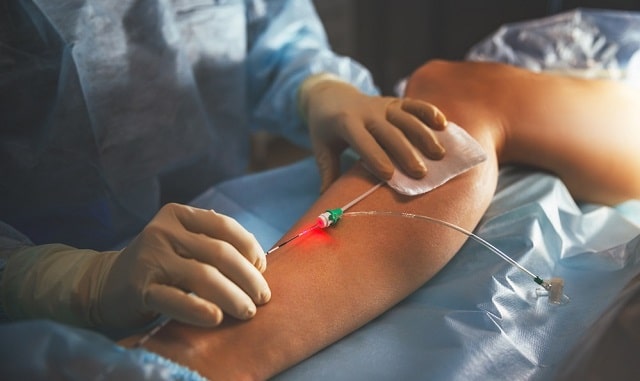
Also known as RFA for short, this procedure involves using heat to destroy the vein. Sounds pretty straightforward, right? But you should know that it's not a quick fix. Your doctor will need to treat each varicose vein several times to close the entire vessel. 

Another thing is that RFA isn't ideal for people who are obese since the procedure is performed through a catheter that's inserted into veins. RFA is also not appropriate for everyone with varicose veins, as it only works on superficial ones located near the surface of the skin. 

2. Compression Stockings 

It sounds so easy, but wearing compression stockings, or "vein support hose," can make a world of difference for people with varicose veins. 

The compression from these stockings helps to strengthen the vein walls and improve blood flow in the area. They also alleviate the pressure that may build when fluid accumulates between treatments. Compression stockings need to be worn daily - for the rest of your life. 

3. Sclerotherapy 

Another popular treatment is sclerotherapy, which involves injecting a solution into the vein to collapse it. Over time, the collapsed veins are absorbed by your body and disappear completely. The procedure typically requires only one visit to your doctor, and treatments can be spaced out months apart if needed. 

As with RFA, sclerotherapy is not typically recommended for people who are obese or pregnant. And it is also not ideal for people who have serious health problems like heart issues or diabetes since the treatment may increase the risk of blood clots. 

4. VenaSeal 

VenaSeal is one of the newer varicose vein treatments available. VenaSeal works by sealing off the vein to stop blood flow through it. The procedure itself is minimally invasive and takes about an hour. 

VenaSeal is not intended for everyone with varicose veins - particularly those who are very overweight or have a history of blood clots. It's also not recommended if you're considering pregnancy or currently pregnant. 

The good news is that many varicose vein treatments are safe for people with other medical conditions who can't risk invasive surgery, like heart problems or diabetes. 

5. Lifestyle Changes 

Of course, the best treatment of varicose vein formation is prevention. If you are looking to prevent varicose veins, there are several lifestyle changes you can make right now: 

• Exercise regularly will help strengthen your leg muscles and improve blood flow. 

• Don't cross your legs - this causes blood to pool in the vein, which increases the pressure that could lead to varicose veins. 

• Don't sit or stand for long periods - get up and walk around every hour or so, even if it is to go to the bathroom. 

Conclusion

Varicose veins can be unsightly, uncomfortable, and embarrassing. But don't worry, there are treatments available to help you regain your confidence and enjoy life again. Most of these treatments only require a few short sessions with your doctor, but the results could last for years. So if you are considering treatment options such as Radiofrequency Ablation (RFA) and sclerotherapy, see a varicose veins specialist.

Benefits Of NAD+ Supplementation For Aging And Cellular Health

nad+ supplementation aging benefits cellular health

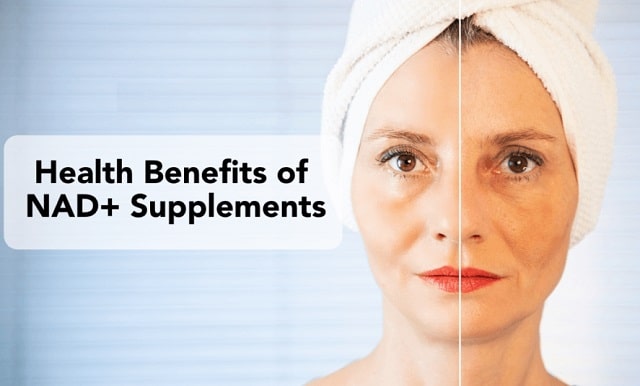
Aging is a natural process, but science and nutrition are continually finding ways to ease its impact on our bodies. One promising avenue of research is the role of Nicotinamide Adenine Dinucleotide (NAD+) in cellular health and longevity. This coenzyme is found in all living cells and plays a critical part in metabolic processes. Resources like nad.com provide comprehensive information on this coenzyme. 

While NAD+ is a critical enzyme, its levels decline with age, leading to various age-related health issues. NAD+ supplementation can potentially help replenish these declining levels, thereby supporting better health outcomes. Below, we explore the remarkable benefits of NAD+ for aging and cellular health. 

The Science Behind NAD+ Supplementation And Anti-Aging 

The connection between NAD+ and aging hinges on its ability to enhance the activity of sirtuins, which are sometimes referred to as "longevity genes". These genes protect cells from dying, regulate inflammation, and manage DNA repair—processes that are at the core of slowing down the aging process. By supplying the body with NAD+, sirtuins can perform optimally, potentially leading to a healthier, longer life. 

Studies involving NAD+ precursors have shown promising results in age-related conditions such as muscular degeneration, neurodegenerative diseases, and metabolic disorders. For example, mice supplemented with NMN demonstrated improved age-related metabolic decline and increased longevity. This has provided a scientific basis for exploring the effects of these supplements in humans. 

Clinical trials on NAD+ supplementation in humans are in progress. They evaluate not just its potential anti-aging effects but also its impact on diseases related to aging and metabolism. While the mechanism in human biology is complex, the research aims to establish a firm connection between increased NAD+ levels and improved health span. 

Improving Metabolic Functions Through NAD+ Boosting 

One of the standout features of NAD+ is its ability to support and improve metabolic functions. It is intricately involved in redox reactions, which are fundamental processes for converting food into usable energy. Improved metabolism is not just about having more energy; it also involves better regulation of blood sugar levels and reduced fat accumulation, which are important for preventing metabolic diseases. 

Enhancing NAD+ levels through supplementation has shown potential in improving insulin sensitivity and preventing metabolic abnormalities. This could be particularly beneficial to those with type 2 diabetes or other metabolic syndromes. With better cellular energy production, the body can function more optimally, supporting overall health and wellness. 

Beyond these metabolic pathways, NAD+ also influences circadian rhythms, which control sleep patterns, hormone release, and eating habits. By stabilizing these rhythms, NAD+ might help to align these functions more harmoniously, which could improve metabolism and potentially lead to healthier aging. 

NAD+ Supplementation For Enhanced Energy And Brain Health 

The search for increased vitality often leads to the realm of cellular health, where NAD+ supplementation is steadily gaining recognition. Feeling energetic is a direct result of robust cellular energy production, and with NAD+ being pivotal to this process, it forms a crucial element in addressing fatigue and low energy levels. The link between higher NAD+ levels and improved energy is one of the reasons many seek out these supplements. 

But the benefits of NAD+ go beyond just a boost in physical energy. Cognitive functions are also positively influenced, as the brain is one of the most energy-demanding organs in the body. With improved mitochondrial function, essential for cognitive processes, NAD+ can support brain health, leading to better concentration, mental clarity, and memory. 

Age-related cognitive decline is a major concern, and research suggests that NAD+ might play a role in protecting against neurodegenerative diseases. While more studies are needed to confirm these benefits in humans, the prospect of supporting brain health through NAD+ supplementation is an exciting development in neuroscience and gerontology. 

Altogether, the prospects of NAD+ supplementation present an exciting frontier in the bid to support cellular health and combat aging. With ongoing research, the hope is to refine our understanding of how to utilize this coenzyme to its full potential, offering a brighter future for those seeking to preserve vitality and well-being as the years progress.

7 Tips for Staying Healthy as You Grow Older

aging gracefully staying healthy grow older senior fitness elderly wellness

There are a number of anti-aging studies that are worth looking into. For example, there is RNA manipulation, which could reverse cellular aging and regenerate diseased tissues in older people.

Another study focused on telomeres, which is one of the hottest subjects in the anti-aging community. Telomeres, as you probably know, are caps on chromosomes. The longer your telomeres are, the longer and better your life will be. 

And there are more studies. But it may be some time before we see actual products or treatments. These will have to undergo several clinical trials, after all. The good news is, aging gracefully or at least the steps to achieve it are something you can do right now. 

Here, we will talk about 7 of the best tips you can follow for staying healthy and well as you age.


1. Aging Gracefully: It Is Within Your Control

Getting premature gray hair or wrinkles are something you can blame on your parents. But the rest is all on you. 

How you eat, respond to the stresses in your environment, and take care of your immunity all contribute to graceful (or not) aging. And these are all factors you have control over. 

So if you know, for instance, that your family has a history of hypertension or diabetes, you should be doing all you can to maintain your target blood pressure, sugar, and cholesterol levels. It may be hard at first, especially if you are not used to monitoring these things. But the more committed you are, the more you can keep the effects of aging at bay. 


2. Get Enough Sleep: A Not-So-Secret Anti-Aging Tip

Everyone needs a good night's sleep. Babies to young adults need to sleep a specific amount of hours to grow well. And older adults need at least 7 hours of shuteye for a number of reasons.

When you lack sleep, your hormones get out of whack. And that leads to a number of undesirable effects.

You crave sugary foods. You feel tired and unfocused the next day. And you lose out on the essential benefits of sleeping including recovery and repair. 

Now, if you have sleep problems such as sleep apnea or insomnia, you will need to see a doctor. You may need to take sleeping pills. But before your doctor prescribes anything, he or she will try other methods first including recommending a sleep routine or referring you to a sleep physician.


3. Age Better by Training Your Brain

Are you worried about getting Alzheimer's disease? If you have family members who have been diagnosed with dementia, you may be relieved to know that most dementias are not inherited by children and grandchildren.

But don't celebrate just yet. Even with information about medications for Alzheimer's disease and other types of dementia, you can't be lax about taking care of your brain.

And the best way to do that is to engage in activities that stimulate your mind on a regular basis. The sooner you start, the better. Learn a new instrument, sign up for an art class, or start a new hobby like blogging.

There are many methods to train your brain. You just need to keep experimenting. And don't think you have to go at it alone. 

Join group activities or find friends who'll be happy to try a new thing. This way, you'll get the benefits of social interaction and condition your mind at the same time.


4. Say Goodbye to a Sedentary Lifestyle

Take it from Jack LaLanne, who lived to the ripe old age of 96. Exercise and fitness do a body good. 

And of course, the opposite is true as well. Not being active can lead to the decline of your body. 

You've probably read about the risks of sitting too much. 

In fact, some consider it to be the new smoking. The best way to combat that is to get up and exercise. It doesn't have to be as intense as a bodybuilder's routine.

Just make sure you find an activity that gets you moving. Walking or swimming are gentle enough so they won't hurt your joints. And the more active you are, the more you decrease your risk of heart disease and other aging-related conditions.


5. Catch Some Rays

A lot of how to age well articles talk about staying away from the sun. And they have a point. But they don't tell the whole story.

Yes, some UV rays are harmful, which is why you have to be diligent about putting on sunscreen. But it doesn't mean you should shun the sun forever. 

Don't forget about vitamin D, which you can get by catching some rays for a total of 20 minutes daily. Vitamin D is essential for keeping your immune system in tip-top shape. And it can also help prevent certain types of cancers, especially bone-related ones.

Try to wake up early so you can also enjoy the fresh air. You'll want to avoid sun exposure from 10 am to 4 pm because these are the hours when UV rays are strongest. 


6. Relax and Embrace the Positives That Come with Aging

Stress will age you. And it's not only because you may turn to stress-coping mechanisms such as binge eating. When you're stressed, your body releases cortisol.

Too much of it and you get elevated blood sugar levels. High cortisol levels can also make you gain weight, put you at risk for cardiovascular problems, and suppress your immune system.

If you want to avoid all that, find ways to relax. Learn some breathing exercises or take up yoga. You can also practice meditation. 

And most important of all, don't let the thought of aging stress you out. Reaching old age is good.

As they say, with age comes wisdom. But if you don't feel that way, you can use the time to study. Learn more about yourself and the world around you. 

This is your time to pursue things you never could have done in your younger years. Take advantage of it.


7. Eat Right, Live Longer

The older you get, the more you'll have to watch your diet. Know what you're putting into your body. Read labels and stay away from anything you know isn't good for you.

We're talking sugar, alcohol, processed products, foods high in sodium, and so on. Be a fan of veggies and whole grains. And drink more water instead of soda or artificial juices. 

Train yourself to cook more meals at home. That way you don't have to worry about excess sugar and sodium. Besides restaurant servings are more than enough for one person.

But if you can't stop eating out, at least make sure to track the calories you have been consuming. And make up for it by eating healthier at home and working out.


Final Thoughts on How to Age Gracefully

There are no secrets to aging well. Aging gracefully is a matter of committing to your health goals and doing the steps to achieve them.

We have listed some tips here, which you can use as a starting point for a healthier you. But for more old age health tips, you may want to read How to Keep Up With Your Fitness Goals in Your Retired Life.

How To Assist Elderly Relative To Stay At Home

assisting elderly relative stay at home care in-house senior citizen support

Most elderly relatives want to have as much independence as possible and would like to stay at home for as long as they can. As relatives, we can help them in a number of ways, but we cannot be there for them 24/7 even if we would like to. If you have an elderly relative that is beginning to struggle, here are a few ways you can assist them to stay at home. 

In Home Care 

There are many in-home healthcare services available for those who need a little help. The cost of this will all depend on how many times a day or week that your elderly relative needs a hand. It may be that they just need help when getting in the shower or bath, and this may mean a trained healthcare assistant can visit a few times a week to help with this. Some elderly patients may need help in the morning and the evening, this is something that can be discussed with a home healthcare team and the needs of your relative can be prioritized in order to make a plan of care for them. This means if you are at work, there is no need to worry that you still haven’t been able to visit them to assist them out of bed. 

Meals 

If you have the time, making extra and setting it aside for your elderly relative can help them with their meal times. If it has come to a point where cooking is a little too much, this prevents them from eating ready meals every night. If you don’t live close, it can be difficult to ensure that your elderly relative is eating enough. In this case, you may want to consider a meal delivery service. 

Medical Equipment 

If your elderly relative is struggling with everyday life, such as getting up out of a chair or getting up the stairs, then it may be helpful to buy or rent medical equipment. Most people cannot afford to buy medical equipment outright and this is where hospital at home equipment comes in handy. They allow you to hire everything from wheelchairs to pressure care mattresses. All of this equipment can help with your loved one staying at home for as long as possible and still getting the care that they need. 

This will also help any in-home healthcare services when they come in to lend a hand. If you are unsure of the best equipment to rent out, you can also speak to an expert over the phone who will be able to recommend the best products depending on your relative’s condition. 

Aging Assistance

As our parents and loved ones get older, there is always the concern of whether they can stay in their own home or whether they need to be looked after elsewhere. The above list can be a great start in helping your relative to live an independent life for as long as they possibly can.

How To Shop For Golf Equipment On A Budget

how to shop for frugal golf equipment

Golf equipment can rapidly add up and make it an expensive hobby. While many professional players will get a professional fitting done, finding the right clubs at a discount is the best option for the beginner golfer. In time, you will know exactly what equipment you need. But, while you are still new to the game, you will need to try out different clubs to determine what suits you. 

There are numerous ways to stretch your golf allocation and find the essential items that cost less cash. This guide provides tips on how to shop for golf equipment on a budget. 

Global Shortages 

Before looking at how to get the cheapest golf equipment, it is worth mentioning that the global shortage on materials has also hit the golf market. Add to this the worldwide supply crisis and you will be prepared for some difficulty and delays in obtaining certain items. A third factor having an impact is that Covid spurred many more people (two million) to play golf, driving up demand for golfing products. Considering these items together means that you must be on your toes to find golf equipment, especially for a bargain price. 

Rental Equipment 

If you are still a novice at golf, take note that there is no shame in renting the golf equipment you need. This is particularly true when it comes to clubs, and you are still finding out which ones are right for you. Some companies allow you to pay a monthly fee to use and return golf clubs as you please. 

Buy Second-Hand Golf Equipment 

Some golf shops will give golfers a discount on new gear when they trade in their old equipment. This is good news for you because it means that used golf equipment is readily available at reasonable prices. You can also get second-hand equipment from online sites such as eBay or Amazon for frugal rates. 

Clearance Sales 

Take advantage of outlet stores having clearance sales. You can pick up some bargains at these places. All this is done online so there is no inconvenience of wading through bins. Plus, these sites usually have well-known brands although the items are earlier models. 

One-Day Deal Sites

Sign up for the mailing lists from certain deal sites so that you are primed when an item that you are looking for becomes available. Otherwise, you must remember to log in daily and could miss out. As the deals are only valid for 24 hours, you need to be ready to purchase when something suitable at a good price is online. 

Quality Online Resources 

Golf carts are subject to hard wear and tear. On the subject of golf cart parts, the item that needs the most frequent replacement is the keys. Golfers lose their golf cart keys so often that it pays to have a spare set on hand. Get the factory-made items rather than cutting a set; this is one thing you do not want to skimp on. 

Erosion of the suspension is common in the coil-over suspension, struts, shocks, and leaf springs. The age of the cart is another reason to be prepared to spend on these parts. You can improve the stability of your cart with a golf cart lift kit to increase the height of your tires beyond that standard nineteen inches. You may also need to keep an eye on your clutch, controller, solenoid, battery cables, and motor. You want to shop for golf cart parts like mufflers, brakes and shocks from an online source that has a wide range of quality parts. 

Conclusion

If you follow these tips, you need not pay an arm and a leg for reasonably priced golf equipment. Golfing should be fun and not a hobby that breaks the bank.

3 Ways To Plan For A Fulfilling Retirement

how to plan healthy fulfilling retirement

It is an amazing feeling to wake up each day without any boss telling you what to do. This is a level of freedom that most retired people have trouble even knowing what to do with when it all hits immediately. 

But, as shocking as it might sound, not ever retiree adjusts perfectly to retirement. It can be a difficult transition and that's only made harder if you fail to take care of the few actual responsibilities you now face. Mainly, what recent retirees should concentrate on is enjoying yourself and finding a way to live a fulfilling and satisfying life without work. 

Really, it will be easy if you just focus on a few key areas. Stay active, stay connected, and stay covered, and everything else will fall right into place. 

1. Staying Active 

While most people are happy to leave their working days in the past, it can cut down on your activity. How much this changes ultimately depends upon the person. If you sat stagnant in an office job all your life, you may actually be able to ramp up your physical activity just through some wood shop projects, gardening, or other hobbies. 

But other people who are more prone to sitting around the house will need to make plans to stay active. This is one reason that low-impact sports — like golf, tennis, yoga, and swimming — are so popular among the senior set. 

Whether you need to sign up for a group program or can keep yourself going individually, don’t lose sight of your need to get out there and move a little. Some time relaxing will do you a ton of good. But it’s easy to make this too much of a good thing and start to wither away if you’re not careful. 

2. Staying Connected 

Just like you need to keep your joints and muscles active, you may need to find new ways to stay social as well. For many of us, especially as our kids grow up and start families of their own, we start to rely on our workplace for social connections. This is great — unless you lose it all and fail to maintain contact with the people you once saw every day. 

Find ways to keep up with those you are leaving at the job. Or, better still, add to your network by joining new clubs, engaging in new groups, and otherwise reaching out to people in your community. Maybe you can volunteer or turn a hobby you never made time for into a whole new social network. 

No matter what, however, don’t just isolate and become a hermit. These retirement years can be the best of your life. But it’s hard to truly enjoy them if you aren’t sharing this time with others. 

3. Staying Covered 

While retirement is a great reason to celebrate, one downside many face when getting older is their health. Hopefully, you will be blessed for decades to come, but even those who are fit as a fiddle need to have good, comprehensive healthcare coverage to protect them in their later years. 

Medicare is the best solution for most people, and it is an exceptional federal program that works great for millions of seniors. But in addition to the basic plan you receive through enrollment, there are better options. 

These days, most people opt to supplement their plan with a Medicare Advantage plan, which can add broader Medicare Part C and Medicare Part D coverage. Beyond the wider network of doctors and specialists, this will give you coverage for a whole range of prescription drugs. 

Enjoying Your Retirement Years 

The world truly is your oyster now during your retirement. What will you do with it? Really, your biggest responsibly is making sure you enjoy it properly. While that shouldn’t be a major problem, you do need to focus on a few areas to do it best. 

Retirement isn't for the birds and retiring doesn't mean sitting around or moving into an old folks home! Stay active through activities you love, stay connected with social networks of people you like spending time with, and stay covered for any health problems that might arise in your later years. 

If you just take care of these areas, everything else will mostly fall into place. You will be able to live great throughout your golden years and start enjoying this well deserved time off that you’ve earned.

Living With Osteoporosis: How To Manage Your Condition

living with osteoporosis manage low bone density avoid health problems

Osteoporosis is a condition characterized by bone deterioration, brittleness, and fragility because of low bone density and loss of bone tissue. If you have been diagnosed with this condition, it is imperative that you make lifestyle changes to slow down its progression and prevent fractures. You may be required to take certain medications for bone strength. Also, you may need vitamin D and calcium supplements if your diet does not give you enough of these. If you suffer from vertebral compression fracture due to osteoporosis, you may be a candidate for surgeries like vertebroplasty and kyphoplasty. Keep reading to find out more about how you can live with and manage osteoporosis: 

Getting Treatment 

Some drugs such as antiresorptive medications can slow bone breakdown. They include hormone therapy and bisphosphonates. Your doctor may also prescribe anabolic medications to promote bone formation. You can discuss with your doctor how to best approach your condition based on your estimated fracture risk, bone mineral density, other medical conditions, and lifestyle. 

Making Lifestyle Changes 

If you are suffering from osteoporosis, you may need to make lifestyle changes such as quitting smoking, minimizing your alcohol consumption, and consuming a healthy diet with lots of calcium-rich foods like dairy products. Also, it is important to perform a weight-bearing exercise for at least thirty minutes every day. Getting some sun every day can also boost your vitamin D level. 

Although a range of nutrients can help strengthen your hones, calcium and vitamin D are particularly essential. A lack of sufficient calcium levels in the body can contribute to osteoporosis. Studies reveal that low calcium intake is associated with low bone mass, high fracture rates, and rapid bone loss. 

Meanwhile, vitamin D helps with the absorption of calcium from food and supplements. It helps the muscles in your body move since it is required by your nerves to carry messages from the body to the brain. Also, vitamin D is important for your immune system to fight against viruses and bacteria. Although you can naturally get vitamin D from the sunlight, you can also get it from food sources such as egg yolks, liver, and saltwater fish. 

Preventing Falls 

If you have osteoporosis, you must minimize your risk of falls. A fracture can lead to another fracture. To prevent a fall, have your medicines reviewed by your doctor because some of them can make you drowsy or dizzy. Also, it may be important to have your eyesight checked, so you do not trip over or bump into objects. Other tips include avoiding high heels, using a walking stick if you tend to walk unsteadily, or using hip protectors. 

You can have an occupational therapist evaluate your home to know the changes that must be made to prevent a fall. Always keep your house well-lit and get rid of any loose wires and cords you may trip over, especially if you are a senior citizen

Getting Support 

You may be able to get reassurance from your doctor. Also, consider talking to a counselor or psychologist or anyone at a specialist helpline. It may help you manage your condition when you can speak with others who also suffer from osteoporosis.

5 Ways To Help Your Hearing With Allergy Prevention

ways help hearing allergy prevention

When we think of allergies, we usually think of runny noses, tear-filled eyes, and scratchy throats. But allergies can also interfere with your hearing. Sometimes, allergies only cause hearing problems when an offending allergen gets inside your ear canal. So, how can you tell that a hearing problem is really an allergy problem? 

Ear allergies can make conversations sound muffled. Your ears may feel clogged. You may not hear the phone ring or wonder where the birds have gone from your backyard. 

It is always best to get checked out by your audiologist at Harbor Audiology to know for sure, but an additional, reliable symptom of allergy-generated hearing problems is bubbling, stuffiness, or popping in your ear. There are causes of these symptoms besides just allergies, and you can't go wrong by going to your Harbor Audiology specialist for a precise diagnosis, but they are a sign that clearing up or preventing allergies will also relieve your hearing issues. 

Here are 5 ways anyone can take to treat or prevent allergies. 

1. Take An Antihistamine 

Allergies occur after part of the immune system known as a mast cell bursts and releases an irritant chemical called histamine. In turn, histamine works with nearby tissues to remove the substance that triggered the allergic reaction. 

Histamine makes nerves send itch signals, so you will do your best to get rid of the allergen. It makes tissues swell up around the allergen to isolate it. It triggers the generation of tears, mucus, and phlegm to carry the allergen away. 

Stop the histamine, and you stop the allergic reactions it causes. You counteract a histamine with an antihistamine. 

The problem with old-style antihistamines like Benadryl is that in the process of blocking the nerve impulses that cause itching, wheezing, sneezing, and inflammation, they can also put you to sleep. Modern antihistamines don't have this side effect. However, there is another way to fight histamine release. 

2. Eat Your Fruits And Veggies 

Quercetin is a natural antihistamine. It is an antioxidant chemical plants produce to repair sun damage and tissues bitten by bugs. It acts on mast cells more or less the same way as a drug called cromolyn sodium, the active ingredient in NasalCrom. If NasalCrom works on your allergy symptoms, eating more fruits and vegetables will help, too. 

Some plant foods contain a lot more quercetin than others. It is especially abundant in capers, dill, cilantro, red onions, radishes, kale, cranberries, lingonberries, and black plums. It is also concentrated in apple peels. A Scottish study found that eating as few fruits and vegetables as one apple a week made a significant difference in allergy symptoms. But one or two servings of the previously mentioned fruits and vegetables every day is much better. 

3. If You Wear Hearing Aids, Keep Them Clean And Dry 

When you wear hearing aids, and you seem to have allergies in your ears that don't bother you in other ways, the problem could be keeping your hearing aids clean and dry. 

A damp hearing aid provides a platform that fungi can use to grow and feed on the debris that accumulates in the ear canal. This happens in about 20 percent of people who use hearing aids. You can have an allergic reaction to the fungus, or you can develop a fungal infection of the ear canal, or both. 

Another problem is storing your hearing aids without cleaning them, especially in pollen season. Make a habit of using the cleaning kit your audiologist recommends every day. This way, pollen, fungi, bacteria, and ear canal debris won't accumulate on your hearing aids. 

4. Sleep With Your Windows Closed During Your Allergy Season 

Sleeping with your windows open on a cool, crisp spring and (if you are fortunate to live where this is possible) summer night feels great—unless you wake up with stuffy ears and a runny nose. 

If you have ear allergies, it is best to sleep with your windows closed. Many trees and grasses release their pollen around 4 in the morning. Open windows let pollen drift in, getting inside your ears and nose, sticking to your pillows and bed linens. 

This one change can make a huge difference in allergy symptoms. But it is not the only thing you can do to reduce your exposure to the allergens that cause impaired hearing, itchy eyes, sneezing, wheezing, and asthma attacks. 

5. Make Your Home And Car As Allergy-Free As Possible 

Your vacuum cleaner is your friend when you want to prevent allergies. Vacuuming carpets, upholstery, drapes, and blinds, and dusting your furniture, ceiling fans, and lampshades every week reduce the number of allergens that cause hearing and breathing issues. 

Other helpful habits include: 

• Most people will keep their pets even if they cause allergies. But vacuum up their hair and dander regularly. 

• Comb long-haired pets once or twice a week. Do this outdoors so you won't be adding allergens to indoor air. 

• Use a HEPA air filter in rooms where you spend the most time, such as your bedroom or your relaxation area. 

• Choose laminate, tile, or wooden floors over carpets. 

Helping Hearing And Avoiding Allergies

These five easy steps will reduce allergy-related hearing problems but getting the problem under control often requires professional help. Your Harbor Audiology can confirm that allergies really are the cause of your hearing issues, and whether you could have another treatable issue in addition to them. You will get better faster with an accurate diagnosis and professional medical treatment.

All About Female Dryness Symptoms And Treatments

what female dryness says about health vaginal wellness

There are a variety of female health issues that many women face during their lives such as vaginal dryness. Vaginal dryness occurs when there is a lack of lubrication in the vagina. The dryness causes pain during sexual lovemaking and other discomforts. This is a common condition in women and can affect any woman. During menopause especially, vaginal dryness is a common occurrence. Vaginal lubrication usually consists of fluid that comes through the walls of the blood vessels around the vagina. Blood flows to the pelvic organs when one is sexually aroused and this creates lubrication. Vaginal dryness symptoms may be in the form of dryness, burning sensation, itching, irritation, soreness, and pain during intercourse. 

Many factors can be responsible for this condition like: 

1. Hormones: Low levels of estrogen hormone in the body can cause lack of lubrication in the vagina. This commonly occurs during menopause. 

2. Douching: Cleansing the vagina disturbs the balance present in the vagina and causes inflammation which can cause dryness. 

3. Vaginal bacterial infection: Bacterial infection in vagina too can cause this condition. 

4. Medications: Certain medications used in treatments of cancer, ulcer and allergies can cause dryness. 

5. Sexually transmitted diseases: Sexually transmitted diseases can be responsible for this condition also. 

6. Tumor: Tumors which are cancerous or non cancerous can result in conditions of vaginal dryness. 

7. Immune disorders. 

8. Breastfeeding. 

The doctor may perform a pelvic examination, pap test or urine test to diagnose the vaginal dryness condition. For the treatment of this, topical estrogen are effective than oral estrogen. Vaginal estrogen therapy may be in forms of vaginal estrogen cream which can be inserted into the vagina, vaginal ring which is inserted into the vagina by the doctor or vaginal tablet which is placed inside the vagina. Other kinds of treatments available are patches, estrogen pills or gels depending on the cause.

Vaginal infections are also known as vaginitis which is an inflammation of the vagina that results in itching, discharge and irritation. When the natural balance of the environment in the vagina is disturbed due to various factors, infection occurs. Some of the infections are transmitted sexually or due to hormonal changes. The kinds of vaginal infections are bacterial vaginosis, vaginal yeast infection and trichomoniasis and can be made worse by vaginal dryness

Some of the symptoms of female dryness or vaginal infections are itching, burning, discharge, foul odor and pain. Bacterial vaginosis can cause discharge to be white with unpleasant odor. Yeast infection can cause thick white discharge with itching. Trichomoniasis results in a frothy discharge which causes irritation and itching. The cause of these infections depends on the type of infection one has. Bacterial vaginosis is due to the overgrowth of the microorganisms in the vagina. If the bad bacteria outgrow the good bacteria, it disrupts the balance and causes an infection. 

Yeast infections occur when the overgrowth of fungal organisms take places. Yeast infections can result from hormonal changes, antibiotic or uncontrolled diabetes. Trichomoniasis is a sexually transmitted infection caused by a trichomonas vaginalis parasite. Other causes of vaginal infection can be the perfumed products used near the vagina, allergic reactions and spermicidal products. The treatment for bacterial vaginosis may be metronidazole tablets, gel for application or cream. 

Yeast infections are treated with anti fungal cream, suppository or medications. Trichomoniasis may be treated with metronidazole or tinidazole tablets. Vaginal atrophy can be cured with estrogen creams, rings and tablets. For treating noninfectious vaginitis, avoid usage of perfumed products, soaps and new laundry detergents. To prevent vaginal infections, avoid douching, avoid irritants, avoid hot baths and wear cotton underwear.

There are many women who never had satisfactory lovemaking experience or who say they can live without it, throughout their lives due to female dryness. Many women in partnership do not find it exciting at all. This can happen due to poor level of secretion of androgens in body. Women who have appropriate level of secretion of androgen feel energetic and they have the passion to get into the act. 

Female dryness treatments like Vigorelle Gel is a herbal product for vaginal dryness which contains ingredients e.g. L-Arginine HCL, Vitamin A, C, B-Complex and E and herbs - Damiana leaf, Gingko biloba, Suma root, peppermint leaf, Motherwort, wild yam etc., that nourishes the organ to enhance lubrication of a dry vagina

1. The herb Suma root is a great herbal product for vaginal dryness that is commonly used for balancing the flow of estrogen and androgen in the body. The regular use of the herb regulates the secretion of these two very important chemicals in the body responsible for regulating desire, passion and libido in women. This component also helps in flow of fluid to the genitals for high lubrication and satisfaction. 

2. Motherwort reduces emotional blocks and improves emotional condition as it is effective in reducing stress like condition. It is very effective in women who get anxious as they are approached by their partner. 

3. Ginkgo biloba improves the blood flow to the genitals which happen as the blood vessels get dilated and allow blood in. 

4. Wild yam restores power in the reproductive organs. 

5. Damiana leaf is aphrodisiac and it increases libido. The problem of dryness can happen to women of any age and it can be due to a range of lifestyle factors, genetic conditions or environmental factors. As more and more women face difficulties and feel discontentment in conjugal relation, the problem requires a dependable cure which can be provided by natural products. 

Researchers have admitted that a minor change in estrogen level in female body can have great impact on the desire and participation in lovemaking, and the minor increase in level of estrogen or androgen can be brought by the use of herbs. Alternative herbal product for vaginal dryness such as Vigorelle Gel can reduce the symptoms and side effects of dryness, and help women get more enjoyment in conjugal life.

There are various natural remedies which can be effective. Water must be taken at a huge amount to keep the body hydrated. Reduction in water level causes several health disorders. Surroundings need to be checked thoroughly before going with some new products. Bathing toilet, tissue papers, and contraceptive pills needs to be recommended from a doctor. Intake of vitamins, calcium, and iron tablets should be increased. There are various foams and chemical gels which can prevent the infections. Flaxseeds and oil must be taken at regular rate to keep the area lubricated for menopausal women

Overall these tips and your doctor's final recommendation are the key to treating female dryness and other vaginal issues.

New Frugal Finance Blog Posts & Articles