Showing posts with label Athletes. Show all posts

Tips To Prevent Sports Injuries

how to prevent sports injuries treat athletic injury

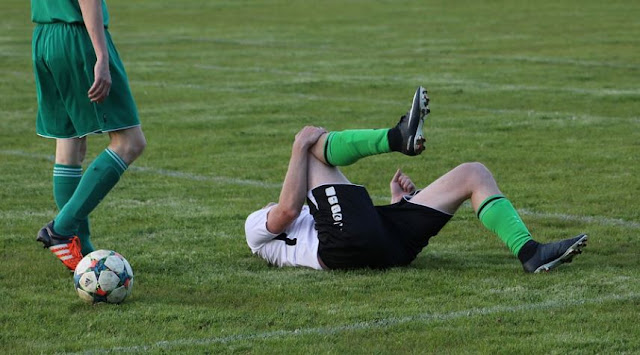
Popular sports in Westfield include basketball, soccer, and tennis. Even though they are great sporting options to pass time and stay healthy, there is a real risk of injury. Even though most injuries happen while playing sports, they may also happen when training. Fortunately, Westfield sports injuries do not need to keep you from enjoying your favorite sport. The following are a few tips to prevent injuries: 

1. Safety Equipment 

Even though using the appropriate safety equipment and clothing does not guarantee that you cannot be injured, it lowers the chances. Wear safety equipment to protect your chest, knees, shoulders, and shin. You may need faceguards, helmets, pads, or eyewear. Pay attention to the existing rules and regulations. They are set in place to minimize the risk of injury. 

2. Rest 

You do not need to train or play every day of the week. Take at least one day off to relax and heal your muscles. Athletes should rest for at least one month in the year. Resting after a period of playing or training makes it possible for your body to recover. 

3. Stretch And Warm-Up 

Set some time off to stretch before exercising. Consider jogging or doing a light activity for a minimum of ten minutes before you get into your regular training. Do not start playing before stretching your muscles. Stretching relieves muscle tension. It warns you and promotes flexibility. 

4. Hydrate 

Dehydration is a common effect of engaging in sports. Drink water before and after exercise to reduce your risk of dehydration. Take water breaks after every 15-20 minutes of activity. The hydration you need depends on your level of activity. 

5. Set Realistic Goals 

While it is important to push yourself during exercise, ensure that your goals are safe and attainable. Pushing yourself too hard may trigger injuries. Whether you hope to swim more laps, lift heavier weights, or run a specified distance, you should work gradually to achieve it. 

6. Take Your Time 

Patience is the key to avoiding sports injuries. Do not push yourself too hard too fast. Learning a new sport and excelling at it takes time. Allow enough time to increase your training levels. When your body has time to adjust, you are unlikely to get injured. 

7. Do Not Push Through The Pain 

Listening to your body may help you minimize injuries. If your body is showing any signs of stress, you need to adjust your level of activity. Even though minor and short-lived pain are good, you may need to seek help or cut back if it persists for long. Joint pain is always a sign of trouble. 

Conclusion

In conclusion, sports injuries may be a result of trauma or overuse. Even though they are mostly obvious, they can be subtle and difficult to detect. If left untreated, the injuries may affect your general well-being and ability to play. Simple ways to prevent the injuries include listening to your body, setting realistic goals, drinking plenty of water, and using the appropriate safety equipment.

CBD For Sports Enthusiasts With Muscle Pain

cbd for sports enthusiasts muscle pain treatment athletes

A common issue for those who train consistently is muscle soreness post-workout. It is well known when you put your muscles through intense strain; they endure microscopic tears. These create inflammation bringing muscle fatigue and soreness. It is too much for some athletes to endure to reach their gains with some giving up. Others are of the mindset, 'no pain, no gain.' 

Growing attention in the fitness community is placed on the original source, the all-natural CBD oil or cannabidiol supplement. Claims have long existed surrounding CBD's pain-reducing and anti-inflammatory properties. 

Because of this, people find that after exercising, the compound can help to relax the soreness. There is some debate over which application is most useful for the pain and fatigue. Some claim salve infused with the substance directly applied to the affected spot is most beneficial. 

Can CBD Provide Benefits As A Supplement 

It is becoming a trend among those who work out with cannabidiol, or CBD found in virtually everything imaginable, including health drinks. It has made its mark on the medical community with properties that claim to help reduce symptoms associated with certain conditions. 

It seems, though, it may potentially be serviceable as a dietary supplement for the sporting world. The all-natural product claims to offer better recovery and accomplish growth as a supplement. If it has this capacity, it would be much safer than some harmful substances the sporting world uses to achieve this, including NSAIDs, SARMs, and dangerous steroids. Read how the cannabidiol assists with tension in the muscles below. 

How Does CBD Help With Muscle Building? 

The body produces catabolic hormones responsible for breaking down muscle tissue. The goal for many in the sporting industry is to build mass and increase tone, meaning they need to reduce these hormone levels, including cortisol. An excess of this substance is usually the culprit for seeing no results, even with regular workouts. 

As you sleep and are at your most relaxed point, cortisol is at its minimum, allowing muscle's tissue to build through protein synthesis. With CBD, a person is more comfortable and better able to achieve REM sleep, putting the level of cortisol at its lowest point. In technicality, CBD plays a hand in the growth of muscles. 

Legalities Of CBD In The Competitive Sporting World 

The World Anti-Doping Agency has strict guidelines on what the athletes can use to assist with their regimens. Most drugs are prohibited, including THC or tetrahydrocannabinol, which is the cousin of CBD. It is a psychoactive compound responsible for the high associated with marijuana. CBD is permitted. 

The primary resource for CBD is the hemp plant providing little to no level of THC. Hemp was removed from the federal drug schedules recently, causing CBD to surge in popularity. It is worth noting that athletes need to take care of the products that they choose to use and where they obtain them. 

Some suppliers may provide products with low levels of THC, which would pass WADA required drug screenings. But, depending on the source of the compound, there may be higher levels of the psychoactive, causing a failed test and subsequent consequences. 

The compound is legal in all 50 states due to the Farm Bill. The bill signed into law states cultivation for any use, including producing and extracting CBD, and distributing of industrial hemp is legal. Ensuring that you receive a legitimate product is your responsibility.

Is Playing Professional Sports Risky?

match fitness

When the body says “It’s enough” and the coach asks for more - top athletes must decide whether they want to push their physiological capabilities to the limits and become disabled after the end of their careers, or not. 

Whenever we find out about the decision of a professional athlete that he/she finished his/her sports career on the threshold of the age of 30, we are very surprised because it’s considered that they did it too early, at the very peak of their abilities, while they were match fit. 

Cricket player Kevin Pietersen, who played 275 internationals for England, leaves no doubt regarding when athletes can still be sure they got what it takes to compete on a high level, and recently told Betway the following: 

“I was always asking myself a series of questions: How do I feel in training? Have I got the ability to defend the best ball that a bowler could run into a bowl at me when I walk out into the middle? Or have I not? If so, where do I need to focus my attention?”

However, everything becomes clear when it’s learned that in recent seasons athletes have spent more time on scanners and stethoscopes than with the ball. Injuries followed one another, whether it was an ankle, a knee, abdominal surgery, or some of the many other misfortunes that contributed to a certain great athlete saying goodbye to sports fields much earlier than he or she should have. 

When Too Early Is Actually On Time 

It may be too early but is still on time, because these athletes manage to avoid the fate of some of their colleagues, including those who were forced to visit hospitals and rehabilitation centers regularly, and even to “hang out” with crutches and wheelchair. 

Frequent injuries of those athletes, who don’t recognize that it’s time for the end, can prevent them from continuing to do some other job after a successful career and thus, ensure their existence. 

Playing top sports, whose requirements exceed the physiological capabilities of the organism, especially in modern times, usually represents walking on the edge of a knife. Most experts agree that the human body isn’t able to respond to the challenges, especially nowadays, when athletes are expected to be in top shape all the time and when competition seasons last longer and training becomes harder and more demanding. 

For example, the top results of athletes who built their careers during the 70s and 80s of the last century would be only within the limits of the average today. We can only assume what their current colleagues will face, athletes who have much greater efforts and expectations before them. What will their body and organism look like when one day they end their careers and reach more mature years? 

What Happens When Athletes Are Carried Away By Glory? 

Sport has long been turned into an ordinary display of strength. Everything is so commercialized and there’s so much insistence on better results that athletes have turned into a kind of modern gladiators, who spend most of their youth in gyms and sports halls. 

Sport has ceased to be recreation and entertainment but has become hard physical work, which requires a lot of knowledge and skills, mostly shed sweat. The burdens are so great that it’s illusory to expect that all this could pass without any consequences. 

Athletes themselves have also contributed to that because, carried away by the glory that has illuminated them or is yet to happen to them, consciously or not, they often cross the limits of their own possibilities. And what consequences remain is best seen by the fact that most of them become empty personalities after retirement. 

Most miss the opportunity to prepare in time for the end of an active sports career, which is an act traumatic enough itself. Until yesterday, they were celebrated and praised, sometimes they believe that they are special in everything, and then they face the truth that they were interesting and important only while they were competing. After that, many don’t even know what to do with themselves, fall into lethargy and depression, and even, in some situations, think about suicide. 

The only way to prevent that is to start thinking about it in time, to prepare and face reality two or three years earlier, that is, to find some purpose for their later existence in life outside of sports arenas. 

The fact is, however, that no one cares about retired athletes and that their fate, as a rule, takes place far from the public eye. No one has yet launched an initiative to monitor the health status of athletes after the active termination of their careers. These results would be of great importance for those who still play sports. That should be in everyone’s interest, right?

5 Exercises For A More Athletic Body


We all want to be complimented on our figure and strength. While women are still considered to be the weaker sex, there are plenty of endurance athletes who happen to be female. If your fitness and wellness goals include getting a six pack and noticeable muscles, instead of simply building lean mass, you can try some of these exercises that will not only make you look great in a little black dress, but also a bikini. 

1. HIIT 

The fastest and easiest way of building muscle mass is endurance training. You will not only strengthen your heart and your lungs, but also focus on the different muscle areas you would like to develop. You can spend half an hour or an hour three times a week doing high intensity interval training and achieve better results than with most gym workouts. Make sure that you are comfortable with the level of exercise and chip away from the routine if you are in pain in the beginning. 

2. Weight Lifting

A fun and challenging exercise for men and women, weight lifting is best practiced under the supervision of a qualified instructor. You want to make sure that you get your balance and posture right during weighted resistance training, or you might injure yourself, not being able to complete your program and feeling helpless. 

If you are thinking about taking this sport on, be sure to invest in protective clothing and good non-slip shoes. 

3. Kickboxing 

In case you haven’t tried this fun form of exercise yet, you should. Kickboxing classes don’t only help you manage stress but also develop arm and shoulder muscles, improve your balance, and tone up your abs and legs. It is intense, competitive, and a great way to socialize. You can finally say goodbye to the bingo wings, and men can’t mock you any more about them. 

4. Cycling 

If you are looking to work on your leg and hip muscles, as well as your abs, cycling can be much more fun than the exercise bike at home or at the gym. You can take on cycling when commuting to work, invest in a mountain bike to tackle challenging terrains, or simply go for a ride every weekend. You will improve your endurance and get closer to nature at the same time. 

Tennis

You must have already admired the muscular body of professional tennis players. They are not exactly ripped, but all female athletes look great in a swimming suit and a little black dress. You can do this form of exercise alone or combine it with one of the muscle building workouts to get long, lean muscles as well as strong abs. 

If you would like to achieve your body goals and get fit in the process, you will want to choose workouts that will help you get into shape. Whether you want visible abs or the lean muscles of a tennis player or yoga instructor, you can find the right program. Train your body and mind, find a way to exercise outdoors, and say hello to the new you in the mirror soon.


I hope you enjoyed this article about how to earn an athletic physique with sport practice and exercises on a frugal budget.

Interested in more articles about frugal sport specific training? 

Read My Posts:

- 4 Sports & Fit Hobbies To Keep You In Shape Year Round

- Can Pickle Juice Help Athletes Reduce Cramps?

Stay Frugal & Fit My Friends!

Frugal Fitness

Read More Free Articles Below

5 Types Of Sports Injuries You Should Know About

most common types of sports injuries

The topic of sports injuries is vital for all athletes, whether you are a weekend warrior or an elite athlete. Some people might think that they don't need to strengthen their bodies because they are not professional athletes, but that is not true. Even if you are playing for fun, it's essential to keep your body healthy and strong to reduce injury risk. Sports injuries can occur at any time, whether during a game, training, or sport-specific exercise. This means that all athletes need to be prepared for damages. This article covers the 5 most common injuries an Austin sports injuries specialist can help address. 

1. Hamstring Strains 

The hamstrings are made up of 3 muscles semimembranosus, semitendinosus, and biceps femoris. These muscles extend from the back of the knee to the bottom of your pelvis. When these muscles become tight or weak, you might experience pain in the back of your thigh or lower back. This is called a hamstring strain, and it happens when one of the muscles in your hamstring is stretched or torn. It's widespread for athletes to get a hamstring strain, mainly if you're involved in sports that involve explosive movements like sprinting, jumping, and changing direction quickly. 

2. Sprained Ankles 

Ankle sprains are one of the most common types of sports injuries. An ankle sprain is an injury to the ligaments surrounding your ankle. The severity of the damage can vary depending on how many ligaments are injured and how badly they are injured. If you have a mild ankle sprain, it might only be painful, but if your ankle rolls badly, it can cause damage to the ligaments and lead to ankle joint instability or 'giving way.' 

3. Tendinopathy 

Tendinopathy is an injury caused by overuse. It usually occurs in a tendon near a joint. The most common tendinopathies are Achilles tendinopathy, patella tendinopathy, shoulder tendinopathy, and rotator cuff tendinopathies. Tendinopathies result from repetitive or prolonged stress on the tendon that damages or weakens it. 

4. ACL Rupture 

ACL stands for the anterior cruciate ligament. Sometimes this ligament can rupture if you put too much pressure on it, hyperextend your knee, or do something that requires a rapid movement of the knee. ACL ruptures are common in sports with pivoting and sudden changes in direction like soccer, basketball, tennis, and football and they can also occur simultaneously along with Mensicus, LCL, and/or MCL tears in severe injuries. 

5. Ruptured Discs 

A ruptured disc can be a very severe and painful injury. The discs cushion the spine's vertebrae are made up of an inner soft, gel-like center and an outer ring of cartilage. If you put too much pressure on your back, it can cause one or more of these discs to rupture. This happens when the gel-like center leaks out and puts too much pressure on surrounding nerves, which can cause a lot of pain in your lower back or legs. 

Sport Injury Summation

In summary, sports injuries are common among athletes and people in professions with high physical activity levels. The most common sports injuries are hamstring strains, sprained ankles, and tendinopathy. Ruptured discs and ACL tears have also become increasingly common. If you have suffered a sports injury, you need to see a sports medicine doctor for treatment and rehabilitation.

Effects Of Compression Stockings During Fitness

effects of compression stockings during fitness athletic socks benefits

Can compression clothing help you and how does it work? In addition to all the technical gadgets, compression garments have been the most important innovation for athletes for a few years now. But the evidence for this is meager. 

During exercise, the tight fabrics of compression garments prevent your muscles from swaying too much around your legs and joints. But don't they actually limit muscle function? No, it is important to support it with pressure in the right place. 

From science, however, we are mainly presented with favorable effects regarding the recovery afterwards. In addition, you only put on the compression clothing after your effort, in order to recover faster. 

Research On Compression 

In a study in New Zealand, using compression and placebo stockings for the entire leg (a 24-hour period), recovery was found to be so good that a 40-kilometer time trial was completed 1.2 percent faster. Not bad. 

In another study using compression socks or compression stockings (and a placebo), a strength test was performed on the upper arm and thigh. It was also found that parameters that can say something about your recovery, showed better values. However, the leg muscles did not recover as quickly as the arm muscles. 

General Effects From Compression Stockings 

He does, however, point to the general effects in the elderly, for example, where proteins leak out of the bloodstream and the fluid accumulation is exacerbated. Compression (by means of compression stockings) improves blood circulation and reduces the complaints. Last year a large overview article was published about this. 

Herzog sees the same effect in runners: 'The accumulation of fluid as a result of the strong acidification after you go (too) deep also disrupts the microcirculation. The walls of the capillary become permeable to (larger) protein molecules. Those larger proteins leak out and disrupt the balance, absorption and filtration. The result is even more moisture in the intercellular space, a greater disruption of the processes, less oxygen and sugars to the muscles and a reduced discharge of carbon dioxide and other waste slag from the combustion process, Stox Energy said. 

Performance Support 

A previous study on the effect of compression stockings while running to exhaustion on a treadmill did not find beneficial results for your performance. Experience in other sports shows that compression clothing can limit the nagging muscle soreness of a day after your training and accelerate your physical progress. It is essential to start the compression (of individually fitted stockings) as soon as possible after your effort. to start. Put the socks on immediately after showering and keep them on for at least an hour for best results. 

Compression Socks And Stockings For Runners

These athletic garments can help runners as well depending on their goals. Significant weight gain is often measured when runners train significantly less per week. Do you want to stay in better running shape? Recovery is important, but pick up your schedule after a few days unless you are dealing with injury or burnout. We understand that it is sometimes difficult to find motivation, so check out more of our Frugal Fitness articles on this site.

6 Fun And Easy Sports To Help You Stay Active Despite Your Busy Schedule

fun easy sports help stay active healthy athletic activities

Between working long hours and going home to take care of your family, getting time for daily workouts eventually becomes less and less of a priority. It is in times like this when you feel like you're running out of time that picking up a sport or two becomes more important than ever. 

Incorporating a sport into your busy schedule might feel like a chore, but getting as little as 20 minutes of physical activity that isn't work-related can drastically improve your mindset, mood, and overall well-being. Get more info here on sports such as Pickleball that will help you stay active no matter how busy you are. 

What Is The Significance Of Playing Sports 

Playing sports is often considered a recreational pass time, and therefore its importance to our health is often overlooked. The following are benefits of actively participating in sports: 

1. Improved Mental Health 

According to a report issued by The Public Health Agency, being active and participating in sports promotes good mental health through; enhancing your sense of well-being, combating negative emotions, protecting against depression, improving your mood, and reducing anxiety. 

2. Reduced Stress Levels 

Being physically active allows your mind to unplug from the daily strains and stress of life. Physical sports reduce the level of stress hormones in your body while simultaneously promoting the release of endorphins. Endorphins provide your body with more energy and improve your focus. 

3. Better Sleep 

Sports and exercise trigger chemicals in the brain that can make you feel happier and more relaxed. Team sports give you a chance to unwind and improve your fitness. Playing outdoor sports gives you access to fresh air, which is said to stimulate a good night's sleep. 

4. Increased Confidence 

Through working towards seasonal goals and training frequently, you can build both your abilities and level of confidence. Small and constant achievements throughout the year facilitate personal confidence, which then gives you the ability to take on new assignments and projects at your workplace with newfound confidence. 

Which Sports Can Help You Stay Active Regardless Of A Busy Schedule

1. Tennis 

Tennis is a sport that can be played in any season, especially if you can find an indoor tennis court near you. Nevertheless, playing tennis outdoors is advisable since it gives you the opportunity to participate in a little friendly competition. Spending even 30 minutes on the court will help you realize just how much of an amazing workout tennis really is. 

2. Disc Golf 

Disc golf, which is also known as frisbee golf, is a combination of golf and frisbee to create an extremely fun sport. Depending on where you live, you might find a park where the course is already set up, but if not, you can try improvising and create your own, which won't be that hard to do. 

3. Swimming 

If you can not stand the idea of sweating it out, then swimming is a great way to get active. Exercising through swimming is best practiced more often on a scorching summer day since it will also help your body cool off. 

fun easy sports stay active keep moving sporty health

4. Pickleball

Pickleball is a sport that combines the elements of; tennis, table tennis, and badminton. This paddle ball sport is similar to a racquet sport and only requires two to four players. 

All you would need to play this sport are solid paddles made of wood or composite material, a perforated polymer ball, and a court. Additionally, pickleball rules are easy to learn and follow. 

5. Running 

Running is probably one of the most accessible sports. All you would need for this sport is a good pair of running shoes, and you are set. Running doesn't have any rules unless you are participating in track or field races. 

Running helps you keep your body fit and your heart healthy. It is also an excellent way to get out and explore the outdoors, either alone or with a running buddy. 

6. Baseball 

Baseball is amongst the oldest and most popular sports there is, especially in the United States. A simple baseball and a baseball bat are all that you would require to play this thrilling and easy game. 

At first, the rules of playing baseball might seem a little hard to grasp, but once you get the hang of it, you will really enjoy the sport. Baseball is a great sport to play with friends or family and is equally fun to watch. 

Bottom Line On Staying Active With Sports

Maintaining an active lifestyle should be one of your top priorities in life. You only stand to be the type of person who is good at their job through taking better care of yourself. Work and other responsibilities can get in the way of you exercising regularly, but you can't afford not to since it is integral to sustained success.

Why You Need A Sports Physician For Sports-Related Injuries

why need sports physician sports medicine injuries doctor specialist

Sports injuries can leave a dent in your health which specialists can only treat. Sports doctors get trained to handle and manage injuries for athletes. You could ask for recommendations for a sports medicine specialist in Oakhurst, NJ near you who would help deal with your sport-related injuries. They have an accurate sports injury treatment plan, conduct orthopedic surgery, and help your recovery from a sports injury. 

Acute Sports Injury 

Acute sports injuries occur due to strains and muscle spasms, and most of the injuries would be on the joints. Acute sports injury would leave you with sudden pain, swelling, weakness, and loss of movement. A sports doctor applies professional care to acute sports injury and allows you to recover quickly and return to the game immediately. 

Chronic Sports Injury 

A sports doctor treats chronic sports injuries that develop over time due to hard and long training. A chronic sports injury might require amputation and complete replacement parts of joints such as the rotator cuff. A player with a chronic sports injury is likely to have pain when exercising and playing and swelling that gets worse after engaging in sports. The chronic sports pain continues when the pain rests, and a specialist uses a nerve-blocking injection to reduce pain as they develop a suitable treatment. 

Orthopedic Surgery 

If you have a broken bone and dislocated joints, they could be treated by a sports doctor through surgery. Some of the sports-related surgeries that might work for your condition include repair of torn tendons, muscle repair, and joints' replacement. A sports doctor might know the possibility of getting the injury, the extent of the injury, and the appropriate surgical procedure. 

You Will Need A Sports Doctor During Recovery 

Recovery and return to the field will depend on the quality of treatment that you will receive. When you get specialized sports treatment, you will least likely suffer from muscle stiffness and weakness. Moreover, a sports doctor might tell you to avoid returning to the field immediately, which might worsen the injury. They will recommend medications that work for the pain, stabilize the injury, promote healing, increase motion range, and strengthen the muscles. 

They Will Help Prevent Sports Injuries 

You will likely develop a sports injury while in the field, and if you want to prevent anticipated injuries, you could seek the advice of a sports medicine expert.  A sports physician will conduct a physical exam to know the probability of developing a sports-related injury. They will develop programs and condition your daily routines to avoid injuries. Moreover, they will advise on the safety of exercise equipment, nutrition and lifestyle choices, and other factors that could affect your health. 

The Bottom Line On Sports Medicine

You are at risk of developing a sports injury if you are an athlete, and treating the injuries could require appropriate medical attention. You will receive treatment that works for your condition if you seek medical attention from a sports physician. A sports doctor will know how to treat acute and chronic injuries and recommend further surgical procedures in serious injuries. To prevent anticipated injuries, a sports doctor will recommend routine practices that help keep you in the best health possible.

Does Color Impact Athletic Performance?

colour impact athletics performance color psychology sport athletes

Colour psychology has been heavily researched and discussed, pondering the question of how and why certain colors evoke certain moods. Does green make people feel calm? Does yellow bring energy and make people think of the sun? Does a person wearing a red men’s dress shirt seem more confident than a person wearing an orange shirt? 

Colours Can Make A Drastic Difference

Although the messages of colors and shades can be a little diverse depending on experience and culture, it’s clear that colors have an impact on the human mood. Let’s take an extension from that — if color can affect us mentally, can it affect us physically? If our moods are heightened or dampened based on colours, it would make sense that colours could be used as a means to amplify performance in athletics. 

Red is often cited as a confident or even aggressive colour; blue for calmness. Green often denotes health, and black has connotations of death in many cultures. It has been cited by numerous sources that teams wearing a red sports kit are more successful. But is this always the case? 

The Impact of Colour In Sports

Let’s take a look at some running sports club colors. The main purpose of club colours is, at base, to identify runners on the track. For example, the Edinburgh University Hare & Hounds Running Club wear green, whereas the Glasgow University club colors are black and gold. 

In other sports, colours have been attributed to a higher success rate. Hill and Barton conducted a study regarding combat sports, and concluded that red had a higher success rate than blue due to red apparently sending a message of aggression and dominance to the opponent. But another study of Judo athletes showed blue contestants had a higher victory rate than those wearing white. According to researchers, the study was not wholly controlled — the blue-kit wearing contestants were seeded as the top 11%. Due to this, even in the loser’s pool, the athletes in blue had competed in one less match, and had had longer rest periods. Another study corrected these variables, and found uniform colour had little impact on success. 

If colour doesn’t push the athletes to more frequent success, then does the colour of an athlete’s kit affect anything at all? Minnpost dug a little deeper into the matter, and found an alternative view on the issue from psychologist Tom Stafford. He suggested that the colour of kit didn’t impact the athletes as much as they impacted the referee — and he used studies of digital colour manipulation to support this theory, in which referees were shown images with the colors worn by contestants altered. The referees awarded more points to those photoshopped in red kit than in blue. Could it be that the color of sportswear has more of an effect on the people watching than the athletes themselves then? 

It makes sense; athletics performances are watched by audiences who, at the end of the day, want to be entertained. Perhaps the choice of colour in sportswear is less to do with trying to increase the chance of winning, or putting off the opponent, but instead generating a sense of excitement and energy in the crowd watching. 

But that’s not to say colour psychology has no place in athletics. But instead of looking at what we wear when we go for a run or perform sports, perhaps we should be considering our surroundings instead. Swiss running website On suggests that the real power of colour psychology in athletics comes from the colors of a runner’s surroundings. The example posed is that running in a grey room may be uninspiring and clinical, whereas running in a colourful room might perk the athlete up more. 

They go on to apply that theory to running outdoors versus running indoors — running in a green field, under a blue sky, for instance, would likely be a more positive experience for the runner than running on a treadmill indoors. Skiing on a beautiful sunny day on a mountain in Switzerland could easily be more appealing than working out in a basement. The sight of these colours could make for a happier athlete who, in turn, may perform better. 

Colour Matters, But It Isn't Everything

Colour psychology can certainly be deployed in the world of athletics. But if a team or athlete wins where another doesn’t, it’s unlikely because he or she chose to wear a red shirt.

Medial Collateral Ligament (MCL) Injuries in Athletes


Playing any type of sport may be a lot of fun, but if you’re an athlete, you know that getting injured is a part of it. If you engage in contact sports such as basketball, rugby, soccer or football, you are most likely familiar with an injury to the MCL. 

MCL stands for medial collateral ligament. This is one of the ligaments of the knee, a thick band of connective tissue located at the medial (or inner) side of the knee which protects and stabilizes your knee joint and allows it to rotate. Though your MCL functions to protect your knee joint, it is also one of the most commonly injured part of your knee

Understanding MCL Injury & Its Causes 

An MCL injury is usually caused by a hard blow to the side of your knee that makes your knee collapse inward. Sports activities aren’t the only causes of an MCL injury. If you twist your leg or turn it sharply, your MCL might also get damaged. 

Risk Factors For MCL Injuries 

According to the Centers of Orthopedics & Sports Medicine, people who do contact sports have a greater risk for MCL injury because these type of sports involve: 

• Direct collision with other players 
• There’s a lot of quick directional changes 
• Immediate pivoting and shifting of the legs 

Signs & Symptoms Of MCL injury 

• You feel pain on the inner side of your knee
• There is visible swelling and bruising
• Your knee feels rigid
• You are having a hard time bending and straightening your knee 
• Due to pain, you are also experiencing difficulty in walking, standing or sitting
• You have the feeling of your knees giving way

MCL Injury First Aid 

For minor MCL injury, you can always follow the RICE method: 

• Rest. Aside from calling medical help, one of the first things you need to do is to protect the athlete’s knee from being moved unnecessarily. 

• Ice. To reduce the athlete’s swelling knee and to reduce the pain, apply an ice pack on the sore area for about 10-20 minutes. 

• Compression. Wrap the knee with an elastic bandage or any clean cloth if an elastic bandage is not available. This helps immobilize the injured knee. Elevate. 

• Elevate the athlete’s leg on a pillow so that his leg will be higher than the level of his heart. This helps prevent further swelling. 

Recovery Tips 

Here are some tips that may help you in your recovery: 

Massaging the affected area. If you are already in the rehabilitative stage, your physical therapist might ask you to massage your recovering knee to lessen the stiffness and pain. 

Changing the bandage regularly. Always change your compression bandage. Make sure that it’s not too tight and not too loose. 

Doing passive and active exercises. These exercises help you strengthen your knees and restore your sense of balance. Stay active!

Wear leg sleeves. If you want to get back on the basketball court, you can wear breathable sleeves for compression to give you additional support and comfort. 

Full recovery from an MCL injury can take up to a few months depending on the severity of the injury. Adhering to your doctor’s advice and observing these tips can help you recover faster from your injury.


I hope you enjoyed this article about how to prevent and minimize athletic injuries to the medial collateral ligament.

Interested in more web articles about frugal sports medicine? 

Read My Posts:

- Degenerative Disease & Neck Braces

- The Importance Of Stretching, Sleep, & Recovery

Stay Frugal & Fit My Friends!

Frugal Fitness

Read More Free Articles Below
& Also visit the new Frugal Investor

Review of Reebok RealFlex Athletic Shoes: #GetAfterIt

All of these functional beauties can be purchased at a great price on http://Reebok.com
Hey Frugal Fitness Fans. Did you know that The Sport of Fitness Has Arrived? Well if you didn't know, your @ss better calllll somebodaaaay! (That's a WWE Road Dogg quote circa 1998 if you didn't know haha) It has indeed arrived with Reebok, the company that is focused on premium athletic apparel and gear for all your fitness needs. In my opinion, nothing epitomizes Reebok's commitment to the sportsman than it's premium athletic shoes like the innovative RealFlex line for running and cross-training.


I got my first pair of RealFlex's in September and fell in love with them the first workout. I did plenty of bodybuilding workouts, workout videos for Frugal Fitness TV, and trained plenty of personal training clients of all levels in them. They worked like a charm and conformed to my feet perfectly while giving me ideal support. Then I used them for my first run. It took me a mile to get used to them but once I did I really appreciated the bounce and cushion they provided! My usual running route involves a lot of switching on and off of sidewalks, avoiding suburban and a couple urban obstacles, traffic dodging, and a lot of hills. My chronic right ankle pain was minimized or eliminated with the cushion provided by these shoes which really helped a great deal. By the time I ran my 2nd Warrior Dash, I was able to take 3 minutes off my time (that's huge) by switching to these over my old brand. Just last week I ran a 5k for charity and I clocked my best time in about 9 years! Love these things, I highly recommend them! Buy Your Own and feel the Reebok RealFlex difference!


So if you are looking to lower your race times, improve your workout performance, and prevent injuries with a high quality shoe, make it Reebok's RealFlex. Enjoy the great shoe and remember to Get After It!

Feels good to lace up these bad boys!

@Reebok #GetAfterIt


Frugal Fitness

Workout Outline For Peak Performance Leading Up To High School Soccer Tryouts


Frugal Fitness has trained many youth, high school (Medfield High School), and collegiate (Merrimack College and Harvard University) soccer players to maximize their performance both in and out of season. Sure it's not World Cup quality talent, but these are still top 1% worldwide athletes. 

(Recommendations Based on Appropriate Summer Training, 2.5 Mile Run Test, 100 m Sprint Tests, 200m Sprint Tests, and Traditional Soccer Drills, Scrimmages, etc.)

Obviously the most important thing is all the training you do over the whole summer and prior to that, but the week leading up to tryouts can optimize your performance during the tryouts if done correctly. These recommendations by Frugal Fitness are to optimize rest, speed, power, endurance, agility, and minimize overtraining / injury / and fatigue if done correctly and in conjunction with a comprehensive, integrated, and long term training regimen.

Workouts / Nutrition Before Tryouts:

Day Before Tryouts:
Rest / Very Light dribbling practice, go to sleep early, extra carbohydrates, and water

2 Days Before Tryouts:
Captains's Practice + Stretching, go to sleep early, extra protein, carbohydrates, and water

3 Days Before Tryouts:
3 Mile Jog, 2-3 Sprints After, light dribbling & shooting practice, stretches, extra protein, carbohydrates

4 Days Before Tryouts:
Weight training workout and bike / elliptical high intensity intervals between weight/ab sets, extra protein, carbohydrates

5 Days Before Tryouts:
3-4 Mile Jog, a few sprints after, stretches


If you've been working hard all summer, it will pay off after following this outline leading up to the big tryout days and you will reap the rewards with ideal performance.


Frugal Fit Fun For Everyone! Subscribe Today


For More Great Tips, Get My Best-Seller On Amazon:

I hope you enjoyed this article about how to live healthier on a frugal budget and maximize your performance!

Interested in more articles about frugal fitness? 

Read My Posts:

Stay Frugal & Fit My Friends!

Frugal Fitness World Wide Wellness
Free Workouts & Nutrition On A Budget
"Crushing Fitness Costs Worldwide"


Also visit the Bootstrap Businessman

Research Critique: Subacromial Impingement Syndrome (SAIS) Article


The treatment/rehabilitation article that I critiqued was called “Effectivenss of Rehabilitation for patients with subacromial impingement syndrome (evidence-based  practice)” from the Journal of Athletic Training. It asks the question “What is the best treatment method for patients with subacromial impingement syndrome (SAIS)?” SAIS refers to the painful and ROM-inhibiting pain in the subacromial space during humerus flexion. It is also particularly detrimental to an athlete because it can lead to rotator cuff damage and biceps tendonitis.
This article actually was a compilation of dozens of SAIS studies performed up until 2003 and treatment results were combined and analyzed in a new way by the authors of this article. Treatments were divided into 6 different categories: therapeutic exercise, joint mobilization, ultrasound, acupuncture, laser, and a group that received no useful treatment (placebo). Point values were determined by the lab’s principle investigators to judge the effectiveness of each treatment. From their results, therapeutic exercise was very beneficial in both the short and long term although it was even more effective when combined with joint mobilizations. Laser proved to only be effective when compared to the placebo group and did not increase the improvements due to therapeutic exercise. From the results, this article concluded that the use of acupuncture and ultrasound is not very effective instead of or in accordance with a therapeutic exercise program.

I think that overall this article helps give therapeutic exercise the legitimacy it deserves for its effectiveness in treating various orthopedic conditions non-surgically. By strengthening, stretching, and improving proprioception in the shoulder and surrounding musculature and improving blood flow, many conditions can be treated at least partially and some signs and symptoms alleviated. The research results encouraging use of joint mobilization makes sense for this type of injury treatment as well because rest and decreased subacromial compression will most likely help reduce the inflammation to the area and secondary damage. I found it interesting that the use of acupuncture, lasers, and ultrasound were not very effective for treatment of this injury.
Some of the problems with this article include the use of treatment studies from decades ago. Only current research within the past 5-10 years should have been used to come to the conclusions that the authors of this article did. Also, I feel that this article should have also tested the efficacy of other therapeutic modalities such as ice, E-stim, or the surgical approach of subacromial decompression. Besides these issues, I would take the conclusions of this article as support for therapeutic exercise and joint mobilizations in the integrated approach to injury treatment.

Frugal Fitness Fun For Everyone! Subscribe Today


For More Great Tips, Get My Best-Seller On Amazon:

I hope you enjoyed this article about how to live healthier on a frugal budget and maximize your performance!

Interested in more articles about frugal fitness? 

Read My Posts:

Stay Frugal & Fit My Friends!

Frugal Fitness World Wide Wellness
Free Workouts & Nutrition On A Budget
"Crushing Fitness Costs Worldwide"

Also visit the Affordable Marketing

New Frugal Finance Blog Posts & Articles