Showing posts with label Joints. Show all posts

Health Benefits Of Seeing A Podiatrist

what is a podiatrist foot doctor ankle pain specialist

Lower Legs and Feet 

Physicians who specialize in diseases and health problems that are related to the lower legs and feet are known as doctors of podiatric science or podiatric physicians. These health specialists are well learned and skilled in handling basic feet and leg problems as well as complicated health issues such as diabetes. Podiatrists do not attend the regular medical school but rather medical schools specifically for podiatric sciences. They are bestowed with the title of Doctor of Podiatric Medicine (DPM) instead of MD (Medical Doctor) like other medical physicians. 

Podiatrists are involved in a variety of treatments such as broken bones resetting, conducting feet or leg X-rays, prescribing medication, performing surgery, and gait analysis in New York. Podiatrists work hand in hand with other physicians in the various areas to ensure the overall health of the patient. Podiatrists who specialize in sports medicine in Upper East Side New York mostly deal with plantar fasciitis, which is common in professional athletes. 

How Does One Become A Podiatrist? 

If you want to pursue podiatric science in college, you will need to study subjects like physics, chemistry, biology, and other additional science lessons. A bachelor's degree in any science subject such as biology or its equivalent is often a qualification for many podiatrists. You will have to attend a four-year course in podiatry science school where you will study about muscles, bones, and nerves in the legs and how they are connected to the other body organs. The possible defects, illnesses, and risks that might affect feet are also taught about. In the United States, there are only nine podiatry science schools that have been endorsed by the American Podiatric Medical Association (APMA). 

Diseases That Are Treated By Podiatrists 

Podiatric physicians have the necessary skill set and expertise to treat individuals of diverse ages suffering from foot or leg illnesses. If you are suffering from a sprain or fracture, the best physician to consult is a podiatrist. Most sprains and fractures affect the ankle or feet, especially in athletes. Podiatrists specializing in sports science do not only treat the legs or feet problems of the athletes but also advise them on ways they can avoid getting hurt in the future. 

Another foot problem is hammertoes and bunions. Bunions form at the bottom of the big toe where it becomes more extensive or dislocated hence bending in the direction of the other toes. A hammertoe occurs when the big toe bends in the opposite direction. Other foot problems include diabetes, growing pains, arthritis, heel pain, nail disorder, and Morton's neuroma. 

When To See A Podiatrist 

Your feet have a tough task of transporting the body from one place to another, so by the time you hit the age of 50, they will have a lot of mileage on them. The leg and feet structures are characterized by many muscles, bones, ligaments, and tendons, which jointly work together to facilitate movement. If you experience growths that are similar to warts, peeling or scaling of soles, discolored toenails, and cuts on the skin surrounding the feet or legs, you should immediately consult a podiatrist. Just like all other medical physicians, the first thing the podiatrist will do is diagnose you to determine the root cause of the problem, inquire about your medical history, current medications, etc.

How Compression Sleeves Help With Tendinitis

how compression sleeves help with tendinitis elbow pain

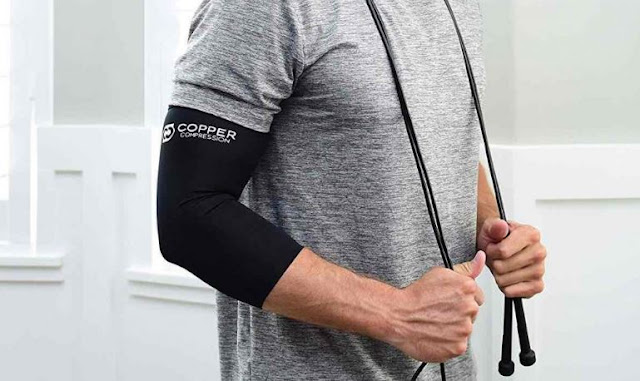
Tendinitis is a very common condition which is known to cause an inflammation of the tendon. Tendon is the fibrous cord that connects the muscles to bones. Tendons are present in the knees, wrist, heels, shoulders, and elbows. But it can happen anywhere in the body. In many cases, tendinitis lasts only for as short time, but if you aren’t lucky then it can escalate into a chronic condition. Not just that, but tendinitis can also end up limiting your flexibility or range of movement. That’s where compression sleeves come in. Wearing the best elbow sleeve for tendinitis can eliminate the pain and discomfort associated with this health condition. Below, we’ll explore the causes of tendinitis and how compression sleeves can help! 

What Causes Tendinitis? 

- Carrying out repetitive movements. 
- Carrying out high force movements in the muscles and tendons. 
- Engaging in excessive muscle stretching. 
- Doing very fast or jerky movements. 
- Being in awkward postures or positions for a long time. 
- Reduction in the muscle strength which increases stress on tendons. 
- Not getting enough rest after an injury or resuming exercise before the tendons and muscles fully recover. 

What Are The Symptoms Of Tendinitis? 

If you notice any of the following symptoms, you should know that you have already been hit by tendinitis. 

Pain 

It is generally described as a dull ache, especially when the affected joint or limb is being moved. 

Tenderness 

There is tenderness in the joints or limbs where tendinitis occurs, thus it causes impeding movement. Moreover, carrying out daily work can become harder. 

Mild Swelling 

Your limbs and joints can also swell up due to the problem. This can make regular activities both difficult and painful to carry out. 

How Do Compression Sleeves Help With Tendinitis? 

Compression helps in alleviating the symptoms of tendinitis. This is done by increasing the blood flow during workouts or during the period of recovery. Thus, it is known to improve the nutrient and oxygen levels in the body. This results in increased recovery rates and reduced muscle soreness. Not just that, but compression also helps in stabilizing muscles, including those of muscle vibrations which can affect tendons. 

But you should keep in mind that compression won't actually heal tendinitis, it can only help with the symptoms. Also wearing compression gear will be able to prevent tendinitis by improving blood flow and stabilizing the muscles so as to prevent strain and stress along with swelling. This is important in sports as players are more prone to the said condition. For example, it is needed by people who are into tennis, weightlifting and other such physical activities where there is a repetitive stress or motion in the tendons.

Keep Up With Compression 

Wearing compression sleeve once you are done with your workout can keep the blood flowing. Along with that it will also help in eliminating other substances like lactic acid which causes muscle soreness in the body. 

As such compression sleeves help in maintaining blood flow and it reduces strain so that huge amounts of pressure isn't put on the major points. It allows players to stay in the game for long and play without minimal injuries. Therefore, you should not neglect the need of a compression sleeves.

10 Tips To Prevent Joint Pain From Working Out

how to prevent joint pain from working out

The number of people with severe joint pain is projected to affect over 75 million adults by the next decade. Joint pain can compromise your quality of life or lead to chronic illness without treatment.

Don't let your chronic joint pain slow down your life!

Instead, keep reading to discover our 10 tips to relieve your pain. Try these prevention tips today if you are experiencing joint pain from working out. With these 10 methods, you can continue living your best life pain-free!


1. Ice it with Cryotherapy

Chill out with cryotherapy. Tissue swelling is caused by an increase in blood flow to certain areas throughout the body. Cold temperatures can chill out that blood flow and reduce the inflammation. 

The next time you feel your pain flare up, grab an ice pack.

Apply the ice to the affected area for 15 minutes at a time. To avoid suffering from ice burns, make sure to wrap the ice or ice pack in a towel. Don't place the ice or pack directly against your skin. 
Reapply the ice a few times throughout your day.

The next day, reduce the number of times you apply the ice. You should still keep the ice against the affected area for 15 minutes. 

Reduce the number of times you apply the ice each day. In time, this process will help you experience pain relief. 


2. Soak Up with Hydrotherapy

The next time you experience joint pain from working out, draw yourself a warm bath.

Warm water eases the pressure on your muscles and joints. If your knees and hips are feeling the burn, the warmth can alleviate the joint pain. Once you are immersed in warm water, massage the affected area.

This will help stimulate blood flow to ease the inflammation. 

Make a note if you experience joint pain while exercising. Don't push yourself too hard. If your gym has a hot tub or sauna, treat your post-workout body with a little hydrotherapy.


3. Schedule Tea Time

Herbal teas and other natural mixtures can also help ease the pain. The next time you go shopping, keep a lookout for:


  • Green tea - decreases inflammation, improves blood flow, reduces the risk of blood clots, and reduces the risk of heart attacks
  • White tea - eases inflammation in joint tissue and helps with skin recovery
  • Ginger tea - decreases inflammation and prevents certain diseases
  • Black tea - decreases inflammation and oxidative stress
  • Roobios tea - treats chronic inflammatory conditions and reduces oxidative stress
  • Masala chai - decreases inflammation and eliminates free radicals
  • Tumeric tea - fights chronic inflammation
  • Rosehip tea - boosts immunity, decreases inflammation, and treats rheumatoid arthritis

These natural herbs can prevent future hip, knee, and other joint pains you experience from working out. The next time you are feeling joint pain, pour yourself a soothing cup of tea, sit back, and relax.


4. Massage the Pain Away

Treat yourself! A relaxing, soothing massage is also an effective method for relieving joint pain. 

Schedule an appointment with a local masseuse or save some cash and do it at home.

If you are choosing to massage yourself, try using a topical menthol rub for additional pain relief. 

Massage the cream into your skin and focus on the affected area. When you are massaging yourself, don't forget to direct your strokes towards your heart. 


5. Work It Out by Exercising

Did you know the direct medical costs for patients with arthritis is $140 billion a year? Over 54 million people, or 23% of adults in the United States, have arthritis. This condition is also the leading cause of work disability in the country. 

Remaining physically active can decrease your arthritis pain.

It also improves your mood, function, and quality of life. Many people with joint pain, however, neglect to keep up with their daily physical activity. Without exercise, your arthritis could lead to heart disease, obesity, or diabetes. 

If you experience joint pain while exercising, change up your routine. Try:


  • Walking three to four times a week
  • Swimming (laps or a water aerobics class)
  • Strength training (stronger muscles eases the strain on your joints)
  • Cycling (which minimizes the impact of traditional jogging)
  • Yoga (which improves your flexibility and range of motion)
  • Tai chi (which improves joint flexibility and function)
  • Pilates (which improves muscle control and eases pressure on your joints) 
  • Use a proven pain-relief cream like Flexumgel

You don't always need to head to the gym for exercise. If these exercises don't appeal to you, try gardening, cleaning, or light strength training at home. 


6. Medication to Soothe the Strain

Certain medications can help ease the pain, too. If anti-inflammatory drugs like ibuprofen aren't enough, see your doctor. They can prescribe a muscle relaxant to reduce your pain.

If you prefer relieving your joint pain with natural methods, check out our Frugal Fitness and Healthcare sections for more affordable home health tips.


7. Get Professional Help with PT

Physical therapists are professionally trained to help improve your range of motion. Their exercises and guidance can help you experience relief during your appointment and at home. 


8. Alternative Treatments

If physical therapy isn't your style, try acupuncture instead. This treatment can help improve your range of motion and ease the pressure on your joints.

In addition to alleviating the pain you're currently feeling, acupuncture can also help prevent future pain, too. 


9. Go Immobile

Sometimes, the pain is too much to go for a swim or make it to a physical therapy appointment. If that is the case, immobilize the joint where you're experiencing pain.

Try using a brace or splint.

However, you should note that immobilizing the area isn't always the best option.


10. Get Some Rest

If the pain is too much to bear, take a break.

Rest can help your body repair itself. Taking the time to catch your breath and relax will also restore your energy and take the pressure off your joints. 

If you experience joint pain while exercising, try to take a break between workouts. Give your body time to heal and your joints will thank you! 


10 Tips for Relieving Joint Pain From Working Out

Feeling the burn? Try these 10 tips the next time you experience joint pain from working out. With these tips, you can soothe your joint pain away and get back to a better life.

Explore the official Frugal Fitness and Healthcare sections of the blog for more tips on how to stay fit on a budget. 

Hyaluronic Acid Injection - Is It Effective?

hyaluronic acid injection knees effectiveness

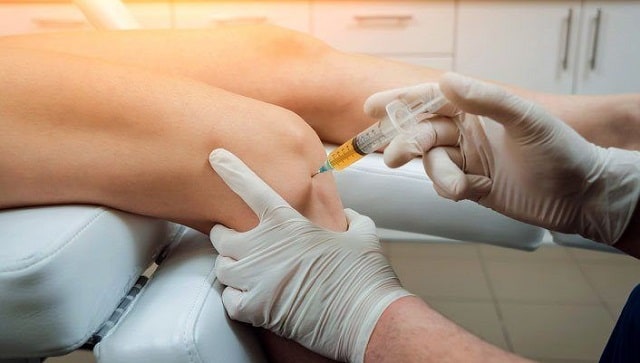
Hyaluronic Acid Injections, which also go by the name of Hyaluronan, is a substance that is found naturally in the human body in the synovial joints. This viscoelastic substance performs the function of acting as a type of "shock absorber" for the joints and assists with dissipating energy after trauma. Hyaluronic Acid also helps to lubricate the joints which help to promote movement and assists with pain relief. 

Research has shown that Hyaluronic injections directly into the joints provide anti- inflammatory properties to the cells that surround the joints and prevent cells in the cartilage area from dying in patients with arthritis which helps to improve their day-to-day functions. 

Hyaluronic Acid Content And Osteoarthritis 

In various studies, it has been discovered that patients with Osteoarthritis have a lower molecular weight and concentration of Hyaluronic Acid present in their joints in something known as the "synovial fluid". Synovial fluid relies heavily on the Hyaluronic acid content to function, so a decrease in Hyaluronic Acid results in minimising the viscoelastic characteristics of this fluid which leads to joint degradation. Therefore the initial suggestion that Hyaluronic Acid injections into the knee by an Orthopedic specialist may be effective when it comes to restoring the protective and viscoelastic functions of synovial fluid present in the knee joints. 

Hyaluronic Acid injections are said to help by increasing lubrication in the joints and act as an effective shock absorber which allows patients to lower the overall pain levels in their knee joints. These injections are particularly recommended for patients that are already undergoing other treatments such as physical therapy and taking medications for pain such as Acetaminophen and have not experienced positive results. 

How Long Does A Hyaluronic Acid Knee Injection Last? 

The Hyaluronic Acid injections for the knee with a high molecular weight have been suggested to last for as long as a year. The injection can be taken safely every 6 months to 1 year to manage Osteoarthritis. However, the precise longevity relating to Hyaluronic Acid injections for the knee joint is still under investigation in meta-analysis and musculoskeletal systematic reviews. One of the more recent studies has shown that these injections appear to last for over 450 days in certain individuals, while in others, the injection lasted for over 1000 days. 

In another study that included 223 participants, the overall results were positive after taking the Hyaluronic Acid injection. The results indicated that the individuals in this study that were given an injection experienced reduced stiffness levels and pain when compared to others that had not received the injection. The conclusion of the study recommended that Hyaluronic Acid injection to the knee joint seemed to be an effective treatment for mild to moderate symptoms of knee arthritis for a minimum of 13 weeks after the injection was taken. 

Are There Side Effects Of Hyaluronic Acid Knee Injections? 

Side effects linked to Hyaluronic Acid Knee Injections are rare and just about always self- limiting and mild. The more common side effect usually includes mild irritation around the site of the injection or mild flare-ups in under 2% of individuals. This might include symptoms such as redness, swelling, and pain, which are easy to correct with anti- inflammatory medication, rest, and icing. To date, there have not been any reports of Hyaluronic Acid injections causing an infection of the joints in the clinical trials conducted to study and analyse the effects in individuals. Systematic side effects including muscle cramps, nausea, and myalgia are extremely rare and have only been reported in under 2% of participants in these clinical trials. 

What Are The Best Injections For The Knee? 

In general, experts suggest that Hyaluronic Acid injections with high molecular weights such as Hyalgan are regarded as the best approach since they last for a long time. This is probably because these injections are not only FDA-approved but also more cross-linked with higher viscosities which means they degrade a lot slower when compared to other Hyaluronan injection types which have lower molecular weights and are generally less cross-linked. 

What Is The Difference Between Cortisone And Hyaluronic Acid? 

Hyaluronic Acid injections and their effectiveness have been compared to a similar effectiveness that Cortisone injections produce. However, these injections are very different. Cortisone is one of the anti-inflammatory substances that doctors often prescribe for Osteoarthritis of the knee joint to improve inflammation, pain, and swelling. Even though there is some evidence that has shown that Cortisone injections could be effective for up to 3 months, they aren't effective for all cases. More importantly, unlike Intra Articular Hyaluronic Acid Injections (which are regarded as safe for re-injections), Cortisone injections might result in the loss of cartilage when re-injected. These injections can also promote joint degradation until such a stage that the person may require joint replacement by having to undergo complete knee-replacement surgery. 

One of the other differences between Hyaluronic Acid injections and Cortisone injections is that the effectiveness of Cortisone injections can be instant, but it can take as long as 4 weeks for Hyaluronic Acid injections to start showing effectiveness. However, this also usually means that the overall effectiveness of Hyaluronic Acid injections is typically much longer. 

Takeaways 

Numerous studies have recently investigated and discussed Hyaluronic Acid Knee Injections, and most of them have concluded that these injections are effective when it comes to treating symptoms relating to mild to moderate osteoarthritis of the knee. They seem to be the ideal solution for those that do not have significant inflammation and swelling of the knee joint since the injections do take some time to start showing results. 

For this reason, this is not recommended for those looking for a "quick fix". But for those that are prepared to wait, the longer-lasting results of Hyaluronic Acid Knee Injections may be the ideal option. These injections are also recommended for patients that have an allergic reaction to steroids or might not be able to use these types of injections due to one or more medical conditions. These injections do not involve any downtime, which means the patient can return home directly after taking the injection.

Arthritis And Treatment Related To It Available In Scottsdale, AZ, And Phoenix, AZ

arthritis treatments available joint inflammation

The inflammation in the joints causes Arthritis. It affects single joints or multiple joints. There are nearly a hundred types of arthritis. The cause for each type is different and is treated by different methods. The most common Arthritis types are osteoarthritis, rheumatoid arthritis, psoriatic arthritis, and gout. 

Phoenix Foot and Ankle Institute is one of the best podiatry services in Phoenix, AZ. Jeffrey E. McAlister working here specializes in advanced ankle and foot reconstruction and has a passion for caring for patients. He is a specialist who provides the best arthritis treatment in Phoenix. To know more visit their official website. 

Symptoms 

Arthritis symptoms may appear suddenly or develop over time. The common symptoms involve stiffness, swelling, and joint pain. The symptoms worsen in the morning or when you stand up after resting for a long time. 

Causes 

Arthritis is caused due to obesity, age, injuries, tearing of joints due to overuse, autoimmune disorders, muscle weakness, family or genetic history. 

Diagnosis 

If you are not sure about whom to see for diagnosing Arthritis, then consulting a primary care physician is the first good step. They conduct a physical examination and check for the amount of fluid around the joints, red or warm joints, and keep a record of the motion range in the joints. They may refer you to an Arthritis specialist if required. 

Consult a rheumatologist first if you are facing severe symptoms. They will provide quick treatment and diagnose you better. Documenting levels of inflammation in the blood and analyzing fluid in joints helps the doctor to determine the kind of Arthritis you are suffering with. 

Treatment 

The most important goal of treating Arthritis is to reduce the pain and to prevent additional damages. Arthritis is treated by combining the following methods. 

● Physical therapy. 
● Supplements and medications. 
● Nutrient-rich diet. 
● Weight loss if necessary. 
● Occupational therapy. 
● Cold and heat compress. 
● Regular exercise. 
● Mobility assistance devices like walkers or canes. 

Moderate weight management reduces the risk of OA. Maintaining a diet that includes antioxidants reduces inflammation. You need to avoid processed foods, dairy products, fried foods, and overconsumption of meat if you have Arthritis. 

Arthritic Assistance

If Arthritis is left untreated, then the symptoms may worsen and affect your daily activities. There is no valid cure for arthritis but providing the right treatment helps to reduce the symptoms. Along with the treatment recommended by the doctor, you have to make changes in your lifestyle to accommodate your arthritic joints. This helps in managing your arthritis to avoid a reduction in your activities of daily living (ADL).

Here Is All You Need To Know About Tendinitis

information about tendonitis preventing tendinitis

Tendinitis is a condition that develops when the tendons in your body become inflamed. Tendinitis can range from mild to severe, and some forms of it can be pretty painful. Tendinitis is usually characterized by pain, swelling, stiffness, or redness of one or more of your joints. You might also notice some warmth around the joint that's affected. 

Tendinitis is often caused by repetitive movements or overuse, but acute injuries can also bring it on. It commonly affects the shoulders, elbows, knees, wrists, and hips. Though tendinitis can affect any joint in your body, it happens around areas that are used frequently or moved in an unnatural way to the joint. The most common form of tendinitis is rotator cuff tendinitis, which occurs in your shoulders and is often caused by repetitive arm movements. A doctor specializing in diagnosing and treating tendinitis in Portland can treat the condition. 

Causes Of Tendinitis

The exact causes of tendinitis are not well understood, but the following factors may increase your risk of developing the condition. 

1. Repetitive Movement Or Overuse 

This is the most common cause of tendinitis. It can be particularly problematic with specific activities, such as; 

• throwing a baseball 
• using heavy gardening equipment 
• painting 
• typing (if you use your hands and arms for this activity) 
• performing military exercises requiring holding guns or rifles out in front for long periods 

2. Injury To The Tendon 

An injury, such as a laceration or puncture wound, can damage the tendon and cause inflammation. The resulting condition is sometimes called "syndrome of acute traumatic pain with mid-portion Achilles tendinitis." It usually occurs after an accident in which your ankle gets twisted while you're wearing boots. 

3. Extreme Cold 

The condition can develop if you're exposed to cold conditions for too long without the proper protection. Cold temperatures reduce the amount of blood available to your muscles, which increases muscle tension and stress on your tendons. Take extra precautions when you're in cold weather by keeping your extremities covered and making sure you're wearing warm, layered clothing. 

Top Tendinitis Treatment 

Treatment focuses on providing relief from the symptoms and preventing further injury. Findings suggest that icing, wearing a compression bandage, and taking pain medication such as ibuprofen (for example, Advil) may help treat this condition. If you need to use your affected joints for work or other activities, your doctor may recommend splinting or bracing to protect your injury. Warm, moist heat may also provide relief. 

Moving your affected joints through a gentle range of motion during the early stages of treatment is recommended. Your doctor may also prescribe exercises that stretch and strengthen the muscles surrounding your inflamed tendons. 

Recovery time varies depending on the severity of your condition. When you first develop tendonitis, your doctor may recommend avoiding the activities that caused it and applying ice to the affected area for 20 minutes every three to four hours to reduce pain and swelling. If you have a more severe case of tendinitis, such as rotator cuff tendinitis, your doctor may recommend surgery. This is rare and usually happens if your tendinitis doesn't improve with at least six months of physical therapy. 

Take Action Against Tendonitis

To summarize, tendonitis is a common condition that affects the tendons by causing inflammation. It mainly results from repetitive motion and overuse, extreme cold, and injury. Treatments include physical therapy, bracing, and surgery in severe cases. It can also help to lose some excess bodyfat to take some weight off tendons in your lower body.

Benefits Of Visiting An Orthopedic Surgeon

benefits visiting orthopedic surgeon

Dealing with musculoskeletal injuries has never been easy. It's unfortunate, problems such as arthritis, shoulder pains, and knee pains can arise and lower the quality of one's life. What is significant is finding specialists who can do the necessary diagnosis and treatment of these orthopedic problems. Some of the treatments will involve a minimally invasive arthroscopic technique. There are reliable orthopedic experts you can approach and get all the assistance you need. Pay a visit to a specialist in orthopedic surgery near you. 

So why should anyone find help from medical experts in orthopedics? Let's get into the details below.

Knee Replacement Procedures 

There is physical trauma that can affect the functioning of the knee. An example is after being involved in an accident. The medication to deal with the problem could fail to work as intended. In this situation, orthopedic surgeons are the best. A knee replacement surgery will act as a comprehensive solution. Besides, if you have arthritis, the treatment will also be significant. With the robot-guided procedures, you can only be sure of excellent assistance. 

Sports Medicine 

As a sportsperson, an orthopedic expert will be of much benefit to you when dealing with major and minor injuries you develop. It could be in the training grounds or actual competitions where you sustain damages to your musculoskeletal system. These specialists offer assistance to make you recover well. 

Additionally, they understand the right ways to optimize your performance in the field. Some have a deep passion for sports and even participate in games. They know the struggles in sports injuries well. 

Arthritis Treatment 

Arthritis is a common musculoskeletal disorder that mainly affects the joints. When not well-taken care of, it can cause long-term pain and even disability. Osteoarthritis is a far more dominant form and primarily results in damaging the protective cartilage of the knees. A specialist can be a worthy option for you since there are treatments such as physical therapy which you can get. These procedures involve engaging the joint with the proper motions, which helps minimize the problem. You can also receive some injections directly to the knee with some steroid medications. This can help a lot in relieving the inflammation significantly. 

Rotator Cuff Repairing 

The group of tendons and muscles (rotator cuff) surrounding your shoulder joint needs always to be functional. Any injury at these points can cause problems when in your everyday operations. For instance, it may become difficult to do some lifting of weights. It often causes pain to the arms when making movements. 

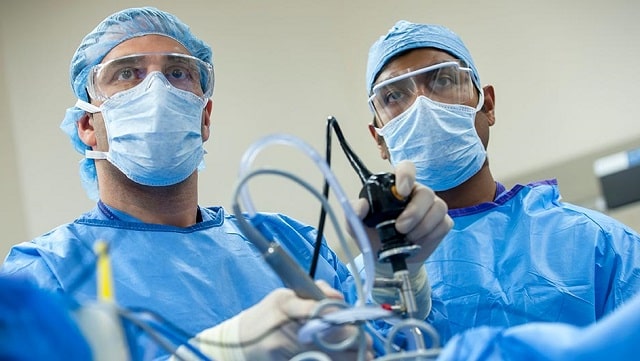
At such a time, the best thing to do is to find an orthopedic surgeon. These professionals will properly observe the symptoms, such as general arm weakness and mild aching around the shoulder. At the same time, they do a shoulder arthroscopy, which helps identify the severity of the problem. From here, the specialist will plan for a minimally invasive procedure for repairing the damaged tendons. 

Orthopedic surgeons are very instrumental in dealing with problems revolving around the musculoskeletal system. They do treatment for conditions such as osteoarthritis and repair work to the rotator cuff. For sports injuries, you'll find them having a piece of vast knowledge on which ways to benefit the recovery process.

Get Knee Pain Relief With New Interventional Treatments

knee pain relief interventional treatment

Besides supporting total body weight, the knees also suffer a significant amount of daily wear-and-tear, in addition to the stress of athletic activities. That explains why a vast percentage of American adults live with chronic knee pain. If you seek New Jersey Knee Pain services, the specialists at New Jersey Pain, Spine, and Sports Associates guarantee outstanding results. Make an appointment to benefit from practical, advanced interventional methods. 

Causes Of Knee Pain 

Sports injuries are among the most common causes of knee pain. Sadly, anybody can experience knee pain since daily wear-and-tear causes degenerative diseases and overuse injuries. Some of the most common conditions responsible for knee pain include: 

·       Tendonitis 
·       Osteoarthritis 
·       Runner’s knee 
·       Bursitis 
·       Ligament injuries 
·       Dislocations 
·       Fractures 
·       Meniscus tears 

Complications in your hips, feet, and back may also cause painful knees. 

Accompanying Symptoms Of Knee Pain 

Injuries and conditions that trigger knee pain frequently show up with other symptoms. You may experience: 

·       Knee stiffness 
·       Joint swelling 
·       Popping or clicking noises 
·       Inability to bear weight on your knee 
·       Locked knee joint 
·       Limited movement 

In cases like stretched or torn ligaments, your knee may feel like it will give out. 

What Types Of Injections Relieve Knee Pain? 

With precision, Dr. Abbasi injects your knee joint with the aid of real-time imaging such as ultrasound or fluoroscopy. He regularly administers two types of knee joints that efficiently treat the pain: 

· Steroid Injections 

Steroids decrease inflammation inside the joint, which in turn reduces swelling and relieves your knee pain. As the inflammation subsides, you also get better mobility and function. 

· Viscosupplementation 

Viscosupplementation, a treatment for knee osteoarthritis, refers to injections containing hyaluronic acid. Naturally produced in the joints, hyaluronic acid lubricates the bones and facilitates smooth movement. 

Hyaluronic acid injection reduces inflammation, improves movement, and alleviates joint pain. Although it can take a few weeks for this treatment to improve the joint, its results usually last for up to six months. 

How Interventional Medicine Treats Knee Pain 

Interventional medicine targets the genicular nerves that relay pain signals from your knee to your brain. When there is a blockage in these nerve signals, your brain will not get the pain message. Thus your pain improves.

This treatment is a two-step process. Dr. Abbasi begins by injecting an anesthetic at the genicular nerves. If your pain deteriorates, then he can proceed to the second phase, a nerve ablation procedure. 

During an ablation, Dr. Abbasi utilizes a needle that sends out radiofrequency energy. He uses the energy to wound the nerves accurately. This wound blocks the pain messages till the nerve recuperates. Afterward, you can experience pain relief for about six months or a year. When these effects recede, you can repeat the procedure to maintain optimal pain relief. 

Other Services 

New Jersey Pain, Spine, and Sports Associates' list of services goes beyond knee pain. They also apply proven methods to address conditions such as: 

·       Neck pain 
·       Back pain 
·       Minimally invasive spine surgery 
·       Epidural injections 
·       Disc herniation 
·       EMG 

You Need Knee Relief Now

Do not resign to the inconveniences and discomforts of knee pain when treatment is available. Contact New Jersey Pain, Spine, and Sports Associates for lasting relief. Call or use the online scheduler today for knee pain treatment that lasts.

5 Reasons Why You May Need Knee Revision Surgery

reasons need knee revision surgical procedure

Your knee is among the most critical body joints. It plays a vital role in allowing you to bend and move your leg effectively. The joint movement makes the knee vulnerable to many injuries at different parts of the knee. The injuries usually cause pain and swelling of the knee. If your treatment is not successful, your doctor may suggest surgery, including knee replacement. In rare cases, your surgery may fail, which may require revision surgery. If you encountered complications after your treatment for a knee injury, consider having knee revision surgery in Chevy Chase, Maryland. Gautam Siram, MD, is a highly experienced orthopedic surgeon and strives to enhance your knee health. Call his office today to schedule your consultation. 

Here is why you may require knee revision surgery. 

Dr. Siram conducts a knee revision surgery to correct and rectify a failed knee replacement procedure. Even though the knee replacement surgery is highly successful, your knee may have problems functioning properly. Therefore, he performs the surgery to help your knee be fully operational and healthy. 

The 5 Reasons For Knee Revision Surgery 

1. Infection 

Infection is unlikely to occur after a knee replacement surgery, especially with the latest surgical techniques. However, plastic or metal implants may create a good surface for bacteria to grow. The characteristic locations are inaccessible to antibiotics creating a risk of more severe infections. The implant may become loose, and the condition may cause symptoms such as pain and swelling. Revision surgery is crucial to relieve the symptoms of the infection. 

2. Instability 

After the knee replacement surgery, the tissues surrounding the knee may not give the necessary support needed during the knee movement, such as standing and walking. Instability may be a result of the tissue looseness and misalignment of the prosthesis. The knee’s surrounding tissues stretch during surgery, making them inadequate to provide the support required. This insufficiency causes pain in the knee, affecting its function. When other treatments fail to relieve the symptoms, revision surgery may be necessary. 

3. Fractures 

You may require revision surgery if you experience a fracture around the knee implant during or after the knee replacement procedure. This type of fracture distorts the fixation of the implant, causing instability. 

4. Loosening And Wear 

Fixation allows the attachment of the implant to the bone using cement. However, some providers may choose to use non-cemented embedment. 

After some time, friction can interfere with the fixation, causing small debris particles to collect around the knee. In your body’s attempt to fight the debris, the fixation bond may get damaged or even digest your bone. Hence the need for revision surgery. 

5. Stiffness 

In some cases, a knee replacement may inhibit your knee movement, among other functions, affecting your daily activities. It usually occurs due to the formation of excessive scar tissue around the knee, preventing motion. Knee manipulation may solve the issue, but when not successful, revision surgery may be appropriate. 

Bottom Line On Knee Revision Surgeries

Dr. Siram performs a detailed and customized knee revision surgery to ensure your knees are fully functioning and healthy. Using advanced techniques, he develops a treatment plan to address the cause for the failure of the replacement procedure. For a consultation, call or book online to schedule your appointment.

Minimally Invasive Total Knee Replacement Surgery In Katy, Texas

minimally invasive total knee replacement surgery

About one million Americans get a total knee replacement surgery annually. A knee replacement surgery is proven to help you live a better life free of pain and regain mobility. As of now, roughly five million Americans live with well-functioning implants. Dr. Pavel Muradov offers Katy total knee replacement through traditional and minimally invasive knee replacement options at Integrity Orthopedics. Dr. Muradov speaks fluent English, Spanish, and Russian. 

What Is Total Knee Replacement? 

Total knee replacement / total knee arthroplasty is a surgical procedure involving the removal of damaged parts of your knee and making artificial replacements. Dr. Muradov performs a total knee arthroplasty that alleviates knee pain and restores mobility. 

Latest knee replacement procedures involve removing a few millimeters of the inflamed surface of your shinbone, thigh bone, and knee cap. Your provider resurfaces the treated area with a combination of approved plastic and metal. A majority of the ligaments and bones remain preserved. 

Who Needs A Total Knee Replacement? 

Dr. Muradov explores all non-surgical treatments before opting for surgery. Your knee joint treatment plan may comprise: 

·       Medications 
·       Physical therapy 
·       Injection therapy 
·       Weight management 

Dr. Muradov checks out your qualification for knee replacement surgery if your pain is resilient to conservative treatments. The procedure is best for averting pain caused by arthritis (post-traumatic arthritis, osteoarthritis, and rheumatoid arthritis), the primary reason for total knee replacement. 

Knee Replacement Procedures 

At Integrity Orthopedics, Dr. Muradov offers specialized replacements like total knee replacement, partial knee replacement, and minimally invasive knee replacement. 

1) Minimally invasive knee replacement involves making a small incision to avoid damaging quadriceps muscles and soft tissue. Dr. Muradov specializes in minimally invasive knee replacement techniques. 

2) Partial knee replacement involves a compartment of your knee and protection of your natural joint. Dr. Muradov uses the Mako® robotic arm to complete partial knee replacements for qualified clients. About 5% to 10% of patients with arthritis qualify. 

3) Total knee replacement involves the removal of cartilage and bone matter from all parts of the joint. Your doctor replaces the parts with plastic and metal components. To leave the bone intact, Dr. Muradov uses bone-preserving techniques. 

Recovery After A Total Knee Replacement 

Recovery varies based on the type of procedure and preoperative condition. Dr. Muradov clarifies what you should expect from wound care, pain management, physical therapy, and rehabilitation tailored to meet your needs. 

Other Services Offered At Integrity Orthopedics 

Dr. Muradov also specializes in: 

- Total hip replacement 
-  Arthritis 
-  Injections 
-  Revision hip replacement 
-  Weight management 
-  Knee arthroscopy 

Office Hours 

Opening hours of Integrity Orthopedics are: 

Monday 8:30 am-5:00 pm 
Tuesday 8:30 am-5:00 pm 
Wednesday 8:30 am-5:00 pm 
Thursday 8:30 am-5:00 pm 
Friday 8:30 am-5:00 pm 
Saturday: Closed 
Sunday: Closed 

Bottom Line On Better Knees

Integrity Orthopedics is fully equipped to deliver quality services in a comfortable and friendly setting. If you need conventional or minimally invasive total knee replacement surgery, contact Integrity Orthopedics online or by phone to book an appointment today.

All You Need To Know About Total Knee Replacement Surgery

total knee replacement surgery fix joint

Knee replacement is a surgical procedure done by a qualified surgeon to resurface knees damaged by diseases. This treatment is also called knee arthroplasty. Your knee contains many parts such as tendons, tissues, nerves, knee joints, kneecaps, and others. When the knee gets arthritis, it damages and destroys 90% of the knee components. However, not all knees with arthritis are replaced, but only those that are severely infected. Examples of diseases that affect most middle-aged adults are osteoarthritis, gout caused by excessive uric acid, and degenerative joint diseases. Book an appointment with a specialist for a total knee replacement in Albany for knee surgery. The below paragraph explains how to prepare for knee replacement surgery. 

What To Do Before Knee Replacement 

There are several things you can do to make the knee surgery a success on the day of the appointment.  They include; 

· Visit Your Doctor For A Brief Talk 

After the knee diagnosis, the first thing is to visit the doctor. You and your doctor will talk about the surgery. You will also have time to ask some questions related to knee and joint problems. 

· Full Body Examination 

After the talk, your doctor will take you through an examination to check where you have some additional diseases. The purpose of the examination is to ensure that you are the right candidate for total knee replacement surgery. In case you are diagnosed with diabetes, you cannot have any surgery since the incision may not heal. 

· Inform Your Doctor About Over-The-Counter Medications

According to research, some medications you take daily can hinder surgical procedures. Drugs such as aspirin, blood-thinning medicines, and anti-inflammatories are very dangerous when it comes to bleeding. These medications interfere with the clotting characteristic of the blood, thus you may suffer heavy bleeding. 

· Tell Your Doctor About Your Allergies 

Some of the problems that you may have, your doctor cannot recognize them all through the examination. It is vital to tell your doctor if you are allergic to medicines like anesthetic agents. 

· Take A Partner With You

Having a partner like a husband, wife, friend, or family member can make you feel supported. Chances are you will need someone close to help support you psychologically and physically after your knee replacement surgery.

· Provide The Surgeon With Your Medical History File 

Your surgeon needs to know your medical history to conclude you are the best candidate for the surgery. If your file signifies that you have a blood clotting problem, some medication will be offered to boost your hemoglobin performance. 

· Read The Form Carefully 

After everything leading up to the procedure, you will be given a form to read that has rules and regulations about surgical patients. It is essential to read and understand and ask some questions if you don’t understand. 

Total Knee Replacement Time

Total knee replacement makes the use of metal and plastic parts to cap your knee joints. This treatment is done when there is a breakdown of joint cartilages and available bones in the knee. Orthopaedic Associates health care center is the best in treating and managing musculoskeletal diseases. Visit them today to replace your knee and heal quickly.

How To Heal Quicker After Knee Revision Surgery

quick healing knee revision surgery

Knee replacement surgeries are meant to last some years, however, it reaches a time that the prosthesis is no longer working properly so a knee revision surgery is needed to implant a new prosthesis. This procedure helps relieve pain in the affected area, removing a prosthesis that is no longer functioning properly is needed before further harm is made to the joints. Also, this procedure can be done when the prosthesis causes an injury to the knee. Dr. Gautam Siram MD and his team of specialists in knee revision surgery in Chevy Chase are dedicated to ensuring your knee regains its function if you have undergone an operation and things did not work well. 

Why Should I Have Knee Revision Surgery? 

Knee revision surgery is recommended whenever the device causes complications. This procedure is necessary when: 

You experience wear and tear, which leads to the loosening of the device. Knee replacement surgery can be used to connect the device and your bone. During the procedure, your doctor can do normal cleaning to remove any debris and check for any infection. 

An infection can occur on the part where the device is placed since it is made of metal. When the infection occurs, it leads to the loosening of the device. 

A fracture can occur on the device due to pressure. If a fracture occurs, then knee revision surgery is recommended. 

How Is Knee Revision Surgery Done? 

Knee revision surgery procedure normally takes few hours to be conducted. Your doctor will give you anesthesia to recuse any pain or discomfort. After anesthesia, your doctor will then cut open the knee area. In revision surgery, the specialist will remove the old bone that was connected to the old prosthesis. After the removal, the old bone is reshaped, but your doctor may recommend a bone graft if it appears weak to support the device. 

What Should I Do To Promote Quick Healing
After Knee Revision Surgery? 

After the surgery, you would need to get a quick recovery. Achieving this requires you to follow certain steps. It would help if you carried out aftercare procedures as well as exercises. It would also help if you asked the doctor for antibiotics that will help alleviate pain. Healing varies from one person to another, some patients recover after a few days while others take longer. If you feel that you need more information about the procedure, talk to your doctor so that you may know whether you are suitable for the procedure or not. 

To ensure a smooth recovery process for your injured knee, you should follow the instructions of your doctor. Ensure that you have enough space where you stay to avoid any complications that may arise. You should also get someone to help you with tasks such as changing bandages and other house chores. If you get help, it promotes quick healing because you will not be using energy quickly. Ensure that you confirm from your doctor all the necessities that you require to promote the healing process.

Shoulder Pain: Signs And Treatment Options Available

shoulder pain signs

Most people underestimate the significant role their shoulders play until they cannot perform basic tasks such as brushing their teeth or even lifting an item from place to place. If you experience slight or severe pain in the shoulders, seek immediate medical attention. Fortunately, people can find effective pain relief solutions thanks to personalized Jacksonville shoulder pain care at Florida Regional Pain Management. Here are some crucial things that Shonith Manohar, MD, and his team want you to know about shoulder pain diagnosis and the treatment options. 

The Architecture Of The Shoulder 

Your shoulder is made up of three parts: 

1.      The Humerus / Upper Arm: It is a ball-like bone that occupies the socket in the shoulder blade. 

2.      Scapula / Shoulder Blade: It is the socket that keeps the humerus in place, allowing functions such as lifting, swinging, and rotating. 

3.      Collar Bone / Clavicle: It is the joint that supports both the upper arm and the clavicle. All three bones rely on each other to aid in shoulder movements. When any part has been injured, the shoulders may start experiencing pain. 

Signs That It Is Time To See A Doctor For Shoulder Pain 

Knowing when to see a doctor can be daunting, especially if you are not aware of what is causing the shoulder pain in the first place. While taking over-the-counter medications may seem like the easiest choice to make, they might only relieve the pain and not treat the underlying problem. Seek medical help if: 

·         You are unable to lift items using your arms 
·         Your shoulder pain causes sleep discomfort 
·         Raising your arm becomes a nightmare 
·         Notice inflammation on your joint 
·         You recently had an accident causing injury to your shoulders 
·         The shoulder pain does not go away after a few days 

All these signs are not normal. Do not shy away from getting a medical opinion from your primary doctor even if the pain keeps going and coming after taking medications. Your primary doctor is the best person to refer you to a pain specialist if traditional treatment options fail to bear fruits. 

Shoulder Pain Treatment Options 

The severity of your shoulder pain determines the treatment option a pain specialist may recommend.  For mild pain, home remedies such as enough rest, ice and heat applications, and prescribed medications may be used. But when it comes to chronic shoulder pain, a pain specialist may suggest steroid injections using a shot of cortisone or surgery. The latter is a conservative intervention that works by aligning the joints if an injury caused the pain. For every treatment option a doctor recommends, the correct diagnosis can go a long way in addressing the underlying cause of your shoulder pain. 

You Can Recover From Shoulder Pain 

Around 50 million Americans are battling joint-related pain. If you are suffering from shoulder pain, know that you are not alone. Most people that have gone for medical help have recovered, and are performing their everyday tasks immediately. To learn more about the causes of shoulder pain, schedule an appointment with your pain specialist today.

New Frugal Finance Blog Posts & Articles